Dining in space: What and how will the Artemis II crew eat on Orion?

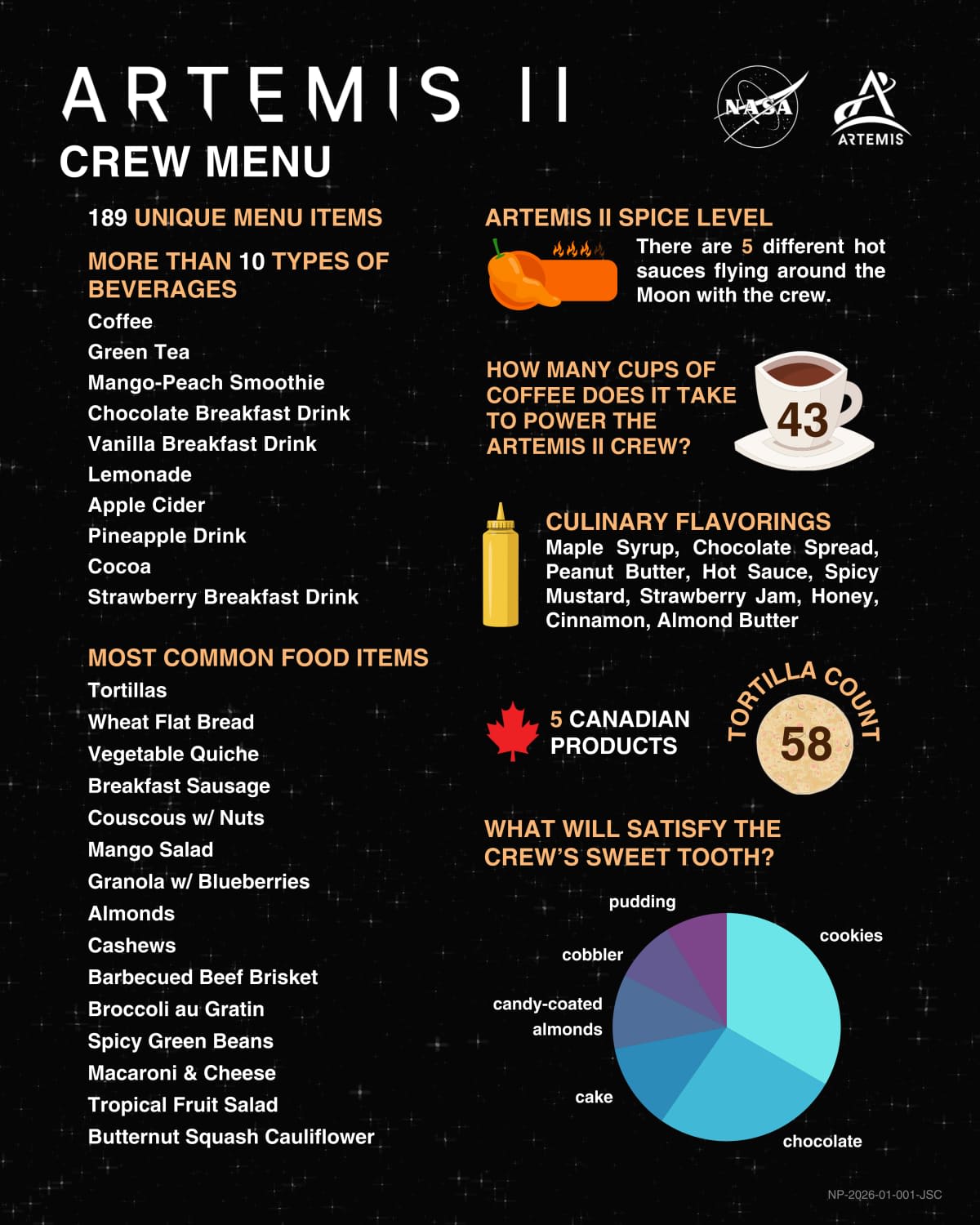
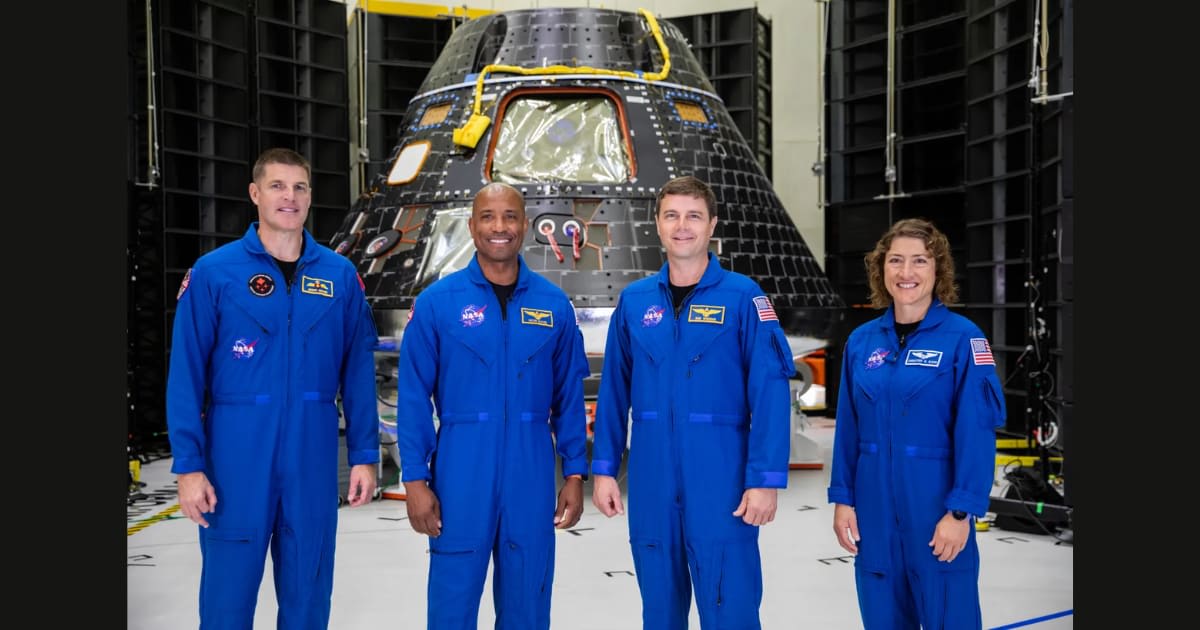
NASA has released the food menu for the Artemis II mission, which can take off in April this year. Featuring more than ten types of beverages, with food items from nuts and brisket to beans and mac and cheese, along with hot sauces and condiments like jam, maple syrup, and chocolate spread, this comprehensive culinary selection provides a variety of nutritional and tasty meals for the crew to eat aboard the Orion spacecraft. It also offers insight into how the space agency designs and prepares food systems for missions.
Evolution of space cuisine
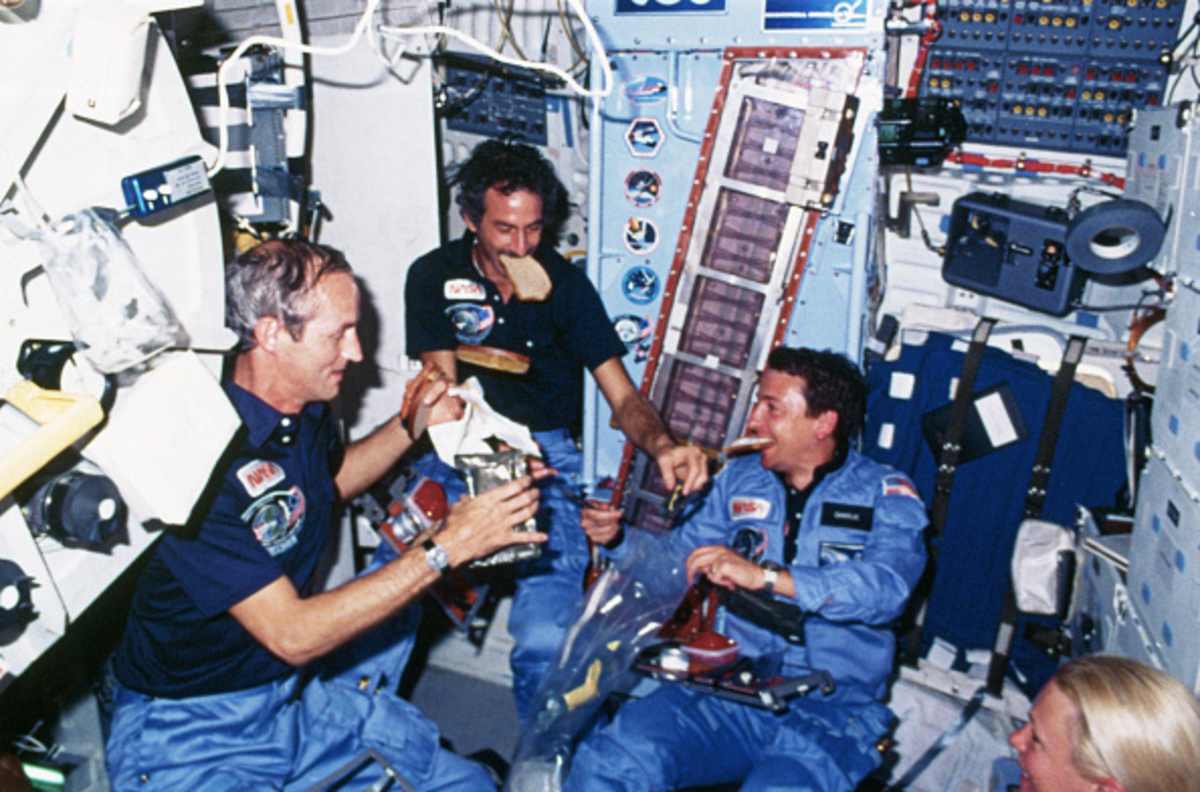
Consuming food in space has evolved a lot since the Apollo missions, when eating was more constricted, involving eating through tubes of paste and relying on freeze-dried meals. Now, the International Space Station benefits from regular resupply and occasional fresh foods, highlighting decades of advancement. Astronauts are served a variety of meals, like meat sandwiches and hot coffee, designed mindfully to account for the operational and logistical challenges of the spacecraft and the environment, while also providing food that is fun to eat and serves as a reminder of home. For Artemis II, the situation is a bit different. As it's a self-contained space vehicle with no scope for resupply, a fixed, pre-selected menu has been smartly designed to sustain the crew.
How has the food been curated for Artemis II?
The food items for the Artemis II mission have been chosen considering factors such as food safety, nutritional value, hydration intake, crew preferences, and compatibility with Orion’s mass, volume, and power requirements. Unlike on Earth, in a microgravity environment, foods must be easy to prepare and consume, minimize crumbs, and have a long, stable shelf life. The crew, in fact, sampled and evaluated all the foods on the standard menu during pre-flight testing. Their preferences were then balanced with nutritional requirements and Orion's accommodation capacity.
How will meals be prepared aboard the Orion spacecraft?
The food shipped in the spacecraft is ready-to-eat, rehydratable, and thermostabilized or irradiated food. The crew will use the potable water dispenser in Orion to rehydrate foods and beverages, and a compact, briefcase-style food warmer to heat meals as needed. The preparation has been intentionally kept simple and easy to prepare and eat, mitigating any interference with crew operations or spacecraft systems.
How are the typical daily meals structured and tailored for different phases?
Astronauts typically, on a mission day, have set meal times for breakfast, lunch, and dinner, which excludes launch and reentry. To provide flexibility for meal selection, two to three days’ worth of food is packaged in a single container for each crew member. Each astronaut is allotted two flavored beverages per day, which may include coffee. The menu is also designed bearing in mind the different flight phases from launch to reentry. Freeze-dried meals require rehydration using Orion’s water dispenser, which is unavailable during some phases, including launch and landing. So, the food selected for these phases is ready-to-eat and compatible with the spacecraft’s operational constraints. A wider variety of food becomes available only when the full food preparation systems are properly functioning.
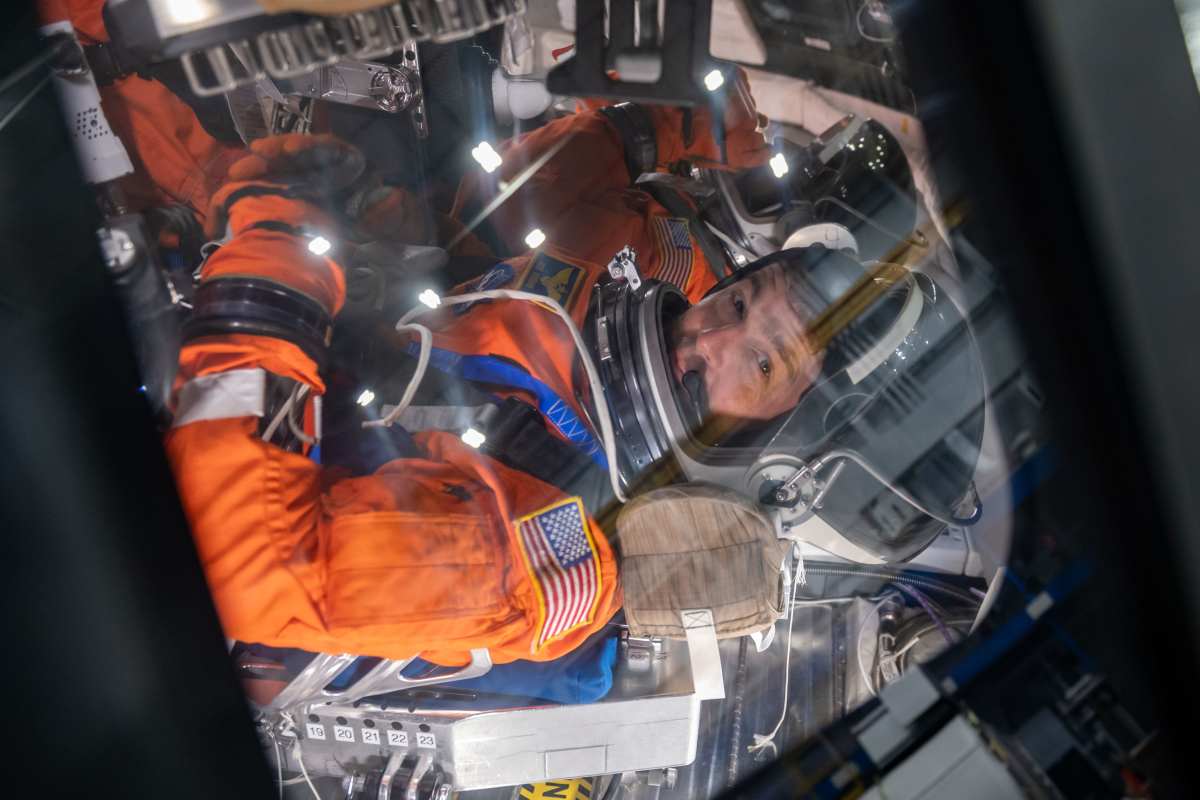
The Artemis II SLS rocket and Orion spacecraft were rolled back into the Vehicle Assembly Building (VAB) because of a helium flow issue that surfaced after the second wet dress rehearsal. While the issue itself has been fixed, work at the VAB is far from over. That being said, NASA has optimized the workflow in order to make sure that the stack can be rolled out to the launch pad in time for the April launch opportunities.
More on Starlust
Here's what NASA is planning for Artemis IV and V now that the roadmap to the Moon has been revised
NASA's Artemis III: New date, goal, and everything else you need to know