Moon’s far-side soil may offer sturdier foundations for future bases, AI analysis suggests
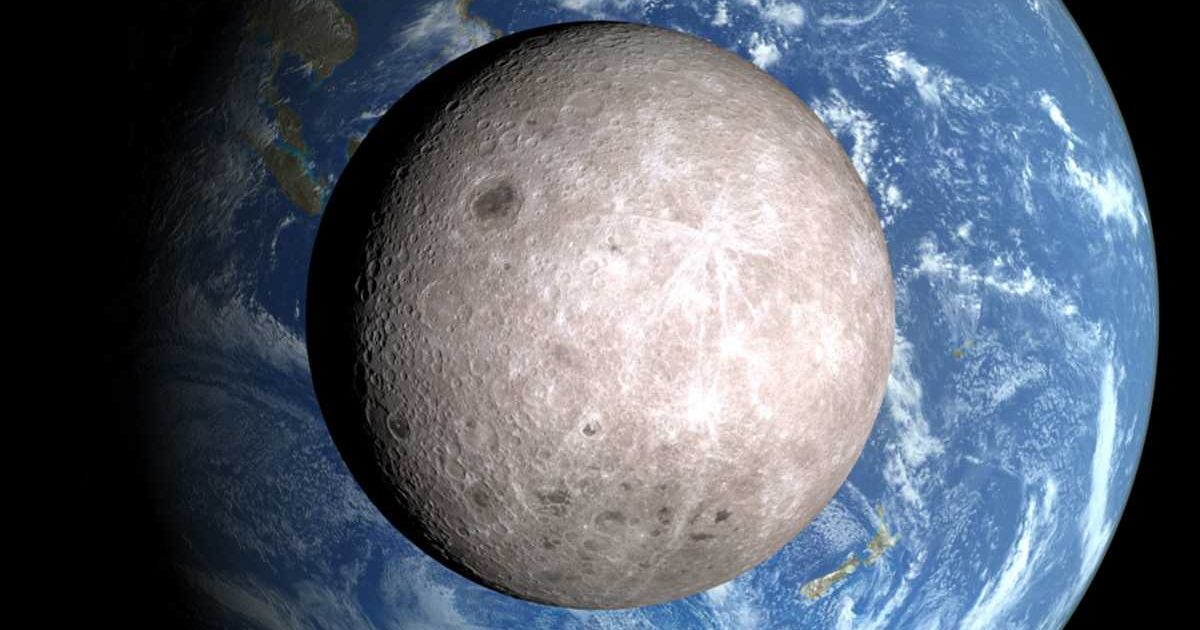
Lunar samples scooped up by China’s Chang’e-6 probe may finally unveil the secrets of the little-known far side of the Moon. The particles of the lunar far side have unique physical properties that can be exploited to build up future lunar bases, according to a study published in Science Partner Journals. The study, led by a research team at Beihang University (BU), found that the lunar regolith, the outer layer of the Moon, is more irregular in shape than its counterparts in near-side. "Understanding the physical and mechanical properties of lunar regolith is the prerequisite for any engineering activity on the Moon," said Siqi Zhou, a BU associate professor and a co-corresponding author of the study, in a statement.
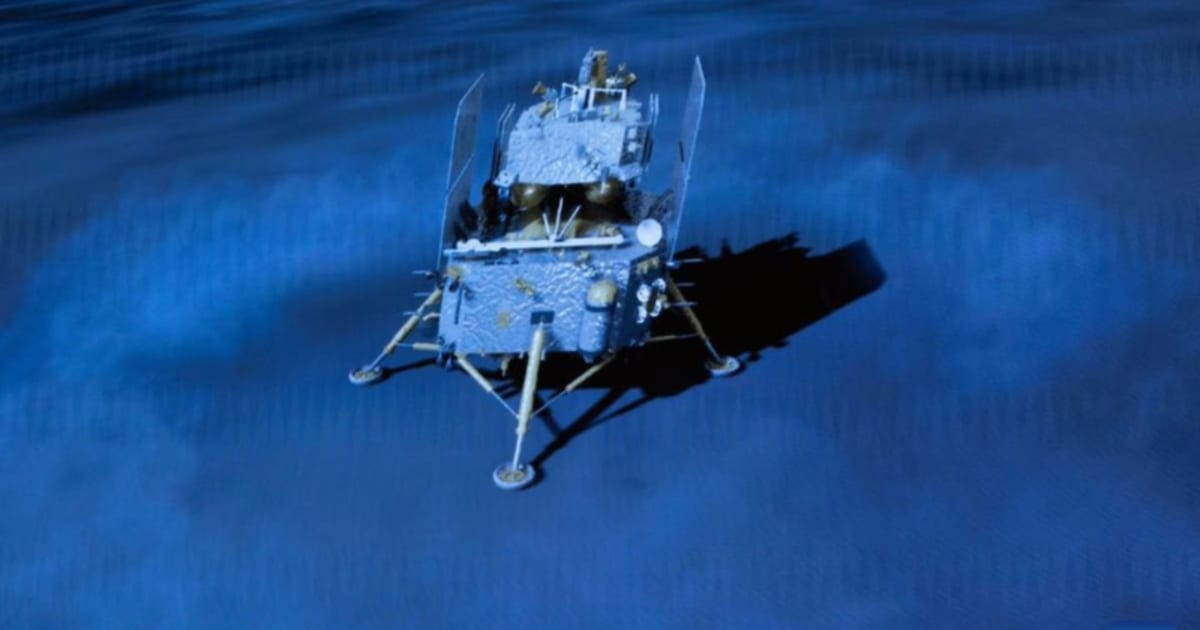
"However, since these samples are too precious for traditional destructive testing, we developed a 'Digital Twin' approach to simulate their behavior without crushing a single grain," Zhou added. On June 2, 2024, Chang’e probe landed in the South Pole–Aitken (SPA) basin, the Moon’s largest and oldest impact structure. Besides scientific values, near water-ice deposits and extended sunlight make SPA the coveted location to set up a future human colony, including the proposed International Lunar Research Station. So, the Chinese probe collected lunar soil samples here. With such a scenario in mind, Zhou and his teammates examined the particles without touching and destroying their shape and size. The researchers virtually reconstructed 349,740 individual lunar soil particles, using high-resolution X-ray micro-computed tomography (Micro-CT) and advanced deep learning algorithms.
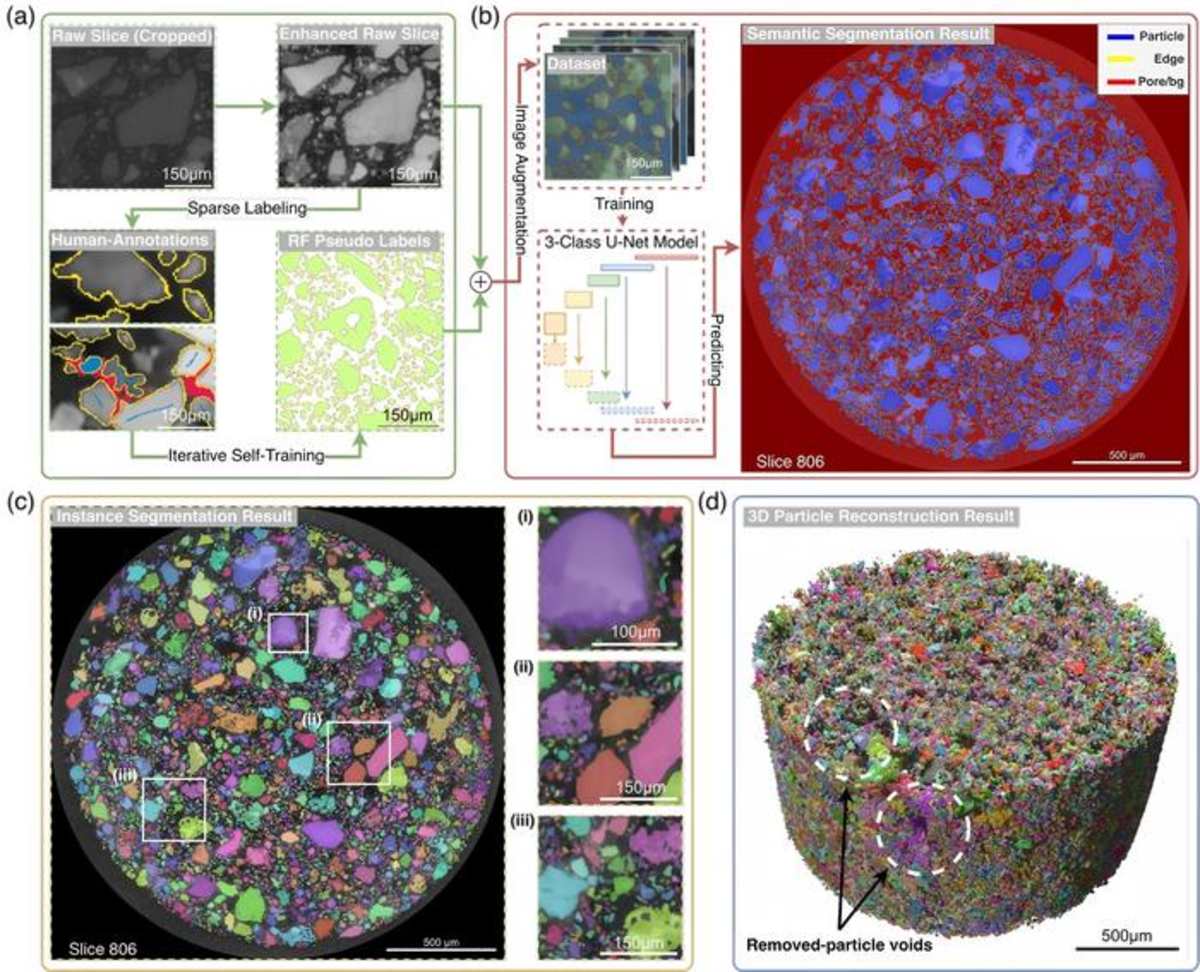
To analyze such huge data, the team developed a semi-supervised deep learning tool. With it, they first processed CT scan data and then digitally extracted 3D models of the particles, without separating thousands of tiny grains. The difference between the far-side and the near-side stunned the researchers. Chang’e-6 particles are more ‘rugged’ and irregular than samples from Apollo missions or the Chang’e-5 near-side mission. "We found a lower sphericity—about 0.74—in the far-side samples compared to the near side," explained Feng Li, co-corresponding author of the study in the statement. "Unlike the smoother grains often found on Earth, these particles are angular and sharp. This morphology is likely a result of the unique impact history and space weathering environment of the South Pole-Aitken basin."
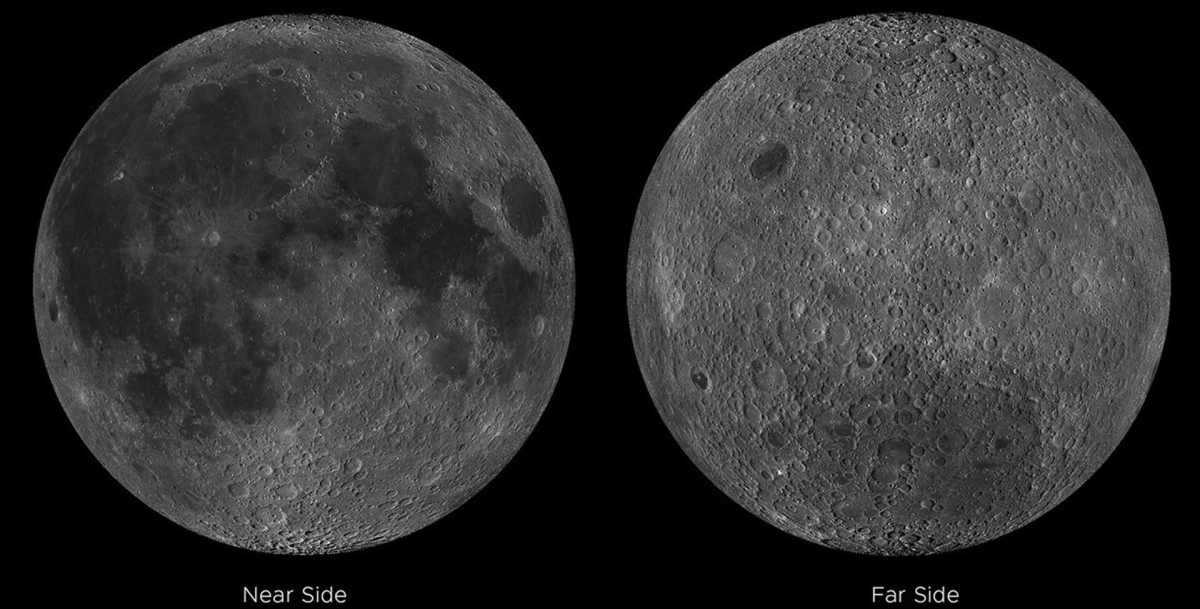
Next, the Chinese researchers were interested in finding whether such a difference might influence the outcome of future moon missions. They did simulations, using the Discrete Element Method (DEM). They found that the shape of the particles does matter. ‘Spiky’ shape of the particles allowed them to bind to each other through a process called ‘geometric interlocking’. This is akin to how irregular gravels hold together better than smooth pebbles. The lunar particles of the far-side soil indicate that they have enhanced mechanical strength and cohesion compared to the near-side soil. "This means the ground on the lunar far-side might be 'stiffer' and provide better bearing capacity than we previously thought," said Zhou. "This is positive news for the construction of the International Lunar Research Station (ILRS), as it suggests a more stable foundation. However, it also poses new challenges for drilling and rover mobility systems, which may encounter higher resistance from this interlocking soil."
More on Starlust
NASA's Artemis program could benefit from this new map of small mare ridges on the Moon
Did the Moon have a strong or weak magnetic field? A new study may have settled decades-long debate