NASA prepares for Moon landings, begins the most complex plume-surface interaction tests
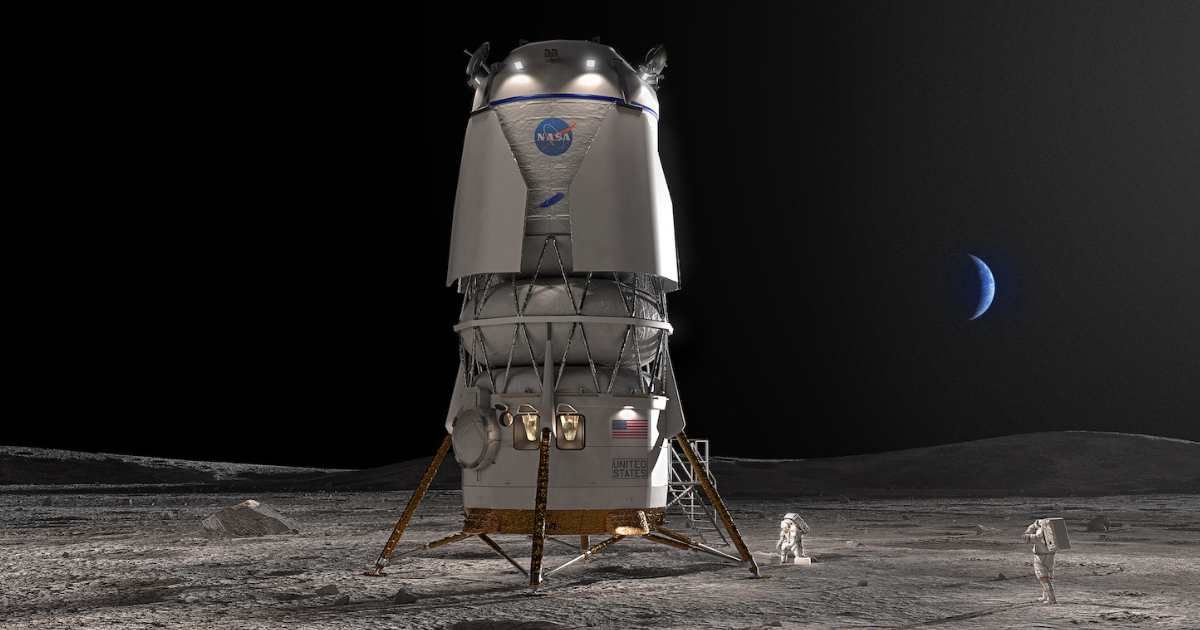
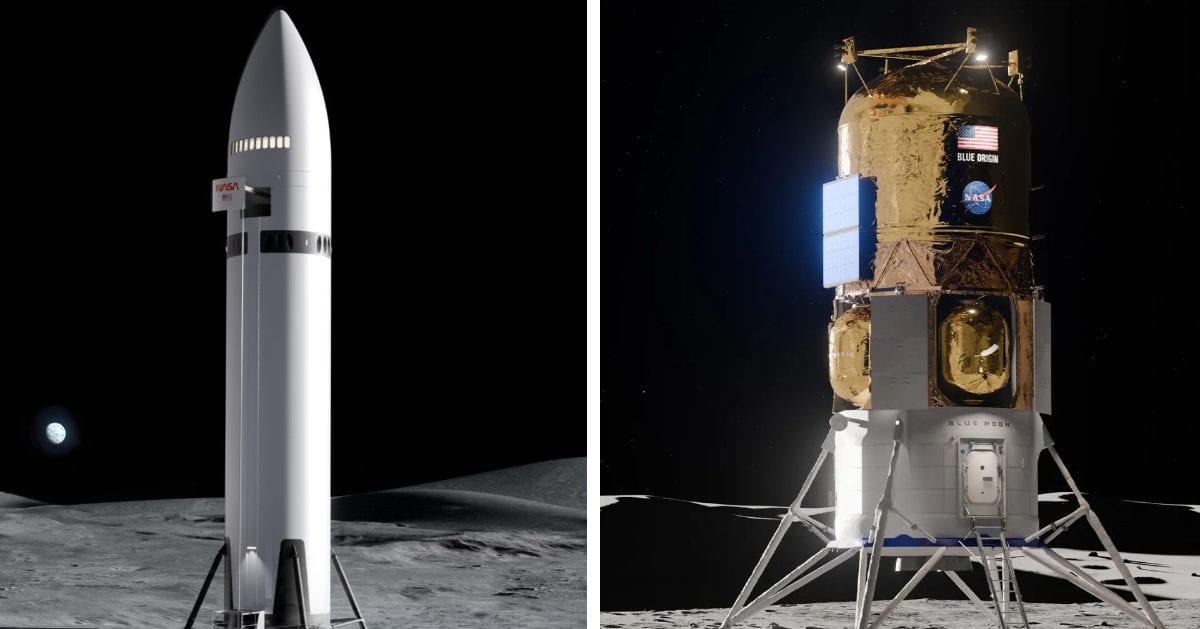
A research team at NASA’s Langley Research Center in Hampton, Virginia, has initiated a series of plume-surface interaction tests inside a massive 60-foot spherical vacuum chamber. This data will aid NASA’s Artemis campaign to understand the hazards from a lander’s engine plumes blasting away at the lunar dust, soil, and rocks. NASA’s commercial partners will also use this data to transport astronauts from lunar orbit to the Moon’s surface and back, starting with Artemis III, the agency assured. The data imagery of the interaction between the Moon's surface and the Firefly Aerospace Blue Ghost Mission-1 lander's engine plumes obtained in March will also prove to be helpful in this endeavor.

When the exhaust plume from a descending lunar lander hits the surface, the power displaces regolith. This poses a lot of risks to the spacecraft, science equipment, and crew safety. "If I’m in a spacecraft and I’m going to move all that regolith while landing, some of that’s going to hit my lander," said Ashley Korzun, testing lead at NASA Langley. "Some of it’s going to go out toward other things — payloads, science experiments, eventually rovers and other assets. Understanding those physics is pivotal to ensuring crew safety and mission success.”
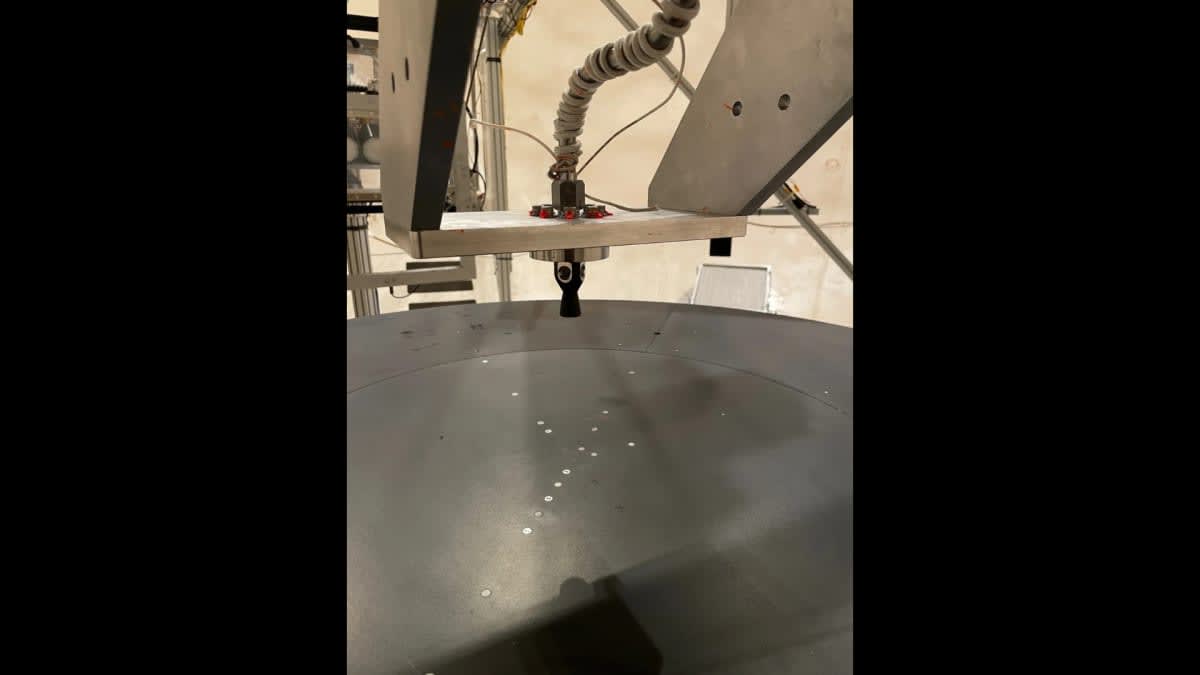
The campaign, set to run through the spring of 2026, might help adjust the design of space hardware and enhance predictive models. Dubbed as "the most complex test of its kind to be undertaken in a vacuum chamber," it is a collaboration between multiple NASA centers, a wide range of commercial entities, and academic institutions. Korzun’s team will be testing two kinds of propulsion systems in the vacuum sphere.
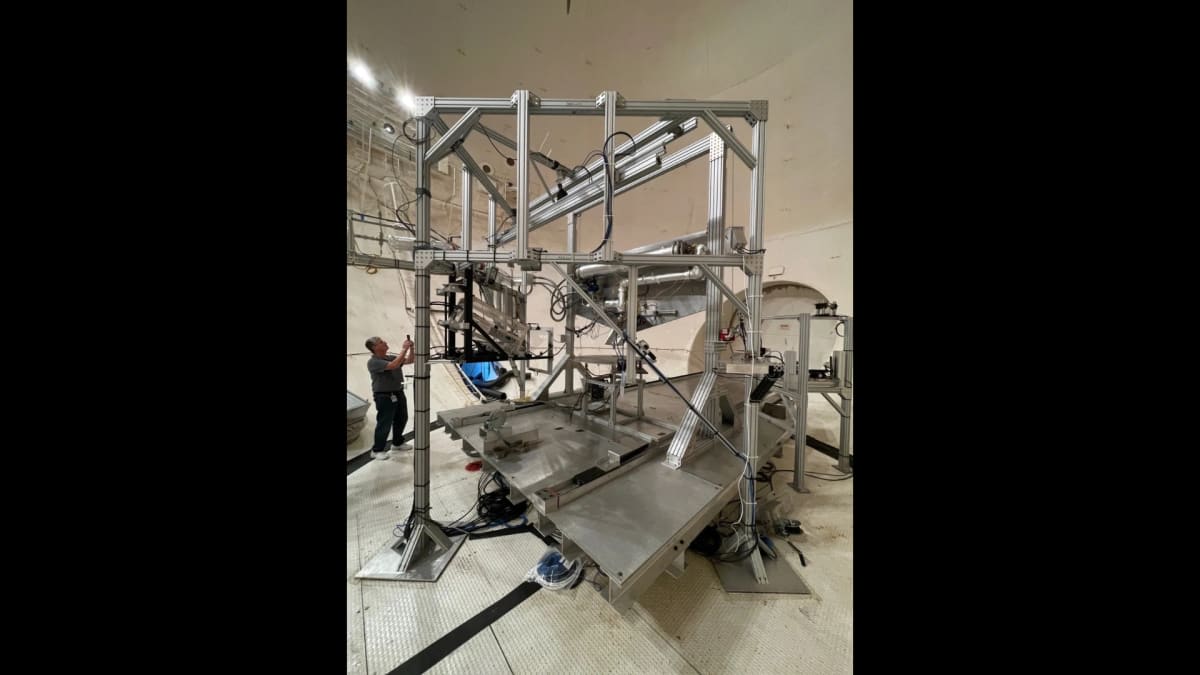
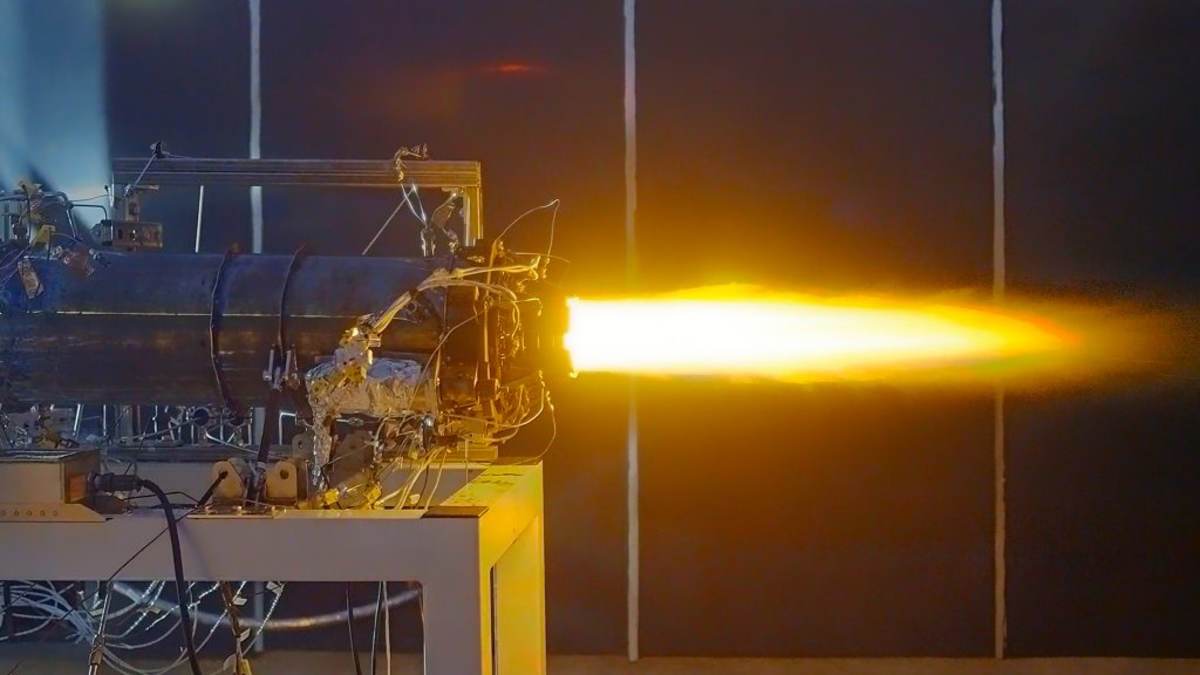
The first round of tests will involve an ethane plume simulation system, designed by NASA’s Stennis Space Center. Built and operated by Purdue University, it can generate a maximum thrust of 100 pounds. The second round of tests will include a 14-inch, 3D-printed hybrid rocket motor, developed at Utah State University, capable of around 35 pounds of thrust, setting flame to a gaseous oxygen stream and a solid propellant. This will result in a powerful and hot stream of rocket exhaust that mimics a real rocket engine but at a smaller scale.
A simulated lunar regolith bin, called Black Point-1, will be used to test the propulsion systems at different heights. This simulation bin, with a diameter of 6.5 feet and a depth of one foot, has properties similar to the lunar regolith. “It gives us a huge range of test conditions,” Korzun said, “to be able to talk about spacecraft of all different kinds going to the Moon, and for us to understand what they’re going to do as they land or try to take back off from the surface.”
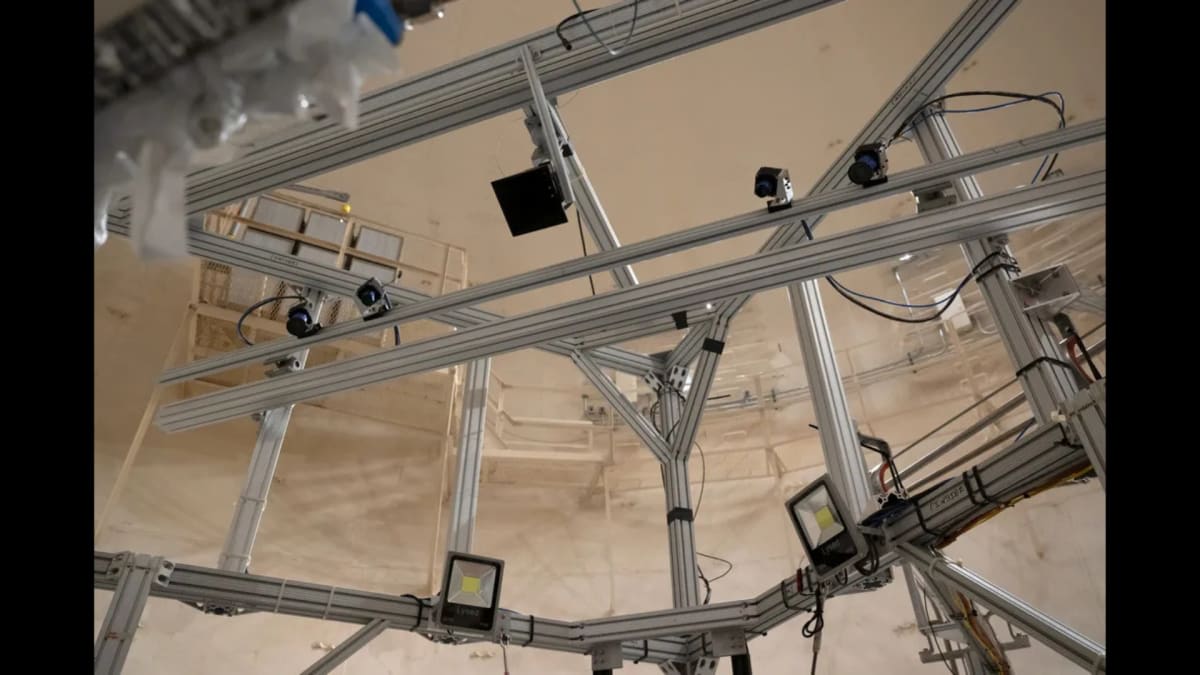
Imagery of the tests will be captured by a wide array of instruments, including the cameras that captured the plume-surface interaction in March. The instruments will be responsible for tracking crater formation, the speed and angle of the particles ejected during plume-surface interaction, and the shape of engine plumes. While the campaign is primarily aimed at improving safety measures for lunar landings, Korzun thinks it can also prepare the agency for Martian missions.
More on Starlust
NASA's Artemis II Orion spacecraft advances in launch preparations at Kennedy Space Center
NASA's Artemis campaign taps Firefly for $176 million mission to advance lunar exploration