Scientists discover an exoplanet system that is constantly changing on human timescales
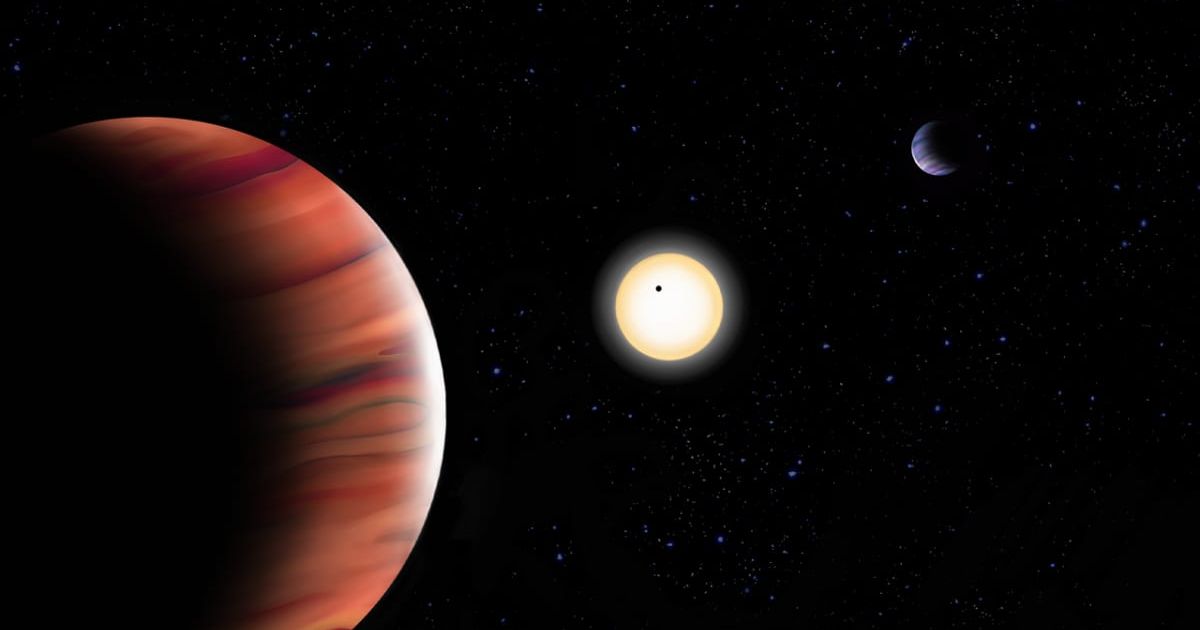
Ismael Mireles, a Ph.D. candidate at the University of New Mexico (UNM) and his team have confirmed the existence of three distinct celestial bodies orbiting the always-changing exoplanet system TOI-201. While most systems change over time scales of millions of years, what makes TOI-201 special is that it is one of the few systems whose changes can be observed on human timescales. “The goal was to characterize the TOI-201 planetary system to understand not just what planets are there, but how they interact with each other dynamically,” Mireles told UNM News. “This helps scientists understand how planetary systems like our own Solar System form and evolve over time.” Mireles and his team have reported their findings in a paper titled, "Uncovering the Rapidly Evolving Orbits of the Dynamic TOI-201 System," which was published in Science Advances.
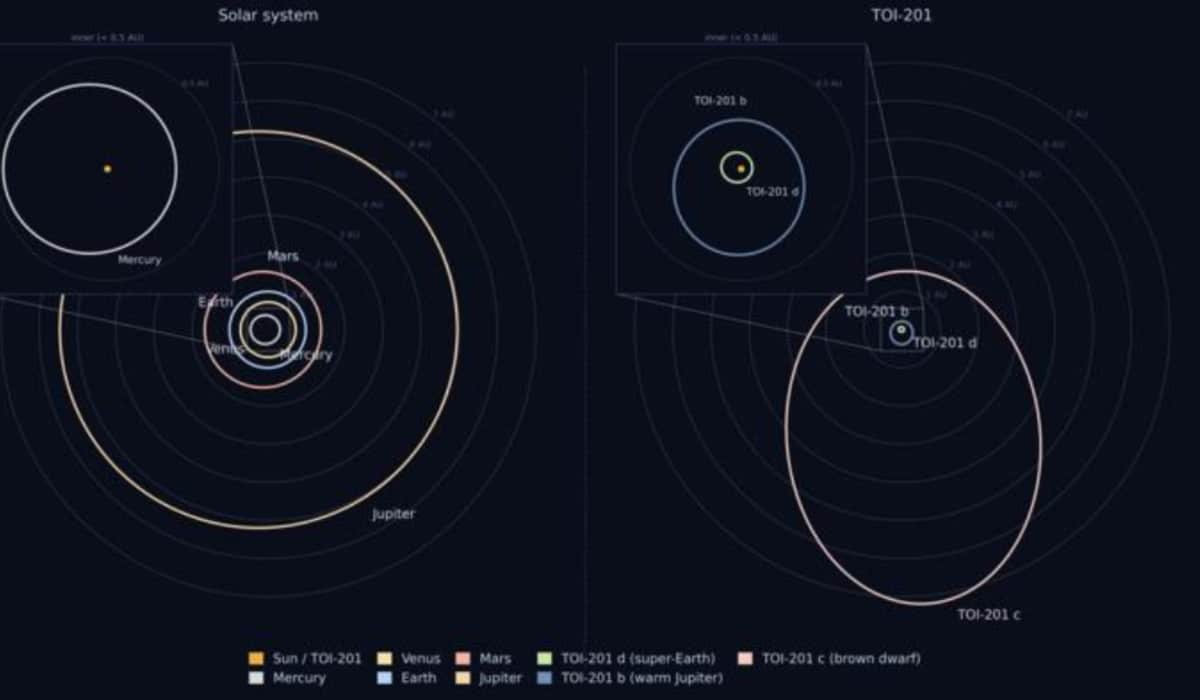
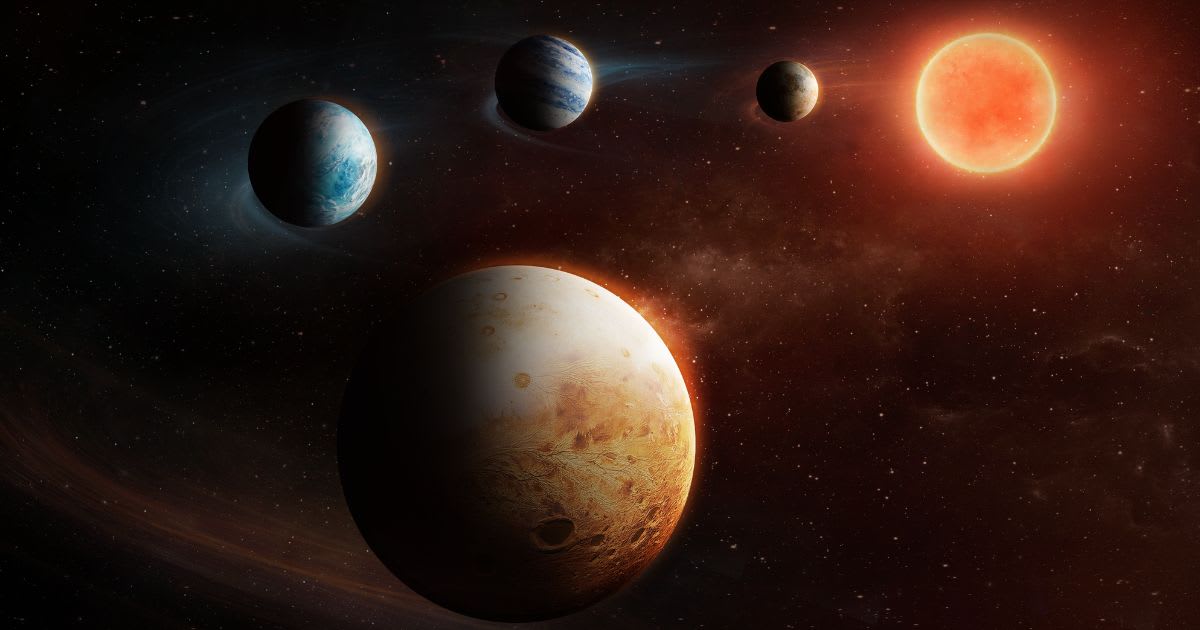
The dynamic TOI-201 system comprises a Super-Earth, a warm Jupiter, and a brown dwarf. About 1.4 times the Earth's size, the Super-Earth, dubbed TOI-201 d, also has about 6 times our planet's mass and takes a little less than 6 days to orbit the host star. And while it is called "Super-Earth," it is located very close to its star and is likely too hot to hold any liquid water. The warm Jupiter (TOI-201 b), meanwhile, is half the mass of our Solar System's gas giant and completes an orbit every 53 days. The third planet in the system is a brown dwarf (TOI-201 c), which has a highly elliptical 8-year orbit and is the biggest culprit behind the system's dynamic behavior, thanks to its gravitational influence.
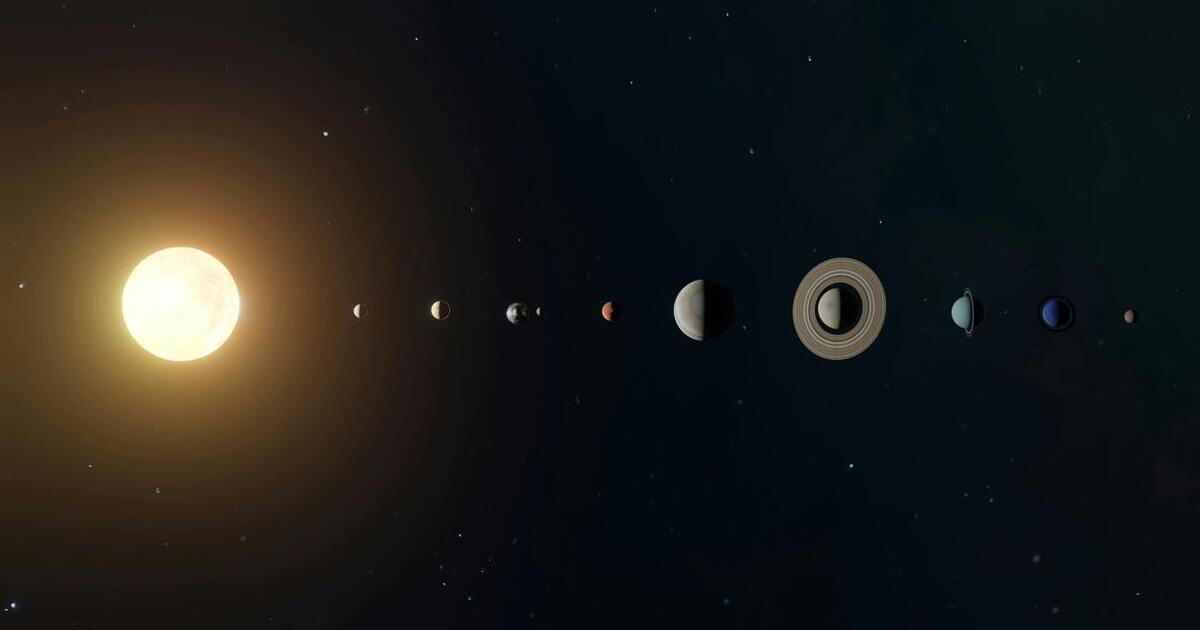
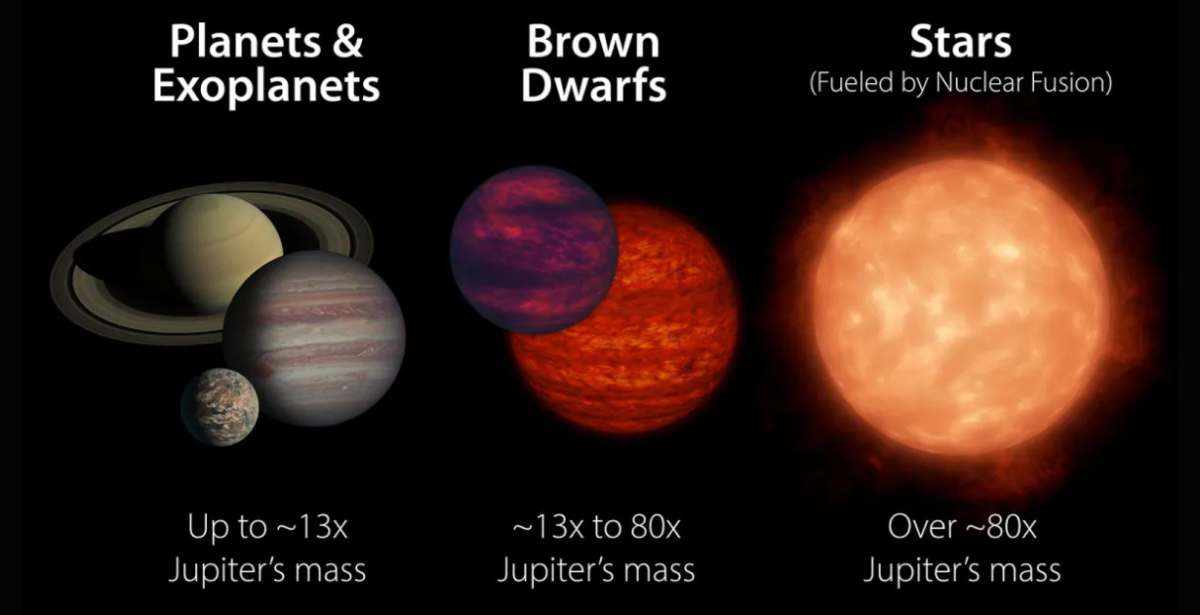
“TOI-201 c is unique because of its extremely long orbital period (~7.9 years) and its location in a system with two interior planets,” said Mireles. “Most known transiting brown dwarfs orbit much closer to their stars." Professor Diana Dragomir, who is Mireles' advisor, added, “Since the mass of TOI-201 c is near the boundary separating massive planets from brown dwarfs, one mystery this system poses is whether this body formed like a planet or like a star.” A brown dwarf can be around 13 times heavier than Jupiter, yet it still isn’t massive enough to be considered a true star. This is because, unlike the Sun, it cannot sustain hydrogen fusion in its core, which is what allows stars to shine.
The researchers used four observational techniques to confirm that the TOI-201 system is dynamic/always changing. The first method was spectroscopy (radial velocities), which measured the star's wobble caused by orbiting planets and helped determine their masses. “We used multiple spectrographs in Chile: CORALIE, HARPS, and PFS. We also used archival data from the FEROS spectrograph in Chile and MINERVA-Australis in Australia,” explained Mireles. The second method was transit photometry, which measures the change in brightness of a star when a planet crosses in front of it. “Our contribution was enabled by having a telescope in Antarctica. Whilst the logistics involved are difficult, the telescope’s unique location and access to optimal astronomical conditions are key to studying exoplanetary systems with long orbital periods such as TOI-201,” said Professor Triaud at the University of Birmingham.
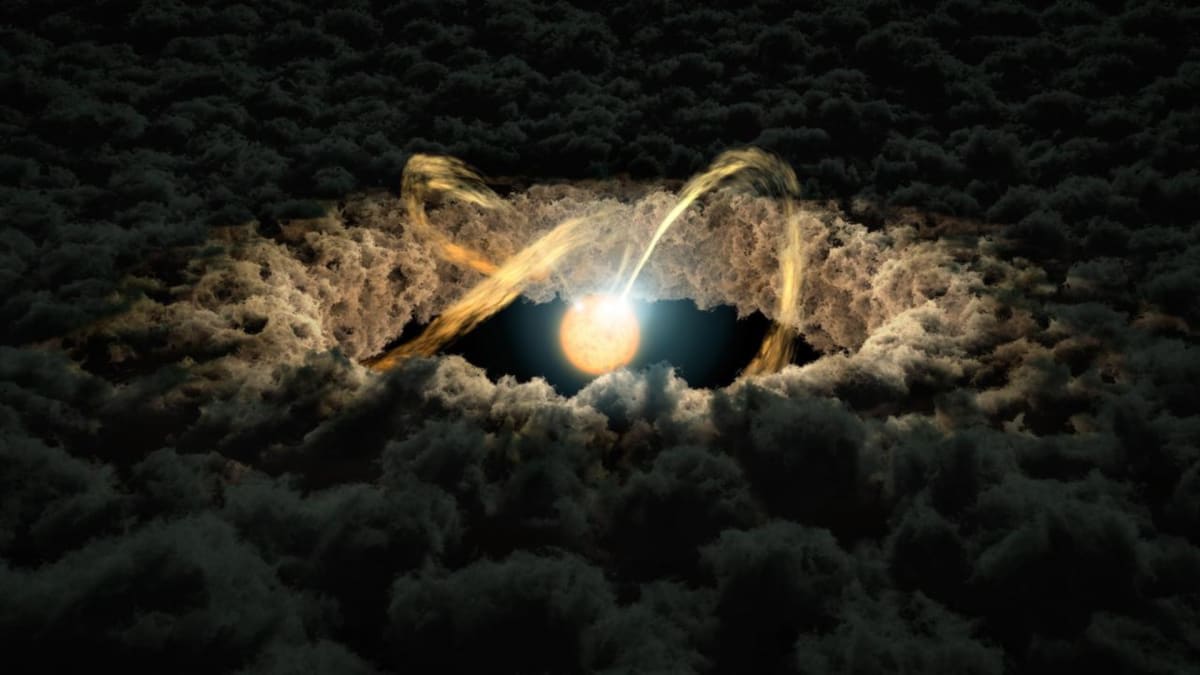
The third technique used was Transit Timing Variations (TTVs), which detects minuscule changes in the moments when a planet's transits happen, indicating the influence of another planet's gravity. Finally, the scientists went for astrometry, making use of the data from the Hipparcos and Gaia space missions to spot the slightest wobbles in the star’s position in the sky due to a hidden massive companion. “The planets' orbits are tilted relative to each other, and because of that, they're slowly pulling each other into new orientations,” said Mireles. “This was a surprise, because if planets are born in the plane of the protoplanetary disk that existed early in the life of the star, they are expected to have aligned orbits, like the planets in the Solar System. So the next question to answer for TOI-201 is how these three objects ended up with such tilted orbits,” added Dragomir.
The researchers predict that the next transit of TOI-201 c will take place on March 26, 2031, offering a rare chance for follow-up observations. They also think that the Super-Earth will stop transiting in 200 years, with the other two planets also following suit. However, this will be a temporary pause until the planets enter their transiting configurations again. “It was truly a multi-year, large team effort to study this system," said Mireles. "Every new transit observation from ASTEP and LCOGT and every new RV measurement gradually lifted the veil and helped uncover the three-dimensional architecture of the TOI 201 system. And this unique architecture is at the heart of the system’s previously unseen dynamical interactions.”
More on Starlust
New solar telescope uses sunspots to help detect distant exoplanets
An exoplanet discovered by ESA's CHEOPS is turning theories of planetary formation 'inside out'