Scientists create new 'hair-thin' shielding material to protect astronauts and spacecraft
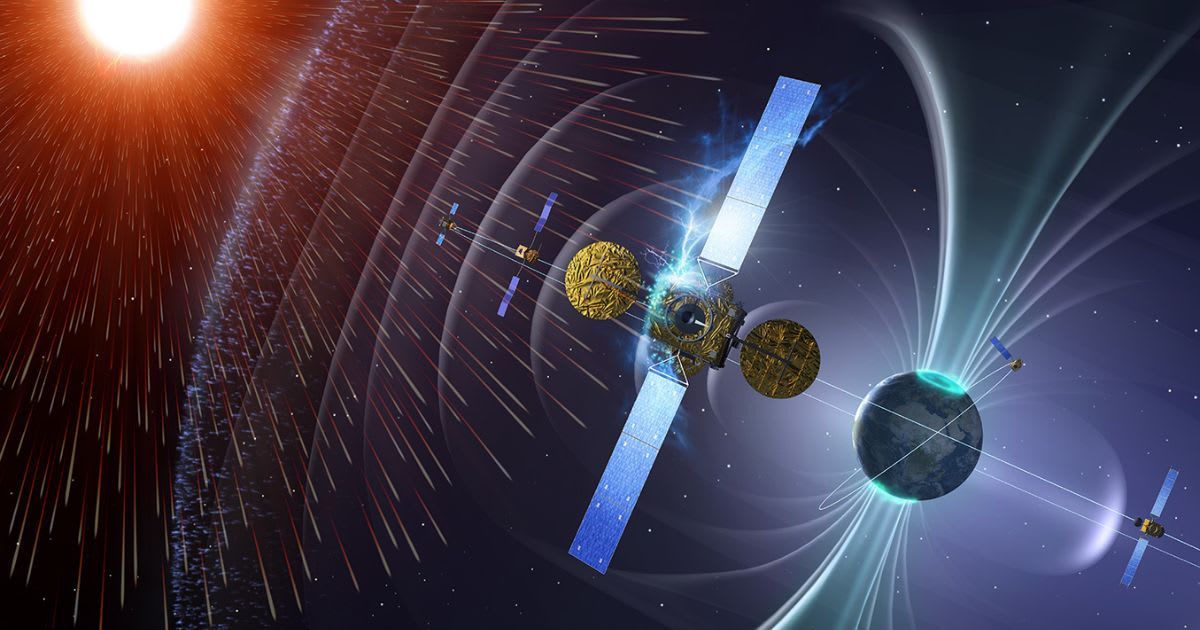
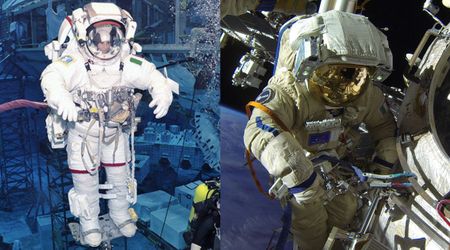
A new ultra-thin composite material has been developed by scientists in South Korea that can withstand powerful electromagnetic waves and radiation in space. This next-gen shielding material is thinner than a strand of human hair, and yet it is expected to be capable of protecting astronauts and spacecraft in extreme environments. The material is lightweight, flexible like rubber, and also 3D-printable, which makes it a great prospect for future space missions. The research was led by Dr. Joo Yong-ho at the Korea Institute of Science and Technology, and the findings of this study were published in the Advanced Materials journal.
"This material represents a completely new concept in shielding technology,” stated Dr. Yong-ho in a statement. “It is as thin as tape and as flexible as rubber, yet simultaneously blocks both electromagnetic waves and radiation," he added. These hazards can damage sensitive spacecraft systems that are responsible for managing communications or navigation. Radiation can also severely impact astronaut health if left unchecked. Moreover, the materials being used to shield a spacecraft need to be powerful but also light enough to be mission-ready.

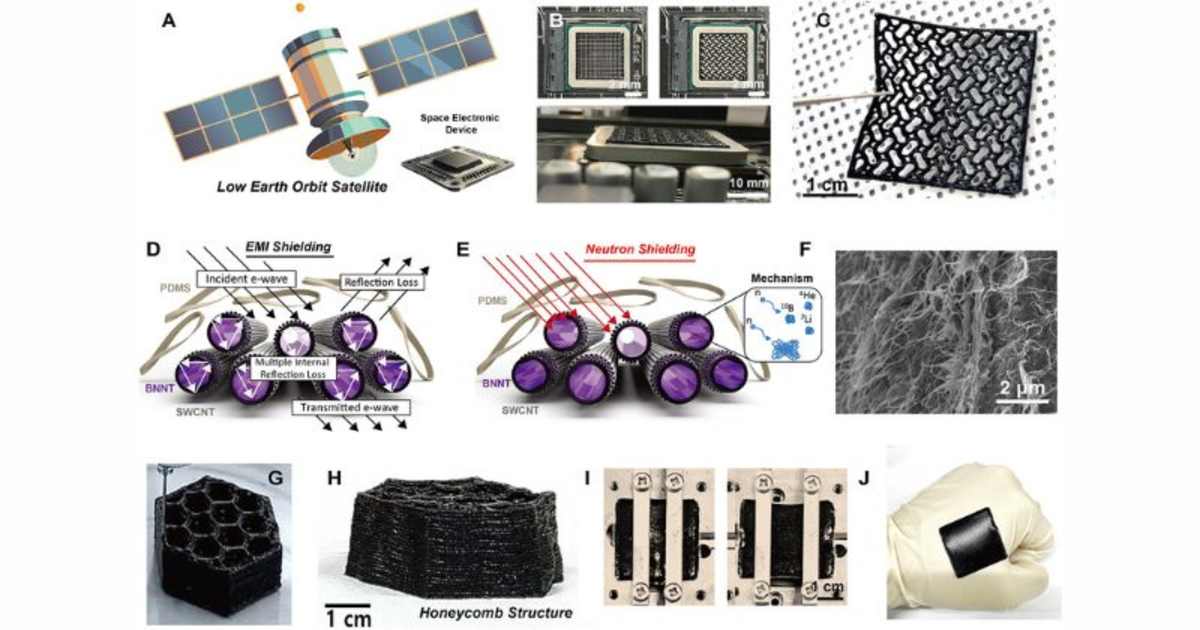
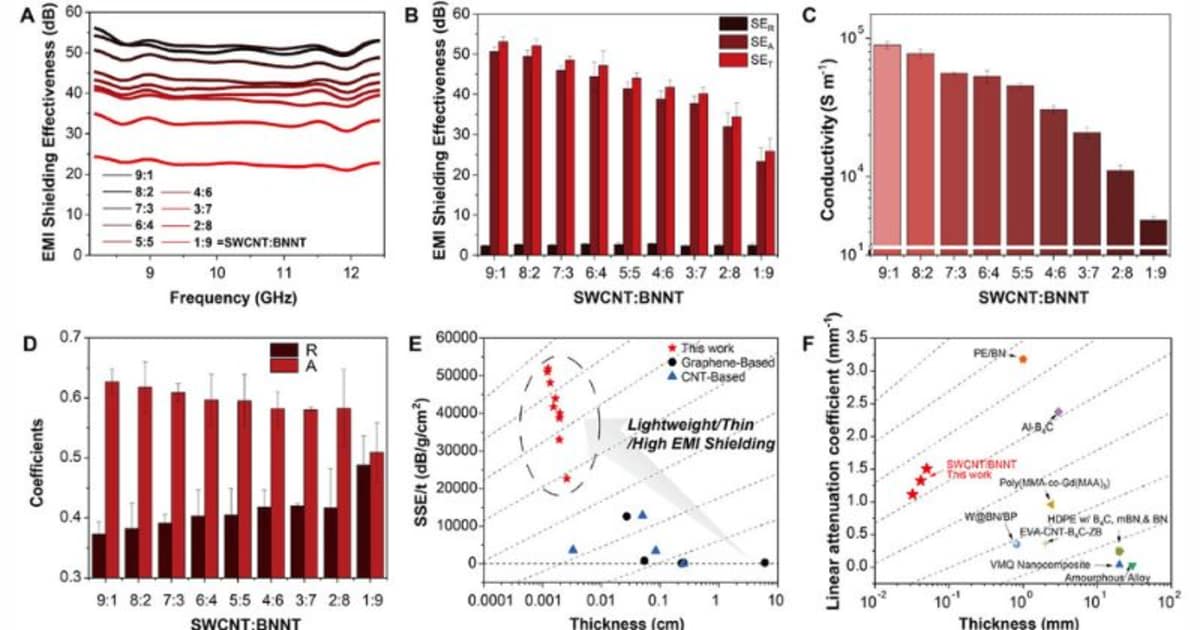
The new shielding solution combines two advanced nanotube materials. Carbon nanotubes (CNTs) are highly conductive, and they reflect and absorb electromagnetic waves. Boron nitride nanotubes (BNNTs) are also suitable for capturing neutron radiation. Together, these two materials naturally form a shell-like composite structure, allowing it to defend against both electromagnetic interference and neutron radiation in space simultaneously. According to test results, it was able to block out 99.999% of electromagnetic waves and reduced neutron radiation by about 72%.
The ultra-thin material also showed great elasticity, staying intact and effective even when stretched to more than twice its original length—almost as if rubber were to be used as a high-end protective shield. The hair-thin material isn’t just strong; it’s also built for extreme temperatures, having been tested across a huge temperature range of -196°C to 250°C. This makes it viable for enduring the extremes of temperature in deep space. The shielding material can also be 3D-printed into custom shapes like honeycomb geometries, which have been found to deliver up to 15% better protection than flat sheets of the same thickness.
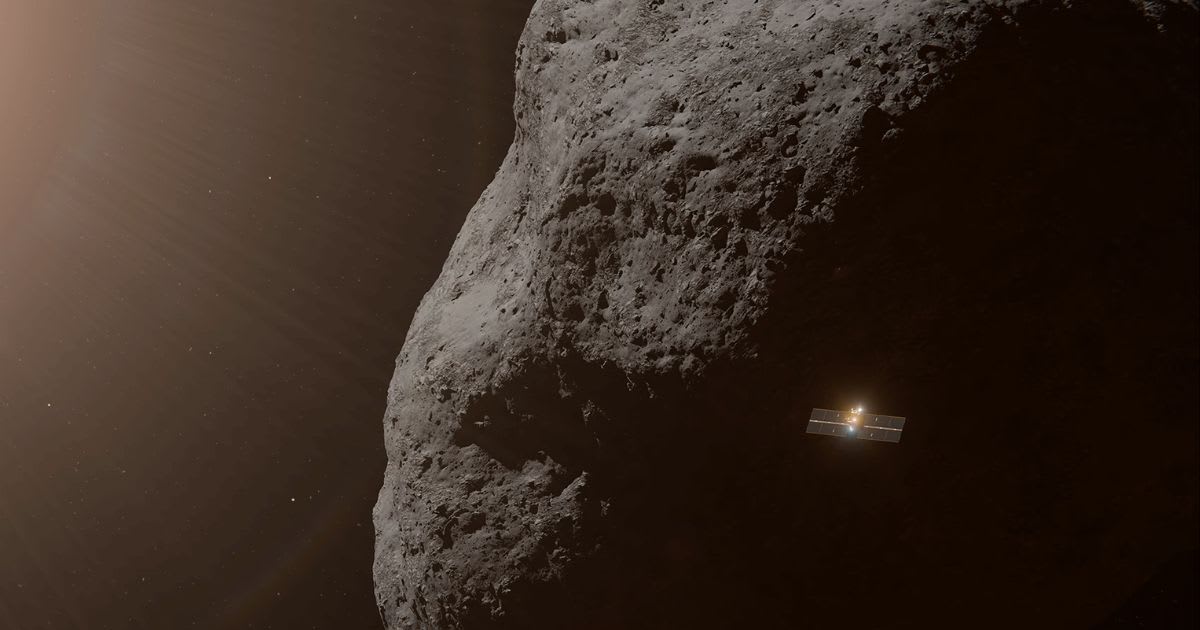
The advantage here is that engineers could build lightweight, mission-specific protective panels or housings for spacecraft. The material could prove to be a game changer for future missions to Mars or the Artemis program, being suited to protect surface habitats, rovers, and even asteroid mining equipment used for in-situ resource utilization (ISRU). "This technology is significant for securing the advanced materials and establishing the domestic production infrastructure necessary for realizing the space age,” explained Dr. Yong-ho. “We plan to further enhance its performance through structural design optimization and actively pursue its application in actual industrial settings." The material could see applications beyond space, such as shielding personnel and equipment from radiation in nuclear facilities.
More on Starlust
Europe may soon be getting a self-healing spacecraft
Scientists turn lunar dust from a threat into a building material for Moon bases