Scientists send microscopic worms to space to aid future Moon missions
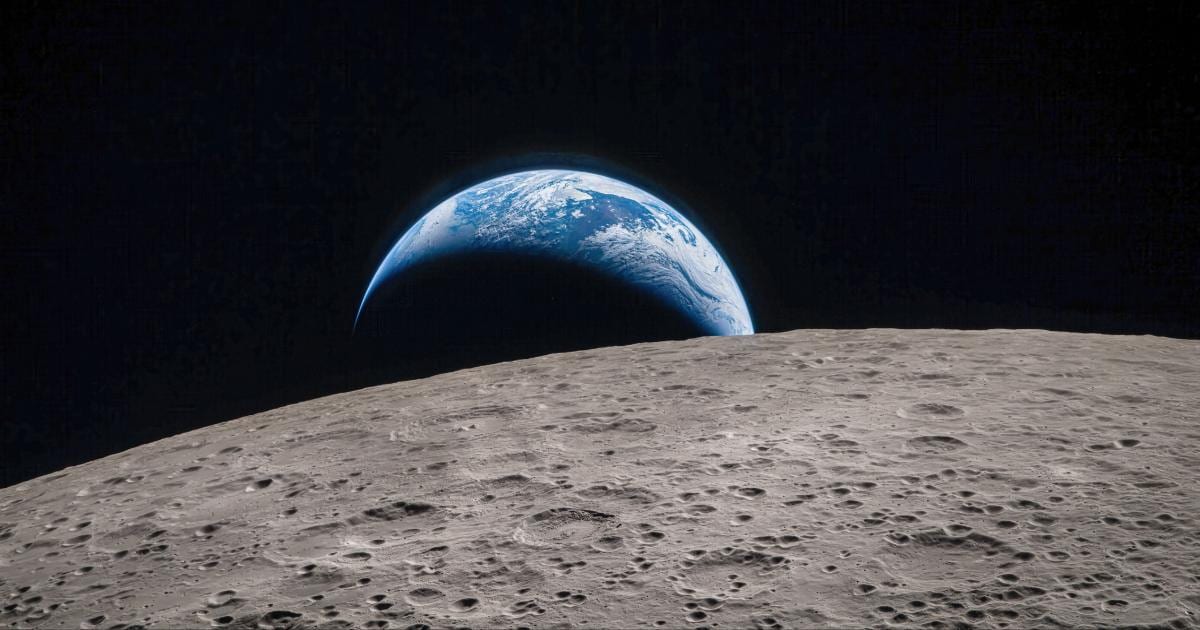
After the Artemis II mission, excitement to return to the Moon is palpable. But hazards of space radiation and long-term exposure to microgravity still loom large. How can we cope with such unpredictable risks? Help comes from unexpected quarters: microscopic worms. A British research team has dispatched a crew of worms to the International Space Station to assess how such tiny organisms change themselves in response to the harsh conditions of space. The team, which included researchers at the University of Exeter and the University of Leicester, has trapped the worms in a miniature space laboratory that will sustain these organisms during their sojourn at the ISS. The experiment, the researchers say, can give us some hints about what to expect when astronauts prepare to go to the Moon and even beyond.
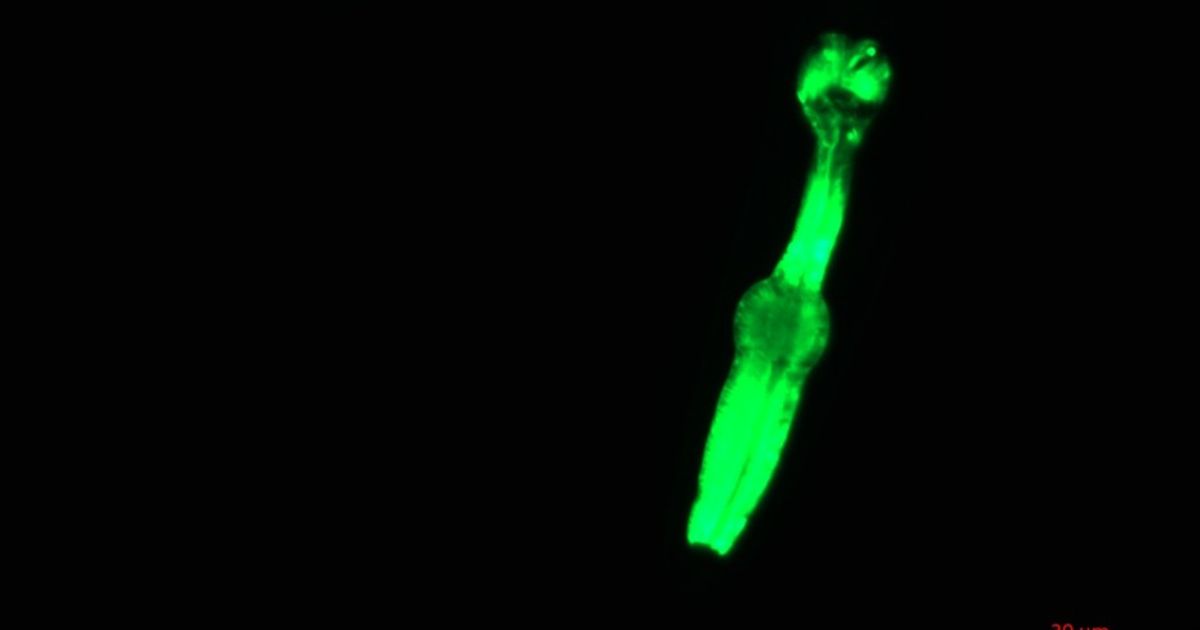
The worms, known as Caenorhabditis elegans, are widely used in scientific research and share many disease genes with humans. The scientists believe the project could help provide new insights into how biological systems change in space. Insights gleaned from such experiments provide leads on how astronauts can stay fit and healthy while travelling to and from the Moon. It will also be useful as NASA plans to build a base there. The experimental set-up was launched on NASA’s Northrop Grumman CRS-24 mission from the Kennedy Space Center in Florida. After arriving at the ISS, it was mounted on the outside of the station by a robotic arm. This will allow the researchers to conduct experiments, controlling the equipment remotely from Earth.

“NASA’s Artemis program marks a new era of human exploration, with astronauts set to live and work on the Moon for extended periods for the first time,” said Dr. Tim Etheridge at the University of Exeter Medical School in a statement. “To do that safely, we need to understand how the body responds to the extreme conditions of deep space.” “By studying how these worms survive and adapt in space, we can begin to identify the biological mechanisms that will ultimately help protect astronauts during long-duration missions – and bring us one step closer to humans living on the Moon,” Etheridge added.
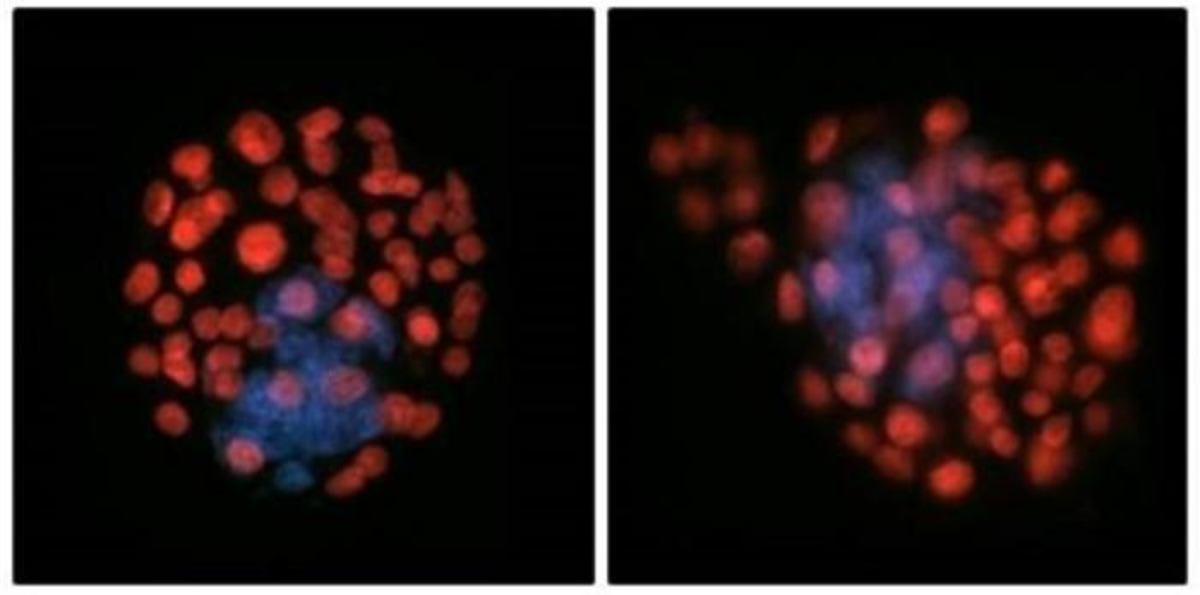
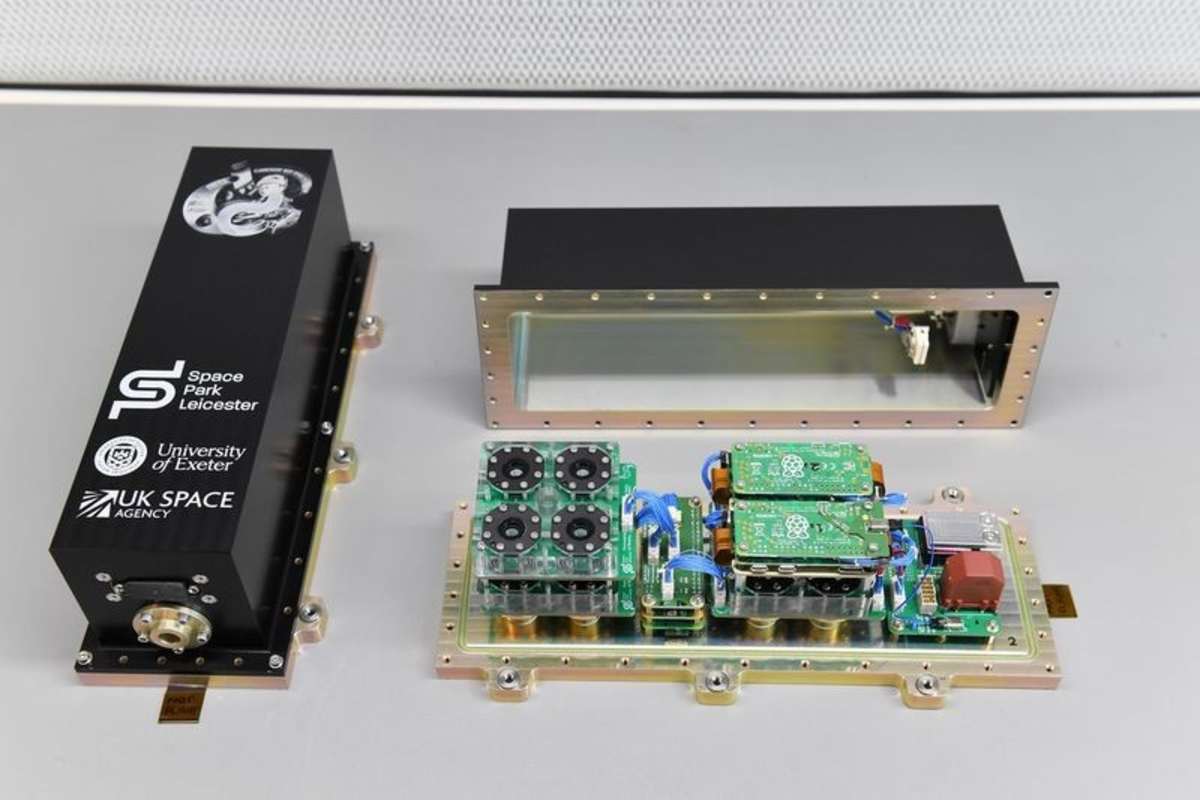
Funded by the UK Space Agency, the University of Leicester designed and built the hardware, and Voyager Space Technologies managed the mission and launch. The experiment, named the Petri Pod, is made of a unit that measures approximately 10x10x30cm and weighs 3kg. It contains 12 chambers, four of which can be actively imaged using fluorescent and white light imaging capabilities. Each chamber has a miniaturized ‘life support’ environment that maintains temperature, pressure and a trapped volume of air in which the worms can breathe when exposed to the vacuum of space. In addition, it contains food and water through an agar carrier.
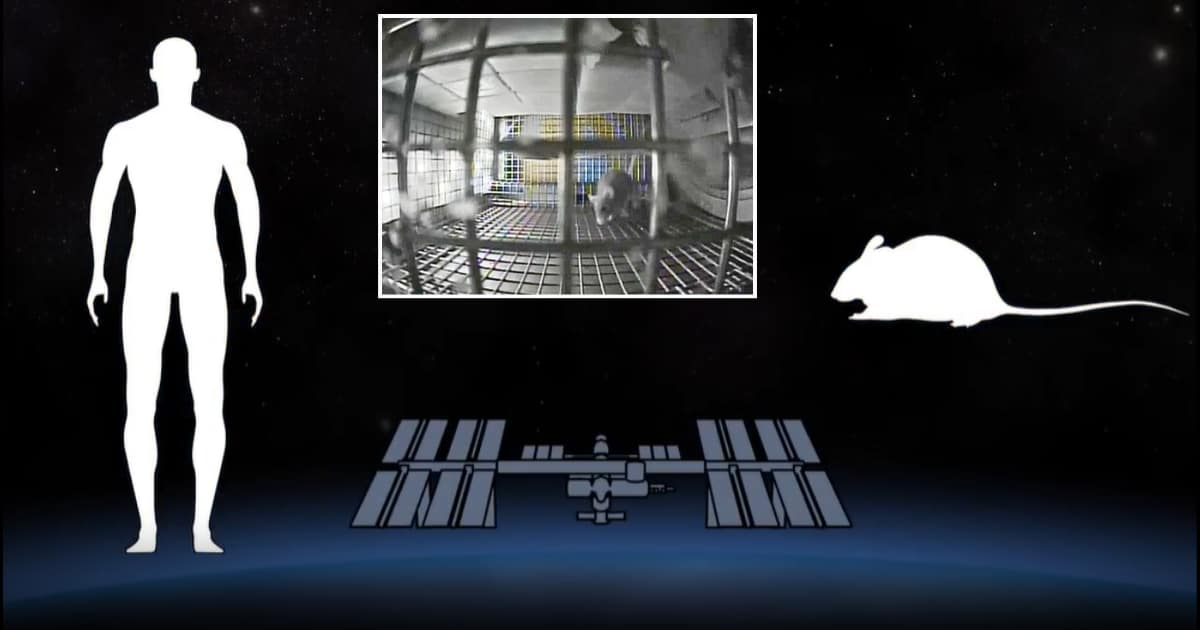
After spending time inside the ISS, the experiment will be exposed to vacuum, space radiation and microgravity on the outside of the station on an experimental platform. This outside experiment will last up to 15 weeks. Throughout the whole experiment, worms’ health will be monitored via photographic stills and time-lapse videos captured with tiny cameras and all data will be relayed to Earth. The researchers wait for the first images from the ISS, and they hope that the findings of the experiment will contribute to their understanding of the microgravity environment.
More on Starlust
Voyager becomes third company to be selected by NASA for private astronaut mission to ISS
Northrop Grumman’s Cygnus XL spacecraft arrives at ISS for CRS-24; crew unloads supplies