Scientists turn lunar dust from a threat into a building material for Moon bases
As astronauts prepare for long-term missions on the Moon, space agencies are asking a bold question: Can lunar soil itself become the foundation for building future Moon habitats? According to NASA, lunar regolith is not ordinary soil. It is made of fine, sharp rock particles created by constant meteorite impacts. With no atmosphere or water to soften it, the dust remains highly abrasive and can damage equipment and surfaces. A collaborative study by Iowa State University and Rice University explores a surprising shift in perspective, turning this hazardous dust from a construction challenge into a potential building resource. “This work started with a simple but powerful question,” Yavas said to EurekAlert. “Lunar dust is typically viewed as a major obstacle for exploration because of how abrasive and pervasive it is. We asked whether that same material could instead be used as a resource — something that could actually improve the performance of structural materials.”
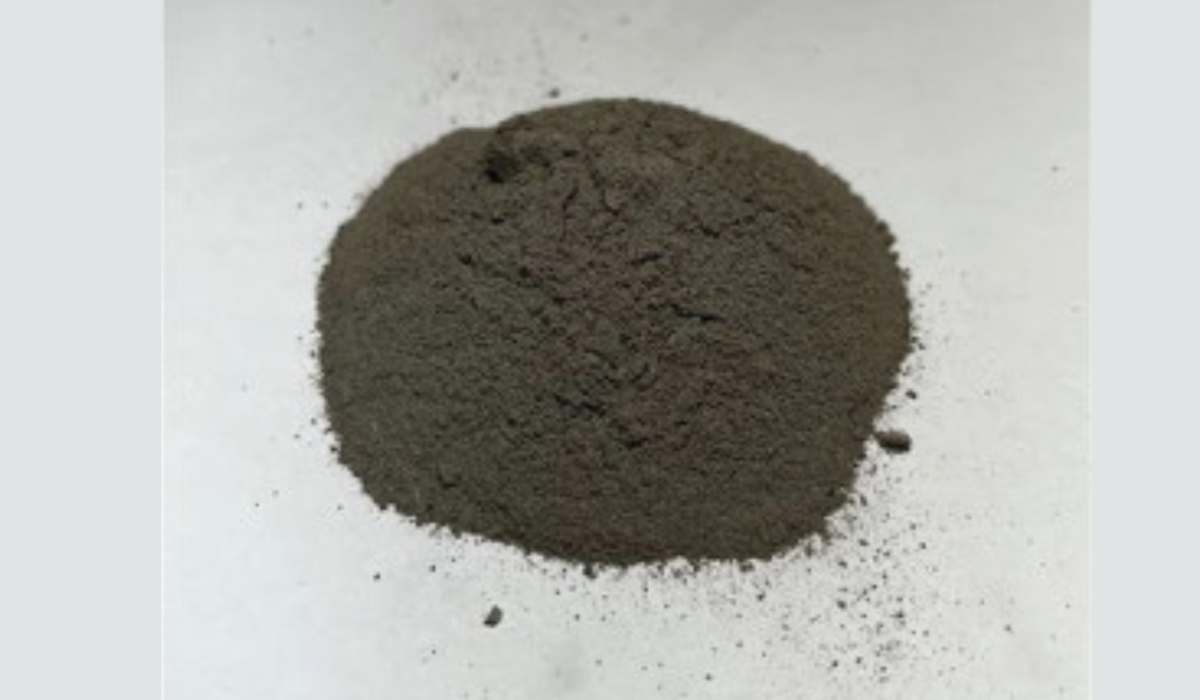
Led by Rice University assistant professor Denizhan Yavas, the study tested lunar dust simulant as a reinforcement material for advanced composites used in aerospace engineering. According to the abstract, the high cost of transporting materials to space makes in-situ resource utilisation (ISRU), using local lunar materials, a necessity. The researchers used a lunar soil simulant called BP-1 (Black Point-1) as a filler in fibre-reinforced polymer composites. Small amounts of BP-1 (1–10% by weight) were mixed into the composite material and tested for strength and durability. The results showed significant improvements: up to 30–40% higher interlayer strength and about 15% better impact resistance, without weakening the original material. The fine moon samples helped block cracks from spreading, making the material both stronger and lighter. "Instead of only trying to keep lunar dust away, we began to think about how to use it. That led us to this concept of embedding it directly into composite systems as reinforcement," Yavas said.
Earlier research had focused on developing coatings to repel lunar dust due to its damaging nature. However, the team began exploring a different approach; rather than avoiding the dust, they investigated whether it could be used as part of the material itself. This led to the idea of embedding lunar dust directly into composite structures to enhance their performance. These lightweight, high-strength composites could be used to develop lunar habitats and moon bases, radiation shielding and protective barriers, and surface infrastructure for human missions. The study also addresses one of the biggest constraints of space exploration - cost and logistics. By utilising the self-sustaining space ecosystem and moon-grown resources, the researchers aim to improve mission feasibility and scalability. "Our long-term vision is to design materials that are not only high performing but also deeply integrated with the environment in which they are built. For the moon, that means leveraging lunar regolith as much as possible to create resilient, scalable infrastructure," said Yavas.
More on Starlust
Moon dust brought back 50 years ago is now revealing how the Sun changes the lunar surface
Half-century-old Apollo 17 moon sample uncovers new clues to the origin of a lunar landslide