Powerful X-class solar flare not a concern for Artemis II launch on April 1, confirms NASA
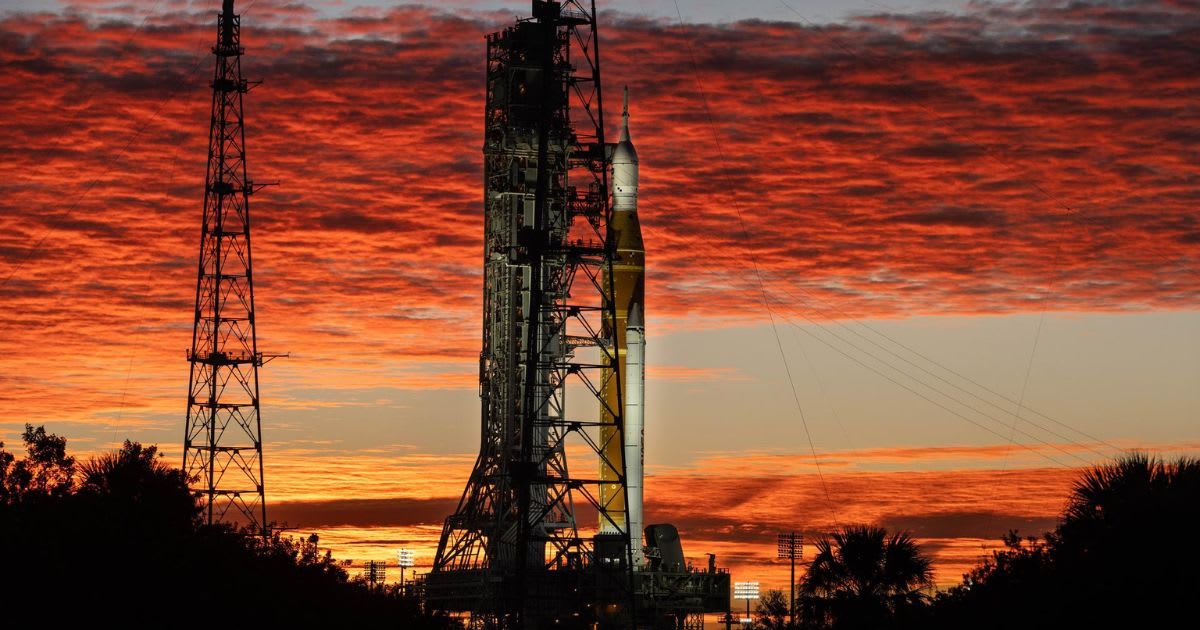
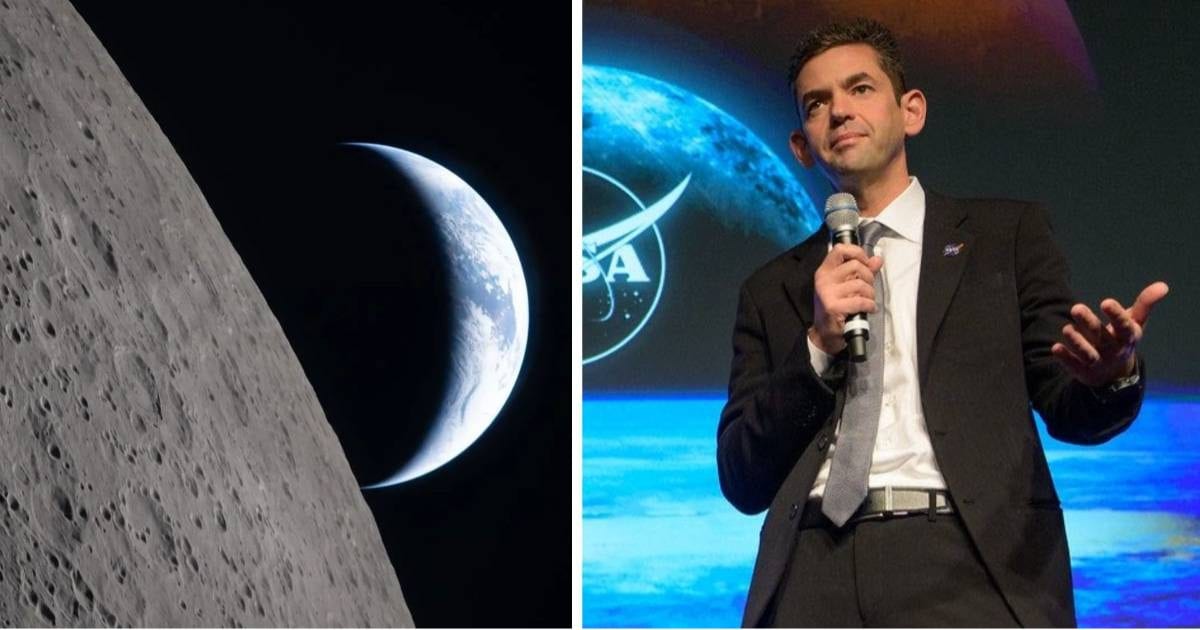
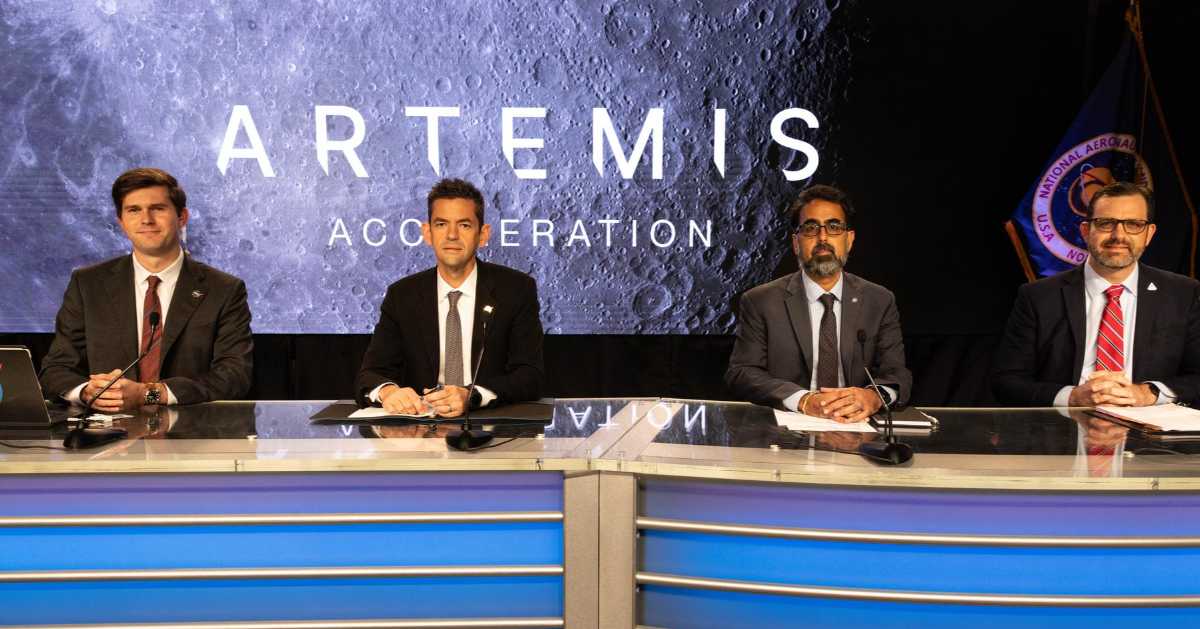
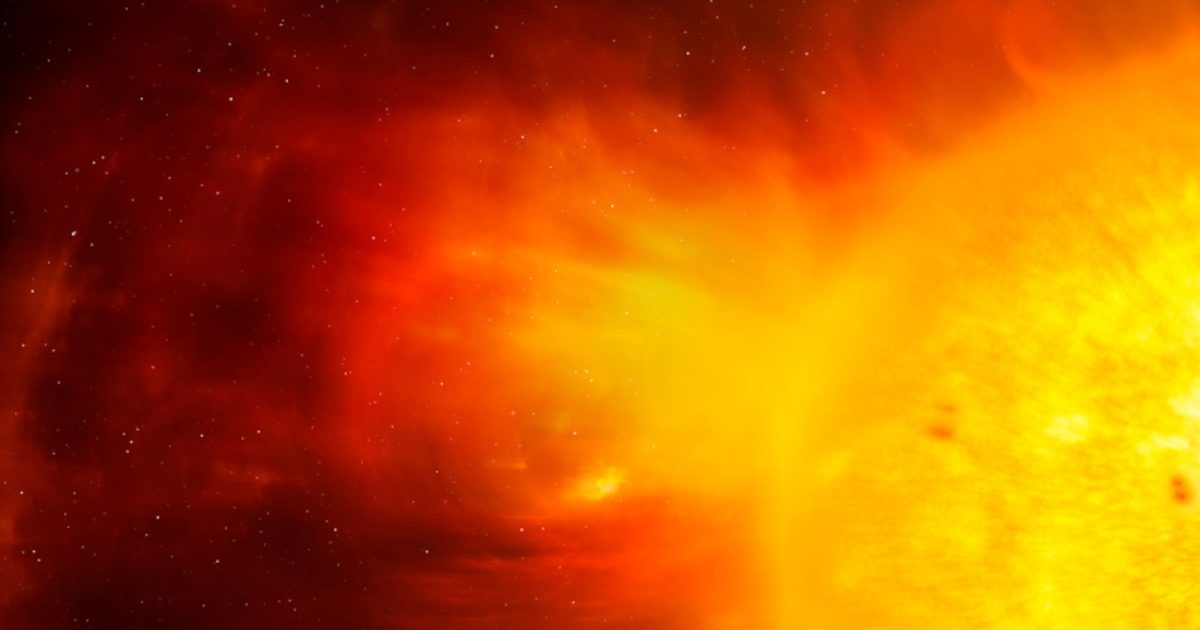
Just days before the Artemis II launch, at 11:19 p.m. EDT on Sunday (March 29), a major solar flare erupted and launched a coronal mass ejection (CME) toward Earth, becoming a cause for concern. However, NASA confirmed during the L-2 Countdown Status News Conference on Monday that it poses no threat to the mission despite being a powerful X1.4-class flare. "We're not expecting the CME to cause any effects," said Amit Kshatriya, NASA's Associate Administrator. “It should dissipate by the 31st in the evening. So we're not tracking concerns for the mission in general.”
The Sun emitted a strong solar flare on March 29, peaking at 11:19 p.m. ET. NASA’s Solar Dynamics Observatory captured an image of the event, which was classified as X1.4: https://t.co/Bi9UxXaSAi pic.twitter.com/HZxUWvxT6W
— NASA Space Alerts (@NASASpaceAlerts) March 30, 2026
With this assessment, among other things, NASA’s mission management team has given a formal “go” for the launch attempt after a final L-2 mission management review. The SLS rocket carrying the Orion spacecraft and its crew of four astronauts is expected to lift off at 6:24 p.m. EDT on April 1, as scheduled. According to Kshatriya, the solar flare is expected to be only a minor G2-level disturbance in the Southern Hemisphere. Regardless, NASA will continue to monitor solar activity in real time using their network of teams and state-of-the-art instruments.
“We have some of the best teams in the world, both at Goddard and at NOAA, that are watching those things all the time,” explained Kshatriya. NASA monitors solar activity through teams like the Space Radiation Analysis Group (SRAG), which reports directly to mission control, and NOAA space weather forecasting teams. Kshatriya added, “We can quickly triangulate the direction of any mass ejection and see if it's going to impact the mission.”
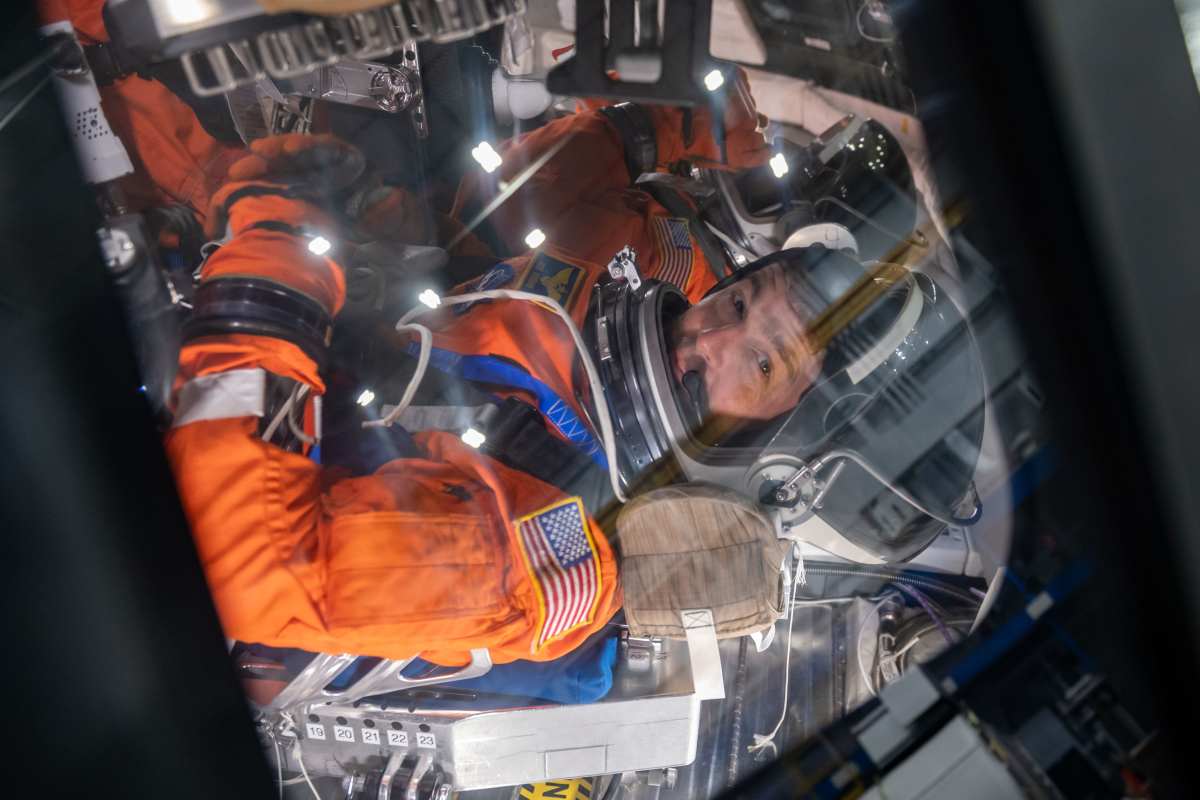
NASA also has launch commitment criteria for space weather—just like any other weather condition—enforced until T-6 minutes. And even if a solar flare or storm hits Orion during the course of this 10-day lunar flyby mission, Artemis II has built-in procedures to protect the astronauts from radiation. “One of our test objectives is actually to set up the radiation shelter,” said Artemis II Chief Flight Director Emily Nelson. “So we'll be doing that anyway even without a radiation event.” Essentially, in case of any such event, the crew can move into Orion’s designated radiation shelter area and remain there until ground teams say it’s safe to resume operations.
Artemis II astronauts will fly beyond Earth’s protective bubble, with only Orion as their shield. @NASA and @NOAA teams will monitor the Sun 24/7, turning solar weather data into real-time decisions that help keep the astronauts safe. Learn more: https://t.co/NOkGIgg89U pic.twitter.com/va9fPECN2h
— NASA Science (@NASAScience_) March 30, 2026
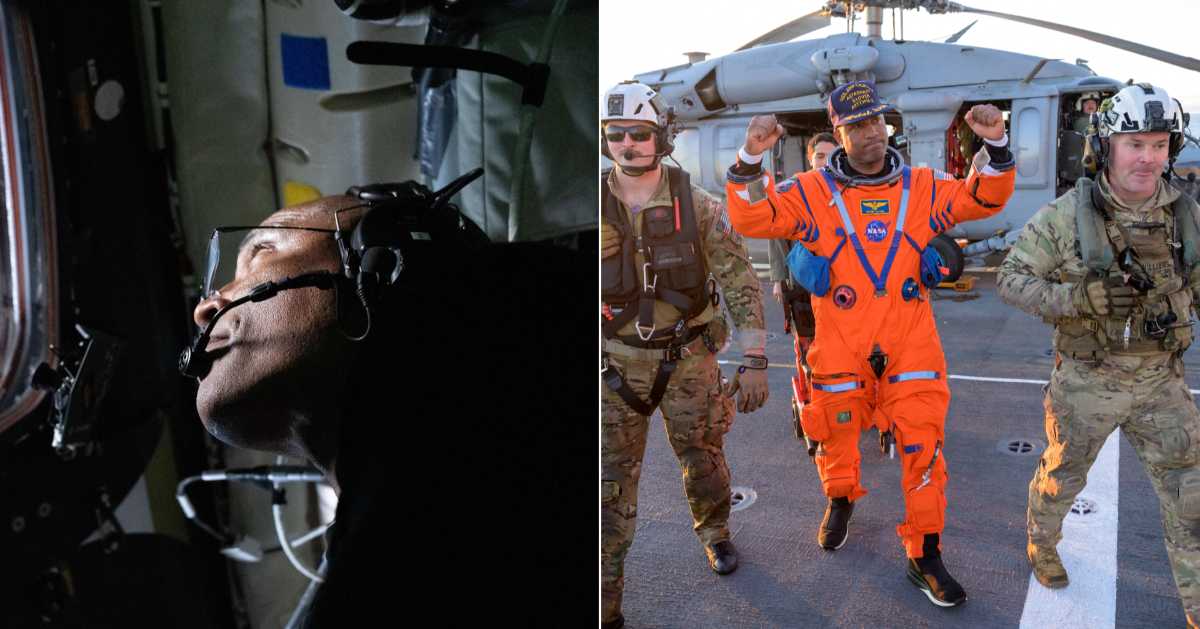
Artemis II marks the first time since 1972 that humans will fly to the vicinity of the Moon and the first crewed flight aboard the SLS rocket and the Orion spacecraft. So, factors like sudden solar radiation from CMEs will continue to be a cause for concern, despite the best possible support from on-ground teams across international space agencies as well as robust data from space telescopes and observatories. The safety of the Artemis II crew—commander Reid Wiseman, pilot Victor Glover, mission specialists Christina Koch and Jeremy Hansen—is crucial to the success of not just this mission but all crewed spaceflights in the coming years.
More on Starlust
Artemis II: NASA will monitor the Sun to protect the astronauts from dangerous radiation
Scientists create 3D map of the sun's magnetic interior to help improve predictions of solar flares