Artemis II commander Reid Wiseman shares update on crew stepping up preparations before launch
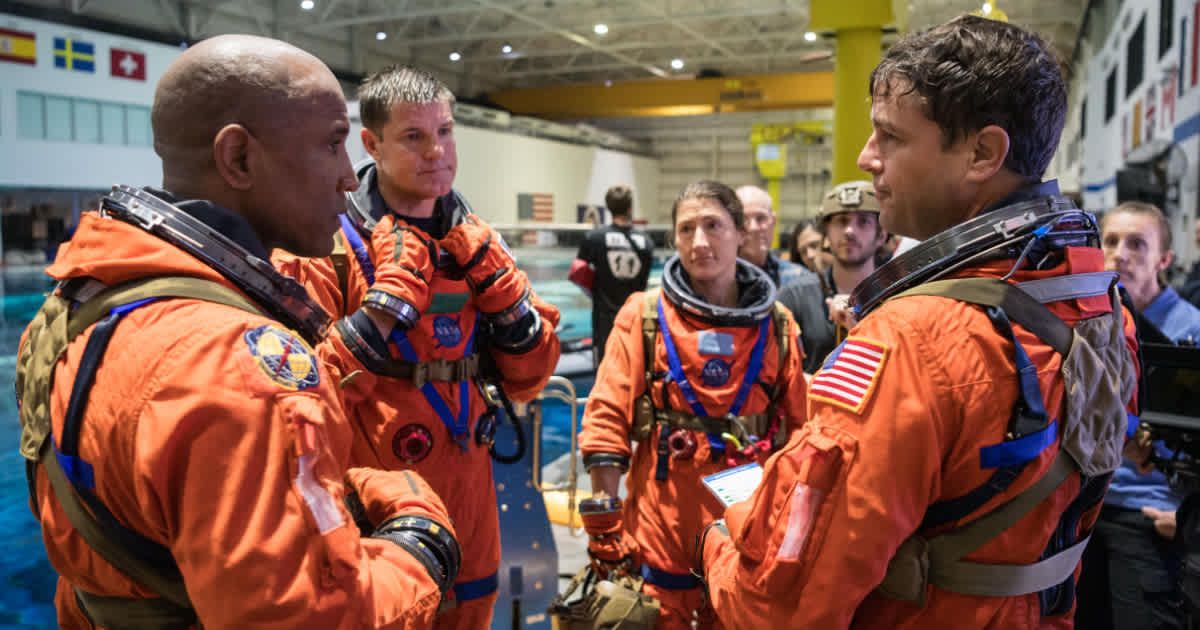
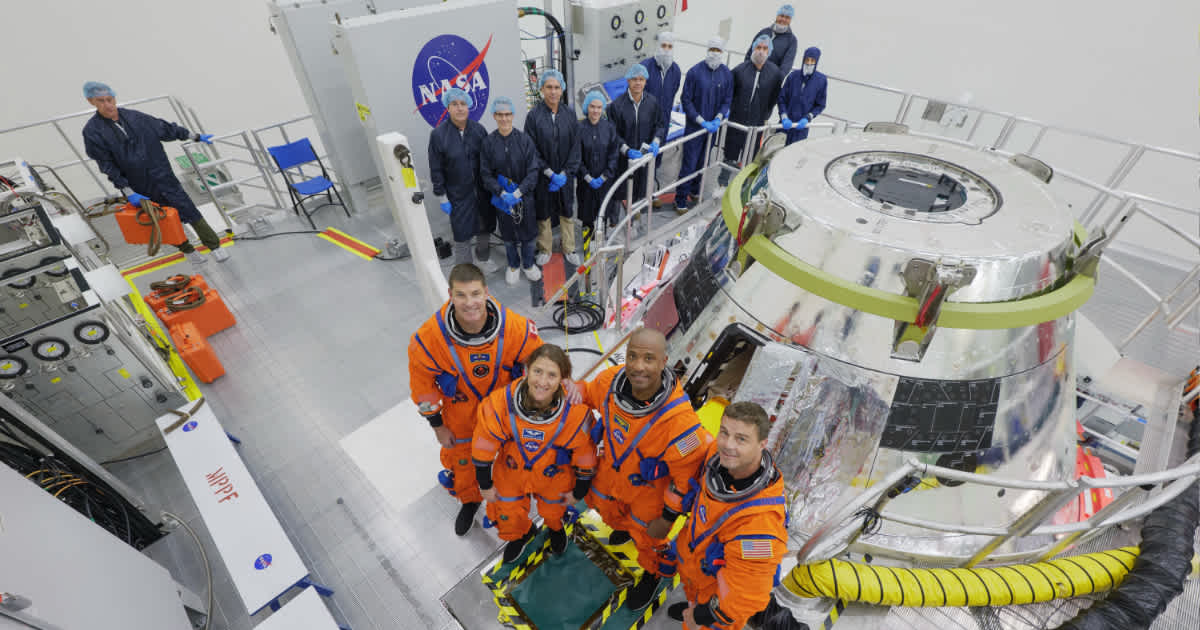
After a week of low activity for the crew of Artemis II, last week marked a substantial increase in their preparations. NASA astronaut and Artemis II commander Reid Wiseman shared his thoughts after a week’s work culminating on Friday, March 20, 2026. Speaking of this on his Instagram handle, Wiseman remarked, “The crew has been extremely busy this week after a pretty easy week last week." Early hours of Friday also saw the successful rollout of the Artemis II SLS rocket to launch pad 39B at Kennedy Space Center in Florida. Though mission managers had decided to move the rocket a day prior, Wiseman stated windy conditions in Cape Canaveral forced a later rollout from the Vehicle Assembly Building.
What the preparations entailed
Having entered the requisite fortnightly quarantine on March 18, 2026, the crew trained with what is known as a Mini Sim. This will help the crew safely return to Earth in the event that the mission cannot progress beyond low Earth orbit and the crew needs to re-enter the atmosphere. According to the post, this activity took place on the first day after the crew entered quarantine at the Johnson Space Center in Houston, Texas.
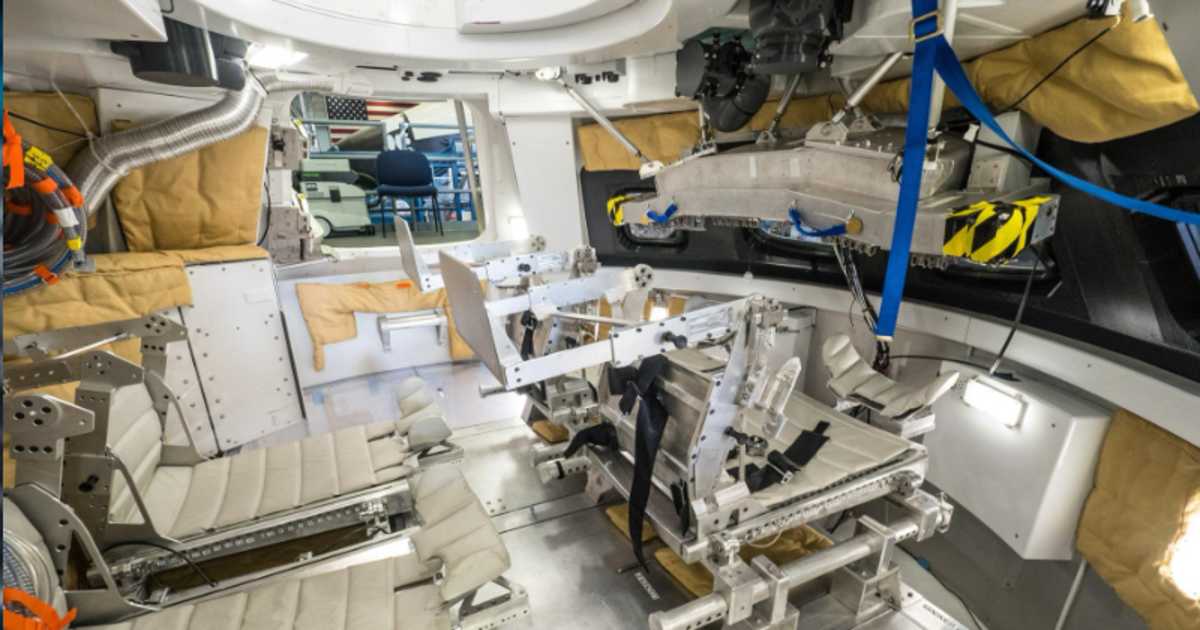
Because this mission as a whole is centered around testing Orion in deep space, most of the remaining training activities were done at JSC with Orion simulators there. Jacki Mahaffey, the chief training officer for the Artemis II crew, was quoted as saying, “The Artemis II mission is the first time we are putting a crew inside the Orion spacecraft. They will be checking out all of the life support on Orion, making sure that everything we plan to do in the Orion capsule is going to work really well so that the next missions, when we go land on the Moon, we can focus on all the new stuff." The training also meant relying on a large dome on which the environments outside Orion are projected to simulate flying through space. Problems are also deliberately introduced so as to test the astronauts’ ability to problem-solve on the fly.
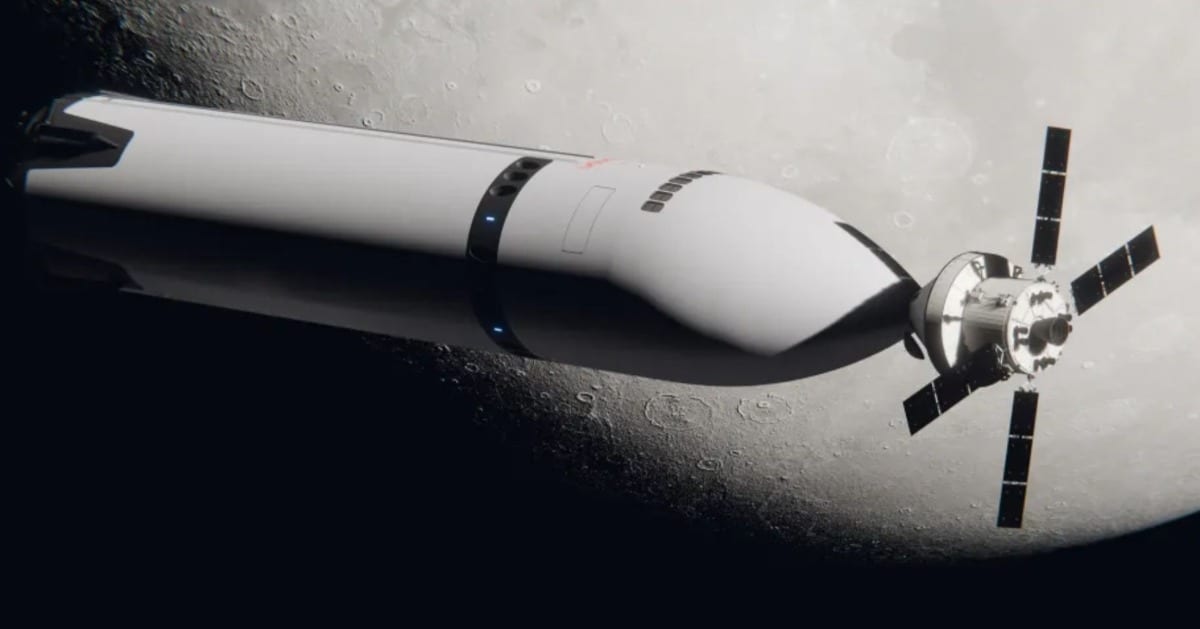
Next up, the crew also practiced the main objective of the mission, that is, a lunar flyby using a free return trajectory. Commander Wiseman was quoted as saying, “We were in the simulator most of the week; we did a lot of lunar flyby preparations looking at some of our trajectories for April, and practicing some new things that we’ll get an opportunity to see.”
The ‘new things’ that Wiseman referred to
Wiseman provided insights into the new cameras they will be using during the mission. For Artemis III, Nikon Z9 had been chosen, and so Wiseman mentioned the need to have this camera be a part of this mission as well. Additionally, a couple of Nikon D5’s are also going to be brought along by the crew, given its suitability for low-light conditions. This is something they’ll come across quite a bit when transitioning towards the dark side of the Moon.
A picture is worth a thousand words! 📸
— NASA Marshall (@NASA_Marshall) March 3, 2024
Teams at #NASAMarshall, along with Nikon Inc., are working on @NASA's next-generation camera that #Artemis astronauts will be able to use in the harsh lunar environment to capture photos.
LEARN MORE >> https://t.co/PNZ96gkzoG pic.twitter.com/u36HmK1oRk
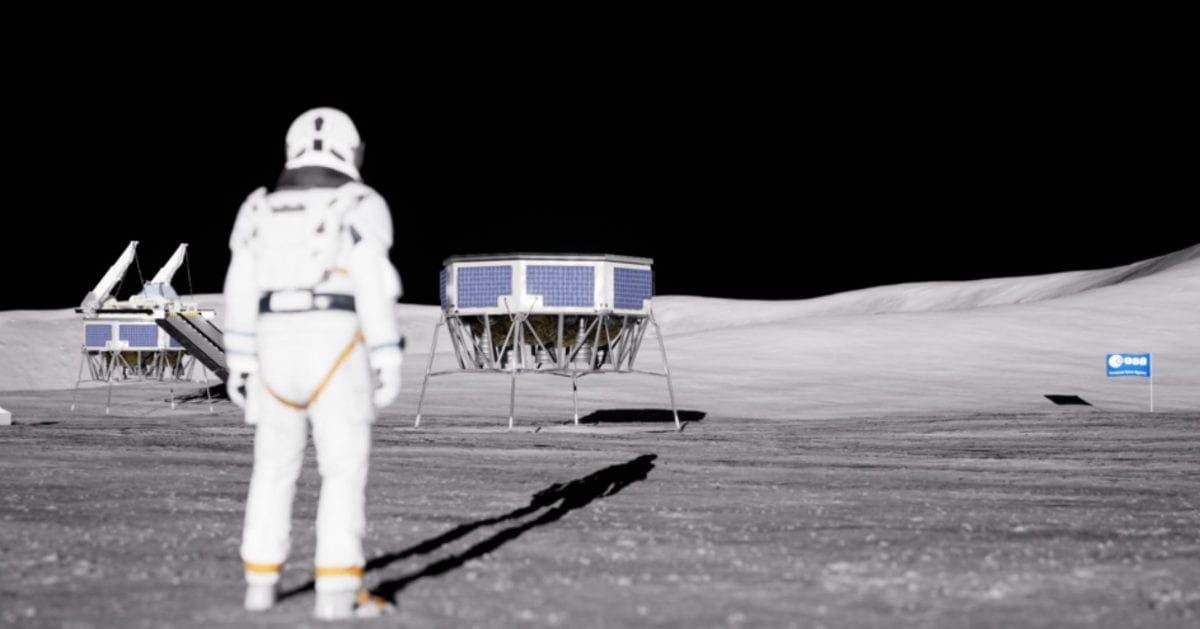
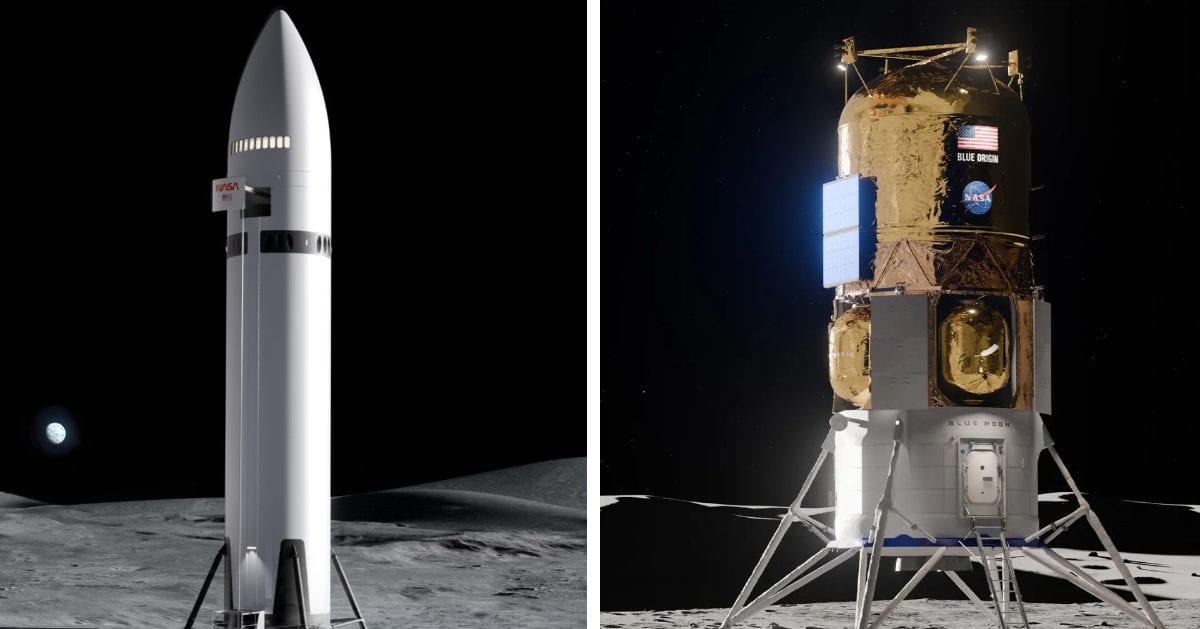
Artemis II is going to send the aforementioned crew beyond low Earth orbit for the first time since Apollo 17 did so in 1972. However, this time, NASA, along with its many commercial and international partners, aims to establish a more permanent presence, with Artemis IV’s lunar landing followed by plans for a lunar outpost, on both the surface and in lunar orbit.
More on Starlust
NASA's Artemis II and Crew-12 astronauts will be first to carry latest smartphones to space
All about Christina Koch, the first woman to fly around the Moon as part of Artemis II