NASA's Psyche mission is set to fly by Mars today—here's how you can keep track of it
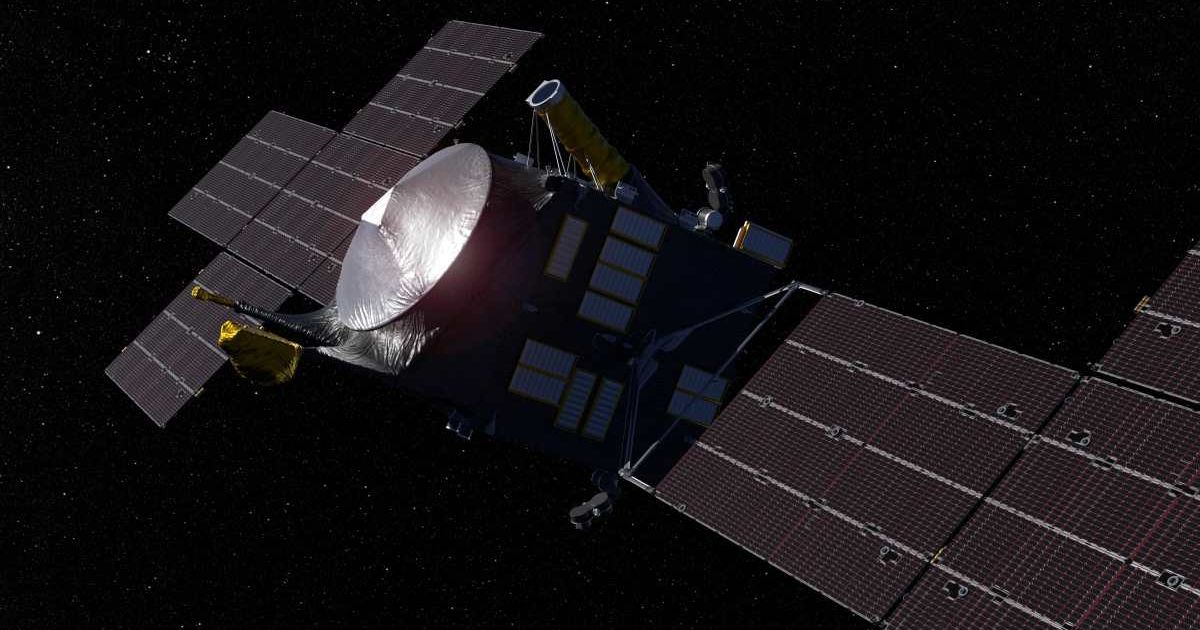
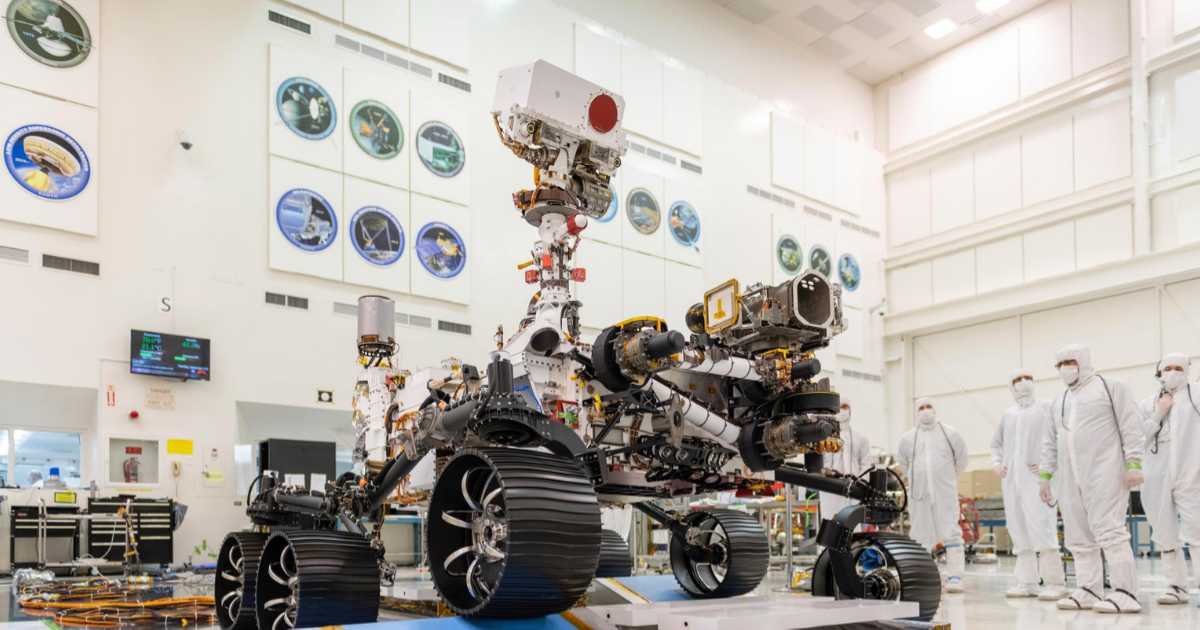
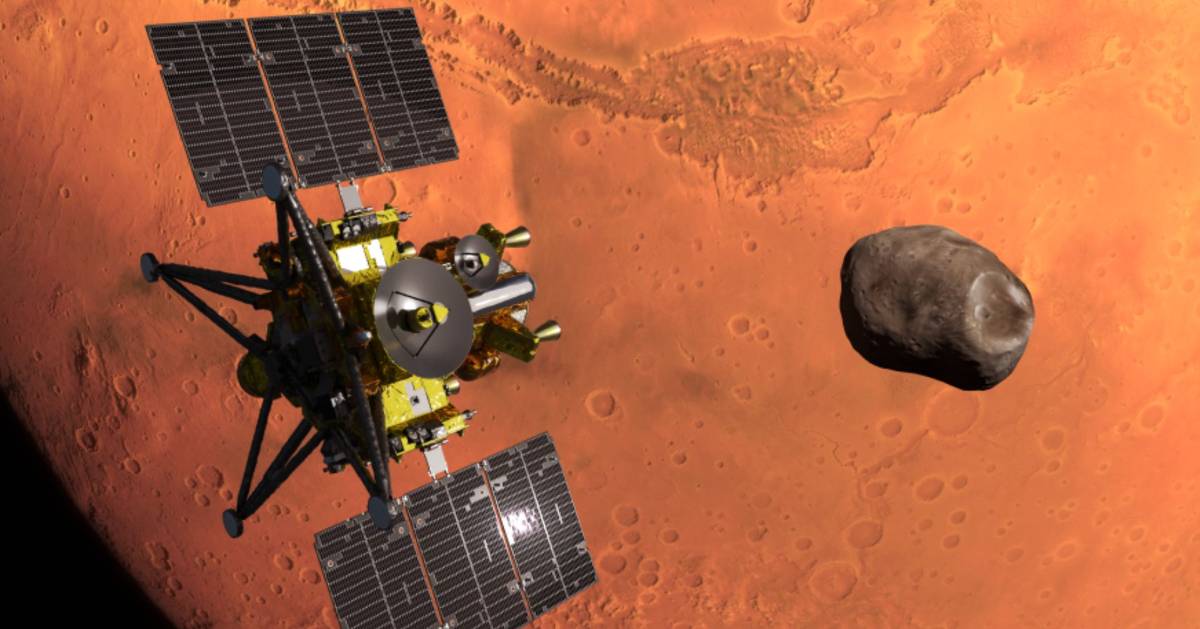
NASA's Psyche probe is about to reach one of the milestones of its overall mission, which is a flyby of Mars. At its closest, it will come within 3000 miles of the surface at 3:28 pm EDT on May 15, 2026. The imagers aboard the probe will be particularly active during the flyby, allowing it to gather unique visuals of the Red Planet. While the visuals captured will be available publicly when they arrive on Earth, the agency, for those who are interested, has made it possible to keep track of Psyche's whereabouts as it makes its way to the eponymous asteroid, 16 Psyche.

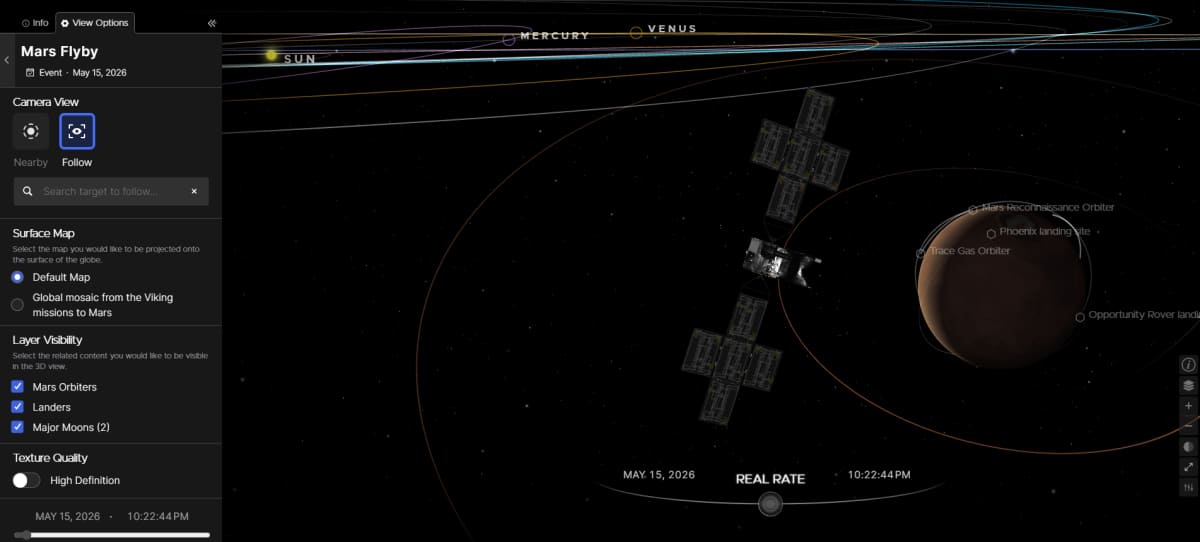
A website known as 'Eyes on the Solar System' has long allowed its visitors to track the locations and trajectories of several celestial bodies and satellites. Visitors to the website have several vantage points they can choose from when viewing Psyche, and one can drag the perspective as well so as to bring different parts of the background space into view. A whole host of options are available in a side panel, such as lighting options and zoom. NASA has now added a section about the Mars flyby as well, helping users understand the specifics of this particular event.
As stated earlier, the flyby, as exciting as it is, is essentially a means to an end. “We’ll get a gravity assist from Mars, and that will slingshot us, increasing our speed, more importantly, changing the plane of our orbit," said Psyche Mission Planning Lead Sarah Bairstow at the Jet Propulsion Laboratory. In what is known as a gravity assist maneuver, Psyche will use the gravity of Mars to boost itself on its way to 16 Psyche. This particular object orbiting between the paths of Jupiter and Mars has been of enormous scientific interest to astronomers. This is because the asteroid is rich in metals and happens to be the largest one of its kind in our solar system.
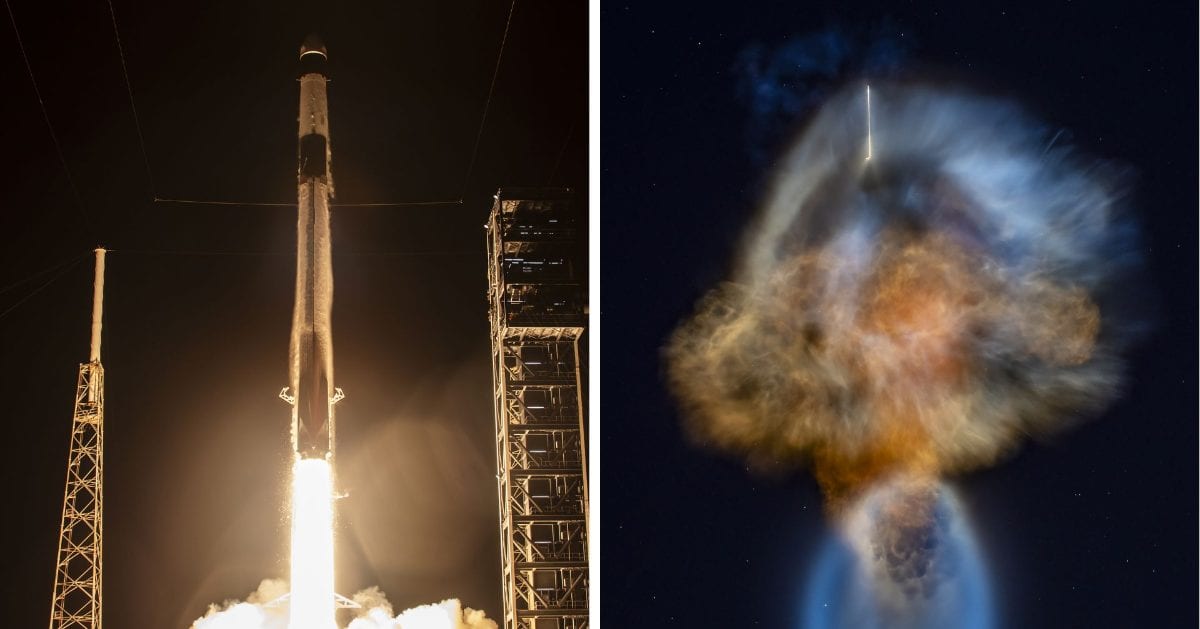
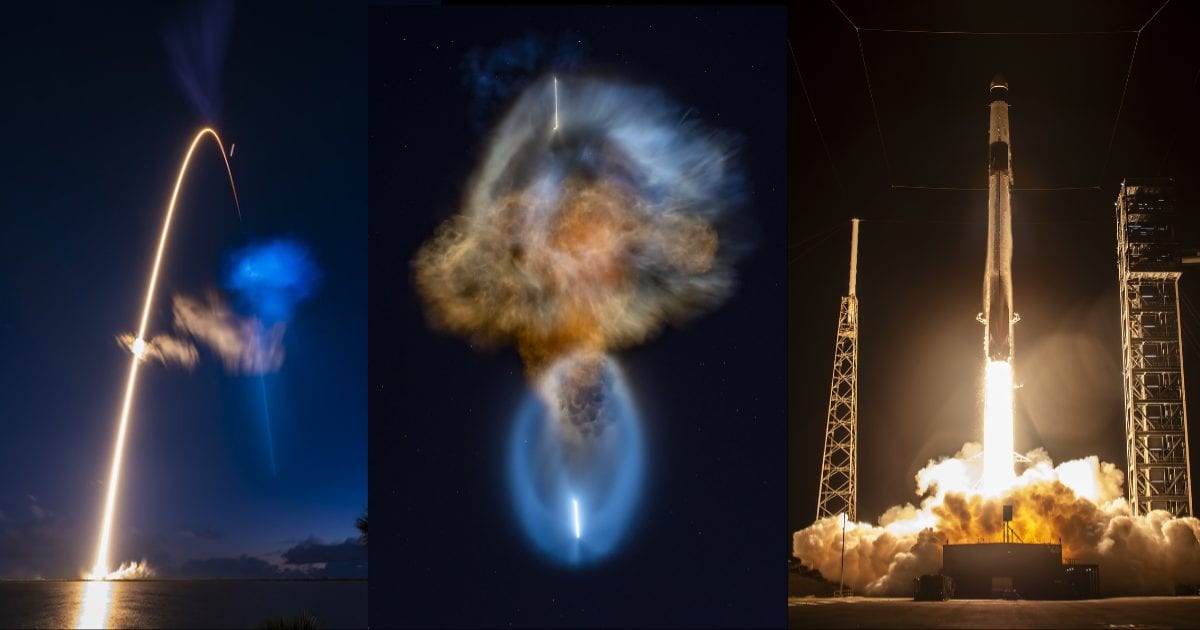
The mission, after being developed by JPL in California, launched from NASA Kennedy Space Center on October 13, 2023. After around 100 days, it entered the first of its cruise phases. It still required its thrusters to fire so as to catch up to Mars and did face some issues with its propulsion last year. However, these were later fixed. Its main propulsion system operates on a much more efficient fuel than traditional fuel. This is because the system is one of a few new propulsion methods being developed by NASA for deep space travel and utilizes ionization of xenon for generating thrust through deep space.
A rendezvous with 16 Psyche and subsequent analyses of its characteristics are an opportunity that scientists will treasure. This is because the asteroid is believed to be the remnant core of an early planetesimal, a building block of a rocky planet. If this turns out to be true, then the asteroid could potentially give scientists a glimpse of the interior of terrestrial planets, like our own Earth. After all, it is impossible to dig a hole to Earth's metal core or that of other rocky planets, so scientists need an analog to understand the violent history of collision and accumulation of matter that created planets like our own.
More on Starlust
A visit to an asteroid could be cheaper than trips to the Moon, claims new study
First commercial asteroid mining could happen 'within years, not decades.' But is space law ready?