NASA-SpaceX's 34th resupply mission to ISS to launch today: All you need to know about it
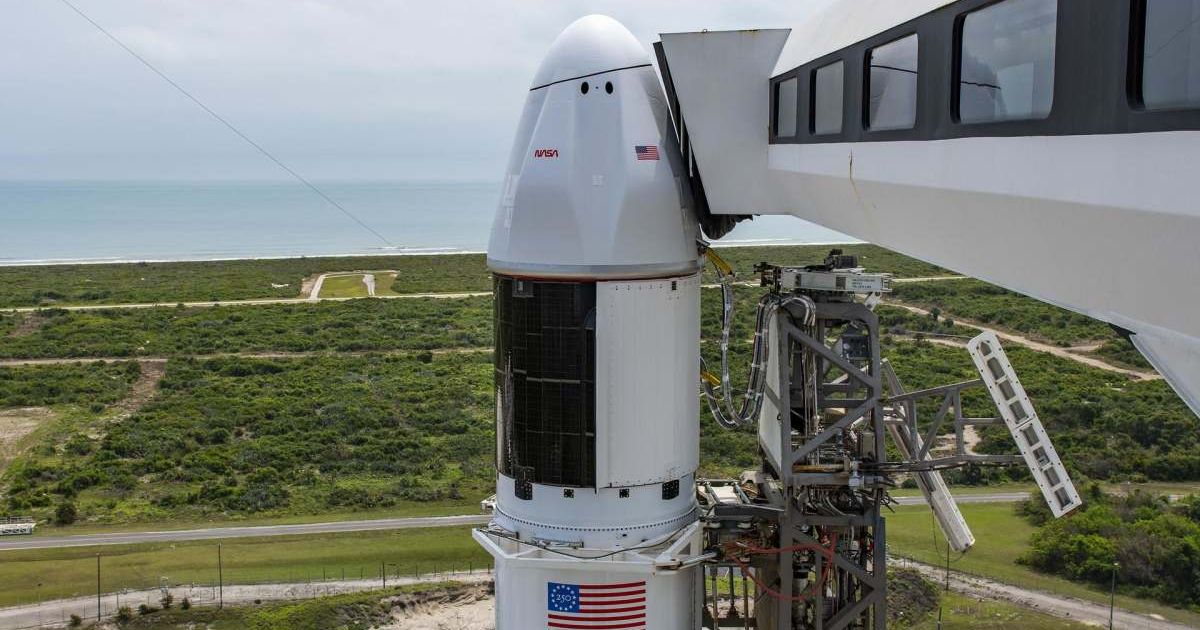
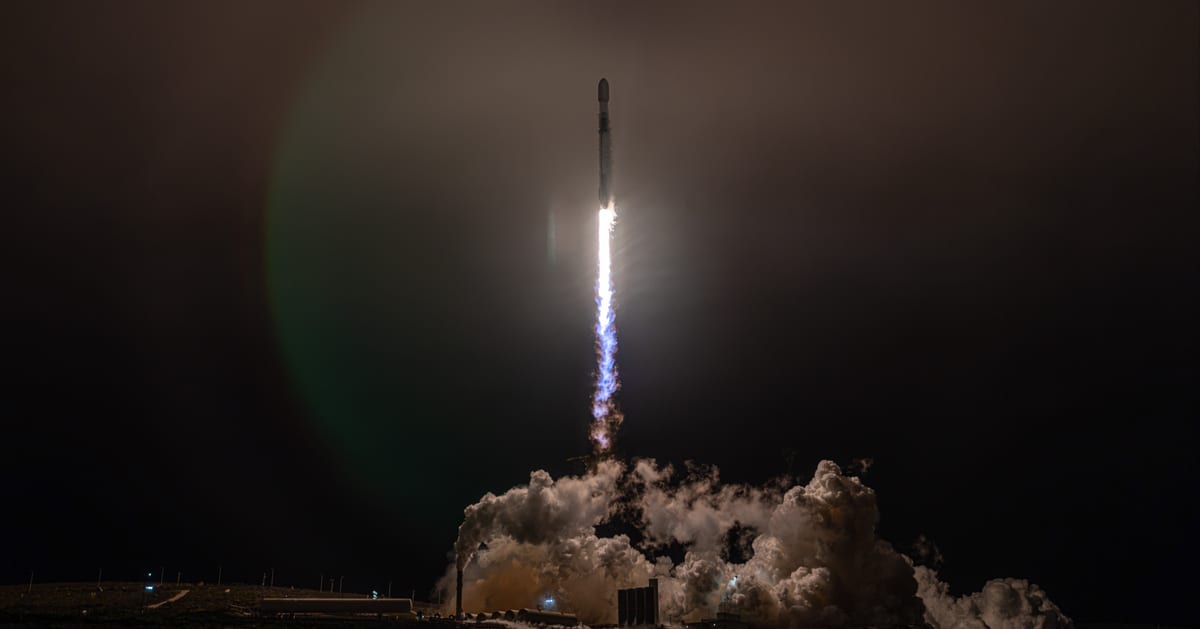
The 34th Commercial Resupply Services mission to the International Space Station (ISS) by SpaceX is slated to launch today at 6:05 pm EDT, according to NASA. 6,500 pounds of cargo have been stowed inside the company's Dragon spacecraft, which will be launched on top of a Falcon 9 rocket from Space Launch Complex 40 at the Cape Canaveral Space Force Station in Florida. Once in space, the spacecraft will orbit the Earth for roughly a day and a half before docking with the forward port of the Harmony module on board the ISS at about 7 am on May 17, 2026.
Teams stood down from today’s launch opportunity due to inclement weather. We're now targeting no earlier than 6:05 p.m. EDT Friday, May 15, for the launch. Details: https://t.co/PdzUds6lDN pic.twitter.com/SwFIn3DFrO
— NASA (@NASA) May 13, 2026

The launch opportunity for SpaceX CRS-34 had earlier presented itself at 6:50 pm EDT on May 13 as well, following a weather-related scrubbing on May 12. However, due to forecasted inclement weather conditions, with anvil clouds surrounding the Cape, mission controllers decided to stand down and forgo Wednesday's launch. This meant the cargo inside Dragon needed to be refreshed, which carries food and other consumables. Science equipment will also be carried to the orbiting laboratory, enabling the seven crew members of Expedition 74 to continue their microgravity research. The Dragon capsule being used for this mission will return a slew of time-sensitive research, as well as hardware not needed by the station inhabitants. After spending about a month docked to the ISS, it is scheduled to splash down off the coast of California in the middle of June.
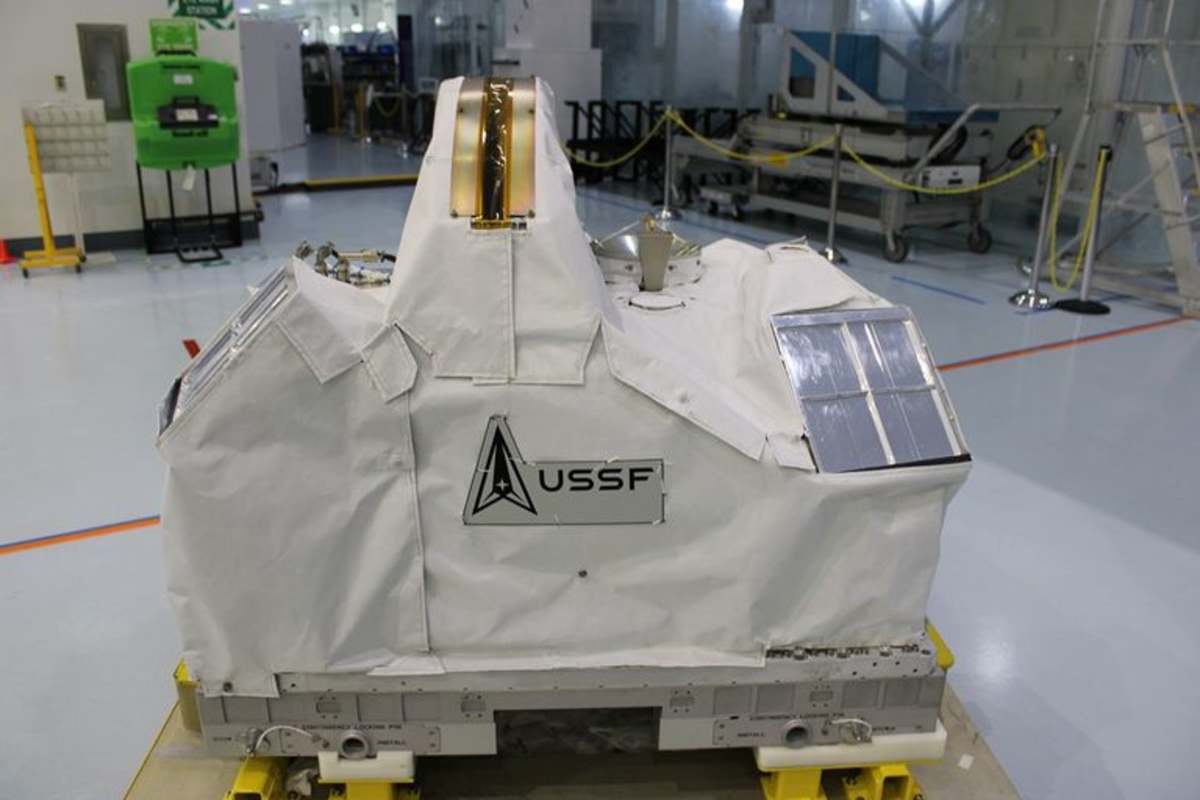
One of the key pieces of instrumentation being carried by CRS-34's Dragon is the Space Test Program-Houston 11-Storm Time O+ Ring Current Imaging Evolution, or STORIE (STP-H11). A few days after its arrival, it will be installed outside the space outpost. This particular mission has been conceived jointly by NASA and the US Space Force. What it is designed for is to give scientists answers to long-standing questions about the ring current that contains lower-energy particles than those found in the Van Allen belts, which it overlaps. STORIE will also help protect Earthlings against the dangers posed by space weather events, such as the impact on power grids. Other science experiments part of CRS-34's cargo, such as the Laplace investigation, will help scientists understand the fundamentals of how planets form. Biomedical research is also being carried out on the mission, all of which will lend itself to improved treatments back on Earth.

At the moment, the crew is focused on other areas of research, such as botany and space agriculture. On Thursday, SpaceX Crew-12 Commander Jessica Meir carried out tasks related to a study known as Veg-06 inside the Columbus laboratory, which could help astronauts grow plants and produce food in space. French flight engineer and European Space Agency (ESA) astronaut Sophie Adenot set up an incubator to be installed in the KERMIT fluorescent microscope, designed to study samples relating to biological, physical, and material research. Besides scientific research, the members of the crew must also take turns with maintenance of the station. Flight engineer Jack Hathaway handled the task of retrieving supplies from the recently arrived Cygnus XL cargo capsule of Northrop Grumman CRS-24. He also replaced drinking water filters in the Unity module and an oxygen sensor in the Quest airlock. Chris Williams checked and activated batteries on portable gas detection devices and took time testing pistol grip tools that are used during spacewalks.
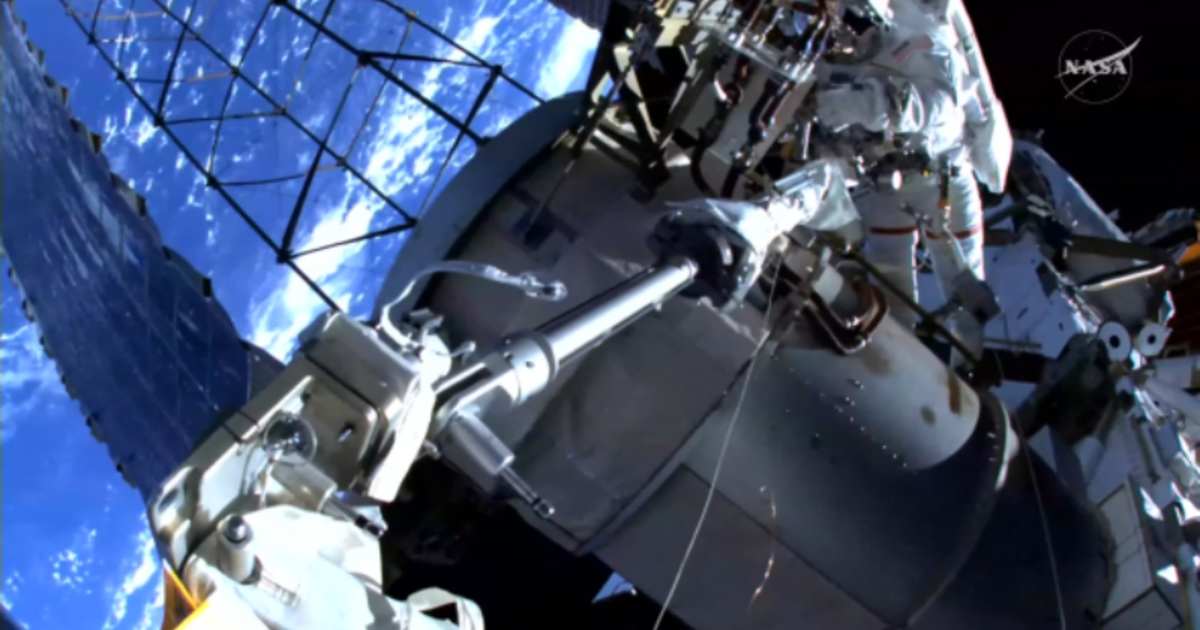
In addition to the arrival of SpaceX CRS-34 and the consequent unpacking it entails, some of the Russian members of the ISS crew are also set to perform a spacewalk later in the month. Station Commander Sergey Kud-Sverchkov and flight engineer Sergey Mikaev of Roscosmos prepared for this activity by collecting and checking the tools they would need for the spacewalk. Andrey Fedyaev also contributed to completing the day's tasks at hand by replacing batteries of laptops that support the European robotic arm aboard the station, working inside the Nauka science module.
More on Starlust
NASA updates ISS schedule for 2026: Check new flight plan for the International Space Station
China launches Tianzhou-10—its largest resupply mission to the Tiangong space station