Penn State astronomer rebuts Avi Loeb’s claims of 10 'anomalies' in 3I/ATLAS
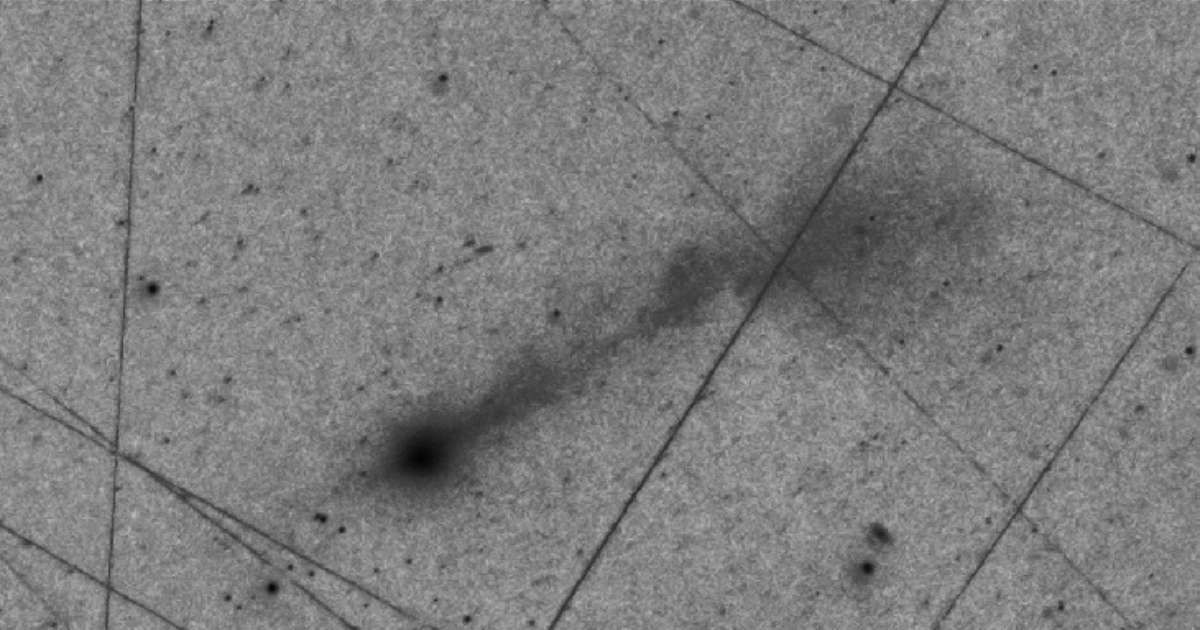
Harvard astronomer Avi Loeb has been suggesting that the interstellar comet 3I/ATLAS displays characteristics that might align with the possibility of it being an alien spacecraft. However, Jason Wright, a leading astronomer from Penn State, has come forward to strongly counter Loeb's claims in his AstroWright blog.
I've summarized the truth about Loeb's 10 "anomalies" about 3I/ATLAS in one post. Thanks to @Deschscoveries, Michael Busch, @aciqra, and @TMEubanks for contributing their expertise!https://t.co/psonqLVhd0
— Jason Wright (@Astro_Wright) November 10, 2025
Jason Wright, who is the director of the Penn State Extraterrestrial Intelligence Center (PSETI), claimed that, despite Loeb's ongoing insistence that the strange behavior of 3I/ATLAS gives it about a 40% chance of being artificial, the object is a natural comet, even if it’s an unusual one.
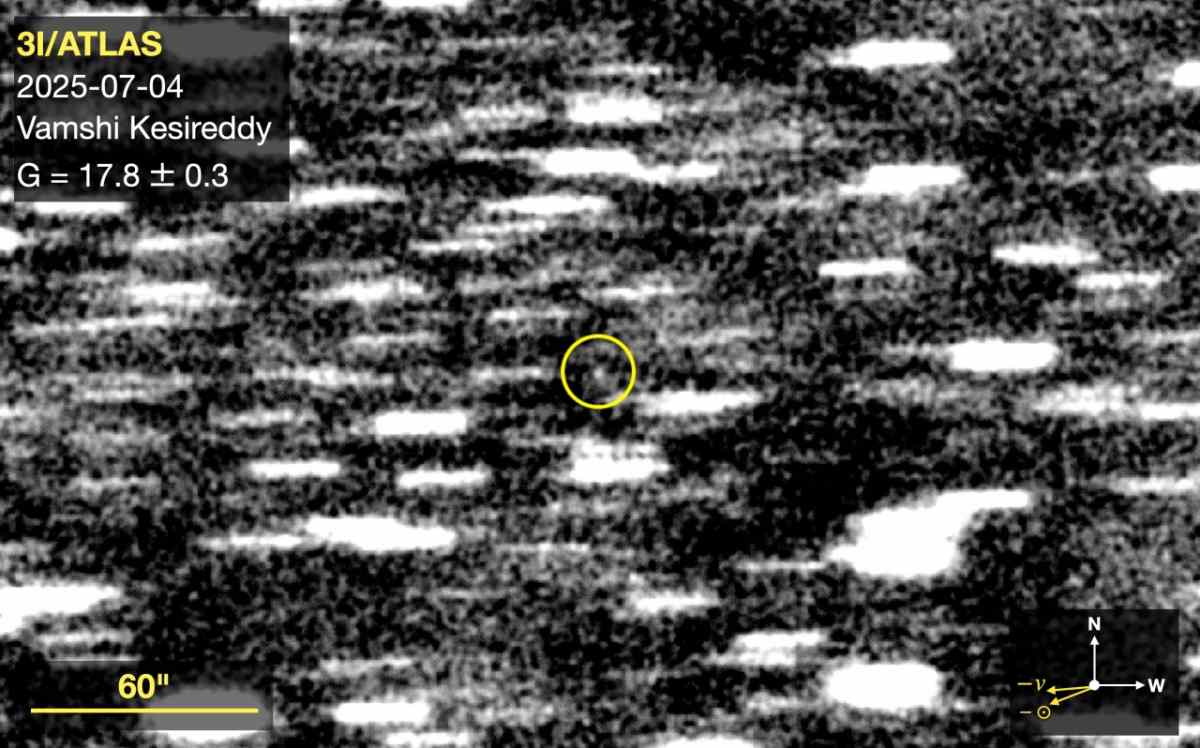
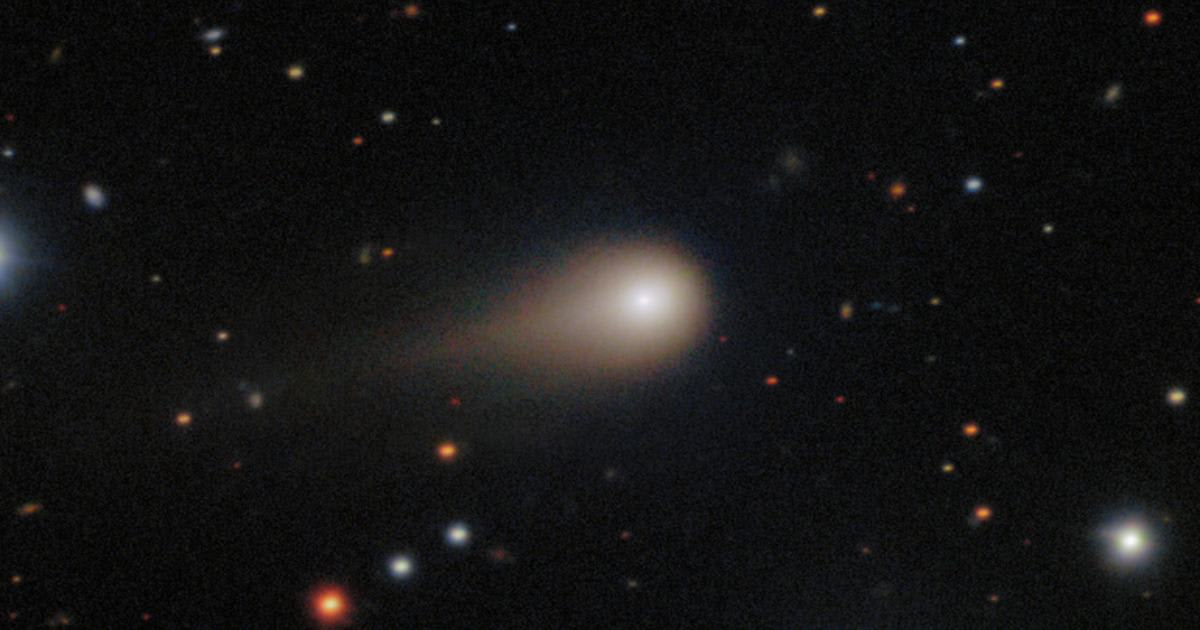
He mentioned that 3I/ATLAS has developed a clear tail and coma, showing the expected gases and an increase in brightness as it warmed up—all typical signs of a comet. Wright criticized Loeb for continuously changing his stance, recalling how the Harvard physicist once dismissed the observational evidence of the coma only to later suggest that a spacecraft could have such features.
"He has now explicitly written that no matter how much it walks like a duck, quacks like a duck, and swims like a duck, he will find ways to insist it’s at least 20% likely to be an alien spacecraft," stated Wright. Wright also wrote that not a single planetary scientist supports Loeb's theory, because the claims are simply "demonstrably wrong."
Wright used the popular expression, “Comets are like cats: they have tails, and they do precisely what they want,” to show that variability is a natural part of comet behavior. Moreover, since it’s only the third interstellar comet that we’ve ever observed, it’s normal for it to differ from objects from our solar system due to things like different environmental formations, unique radiation exposure, and notably, its high speed toward the Sun.
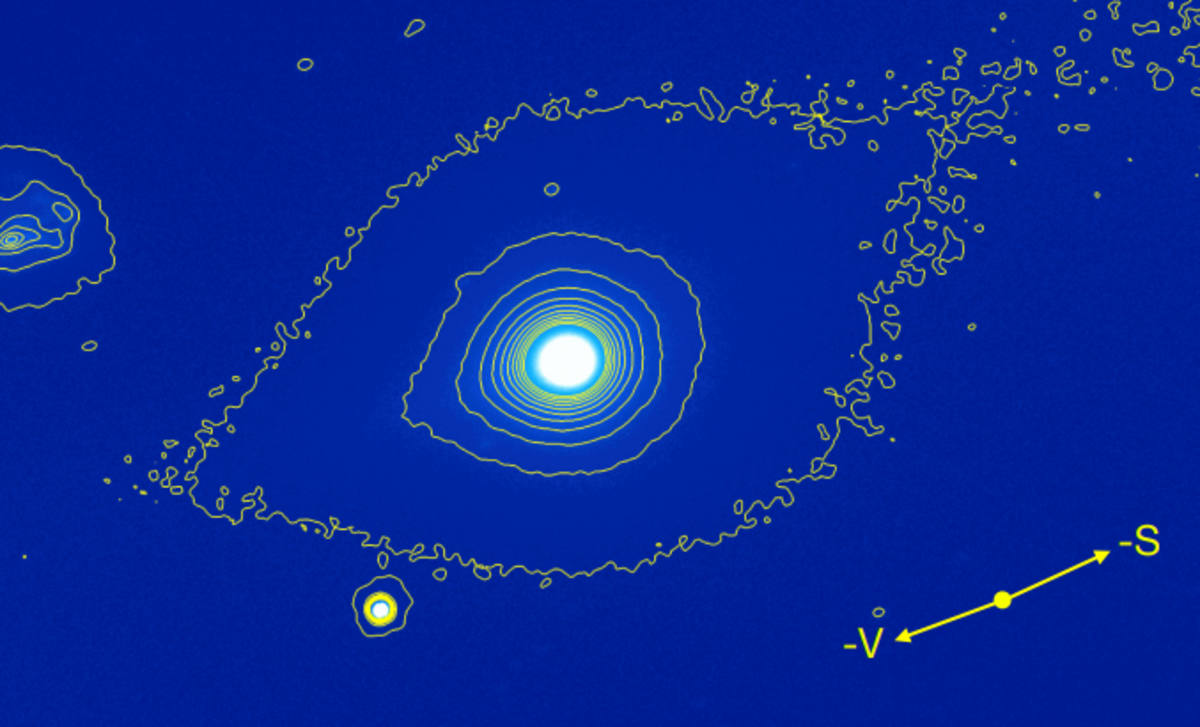
In the process, Wright took down the anomalies Loeb frequently mentions, beginning by dismissing the claims around the comet's orbital alignment (Anomaly 1) and its arrival timing (Anomaly 4) as classic examples of miscalculating probabilities. Further, he stated that Loeb's mass calculation for the object (Anomaly 3) is based on imprecise measurements, making it "simply incorrect." The sunward jet (Anomaly 2) isn’t unique, as the physics of it has been understood for decades.
While the high nickel-to-iron ratio (Anomaly 5), low water content in the gas plumes (Anomaly 6), the extreme negative polarization (Anomaly 7), and the fact that it brightened faster than any other known comet (Anomaly 9) are indeed notable, Wright claimed that they fit within cometary chemistry and physics, and are not evidence for a spacecraft. The suggestion that 3I/ATLAS came from the direction of the Wow! Signal (Anomaly 8) is deemed "ridiculous," since the directional difference is too broad to hold any real significance. Regarding NGA (Anomaly 10), which some link to potential thrusters, Wright called the measurement itself questionable because of how fuzzy the comet is. Even if the data were correct, the expected mass loss is exactly what you’d anticipate from a large, icy object warming up near the sun.
In the end, Wright concluded that for every claimed "anomalous" behavior that Loeb mentions, there are multiple reasons showing that 3I/ATLAS behaves just like a comet and not like some alien spacecraft.
More on Starlust
New telescope image confirms interstellar comet 3I/ATLAS is growing a bright ion tail