Identity of the space rock that wiped out the dinosaurs has been uncovered
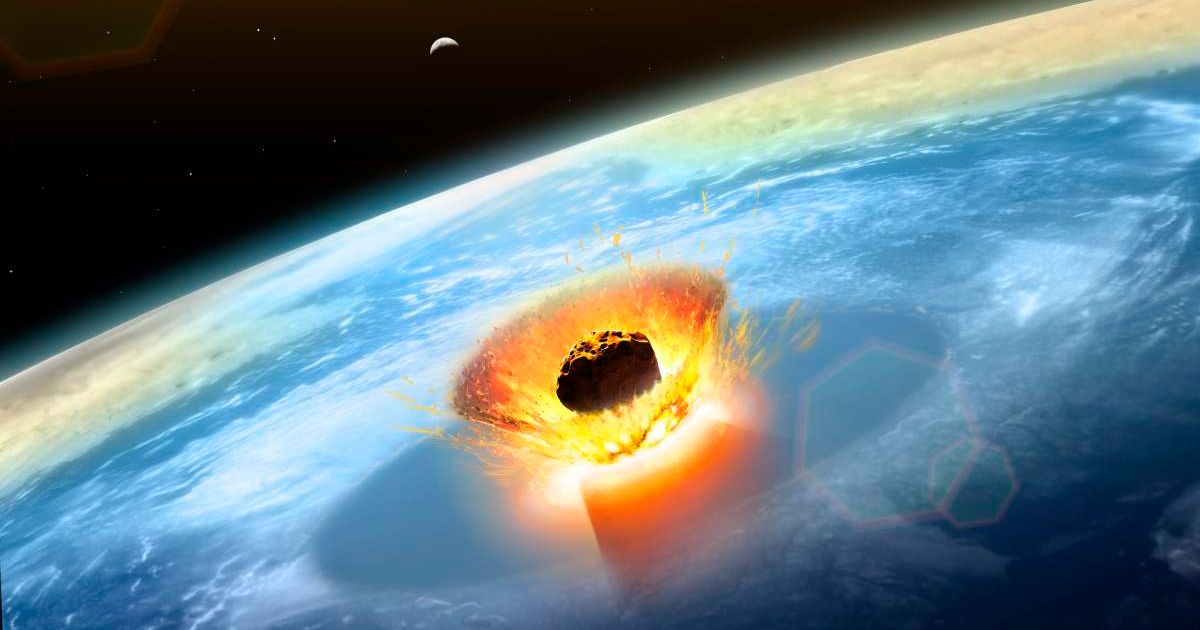
Evidence has long suggested that the impactor that killed 75% of Earth's species, including non-avian dinosaurs, 66 million years ago was an asteroid similar to carbonaceous chondrites. But since carbonaceous chondrites are a diverse class of meteorites, the exact nature of the impactor has remained largely unclear. Now, a team of researchers from universities in Vancouver, Paris, Brussels, and Vienna has managed to narrow down the composition of the deadly space rock through an advanced nickel isotope analysis of samples. The findings, published in the journal Science Advances, suggest that the meteorite was a carbonaceous chondrite of the Ornans class.
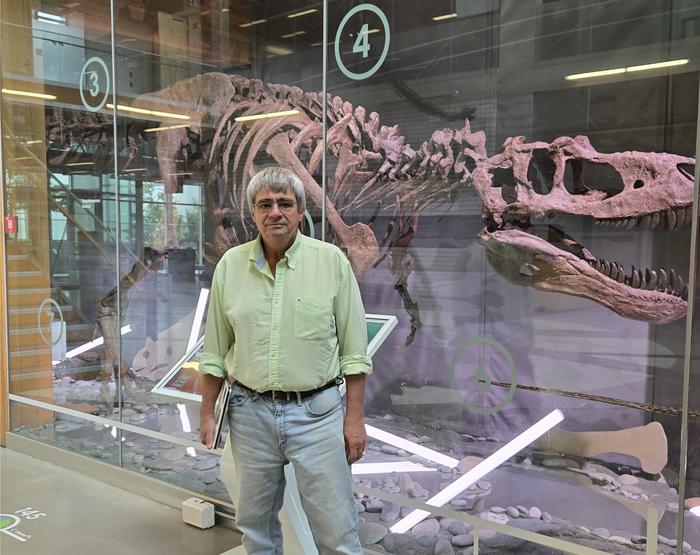
“Carbonaceous chondrites of the Ornans class are definitely not like the typical meteors you find in museum collections,” said Dr. Philippe Claeys, who worked on the study as a visiting professor at the University of British Columbia, Vancouver, in a statement. "A CO contains much less volatile elements—like carbon, zinc, water and particularly sulfur—than other classes of meteorites we’ve discovered so far on Earth." For a long time, scientists have believed that sulfur released from the impactor may have played a dominant role in triggering an impact winter that brought about the demise of the dinosaurs. But the new findings challenge that theory, indicating that sulfur from the impactor may not have been the "smoking gun" it has been seen as so far. "The fine debris thrown into the atmosphere would have the primary factor," explained Dr. Claeys.
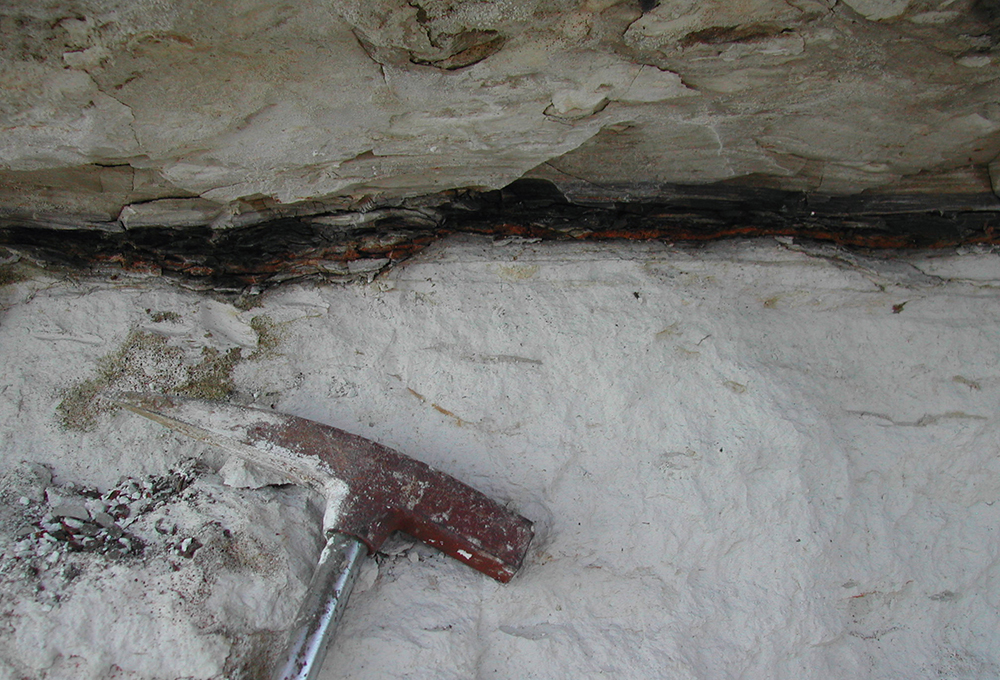
The impact had created a thin layer of clay that is found all over the globe. What the researchers did was carry out high-precision nickel isotope measurements of samples of this clay collected over a period of years. And it was far from an easy task. "Only a minute fraction of the projectile is preserved in the planet’s KT clay layer because the entire meteorite vaporized upon impact," said Dr. Claeys.
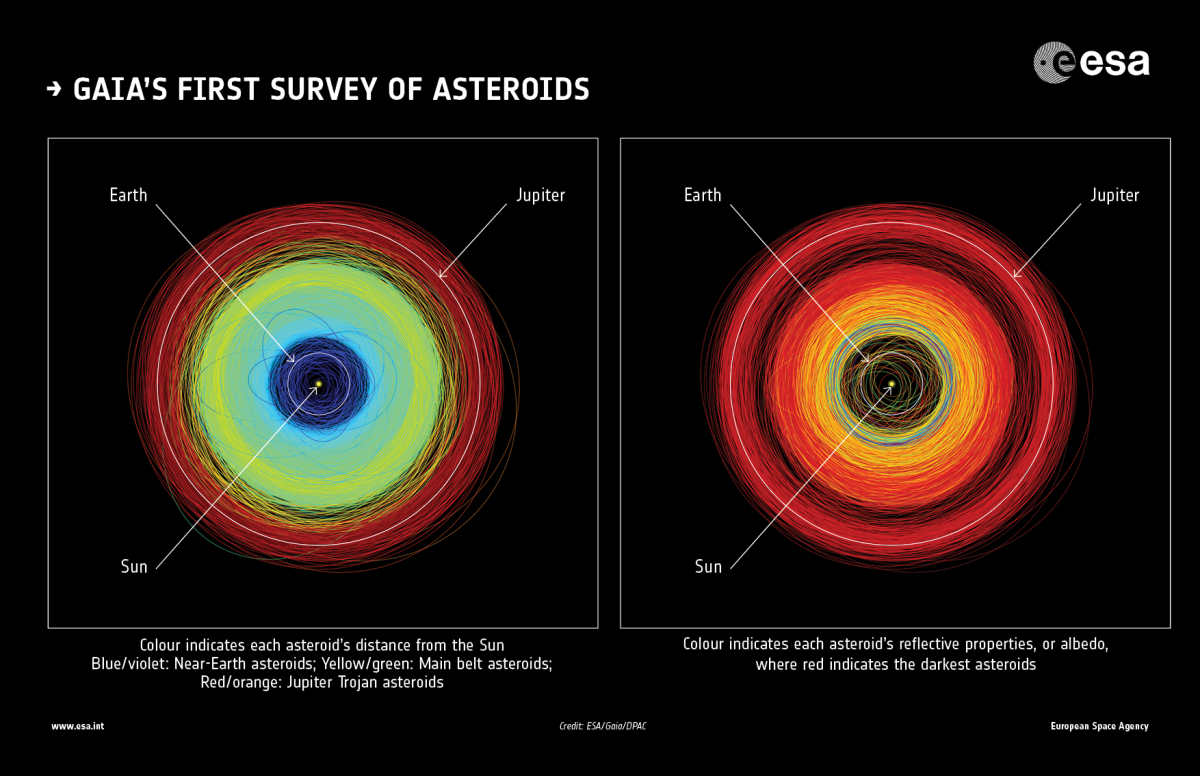
Only five percent of the meteorites that have been found so far on Earth are carbonaceous chondrites, and those belonging to the Ornans class form an even smaller percentage. “Being impacted by such a rare, distant projectile really underscores how unlucky the dinosaurs were,” says Dr. Claeys.
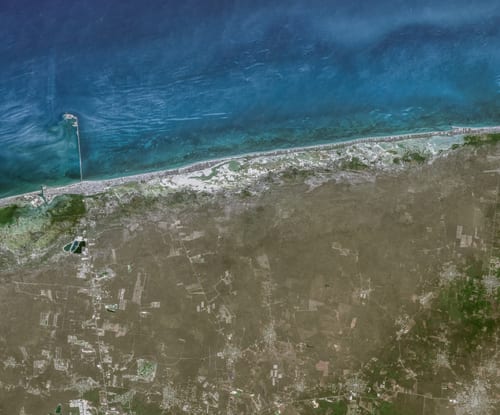
The impactor was roughly six miles wide and hit Earth at an estimated 39,767 miles per hour, carving the massive Chicxulub crater buried beneath the Yucatán Peninsula in Mexico. As for where the space rock came from, possible origins include distant, debris-rich regions of the outer Solar System and even the outer area of the asteroid belt near Jupiter.
More on Starlust
Asteroid impacts shaped the early Earth's surface, creating conditions conducive for life
China plans to surpass NASA’s DART mission by smacking an asteroid at 26 times the speed of sound