Milky Way may have tilted sideways after collision with a dwarf galaxy 10 billion years ago
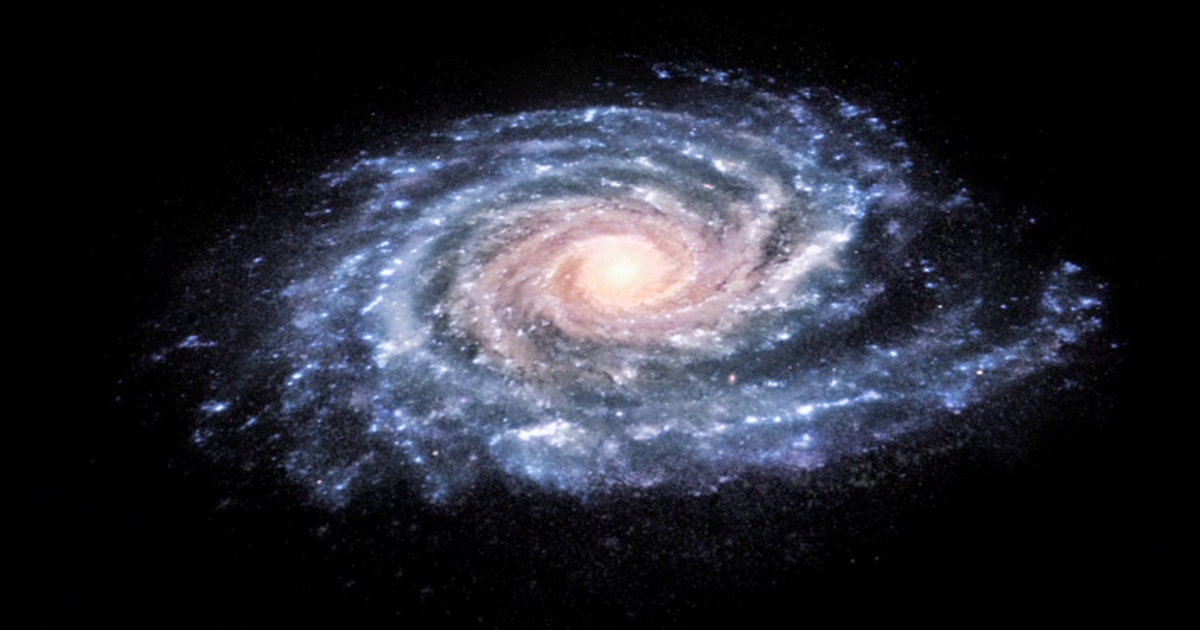
The Milky Way’s history may have been more turbulent than previously thought. A new study by astronomers at Durham University in the UK suggests that a violent collision with another galaxy may have flipped the Milky Way sideways by more than 90 degrees, causing dramatic reorientation in its structure. The collision is believed to have taken place roughly 10 billion years ago and likely involved a galaxy, which was nicknamed ‘Gaia Sausage.’
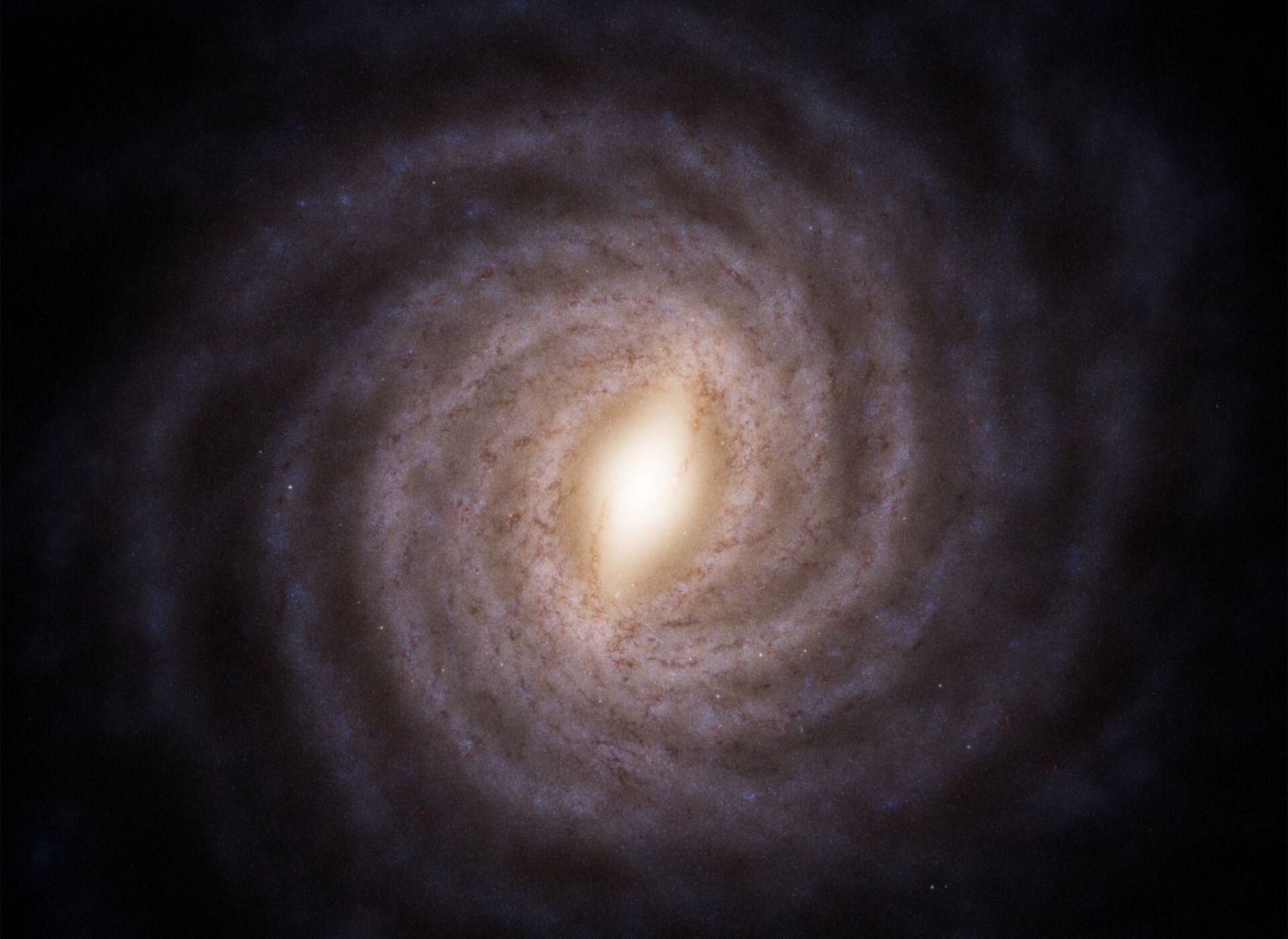
The study, which was presented this week at the Royal Astronomical Society’s National Astronomy Meeting in Birmingham, is based on computer simulations. The Milky Way’s stellar halo is a cloud of stars that surrounds its disc and is enclosed within an invisible dark matter halo. Most of these stars, which are far fewer in number than those in the disc, originated in smaller galaxies that merged with the Milky Way over time. Observations from the European Space Agency's Gaia mission also show that the halo stars rotate much more slowly, circling the galactic center at a speed of about 15 miles per second, whereas those in the disc travel at about 137 miles per second.
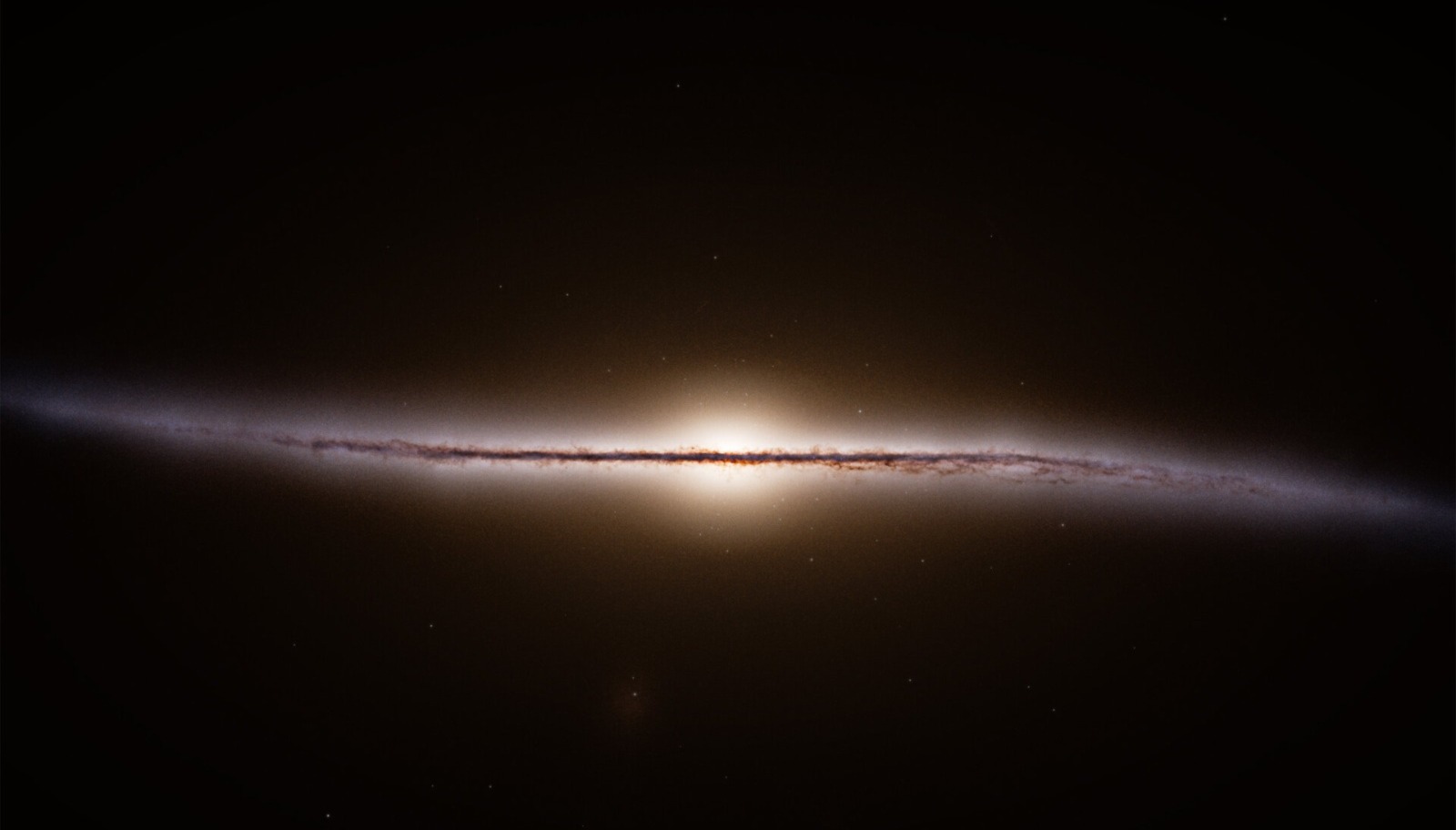
The latest findings came as astronomers were studying this discrepancy by analyzing the evolution of 25 Milky Way-like galaxies over billions of years. They found that galaxies that underwent a major head-on merger and experienced a disc flip during their evolution had one thing in common—slow-moving stars in their haloes.
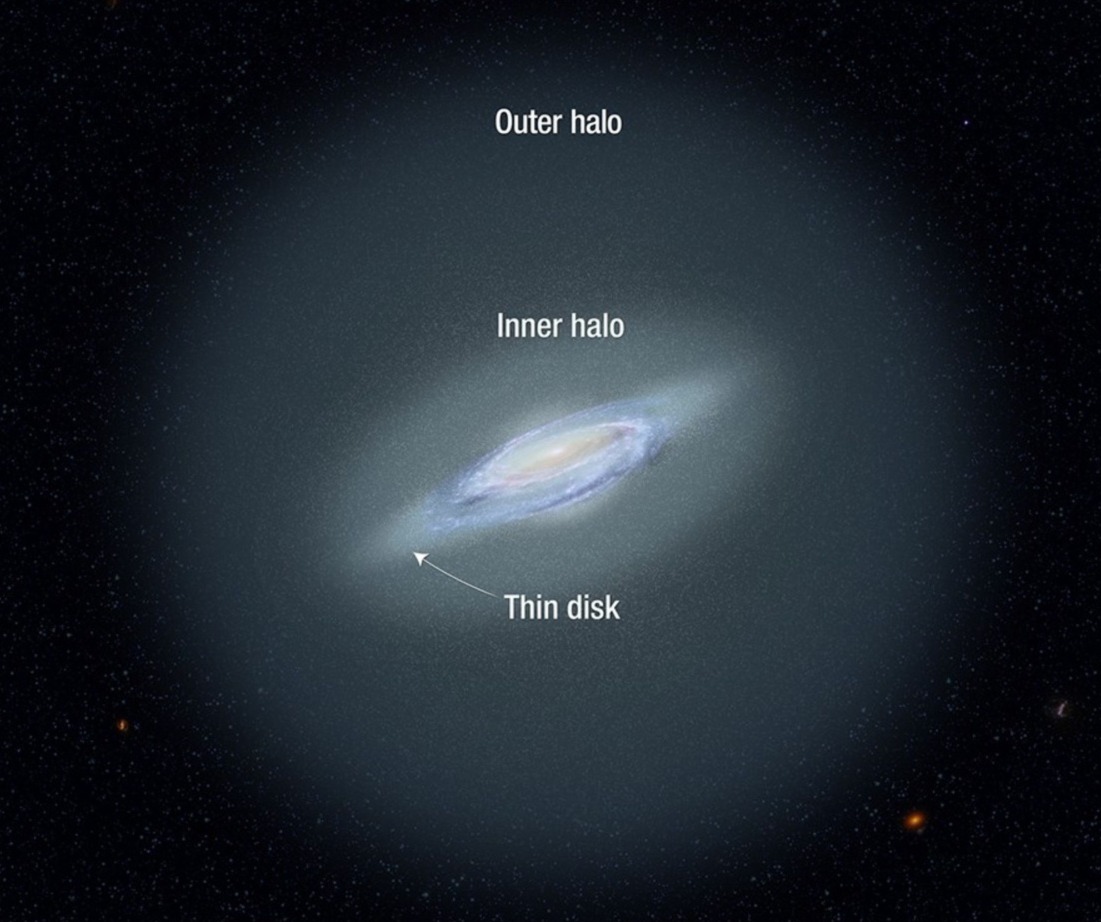
The Milky Way-Gaia collision came to the fore in 2018 when a team of astronomers was trying to map the movement of stars through the Milky Way. They found that some were on extreme sausage-shaped orbits, which was proof enough of the collision and led to the dwarf galaxy they were traced back to being named the Gaia Sausage.
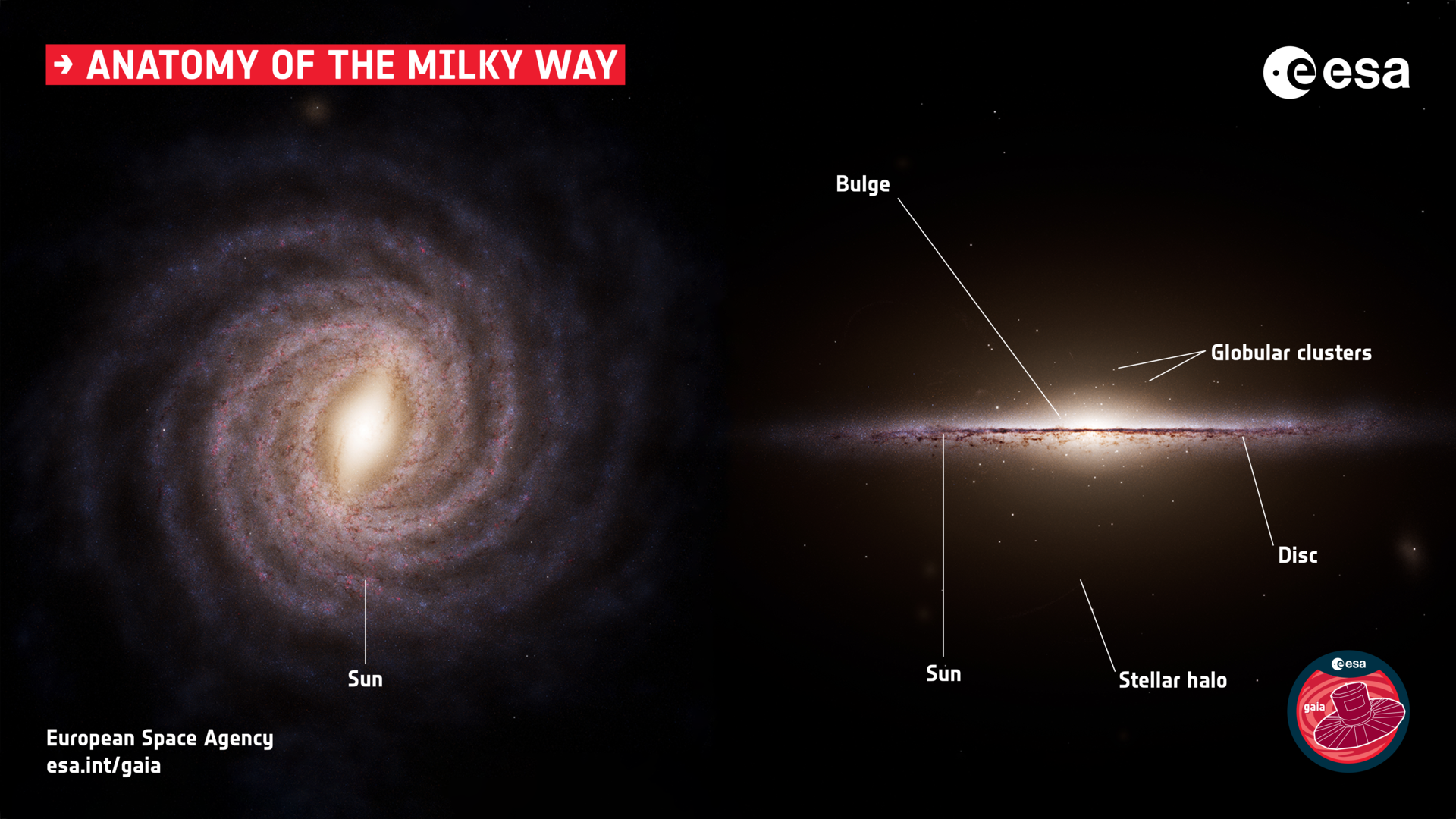
The Milky Way’s collision with Gaia Sausage may have been its last major merger, which radically changed its shape, creating a bulge at the center. "Finding that its disc flipped adds a new chapter to that story, one we must account for when placing the Milky Way in a broader context of other galaxies. What excites me the most is that this complex history can be reconstructed just from present-day observations,” astronomer Kirill Batrakov, the lead researcher on the project, said per Eureka Alert.
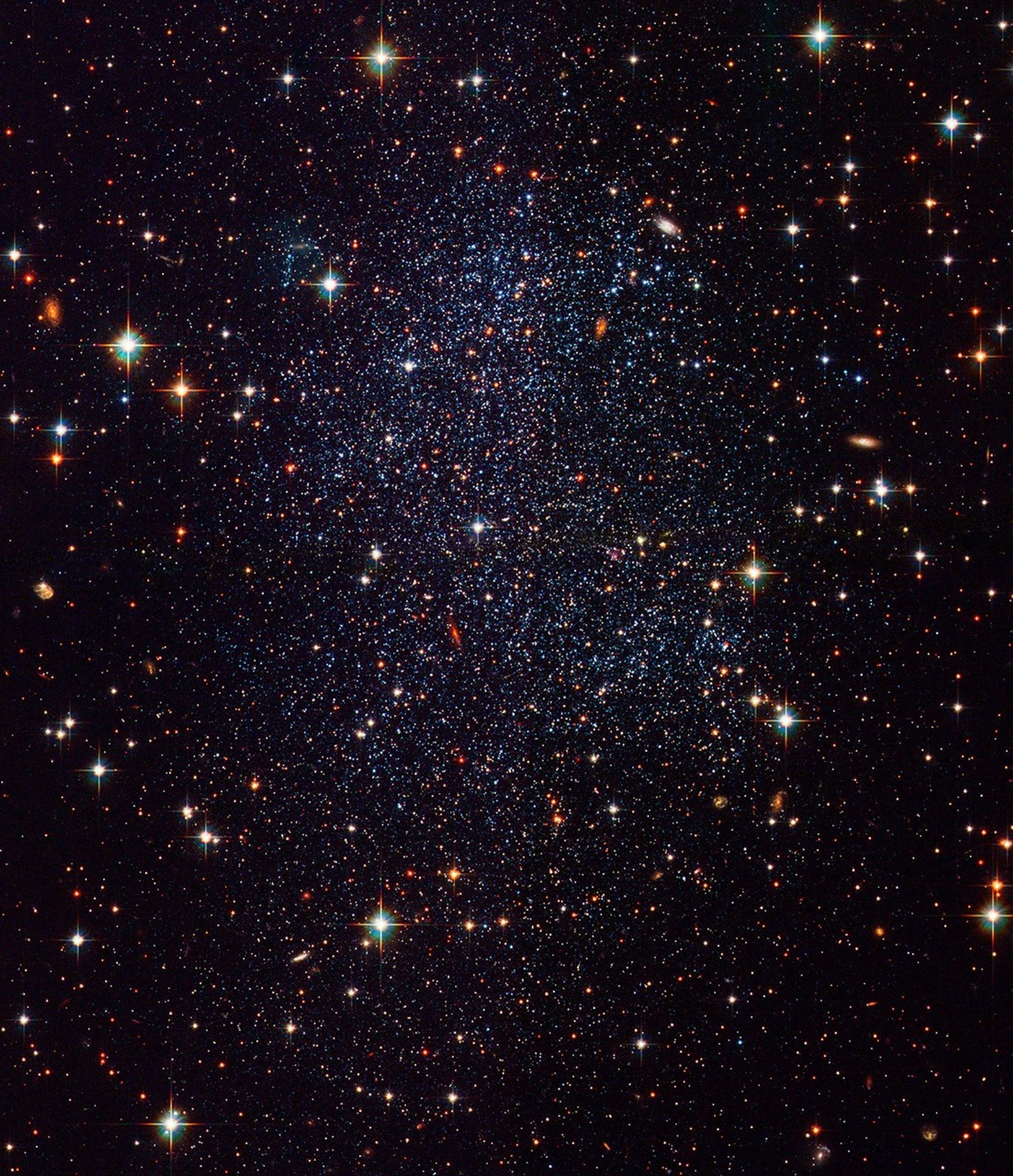
Interestingly, there’s another major merger happening between the Milky Way and a smaller galaxy called Sagittarius, which has crashed into our galaxy at least three times over the past six billion years. According to a study based on Gaia data, these collisions have resulted in major star-forming episodes, one of which roughly coincided with the formation of the Sun 4.7 billion years ago. Scientists believe that an important part of the Milky Way’s stellar mass was formed due to the interactions with Sagittarius. There’s also a possibility that our solar system would have been non-existent if Sagittarius had not gotten trapped by the gravitational pull of the Milky Way and eventually smashed through its disc.
More on Starlust
Scientists find life-supporting organic compounds in meteorite that struck New Jersey home
Four uninhabitable worlds six light-years away—new data reveals more about Barnard's Star planets