Scientists discover the Sun has more silver than previously estimated
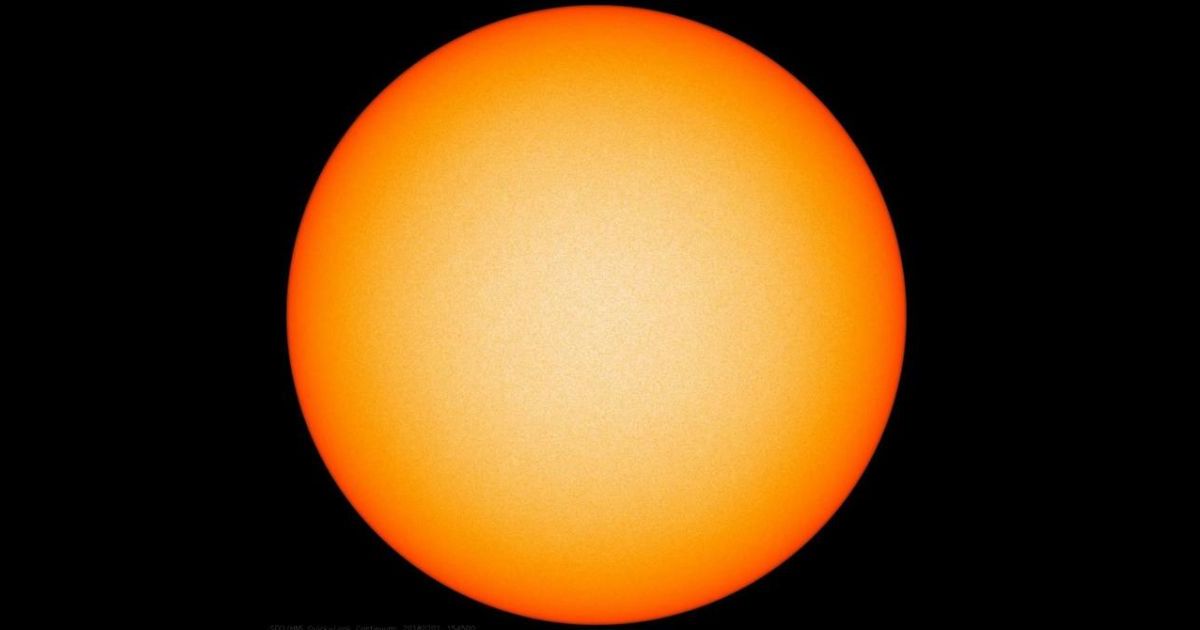
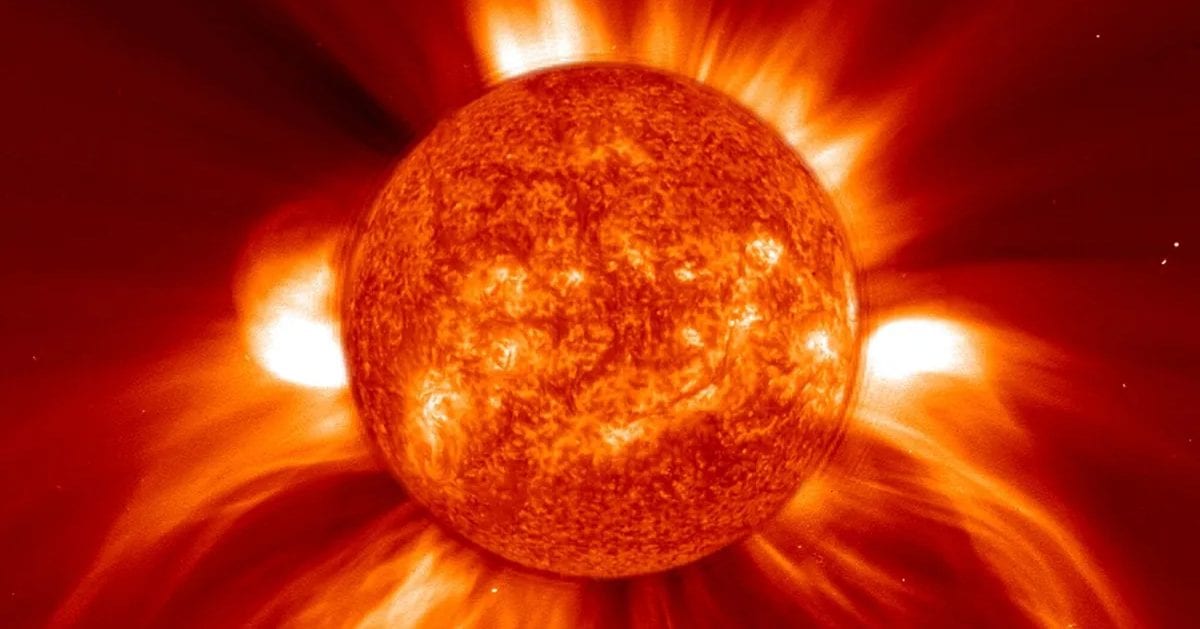
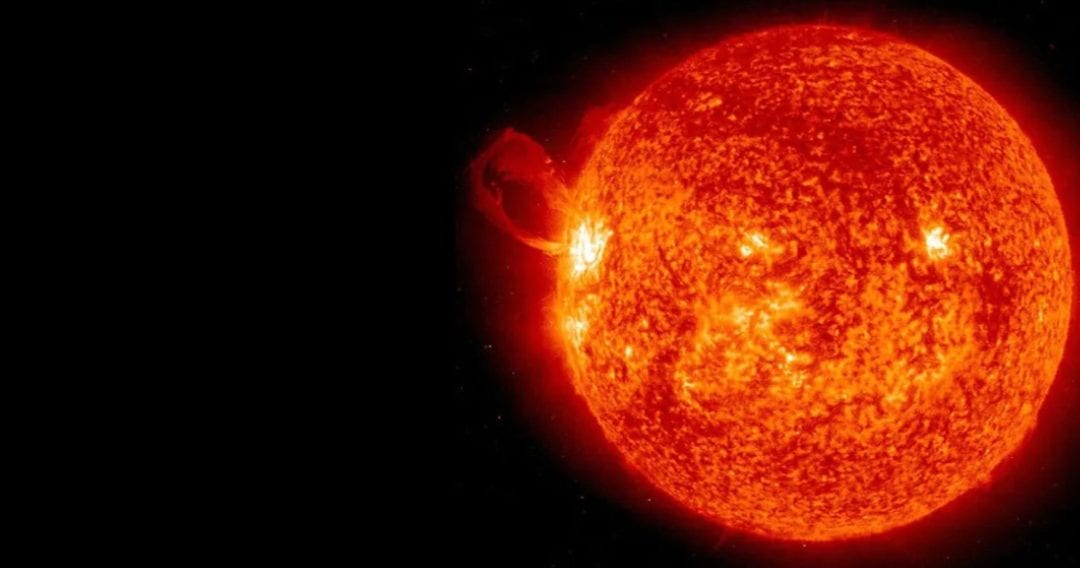
A new study conducted by a team at Uppsala University has revealed that the Sun contains 55 percent more silver than previously estimated. The finding, published in Astronomy & Astrophysics, may solve a long-standing puzzle about the apparent shortage of silver in the solar system, throwing light on the chemical evolution of the Milky Way.

While heavier elements like carbon, iron, or silver constitute only 1.5 per cent of the Sun’s mass (which is mostly hydrogen and helium), they can be used as trace fossils to understand cosmic evolution. Previous estimates found the Sun's silver content to be much lower than that of primitive meteorites. But the problem with that is that both bodies formed in the same cloud of gas and dust around 4.6 billion years ago. The new estimate, however, has managed to resolve this discrepancy to a great extent. “The new knowledge about the Sun’s composition is important for the understanding of other stars, planets and cosmic material, because the Sun is one of astronomy’s key reference points," said Sema Caliskam, who worked on the study during her PhD studies at the Department of Physics and Astronomy at Uppsala University, in a statement.
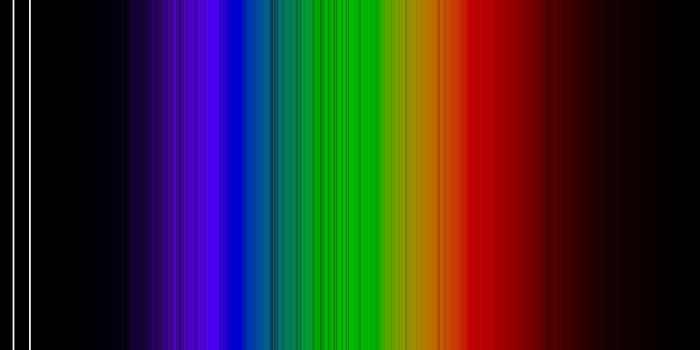
To take a fresh look at the Sun’s silver content, the team probed sunlight using spectroscopy. Atoms in the Sun’s atmosphere absorb light and produce dark features at specific wavelengths which are known as spectral lines, with atoms of each element producing a unique pattern of lines, revealing their identity. By comparing the spectral data to calculated atmospheric models, the researchers identified the abundance of silver. The researchers did the calculations using Tetralith, the Swedish supercomputer at the National Supercomputer Centre at Linköping University.
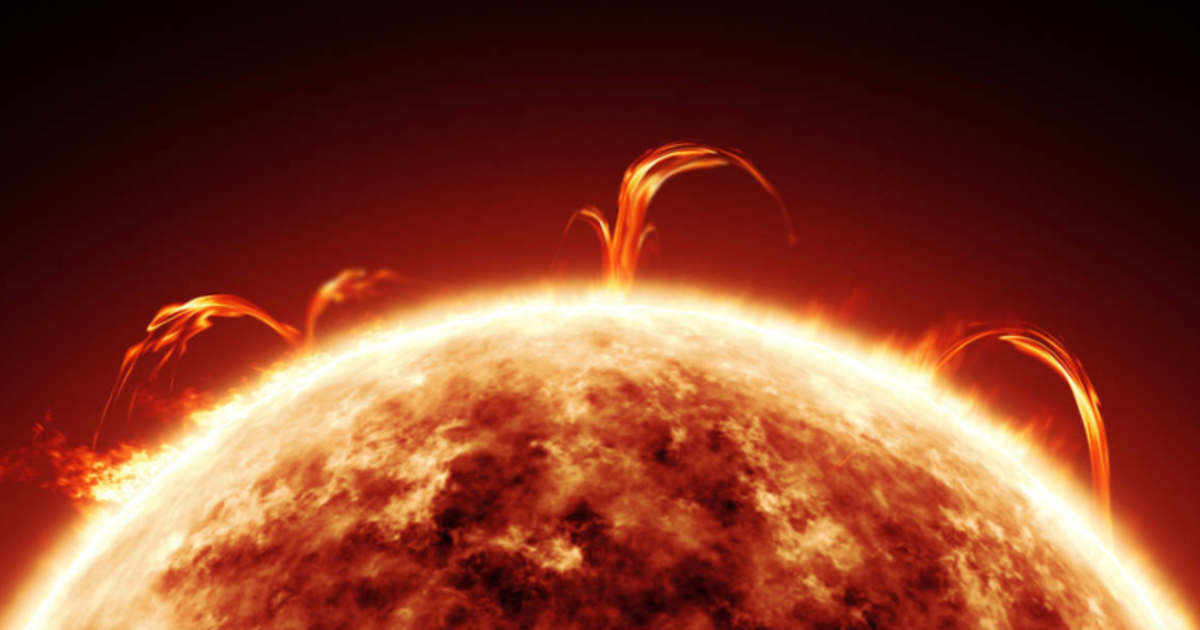
Unlike earlier methods that relied on simplified models, the new approach combined a dynamic model of the Sun's turbulent outer layers with improved atomic physics calculations, predicting that the Sun has 55% more silver than before. The method considered the complex interactions between silver atoms and sunlight, including subtle “non-equilibrium” effects that previous models overlooked. "With our new model, we were able to interpret the spectral lines used to determine the solar silver abundance more accurately," said Caliskan.
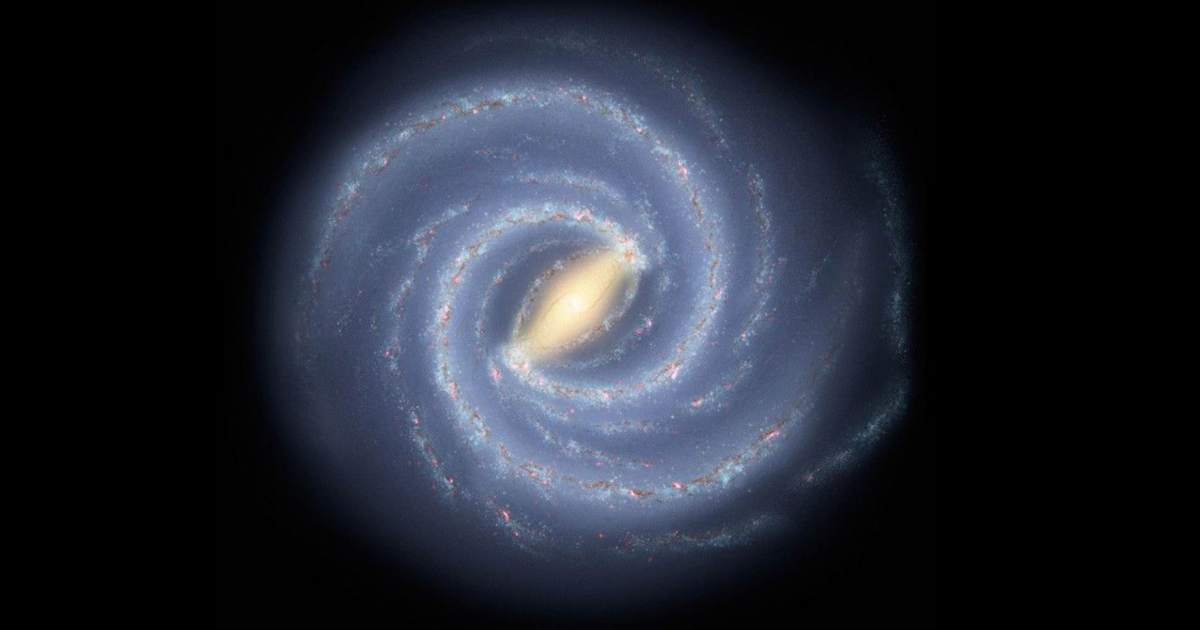
The discovery enhances our understanding how heavy elements such as silver are forged inside stars and during spectacular stellar explosions before being scattered across space and becoming part of new stars, planets, and eventually the building blocks of life itself. “By studying the light of stars of different types and ages, we hope to understand where silver is formed in the universe and how it has been distributed throughout the Milky Way over time,” added Caliskan.
More on Starlust
Scientists finally know whether the Sun's activity alters its oxygen levels
All about Sunrise III: Balloon-borne observatory whose data is providing fresh insights into the Sun