A near-Earth asteroid has revealed itself as a comet 27 years after its discovery in a NASA study
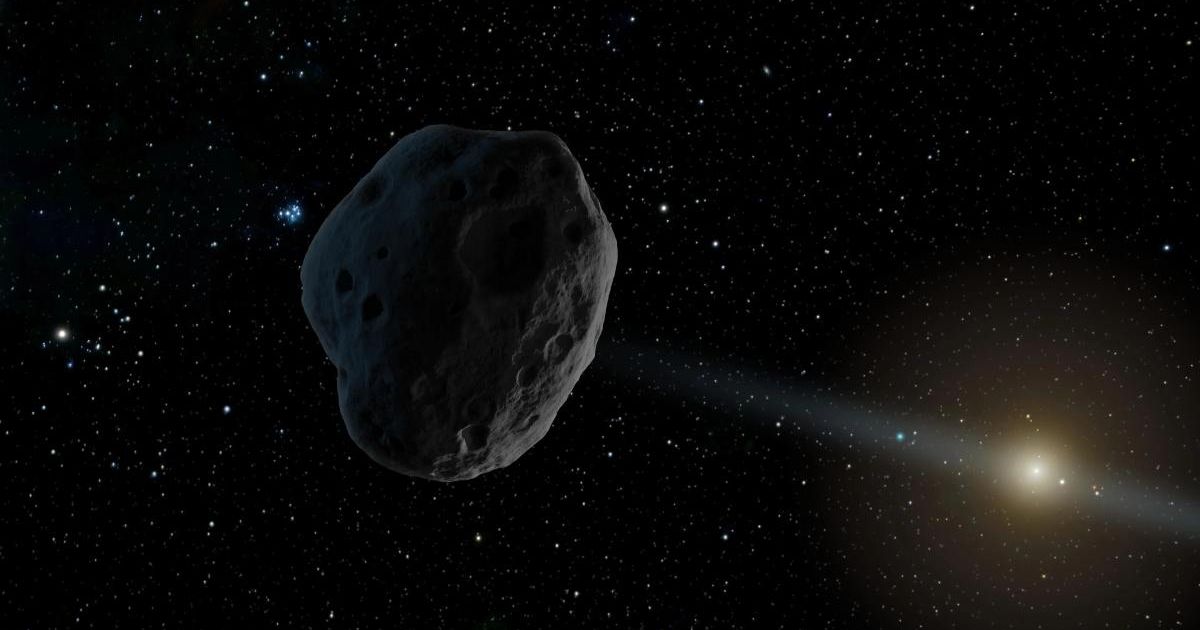
NASA has unearthed the actual identity of a space rock previously thought to be an asteroid nearly three decades after its discovery in 1998. Turns out, this near-Earth object is actually a comet whose comet-like activity had not been visible. Designated asteroid 1998 SH2, this space rock’s identity was confirmed after astronomers noted its trajectory around the Sun was changing.
How 1998 SH2's cometary identity stayed hidden for so long
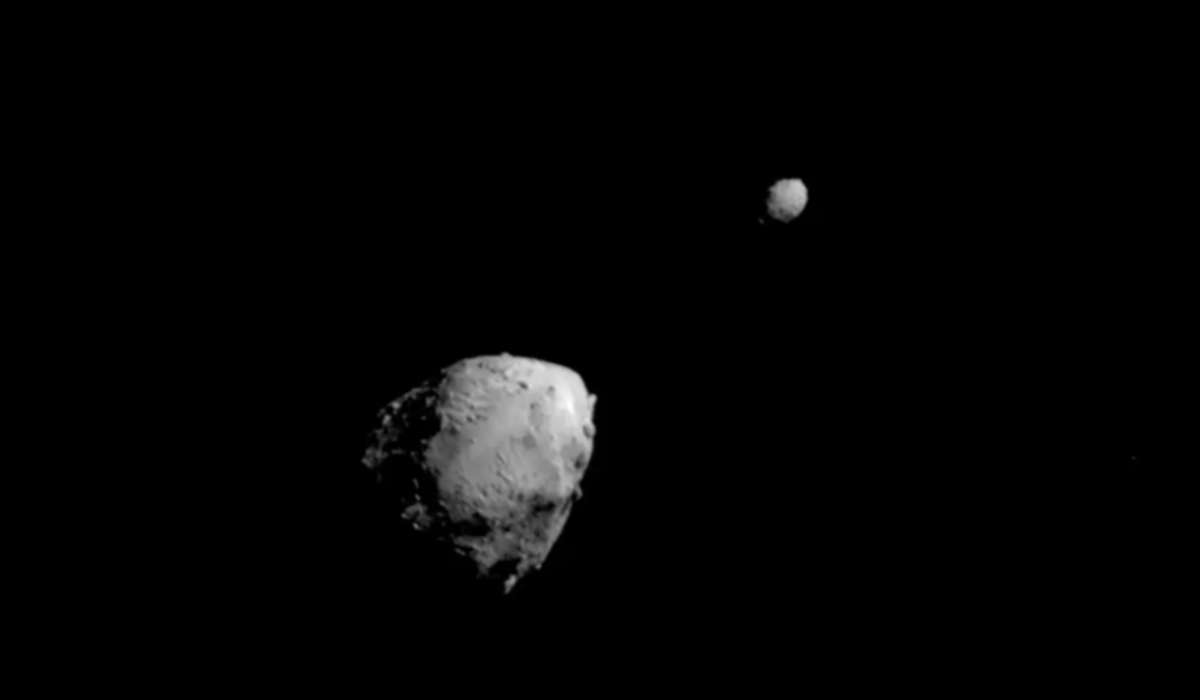
1998 SH2’s four-and-a-half-year orbit around the Sun had been well-tracked from 1998 to 2016. However, it completed two additional orbits during an observational hiatus that lasted until August 28, 2025, at which point 1998 SH2, now called P/1998 SH2, passed safely within 2 million miles (3 million kilometers) of our planet. Scientists who went looking for it using NASA's Deep Space Network (DSN) planetary radar system realized something was influencing its motion; it was experiencing non-gravitational acceleration.
“After we measured the non-gravitational perturbations affecting the motion of 1998 SH2 and recognized they weren’t compatible with the object being an asteroid, we suspected the object could be an active comet,” stated Davide Farnocchia, a navigation engineer with NASA’s Center for Near-Earth Object Studies at JPL and lead author of the study published in Nature Astronomy. The latest observations were carried out using three major observatories—the Canada-France-Hawaii Telescope in Hawaii, the European Southern Observatory’s Danish Telescope, and the Very Large Telescope in Chile.
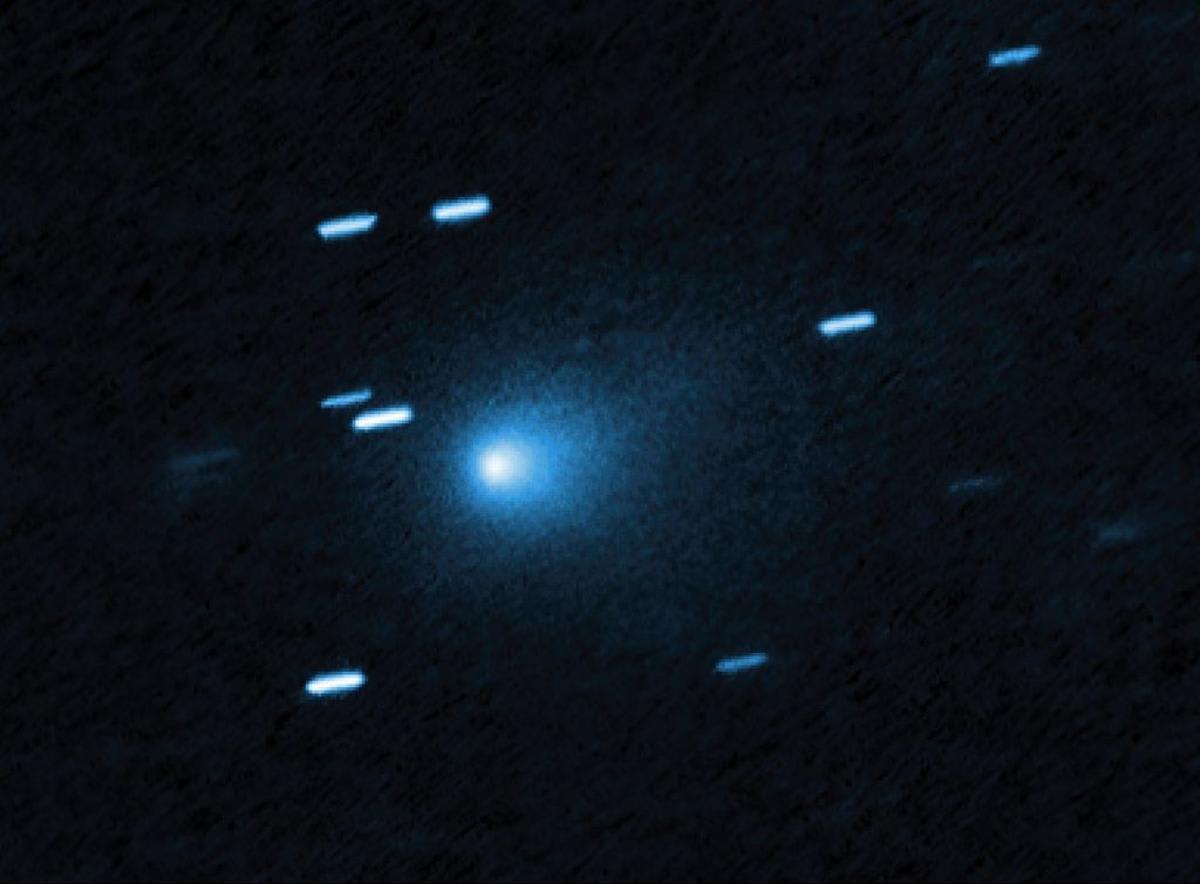
“The images we collected from these observatories showed a weak but clear tail, thus confirming that 1998 SH2 is, in fact, a comet,” said Olivier Hainaut, an astronomer with the European Southern Observatory and co-author of the study. “That’s how science works — you form a hypothesis, and you set out to test it. This data is exactly what was needed to confirm our hypothesis that 1998 SH2 was a comet.” The reason why the object could not be confirmed as a comet right away was that it did not display a coma and a tail. These gas and dust features are formed when sunlight heats up frozen ice on a comet’s surface, but it turns out that 1998 SH2 produces gas and dust in much smaller quantities that are not as noticeable to most observatories.
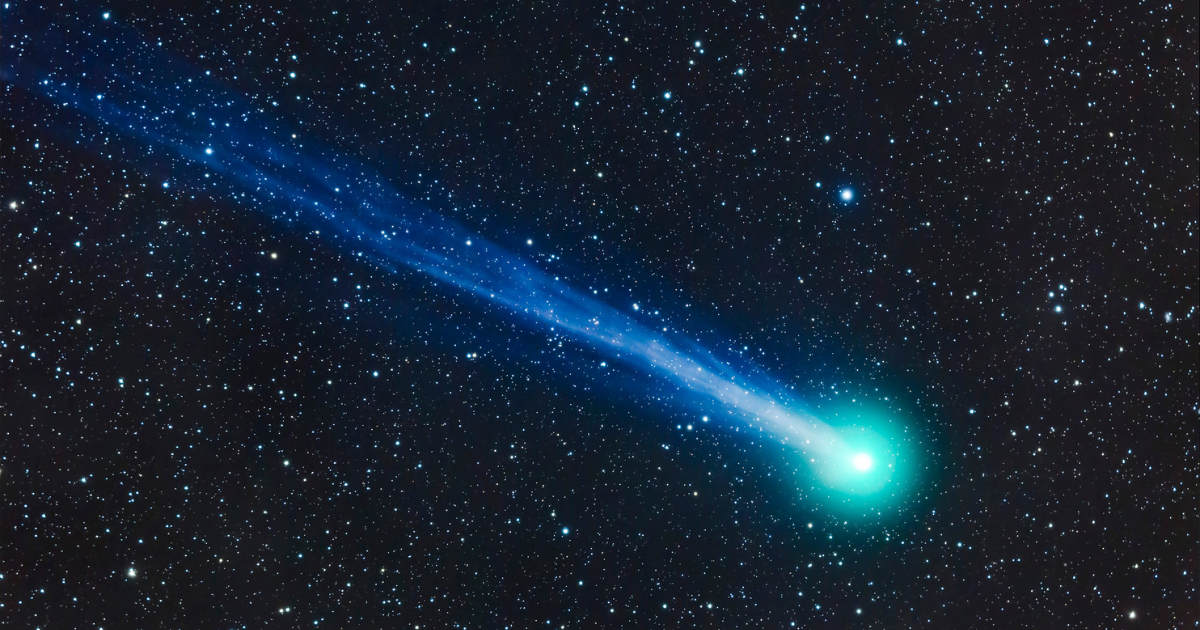
The finding offers new insights into the even more unusual 'dark comets,' which experience significant alterations in their trajectories like 1998 SH2 but are not characterized by visible signs of typical cometary activity like comas and tails. There are two categories of such comets—those that are larger and have highly elliptical orbits and the smaller ones that orbit closer to the Sun. The researchers hope that many such dark comets, which have trajectories similar to that of 1998 SH2 may turn out to be regular ones if they are observed with telescopes that are powerful enough. This discovery even has implications for planetary defense as it can “help understand which objects may be comets rather than asteroids, how their orbits evolve, and how that influences their Earth impact risks,” said Farnocchia.
More on Starlust
Scientists find life-supporting organic compounds in meteorite that struck New Jersey home
Meet NASA's NEO Surveyor: A 'one-of-a-kind mission' designed to find the most dangerous asteroids