A new solar system may have been caught in the act of formation, study suggests
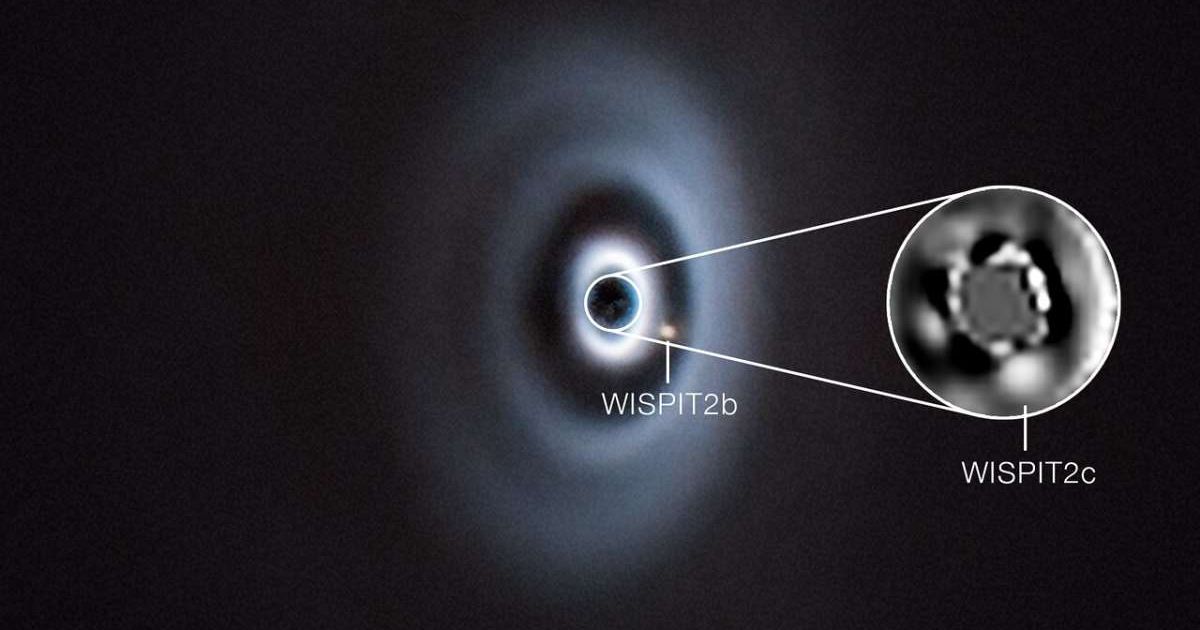
Astronomers have captured a fascinating young solar system in the making that uncannily resembles the nascent stages of our solar neighborhood. In a new study published in the Astrophysical Journal Letters, researchers observed the birth of two planets in the disc encircling a youthful star named WISPIT 2. These formations, coupled with the unique multiringed structure of the disc surrounding the star, suggest that the WISPIT 2 system is in the early stages of planetary formation. “WISPIT 2 is the best look into our own past that we have to date,” said Chloe Lawlor, PhD student at the University of Galway, Ireland, and lead author of the study, in a statement.
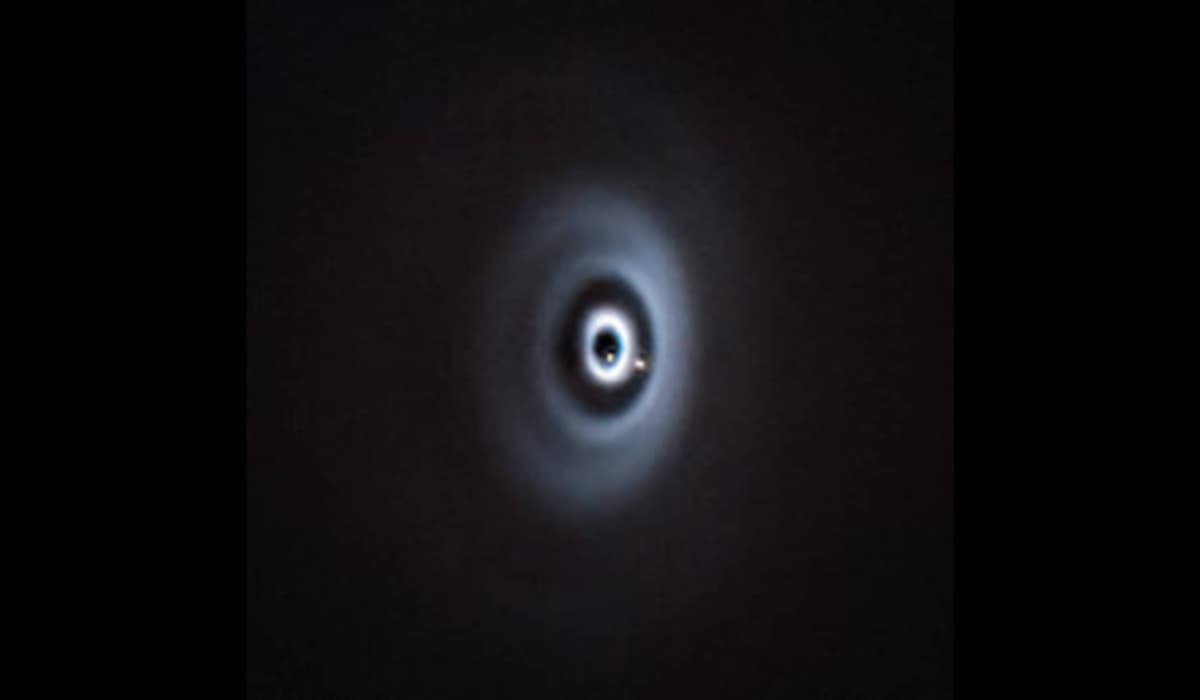
Researchers had previously detected the first newborn planet in this star system last year. Named WISPIT 2b, this exoplanet is nearly five times the mass of Jupiter and orbits the central star at a distance that is 60 times greater than the distance between the Earth and the Sun. Employing the pioneering European Southern Observatory’s Very Large Telescope (VLT) and the VLT Interferometer (VLTI), the researchers discovered the second close-in planet, named WISPIT 2c. “This detection of a new world in formation really showed the amazing potential of our current instrumentation,” said Richelle van Capelleveen, PhD student at Leiden Observatory, the Netherlands, and leader of the previous study.
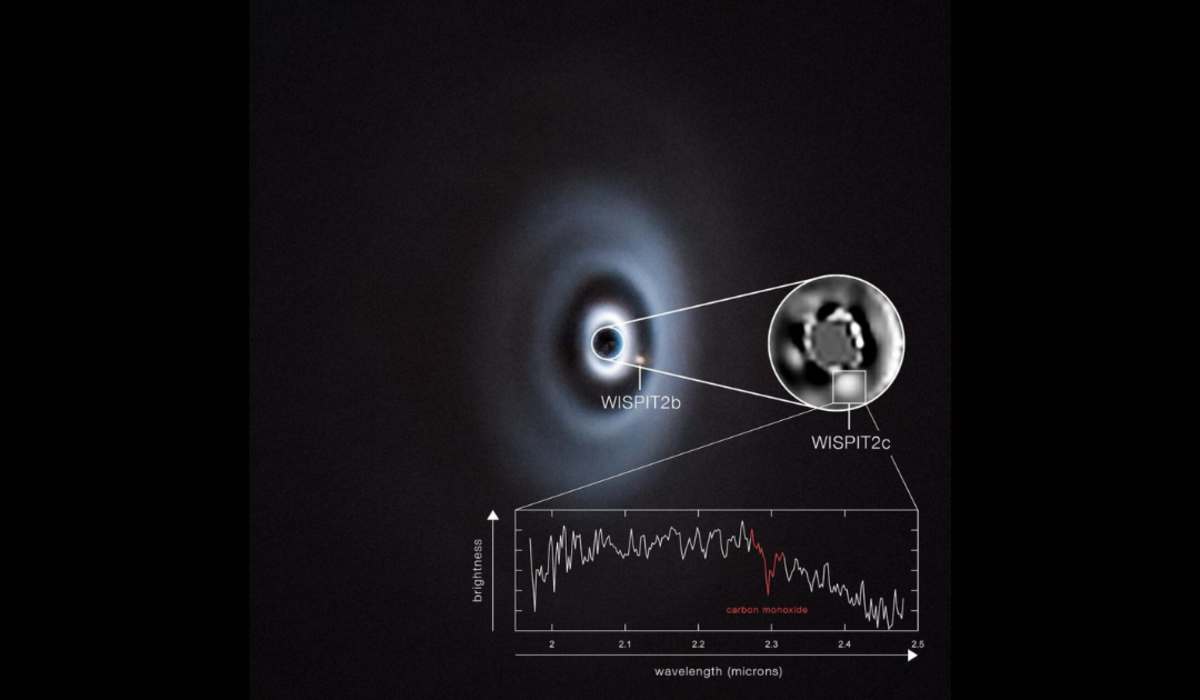
WISPIT 2c, the new addition to the system’s roster, is four times closer to the central star and is twice as massive as WISPIT 2b. Both these planets are essentially massive gas giants that bear a resemblance to the Jovian planets found in our solar system. To understand the intricacies of this new planet in the system, researchers employed the observatory’s advanced tools: the SPHERE instrument on ESO's VLT and the GRAVITY+ instrument on the VLTI. This aided the team in confirming the existence of WISPIT 2c and validating the object's planetary nature. "Critically, our study made use of the recent upgrade to GRAVITY+ without which we would not have been able to get such a clear detection of the planet so close to its star," said Guillaume Bourdarot, study co-author and researcher at the Max Planck Institute for Extraterrestrial Physics, Germany.
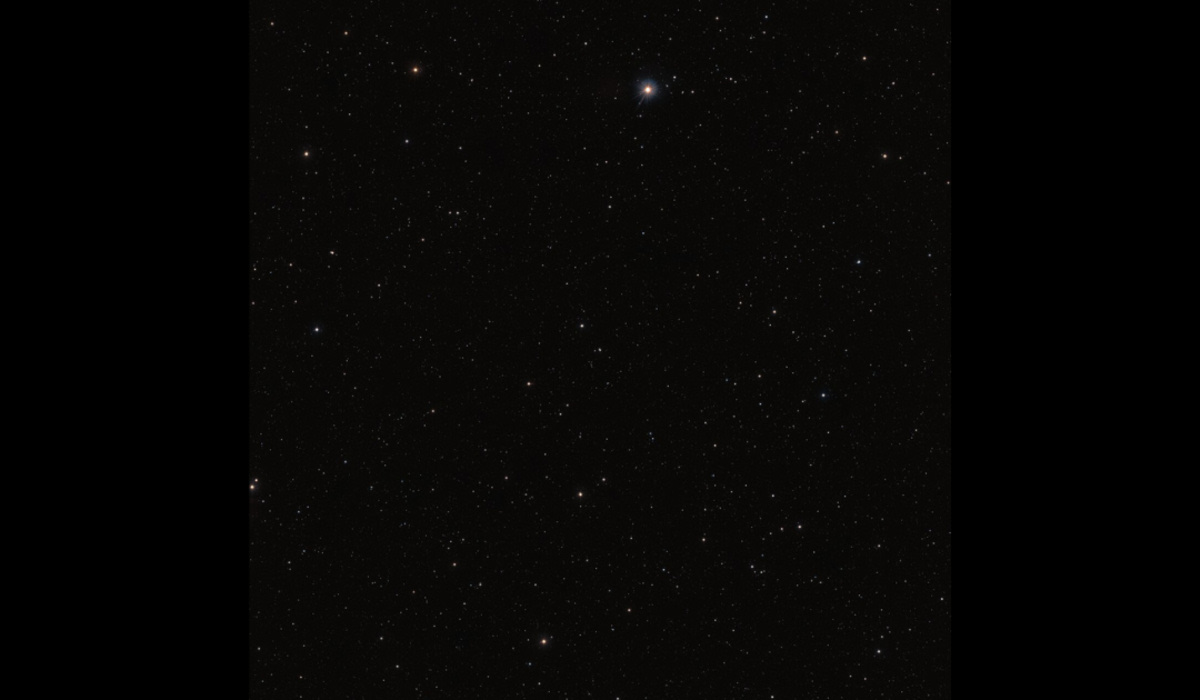
The WISPIT 2 system, located in the constellation Aquila, is the second such known baby planetary system, after PDS 70, where two exoplanets have been spotted in the process of forming around their host star. However, WISPIT 2 has a protoplanetary disc that hosts special gaps and rings, unlike the former system. Both planets are located within these clear gaps in the disc of gas and dust surrounding the young star. These gaps are a result of the planets' growth journey, formed through an accumulation of particles that created an embryo planet in the gap. Following this, the leftover debris around each gap gradually created distinctive dust rings in the disc.

Beyond the prominent gaps in the disc where the planets sit, there is also one more smaller gap found farther out in the WISPIT 2 disc. "We suspect there may be a third planet carving out this gap, potentially of Saturn mass owing to the gap’s being much narrower and shallower," said Lawlor. "These structures suggest that more planets are currently forming, which we will eventually detect.”
This study opens new avenues in understanding the evolution of galaxies like our own and planets that inhabit our solar system. "WISPIT 2 gives us a critical laboratory not just to observe the formation of a single planet but an entire planetary system," stated Christian Ginski, co-author of the study.
More on Starlust
Oxygen on exoplanets is not necessarily a sign of life: A new study delves deeper into the problem
An exoplanet discovered by ESA's CHEOPS is turning theories of planetary formation 'inside out'