Only 3 interstellar visitors have ever been found—but this 'really interesting object' could change that forever
A new study on the recently discovered interstellar comet 3I/ATLAS suggests that astronomers are on the verge of finding many more visitors from beyond our solar system. The comet, identified in July 2025, is only the third such object ever confirmed, but researchers believe that future surveys will dramatically increase that number, as per BBC Sky at Night Magazine.
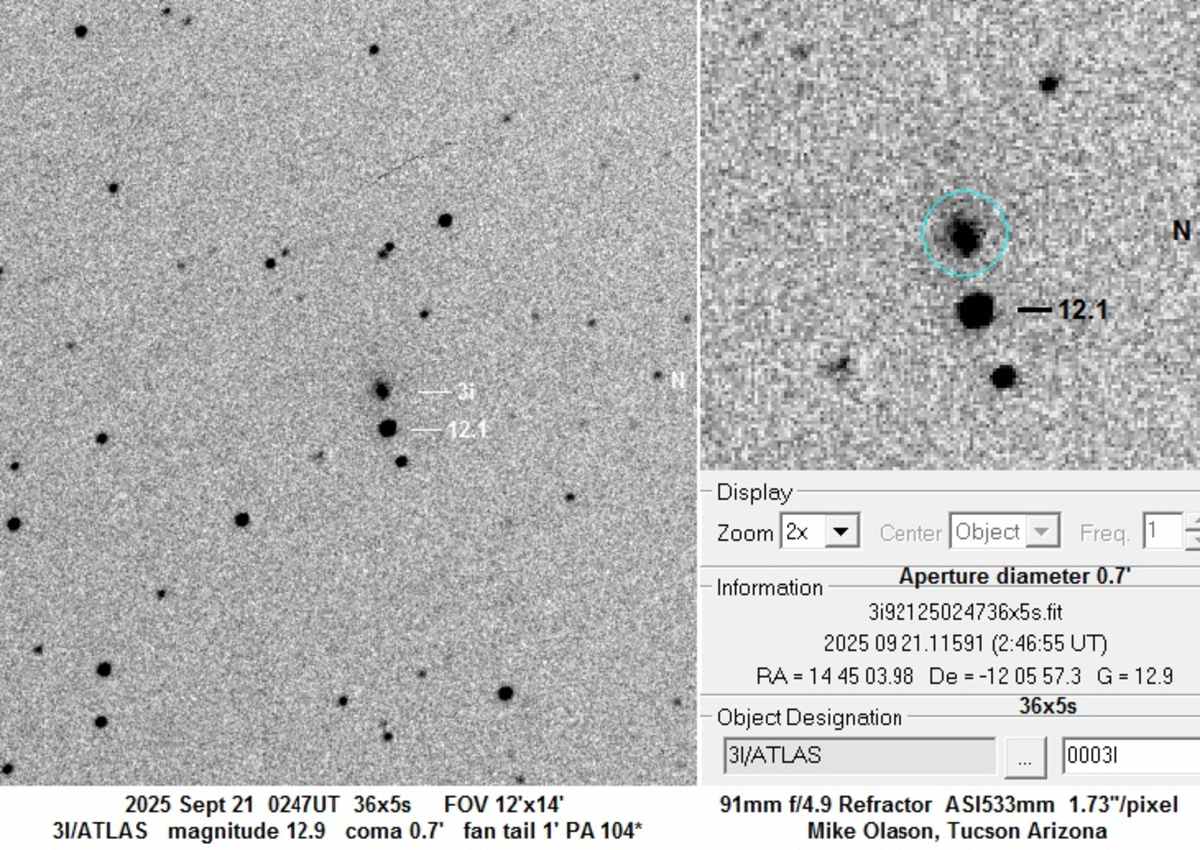
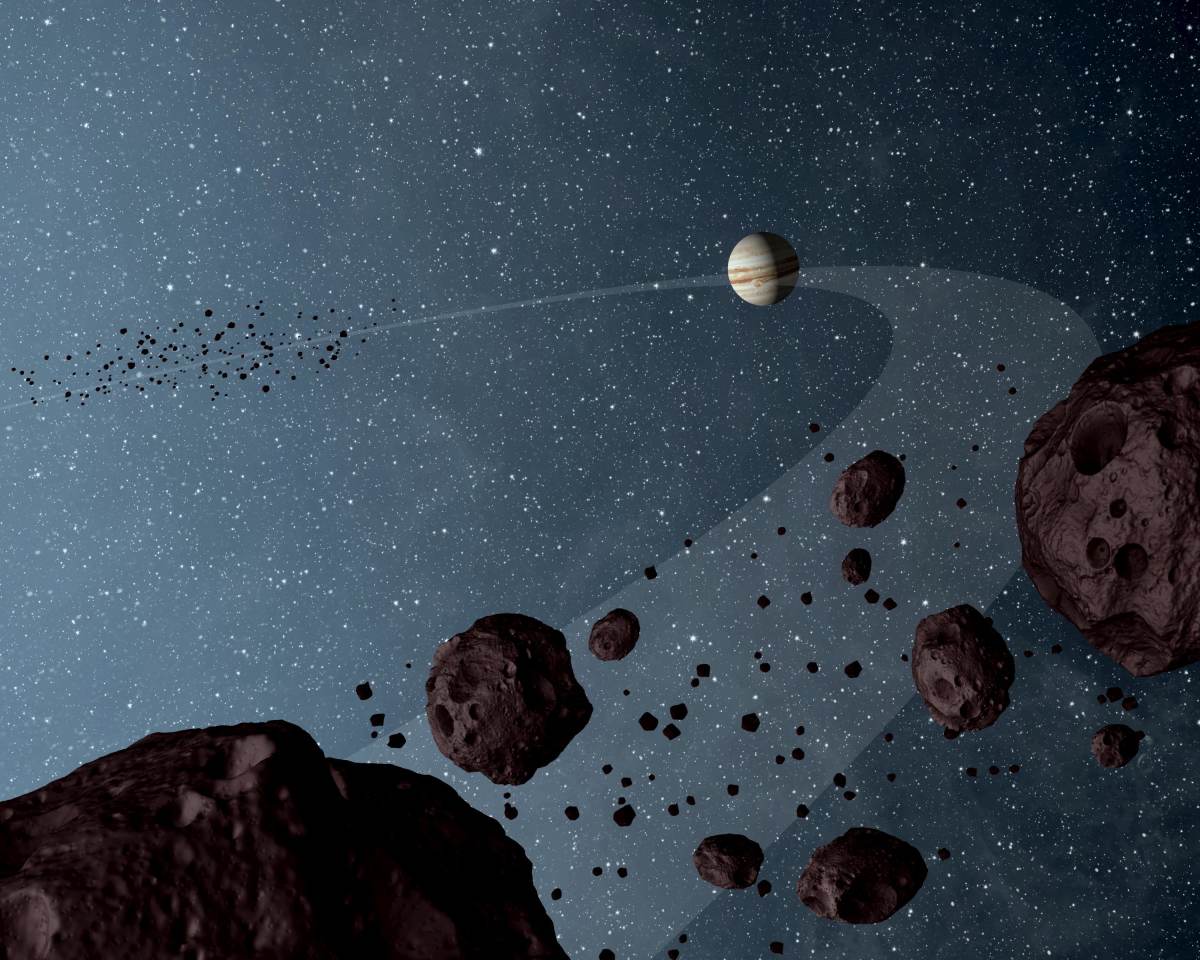
While countless comets and asteroids orbit within our solar system, finding those that originate from deep space is a far greater challenge. Interstellar objects, like 3I/ATLAS, travel on a different trajectory, moving in a hyperbolic, rather than circular or elliptical, path. This means they pass through our cosmic neighborhood and then continue on a straight line, never to return. According to Dr. Matthew Hopkins from the University of Oxford, these objects are difficult to spot for a few reasons. They are often dark and don't reflect much sunlight. Furthermore, their fleeting appearances make them hard to confirm as distinct, moving bodies. Despite these difficulties, researchers estimate that at any given time, as many as 50 interstellar objects could be within Jupiter's orbit.
Dr. Hopkins's research into 3I/ATLAS revealed it could be the oldest comet ever observed. By analyzing its orbit and comparing it to the movement of ancient stars, Hopkins and his team determined that the comet is a remnant from the very early stages of our galaxy's formation. Its composition suggests the presence of heavy elements beyond just hydrogen and helium, providing a rare glimpse into the distant past. The team's findings stem from an Ōtautahi-Oxford interstellar object population model, which helps determine the age of transiting celestial bodies. Researchers will continue to study 3I/ATLAS’s chemical composition once it emerges from behind the Sun in the coming months, seeking more clues about its origins.
The next big leap in finding interstellar visitors will come from the Vera C. Rubin Observatory. Its upcoming Legacy Survey of Space and Time (LSST) will use a highly sensitive telescope to scan vast areas of the southern sky over 10 years. This comprehensive survey is expected to be a key factor in identifying many more interstellar objects like 3I/ATLAS. While the current comet is too faint for backyard observation, astronomers remain optimistic that future discoveries and unpredictable bursts of activity could make these cosmic wanderers more visible to the public.

In an unexpected twist, the Vera C. Rubin Observatory itself provided the earliest, most high-resolution data on the comet. While undergoing testing, the observatory's powerful 8.4-meter Simonyi Survey Telescope and 3.2-gigapixel LSST camera were pointed at the exact celestial coordinates where 3I/ATLAS was located. This happy accident resulted in the observatory capturing crucial images of the comet between June 21 and July 7, days before its official discovery. These unplanned observations are now proving invaluable for researchers studying the object.
More on Starlust
Our third interstellar visitor, comet 3I/ATLAS, has a largely carbon dioxide-infused 'coma'