November's Beaver Moon 2025: Easy viewing tips to enjoy tonight's supermoon
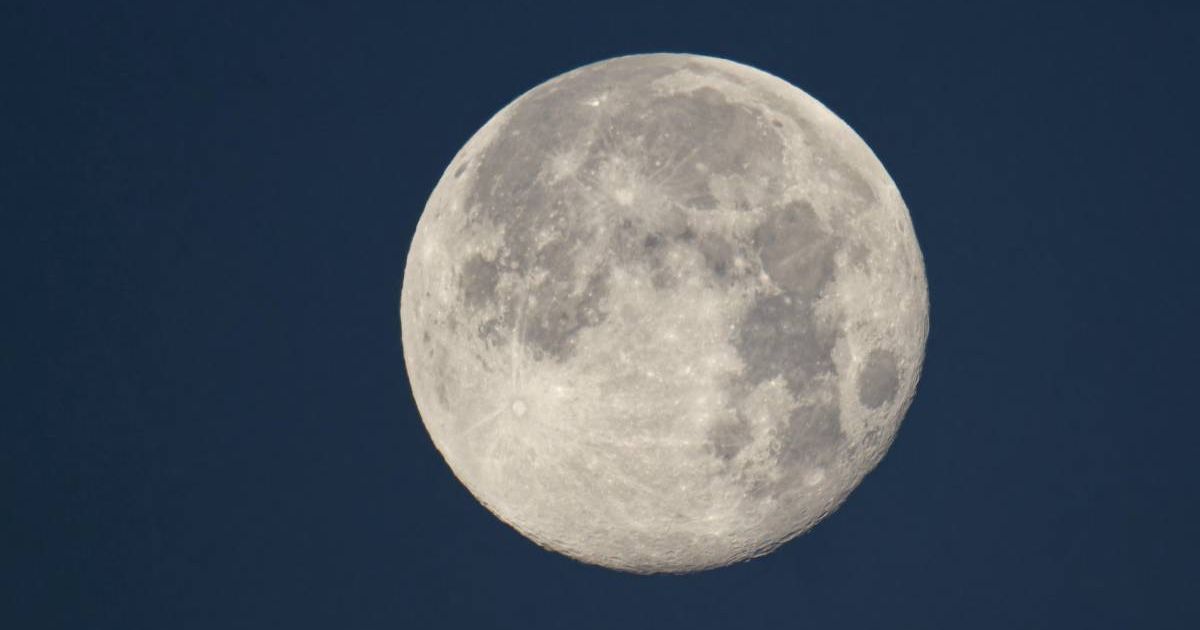
The most significant lunar event of 2025 arrives today, as the Super Beaver Moon ascends, representing the year's biggest and brightest full moon. The peak of this celestial display coincides with the moon reaching its closest orbital distance to Earth, with maximum illumination occurring at 8:19 a.m. EST on Wednesday, November 5.
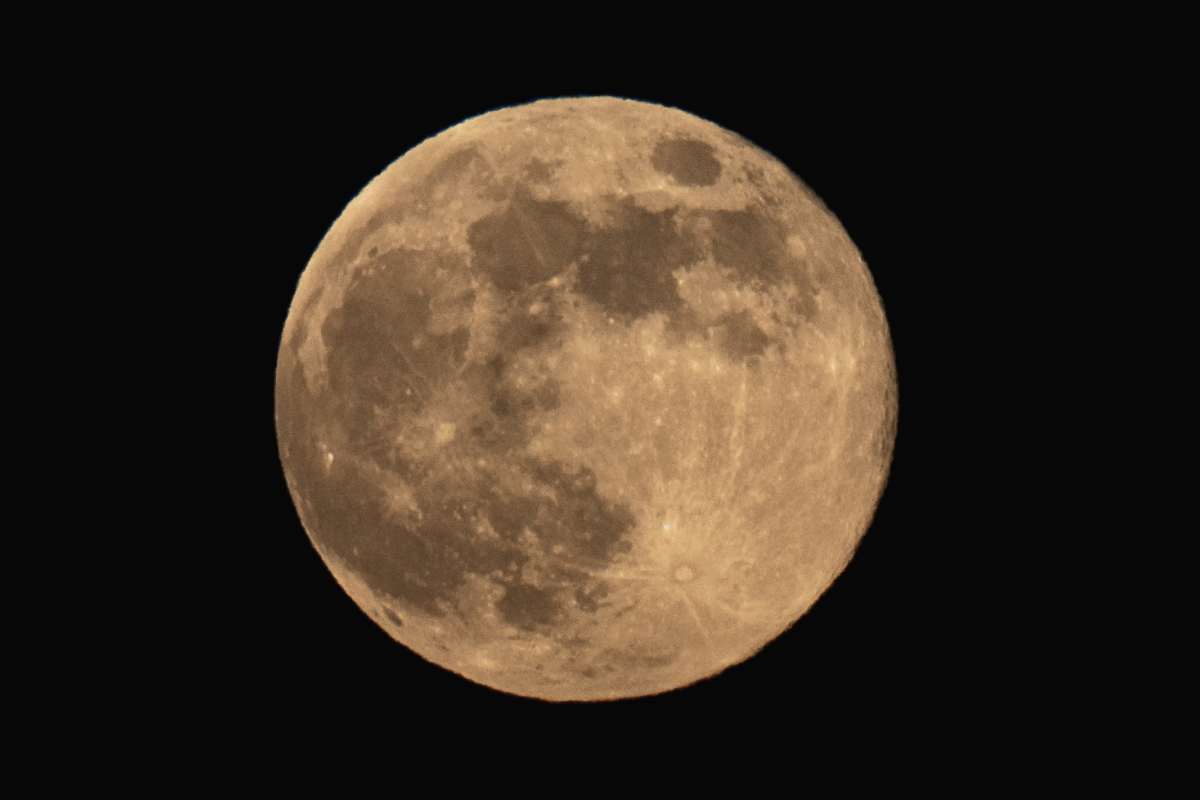
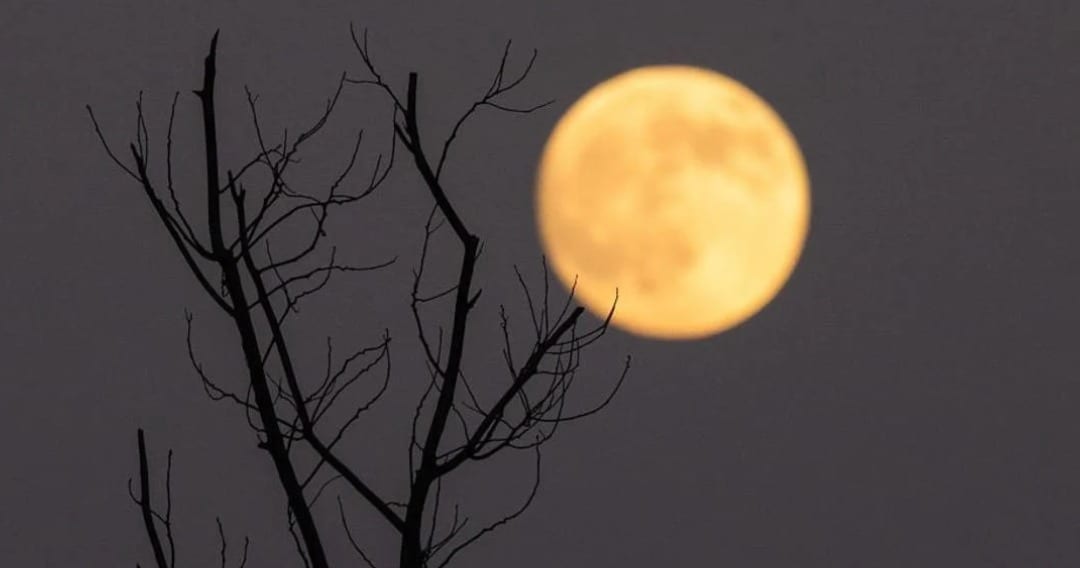
For the most breathtaking view, skywatchers are advised to observe the Moon just as it breaches the eastern horizon during sunset. This specific timing capitalizes on the well-documented "Moon Illusion," a powerful optical effect that perceptually inflates the size of the rising sphere, often giving it a distinct amber tone. It is important to note, however, that the actual physical increase in brightness and size compared to a standard full moon is only a modest 7%.
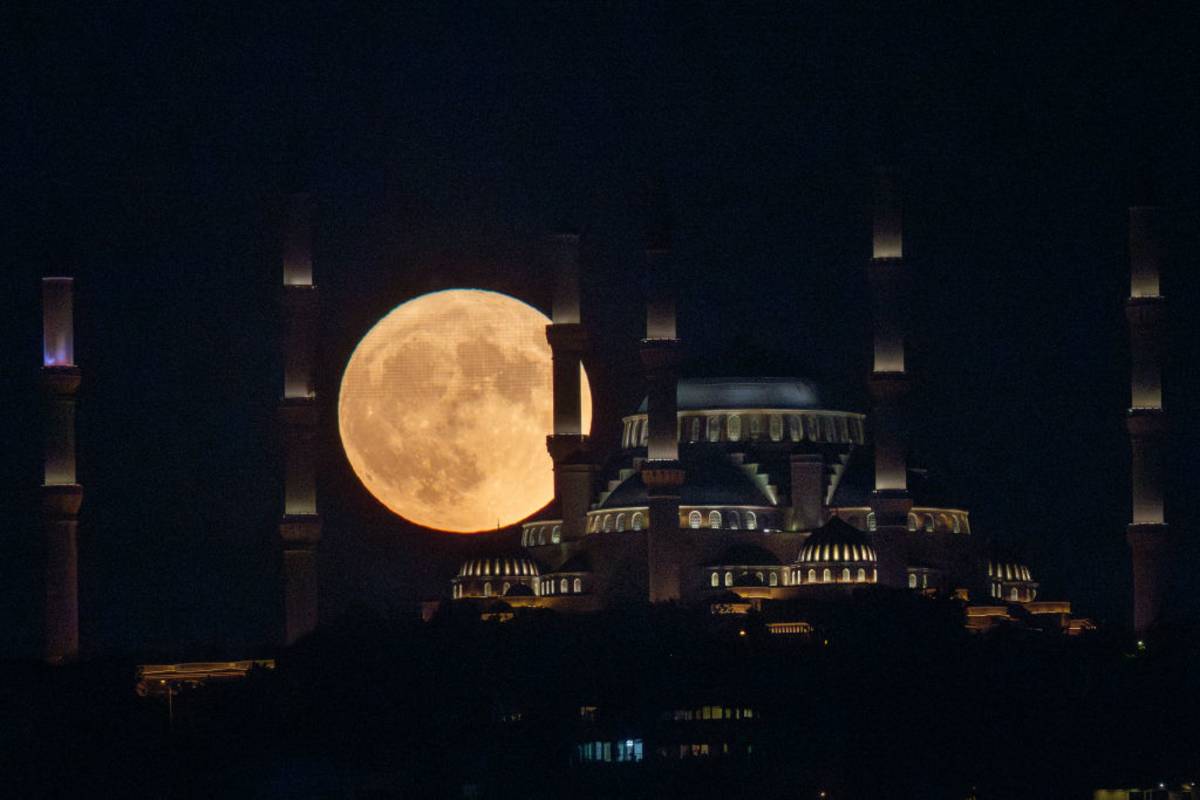
Capturing the dramatic appearance of the full moon on smartphones often results in overly bright, blurry images due to the standard wide-angle lens, according to Outside. To improve smartphone photography, increase magnification before shooting. Significantly reduce the exposure setting to bring out surface details, such as craters. Place a distant object, like a lighthouse, mountain peak, or bird, in front of or near the moon to enhance the sense of scale and drama.

For more dedicated imaging, an investment in a DSLR or mirrorless camera equipped with a telephoto lens is recommended. Planning tools like SkySafari, Stellarium, or Photopills can assist in accurately tracking moonrise/moonset times for perfect alignment shots.
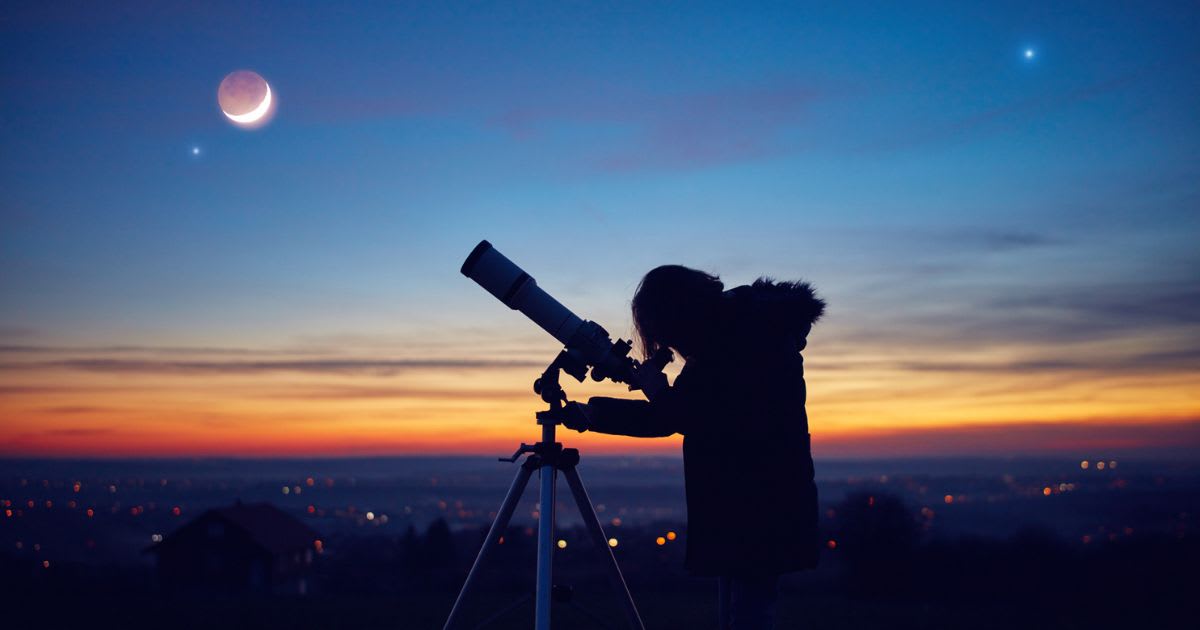
While the fully illuminated face of a full moon is not ideal for deep observation due to the lack of shadows highlighting surface features (the terminator line offers better contrast during crescent or gibbous phases), tonight offers a perfect entry point for novice observers, according to the BBC. Clean off any dusty binoculars, as they provide a significant visual upgrade for a first-time user. For those seeking higher magnification, modern, affordable small telescopes can offer satisfying views, though specialized lunar studies often require a minimum aperture of 4 inches (10cm) for refractors or 6 inches (15cm) for Newtonian reflectors. Experts caution that while telescope filters are useful for other observations, they can sometimes slightly diminish the definition when used on the Moon, as mentioned on the BBC.

Regardless of the equipment used, the Moon remains an ideal celestial body for observation. Its large size, significant brightness, and abundant surface detail make it perfectly suited for viewing with the naked eye or through any magnification tool available.
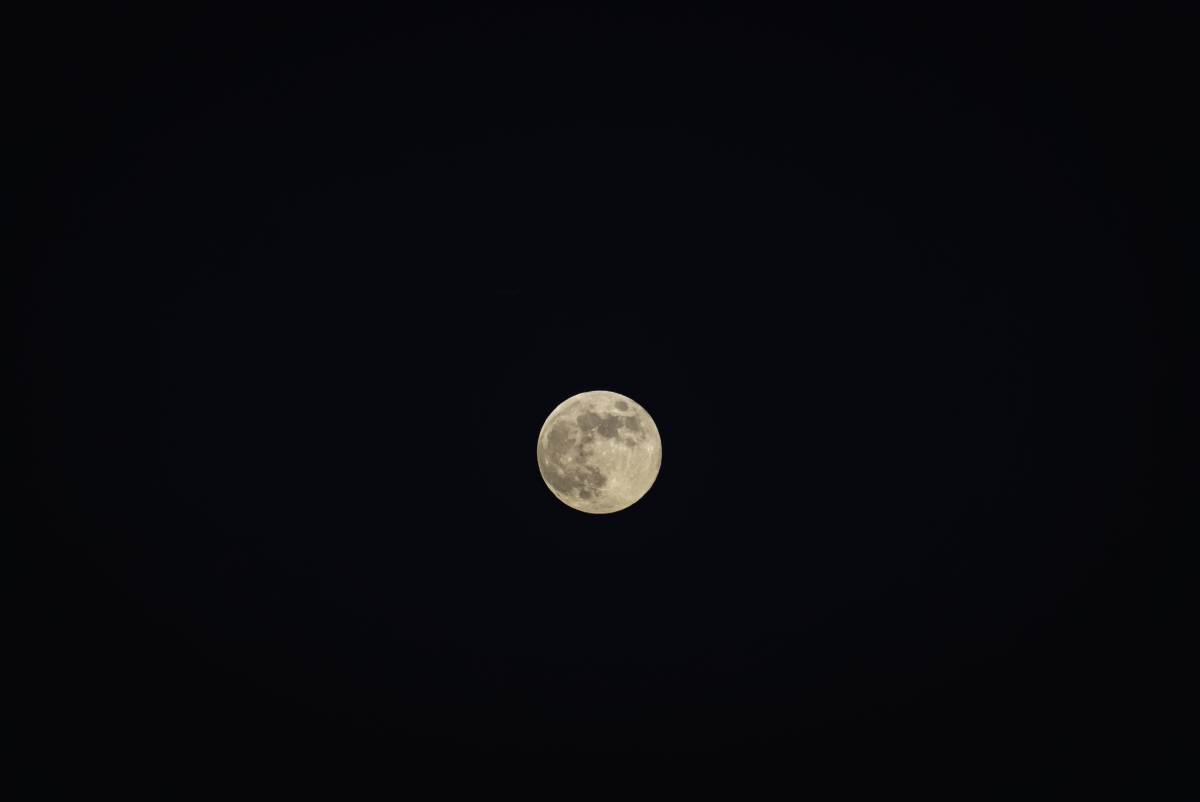
The traditional name for this November Full Moon is the Beaver Moon. This title stems from the time Indigenous peoples noted beavers completing their winter preparations, just before retreating to their lodges with their thickest pelts. Historically, this also marked the height of the beaver trapping season during the North American fur trade. Other regional names reflect the seasonal change, including the Dakota/Lakota Deer Rutting Moon and the Algonquin Whitefish Moon. Colder weather is signaled by names like the Cree Frost Moon and the Assiniboine Freezing Moon. For those unable to catch tonight's display, the series of Supermoons concludes shortly after with the year's final event on Thursday, December 4, 2025 (peaking at 6:14 p.m. ET).
More on Starlust
Will the Beaver Supermoon — the biggest of 2025 — be visible in your country on November 5
Beaver Moon 2025: When and how to see the November Supermoon