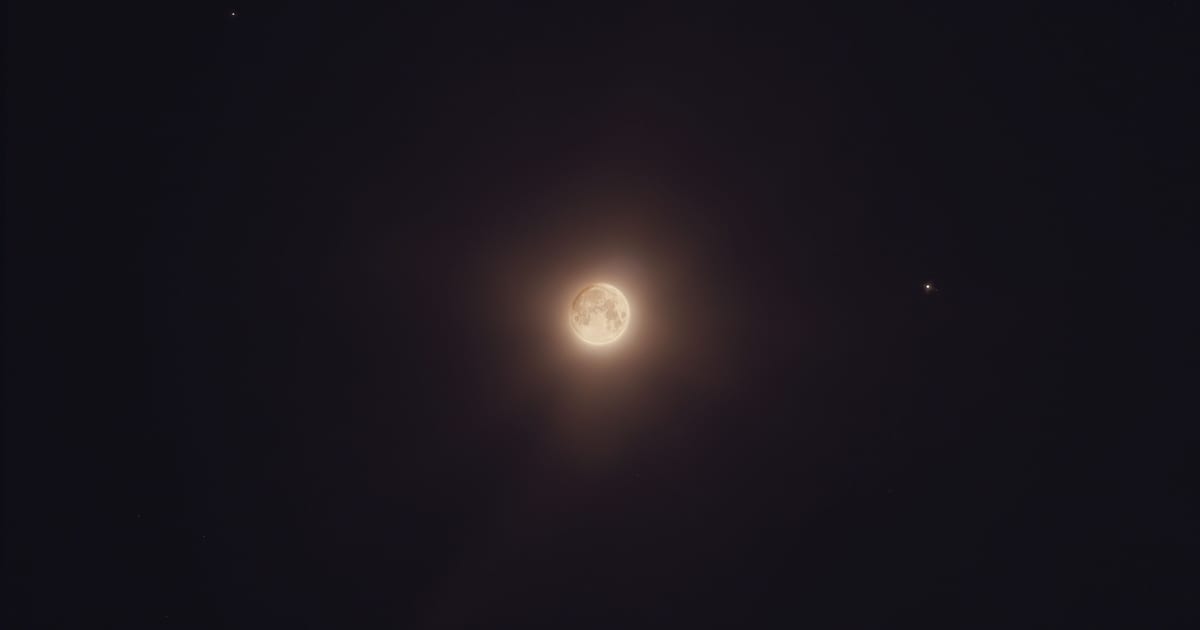
Moon phases 2025: When is the next full moon?
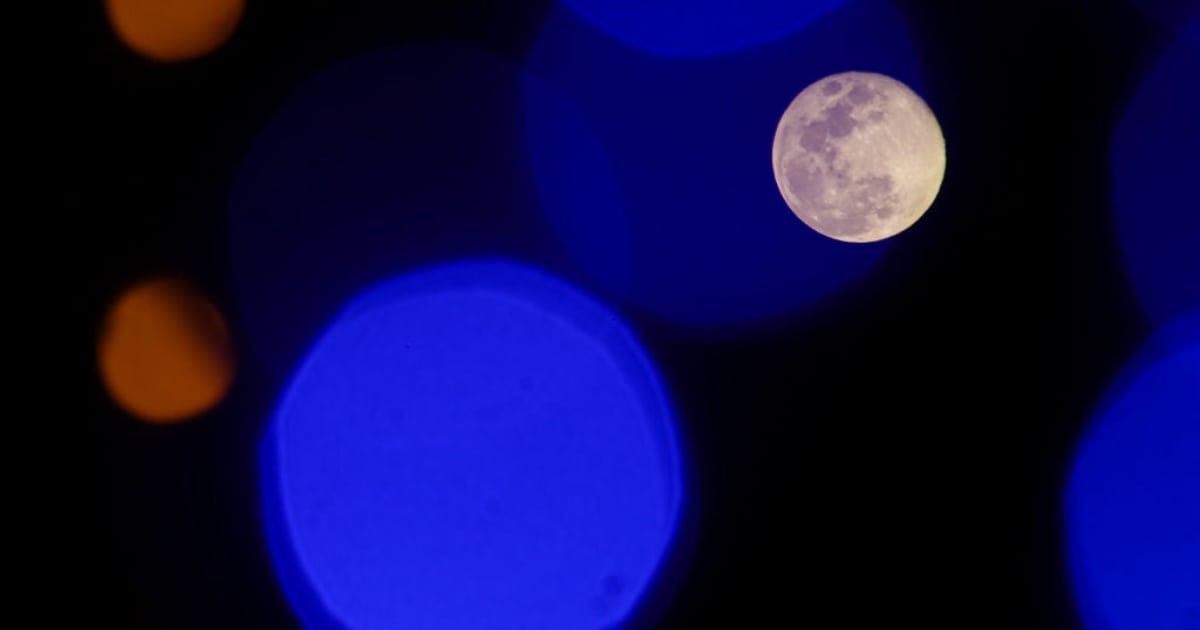
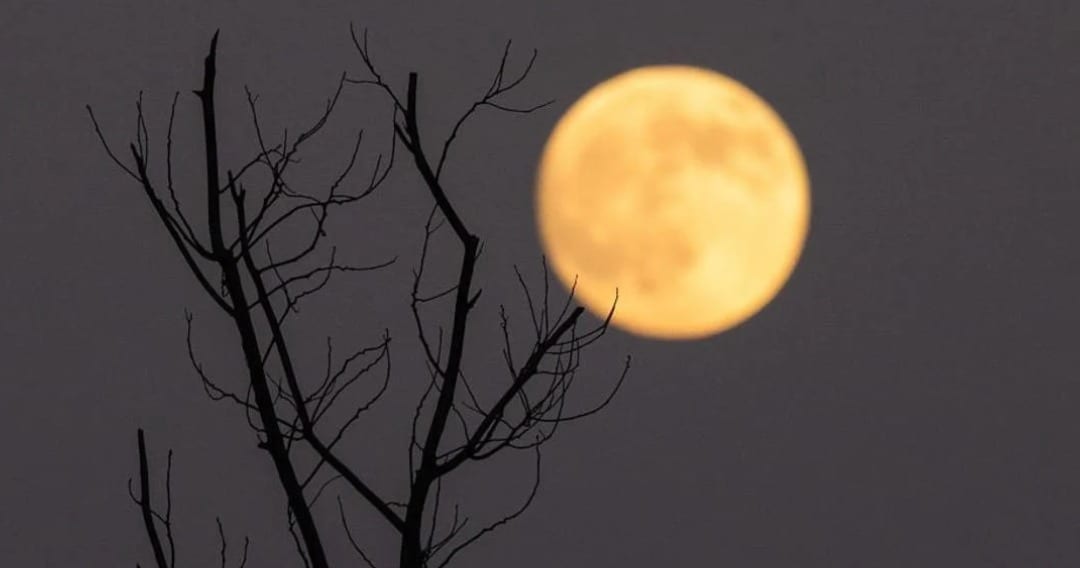
Skywatchers are turning their attention to the final full moon of the year, as December is set to feature the 'Cold Moon.' According to the Royal Museum Greenwich, this popular moniker for the late-year lunar event reflects the arrival of winter. It has historically also been referred to as the Long Night Moon or Oak Moon. The Cold Moon in December 2025 is officially set for Thursday, December 4, marking the highest point of illumination, according to the Royal Observatory Greenwich.
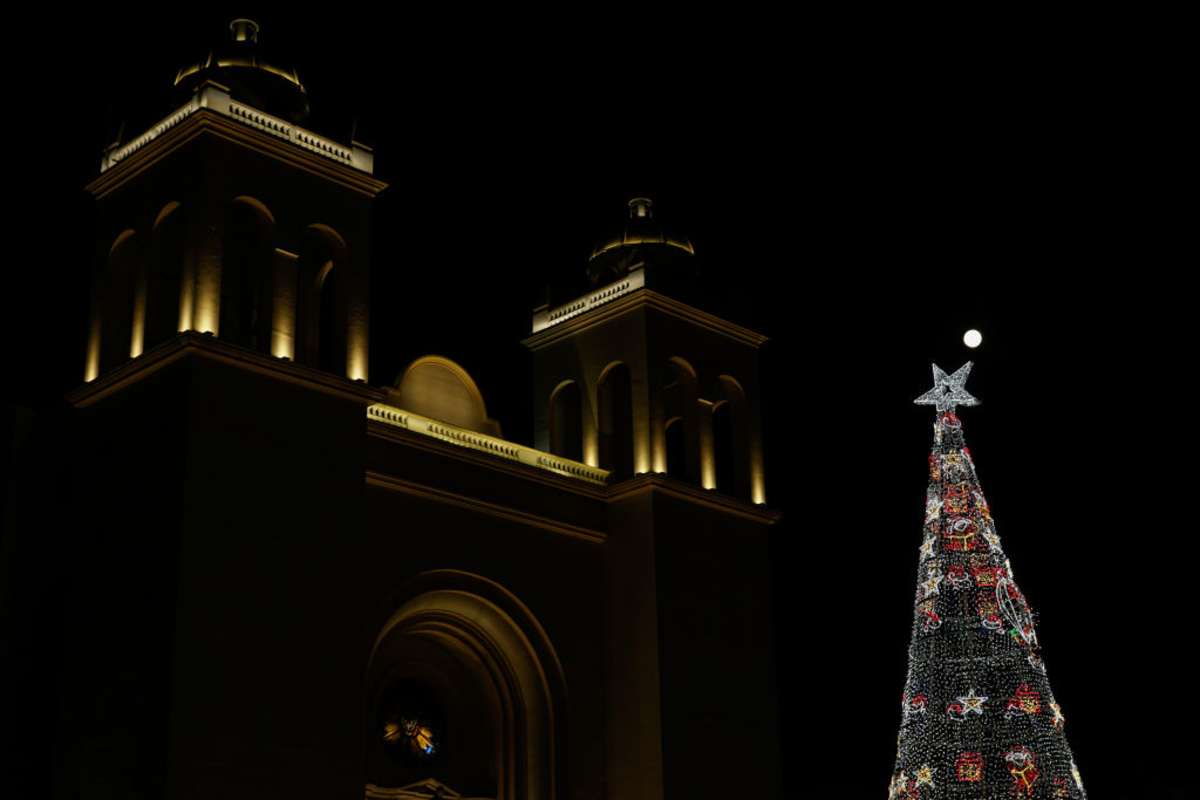
A full Moon is the only time the Moon appears as a complete, bright circle in the night sky. This visual effect is achieved because the entire side of the Moon facing Earth is illuminated by sunlight. The Moon itself does not emit light; it only reflects it. While distant stars and Earthshine (light reflected from our planet) contribute a minor amount, the Sun remains the primary source of lunar visibility.
The perceived shape of the Moon changes based on its phase, which cycles from new Moon to full Moon, involving periods of waxing (growing) and waning (shrinking). These distinct appearances are entirely dependent on the geometric arrangement of the Sun, Earth, and Moon. A new Moon occurs when the Moon is positioned between the Earth and the Sun, leaving the Earth-facing side in shadow. Conversely, a full Moon is achieved when the Earth is positioned between the Sun and the Moon, allowing the entire visible hemisphere to be fully bathed in sunlight.
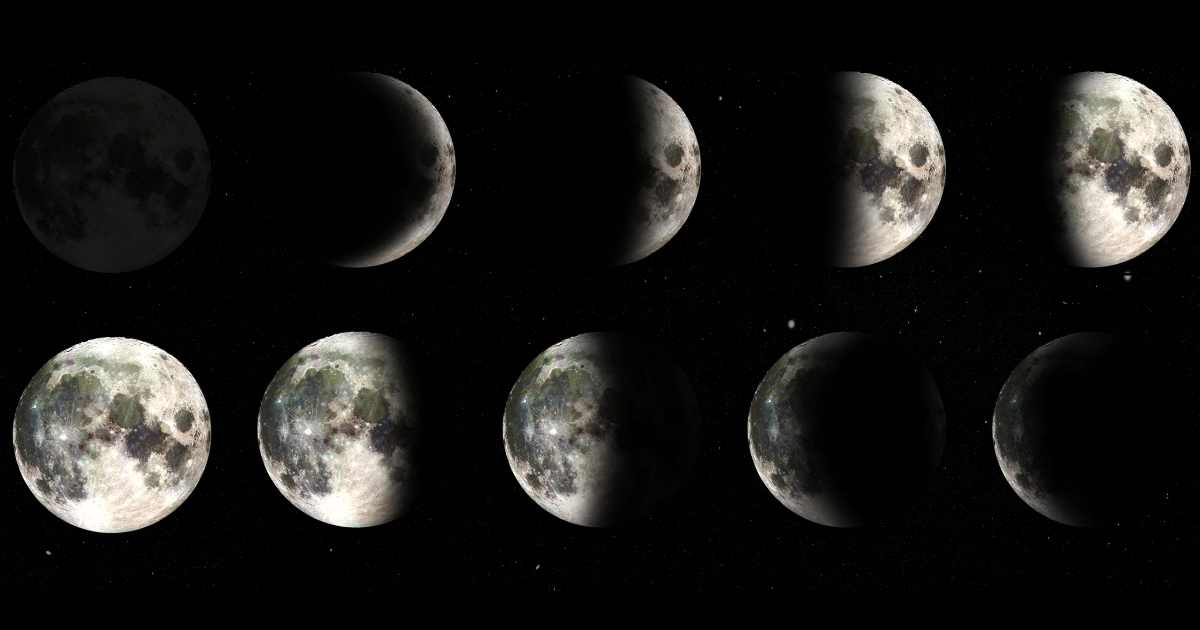
The complete lunar cycle, from one full Moon to the next, takes approximately 29.5 days. This length is the basis for the term 'month,' which is historically derived from the word 'moon.' However, because modern calendar months are structured to align with the solar year (365 days), they often contain 30 or 31 days. This misalignment means that occasionally, more than one full Moon can occur within a single calendar month, an event popularly termed a blue Moon.
The precise time listed for a full Moon refers to the exact moment of syzygy, the point where the Sun, Earth, and Moon are in perfect alignment on opposite sides of our planet. This alignment can happen at any hour, day, or night. Nevertheless, the Moon will appear visually full to observers on the evening before, or the evening following, this exact moment.
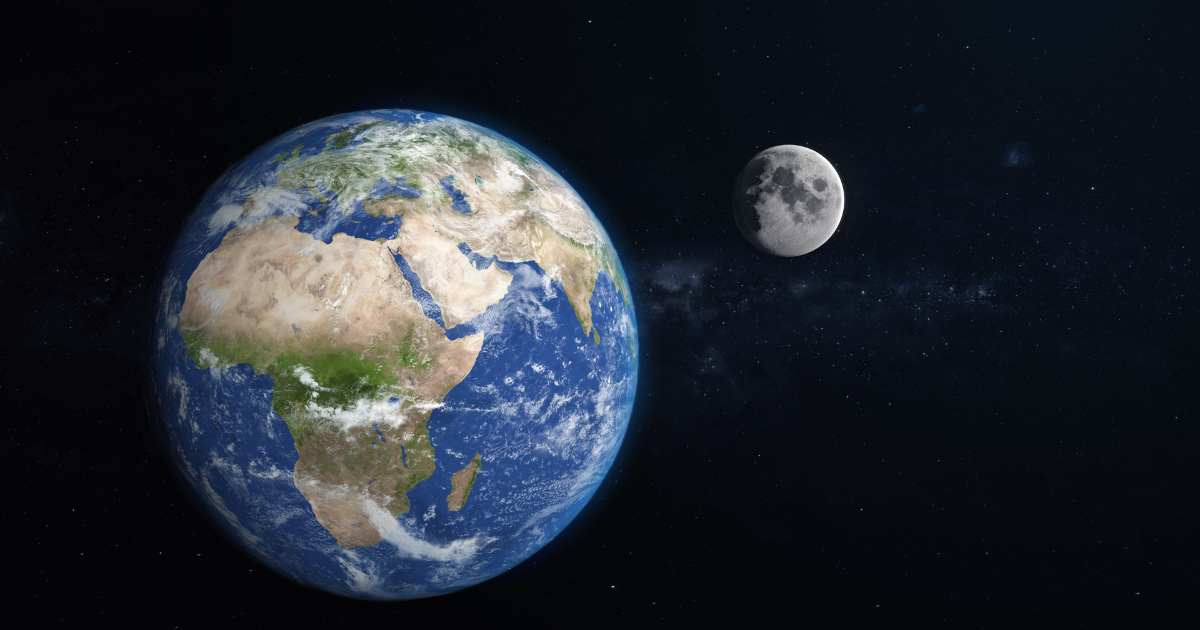
The celestial event preceding the Cold Moon, the November full moon, is poised to offer the most spectacular lunar display of the year, having officially earned the title of 2025's closest 'Supermoon.' Sky-gazers are strongly encouraged to observe the spectacle on the evenings of Tuesday, November 4, and Wednesday, November 5, as the Moon achieves its nearest point to Earth. The astronomical phenomenon will officially reach its peak, known scientifically as a perigean full moon, on Wednesday, November 5, 2025.
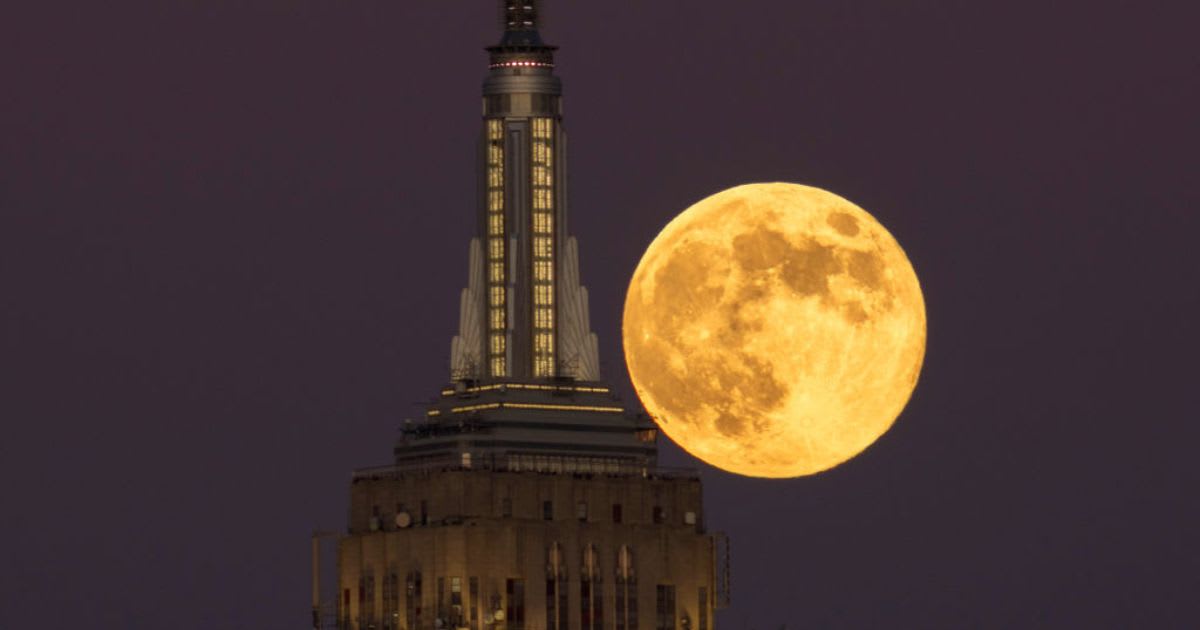
During this event, the November full moon will be positioned significantly closer to our planet than any other full moon in the annual cycle. Its closest approach, or perigee, will place it a mere 221,817 miles (356,980 kilometers) from Earth, securing its designation as the closest and most visually striking Supermoon of the year.
More on Starlust
Will the Beaver Supermoon — the biggest of 2025 — be visible in your country on November 5
November 2025 skywatching guide: This year's biggest supermoon, Leonids fireballs and more