Next total lunar eclipse visible in Americas—don't miss the March 2026 'Blood Moon'
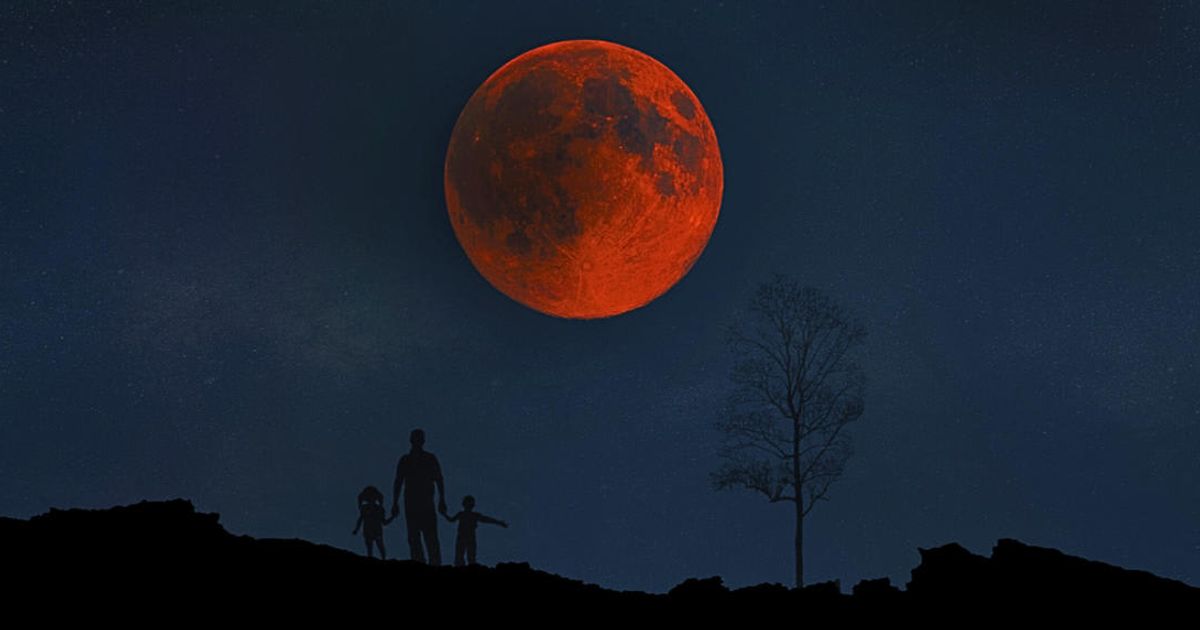
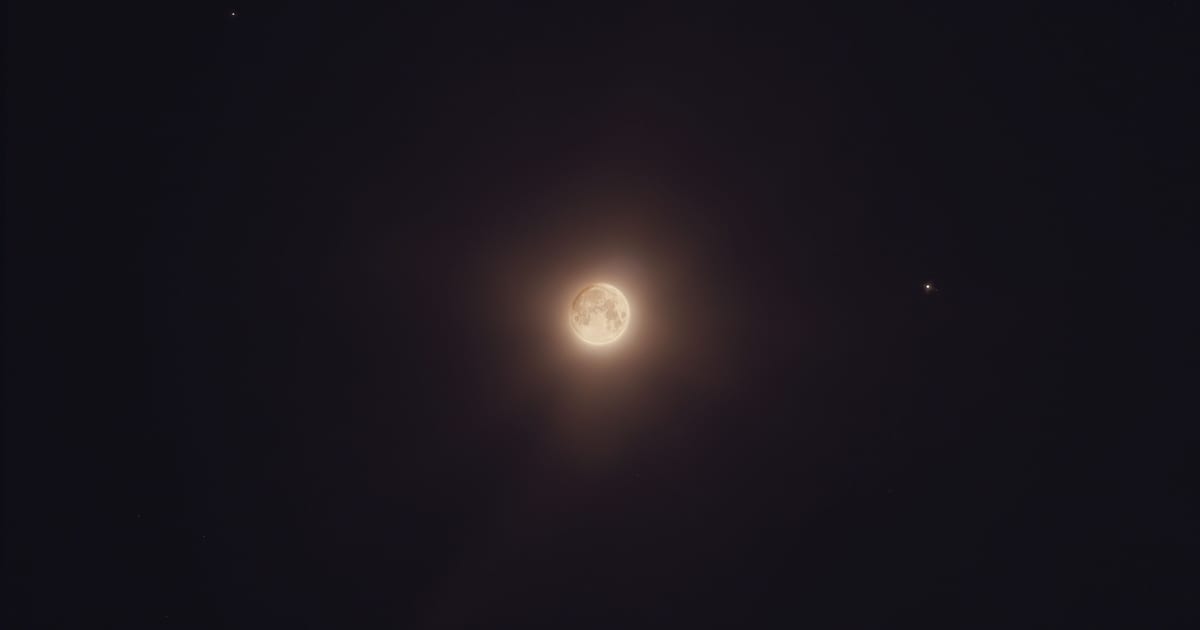
Stargazers across the United States can mark their calendars for a celestial treat, as the next total lunar eclipse is set to occur on March 3, 2026. This rare astronomical event will be visible throughout the Americas, as well as parts of Asia, Australia, and the Pacific Islands, as per NASA.
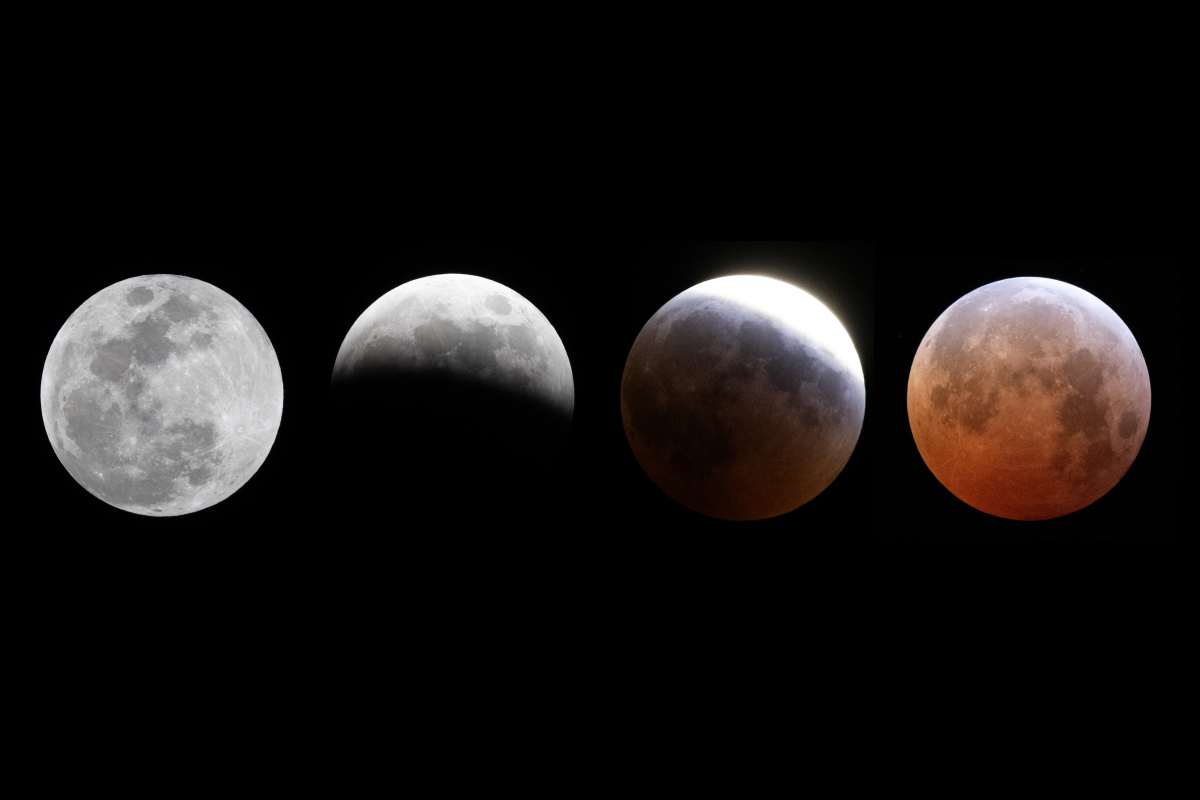
While a partial eclipse will be visible in late August 2026, the March event will be the next opportunity for North American skywatchers to witness the moon completely engulfed in Earth's shadow. While a spectacular total lunar eclipse is set to captivate skywatchers this week, viewers in the Americas will unfortunately miss out on the celestial show. Slated for September 7 to 8, 2025, this will be the longest lunar eclipse since 2022, with a totality of about 82 minutes. The moon will take on a dramatic reddish hue, a sight visible to roughly 85% of the global population.
The moon will be below the horizon for the entire duration of the eclipse for observers in the Americas. However, viewers in the U.K., Spain, Brazil, and other regions will be able to catch some of the eclipse's phases. Unlike a solar eclipse, a lunar eclipse is completely safe to view directly. No special equipment is needed to prevent eye damage, so you can enjoy the spectacle with the naked eye, binoculars, or a telescope. For photographers, a tripod and cable releases can help keep cameras steady, while keeping extra batteries on hand will ensure you don't miss capturing any moment of this rare occurrence.

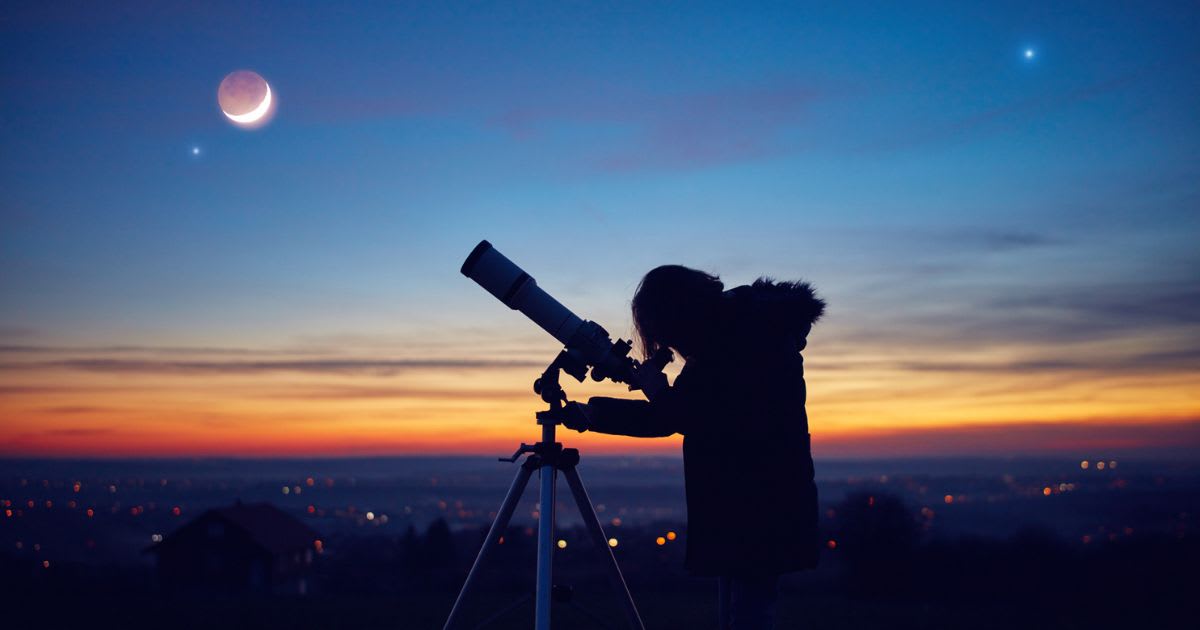
While the spectacle of a lunar eclipse is stunning to the naked eye, those with binoculars or a telescope can appreciate the moon's finer details. The limited resolution of the human eye makes it difficult to see craters, ridges, and varied textures on the lunar surface. Using even a small pair of binoculars with at least 7 times magnification will reveal a much more intricate and detailed view of the moon. For those with higher-powered binoculars or a telescope, a tripod is highly recommended to maintain a steady image. Telescopes provide a brighter and sharper view, though atmospheric turbulence can sometimes limit clarity. Observers with equipment will find the most dramatic details along the terminator, the dividing line between lunar day and night, where long shadows create incredible depth and contrast across the landscape.
A total lunar eclipse happens when the Earth positions itself directly between the Sun and the Moon, casting a shadow on its natural satellite. While the Moon's tilted orbit prevents this from occurring every month, a few times a year, the perfect alignment of the Sun, Earth, and Moon creates this spectacular event. This specific phenomenon gives the Moon its striking red color. As the Moon moves into the Earth's deep shadow, known as the umbra, it doesn't vanish entirely. Instead, our atmosphere scatters blue light more effectively, allowing longer, reddish wavelengths to pass through and bend around the Earth. These red light waves then illuminate the Moon's surface, giving it the dramatic, crimson glow of a "Blood Moon." This process, called Rayleigh scattering, is the same reason our sunsets are tinged with red and orange.
More on Starlust
Ahead of September 7 Blood Moon, effective tips for observing the total lunar eclipse