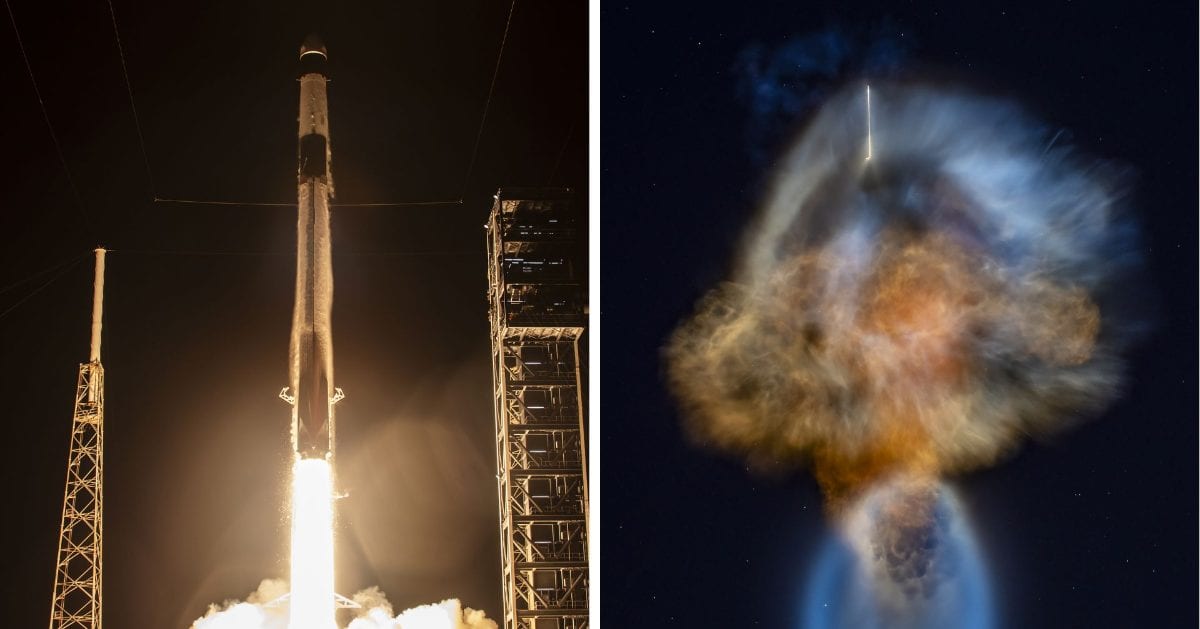
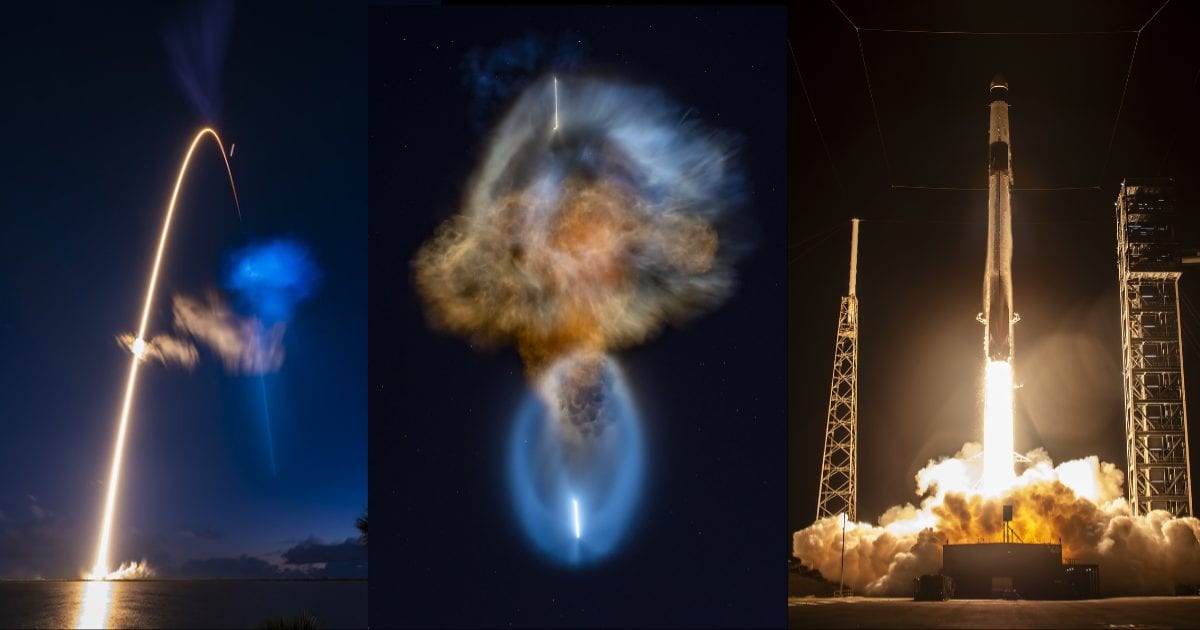
This Paralympian from the UK could become the first physically disabled person to live in space
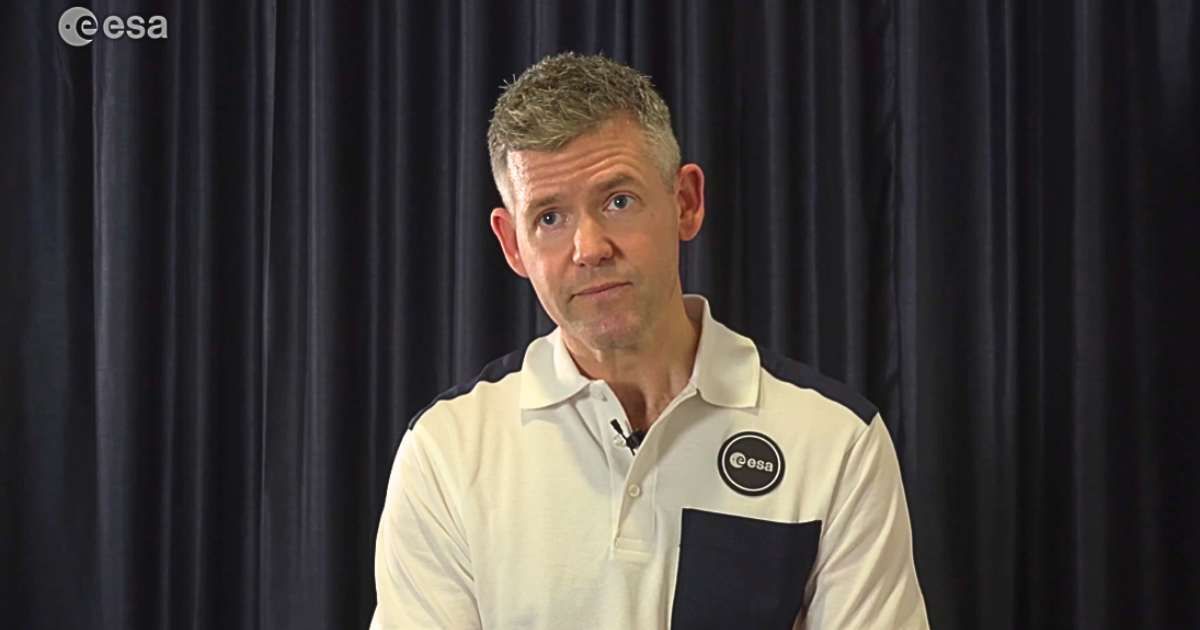
The United Kingdom's John McFall could become the first physically disabled person to live and work in space. An agreement signed between the UK government and Vast could see McFall travel to the company's Haven-1, the world's first commercial space station scheduled to launch in 2027. There, he will conduct pioneering research across multiple fields, including human physiology and musculoskeletal adaptation and how prosthetics perform in microgravity. The UK Space Agency will support Vast in securing sponsorships for McFall's flight.
1/ Big news! 🚀
— UK Space Agency (@spacegovuk) June 2, 2026
The UK government has signed an agreement with US space company @vast that could send UK astronaut John McFall to space. 🧑🚀 pic.twitter.com/ve7yNZz3Mr
McFall, an NHS surgeon, was just 19 when he lost his leg in a motorcycle accident. Undeterred, however, he went on to represent Great Britain as a sprinter at the 2008 Beijing Paralympics. Then, in 2022, he was selected by the European Space Agency (ESA) for its Fly! Project, which is working towards including physically disabled astronauts in long-duration space missions.
Since 2023, he has been training at the European Astronaut Centre in Germany, practicing tasks in zero-gravity parabolic flights, surviving remote environments, and flying light aircraft. "John McFall’s story is one of extraordinary determination—as a Paralympian, a surgeon, and a pioneering astronaut," said Space Minister Liz Lloyd in a statement.
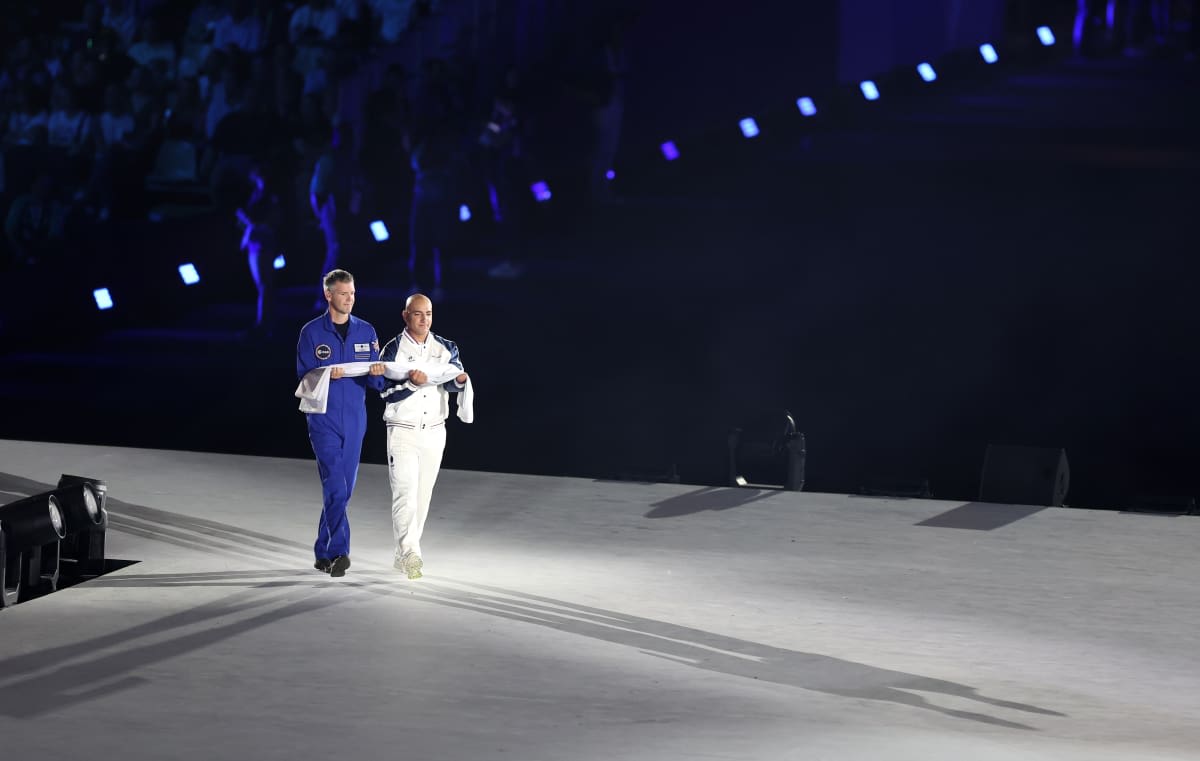
3/ Once there, John would conduct research into prosthetics in microgravity, and movement in space.
— UK Space Agency (@spacegovuk) June 2, 2026
Last year, John became the first astronaut with a physical disability to be medically cleared for a long-duration mission after working with @ESA on its Fly! project. 🦿 pic.twitter.com/dyvo5oeiJD
All that training will come in handy when McFall is up there on Haven-1 doing research, the findings of which are expected to benefit disabled people on Earth by yielding designs for lighter prosthetics and providing deeper insights into conditions like osteoporosis, among other things. It must be noted that though McFall could indeed be the first to stay in orbit for an extended duration, the distinction of being the first wheelchair user in space belongs to Michaela "Michi" Benthaus, who went to space onboard Blue Origin's NS-37 mission, albeit only for a short duration.
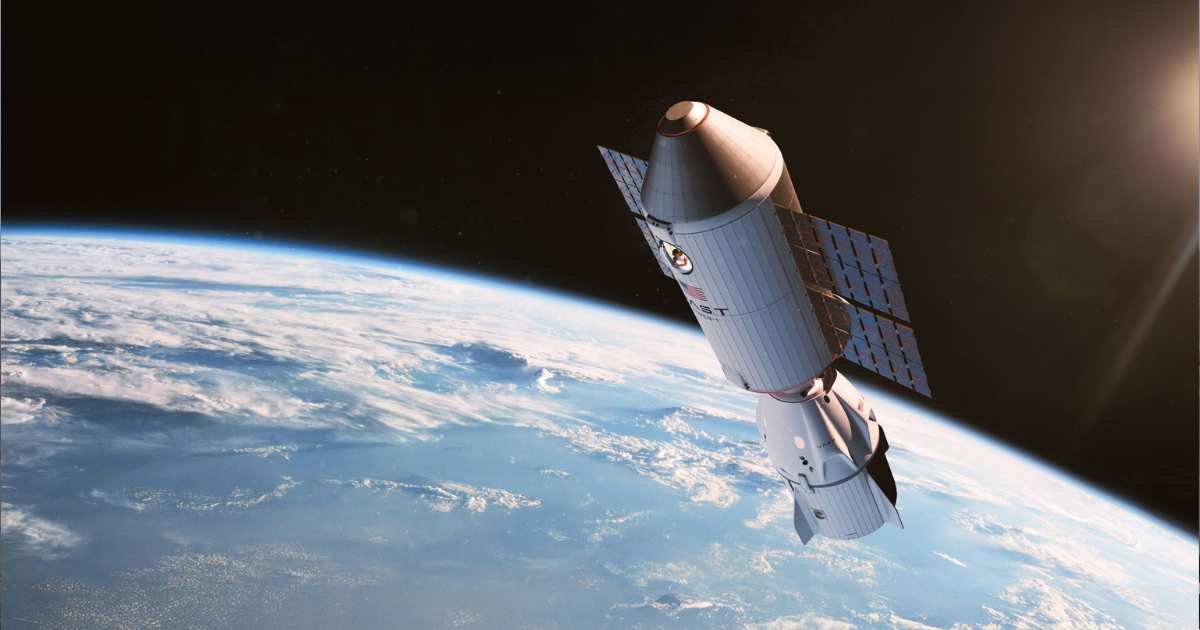
Addressing the agreement between the UK government and Vast, McFall stated, "If we can make this mission happen, it won’t just be a milestone for human spaceflight, it will send a powerful message about what people with disabilities are capable of, and that there should be no limit to what you can achieve—on Earth or in space." The CEO of Vast, Max Haot, meanwhile, expressed his gratitude for the collaboration between Vast and the UK government. "We are honoured to collaborate with the UK government on advancing its leadership in space. The potential opportunity for John McFall to join a future Haven-1 mission is another example of how commercial space stations can expand access to space, support greater crew inclusivity, and enable meaningful medical research that benefits humanity," he said.
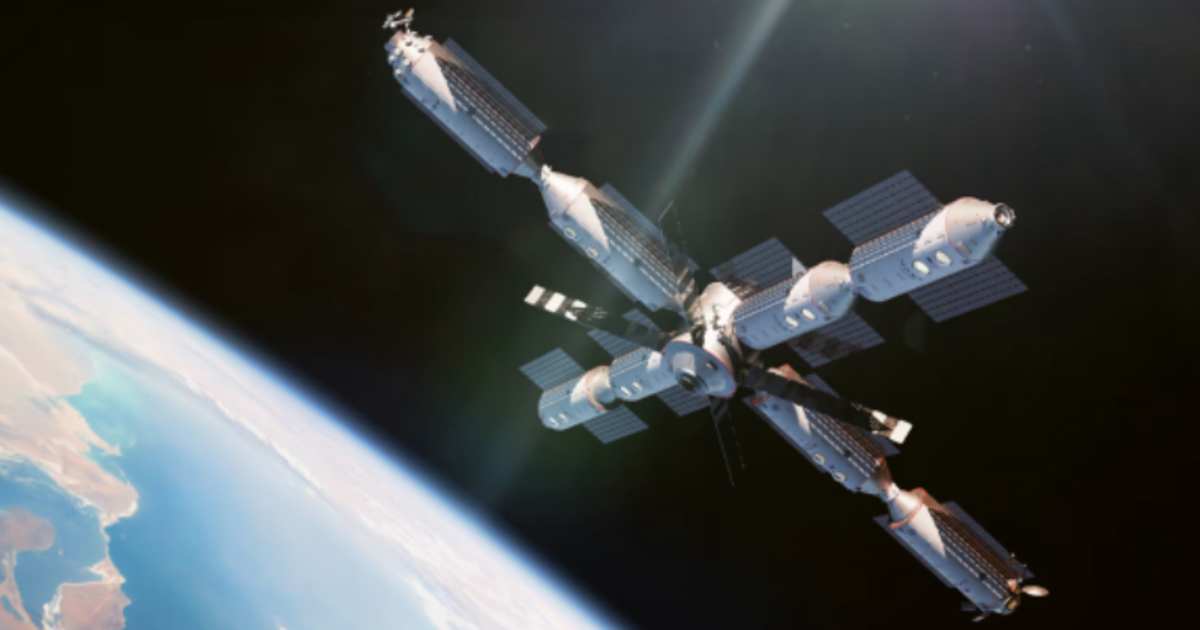
The plan for Vast is to finish the integration of their Haven-1 infrastructure, which will serve as a precursor to Haven-2, which has been intended as a replacement for what the International Space Station offers right now. Speaking of the ISS, Vast has also been awarded the sixth private astronaut mission (PAM) to the orbiting laboratory. The ESA's Thomas Pesquet, a French astronaut, will be in command of the mission, while his countryman, Arnaud Prost, also from the ESA, will serve as a flight test engineer on the first crewed mission and flight acceptance test for Haven-1.
More on Starlust
Vast secures funding of $500 million to speed up building its 'Haven' private space stations
How to spot the International Space Station with the naked eye before it deorbits in 2030