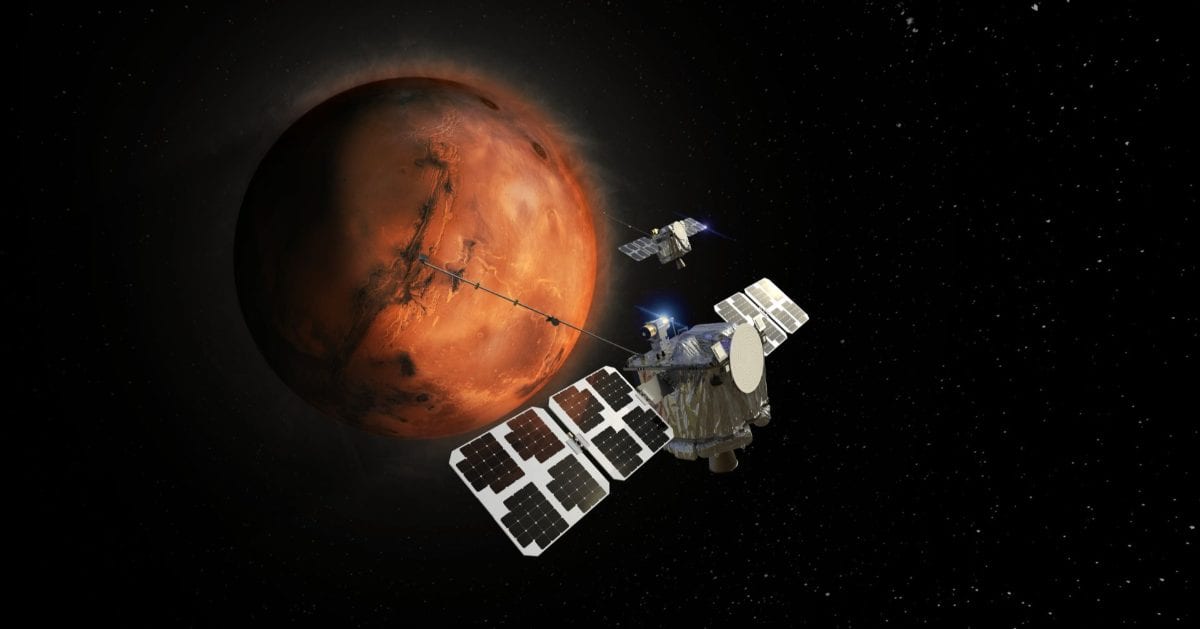
New NASA material, grown inside bacteria, could be produced directly on Moon and Mars
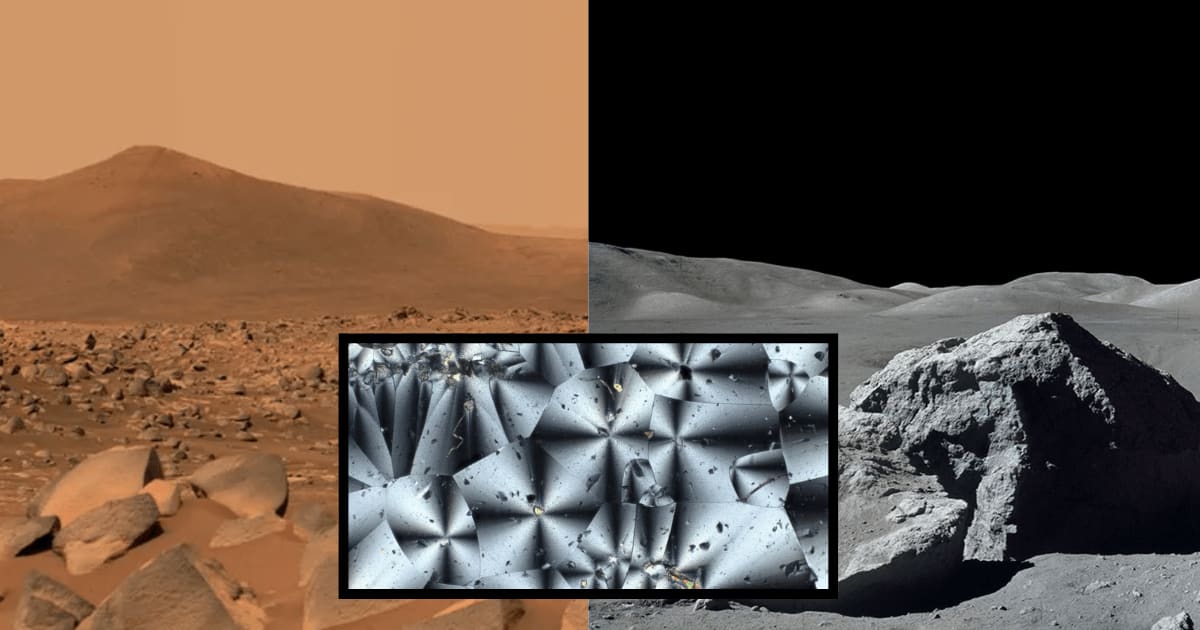
NASA may be able to pack light for future missions to the Moon and Mars, thanks to a new building material developed at the Glenn Research Center in Cleveland.
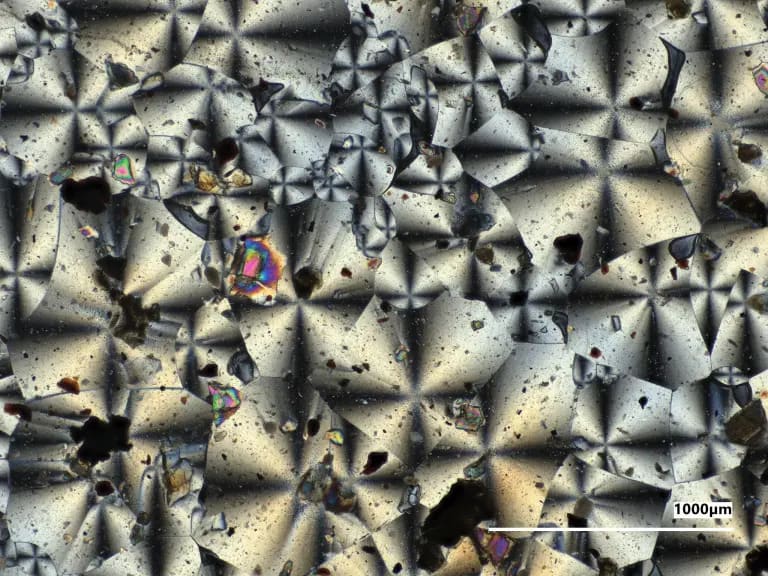
Take a peek under the microscope with us at a new @NASA material! 🔬
— NASA's Glenn Research Center (@NASAglenn) September 29, 2026
It could be produced directly on the Moon or Mars and be used for manufacturing during future space missions, allowing NASA to pack fewer supplies — saving weight and reducing launch costs.
Research chemical… pic.twitter.com/E00ehGZVEe
The new material is a mix of a special plastic and simulated Moon and Mars dust. Unlike the plastic we are familiar with, the special plastic is biodegradable. But what's really interesting is that it could be produced by bacteria feeding on astronaut waste or carbon dioxide. "The plastic literally grows within the bacteria’s little bodies," Christy said in a statement. "It's really cool." She was joined in her research by summer interns at the Glenn Research Center—Tyler Klinchuch, Ethan Bilodeau, and Emma Levenson.
Christy and her team of interns found that the bioplastic becomes stronger when it is mixed with simulated lunar and Martian dust, and adding different types and quantities of dust allowed the properties of the material to be altered. Future missions to the Moon and Mars could thus see astronauts use the material to build a wide variety of things, including structural brackets, wrenches, chairs, and even entire habitats, NASA said. And because the material is biodegradable, objects built out of it could also be recycled.
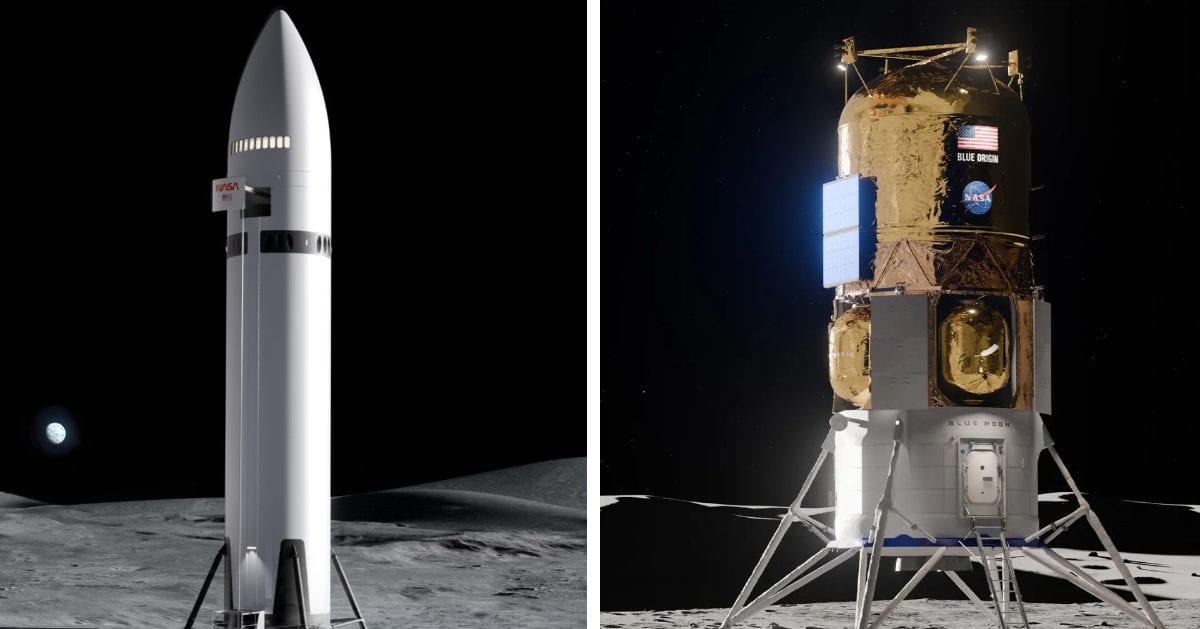
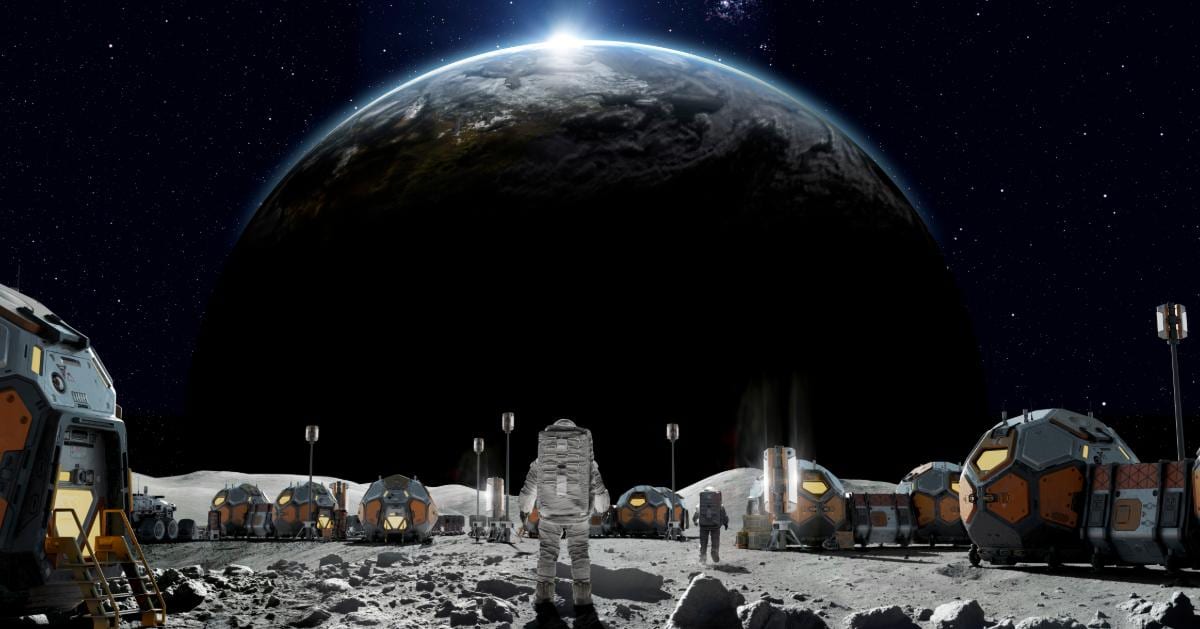
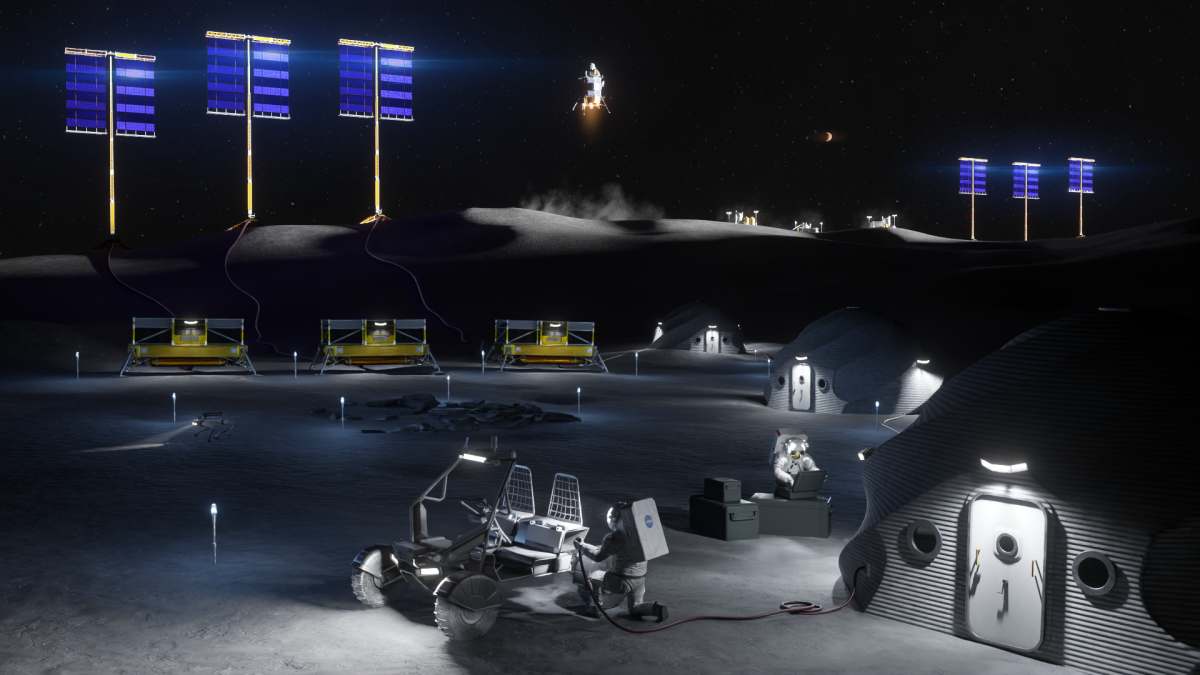
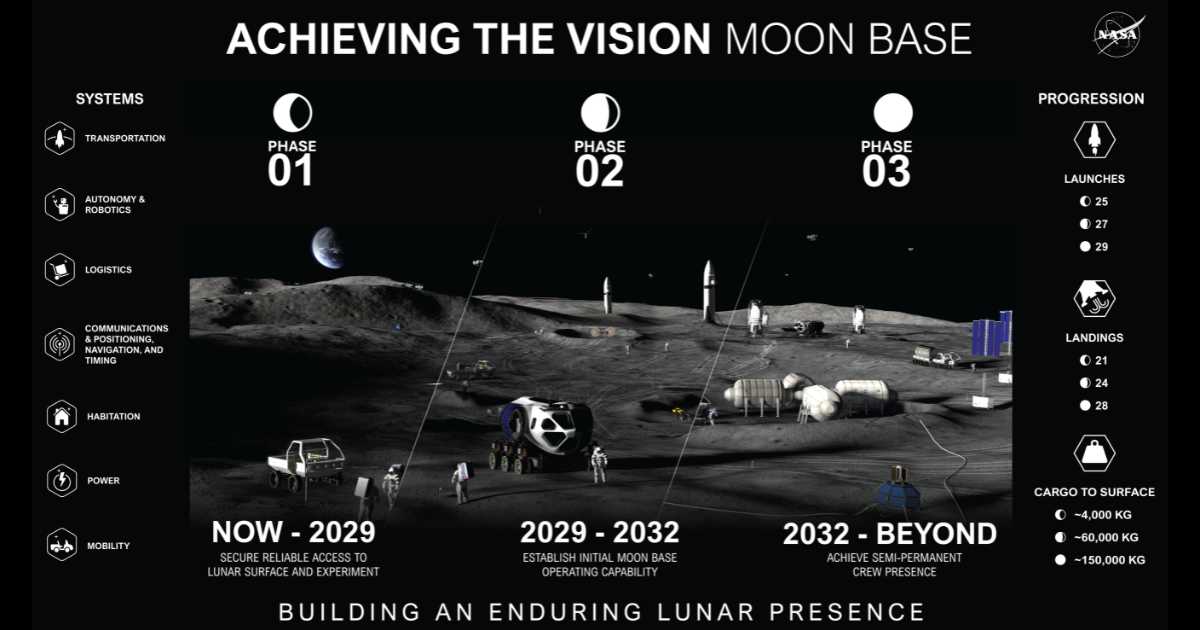
These properties of this bioplastic could prove to be critical for NASA in its pursuit of establishing a Moon Base. After all, rockets, even if they are as big and as powerful as SpaceX's 407-foot-tall Starship, have a payload limit. Moreover, resupply missions are not exactly cheap, and planning and executing them also takes a lot of time. As Christy says, "You can’t just bring everything with you to the Moon or Mars. If something breaks, you have to find a way to fix it with what you have. This is a very versatile material, which is a huge benefit."
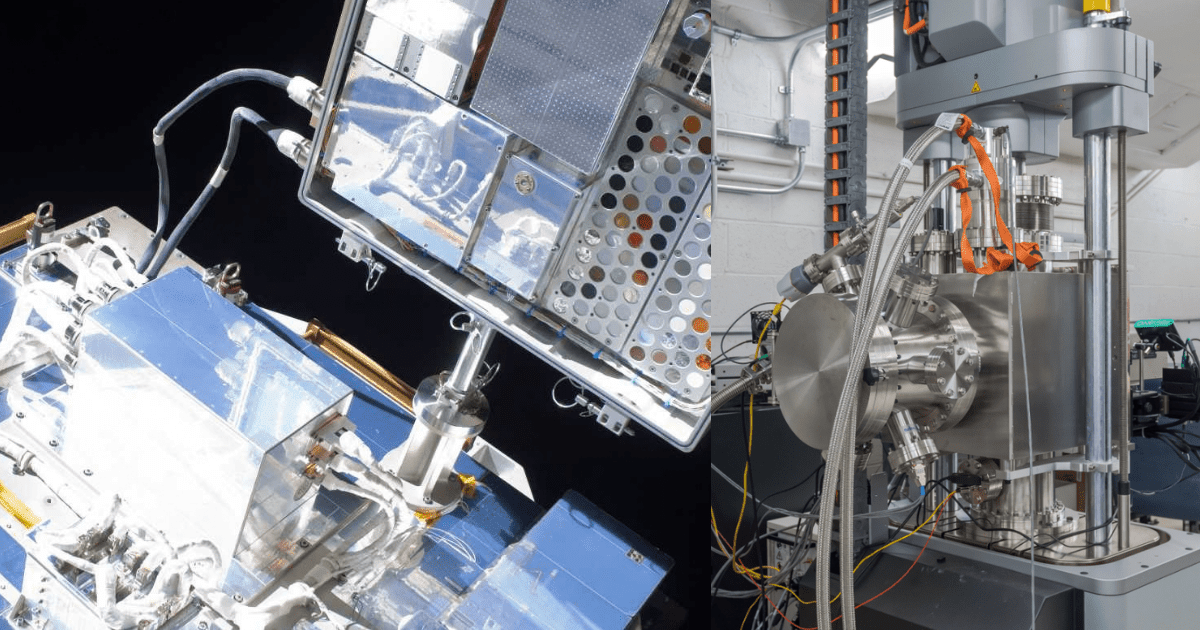
Next up, Christy and her team want to see if the material can actually withstand the harsh conditions on the Moon and Mars. The limits of the material are currently being tested at the Lunar Environment Structural Test Rig at the Glenn Research Center, which simulates the lunar environment, allowing materials to be tested in temperatures as low as -387.67 degrees Fahrenheit. Samples of the material will also find their way to the exterior of the International Space Station via the upcoming Materials International Space Station Experiment 23 (MISSE 23).
Christy's research, funded through NASA Glenn's 2026 Center Innovation Fund, is representative of a broader push towards in-situ resource utilization. For instance, both the U.S. and China are on the hunt for water ice on the Moon, which can be potentially used as drinking water for future resident astronauts and broken down into breathable oxygen and rocket fuel. In fact, China's Chang'e 8 mission, currently scheduled for 2029, will also test a 3D printing technology on the Moon, which will produce bricks using lunar soil.
More on Starlust
'Dodged a bullet': NASA chief Jared Isaacman relieved by delay in China's Chang’e-7 Moon mission
Artemis IV: NASA just asked Axiom to revise spacesuits for 2028 Moon landing. Here's why