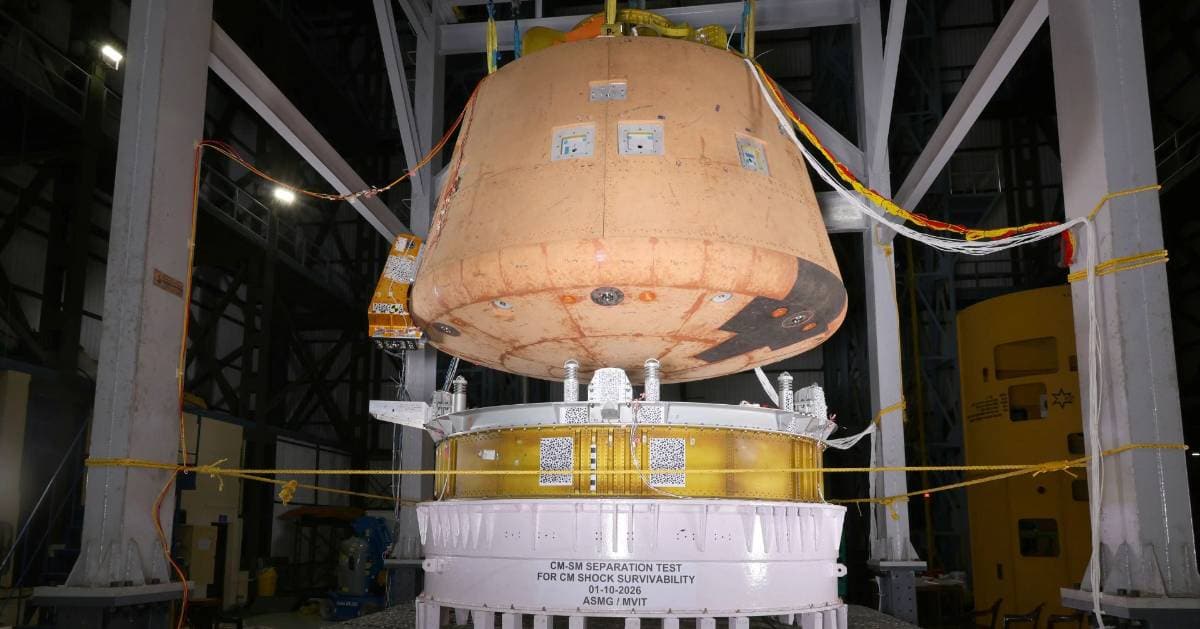
NASA's ESCAPADE orbiters head toward Earth for gravity assist as they prepare to set course for Mars
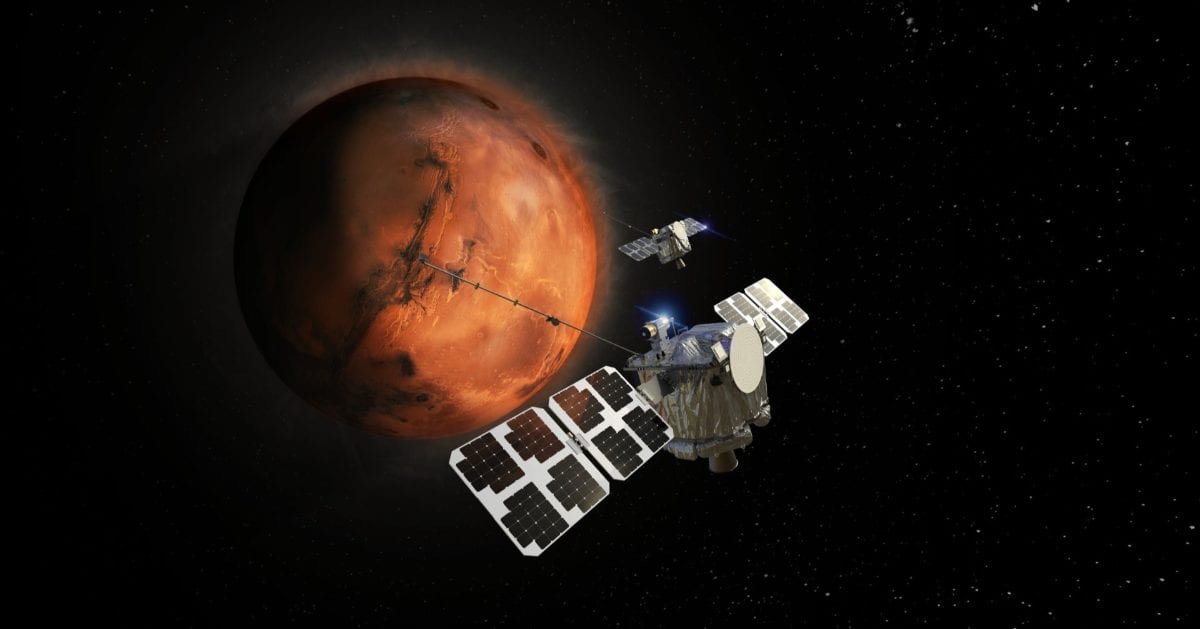
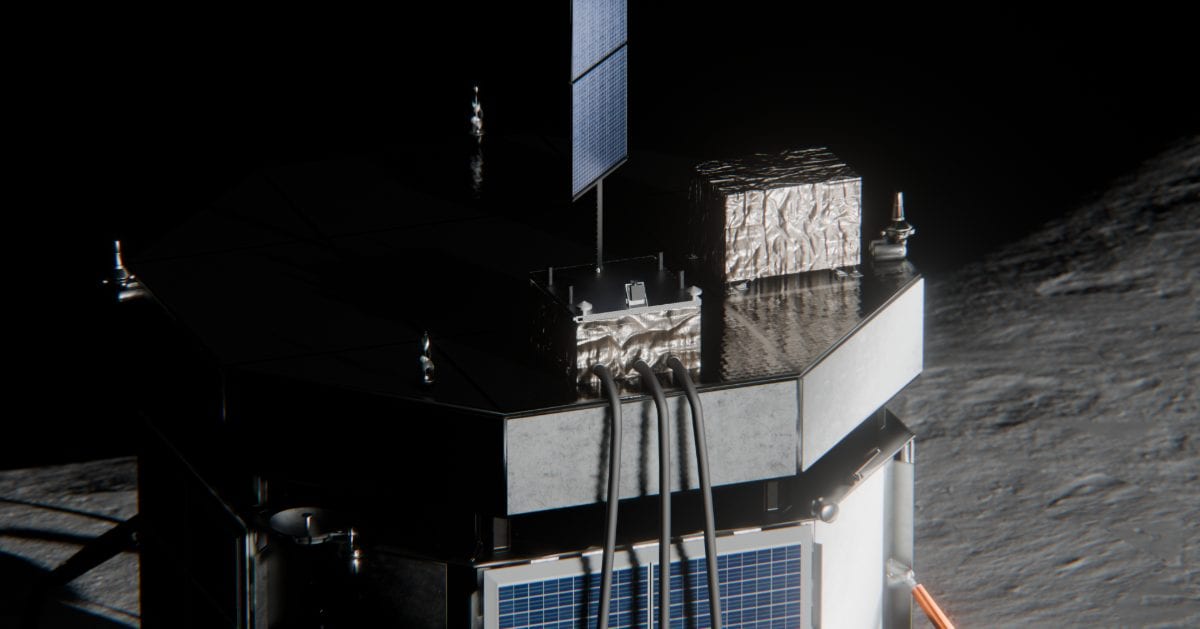
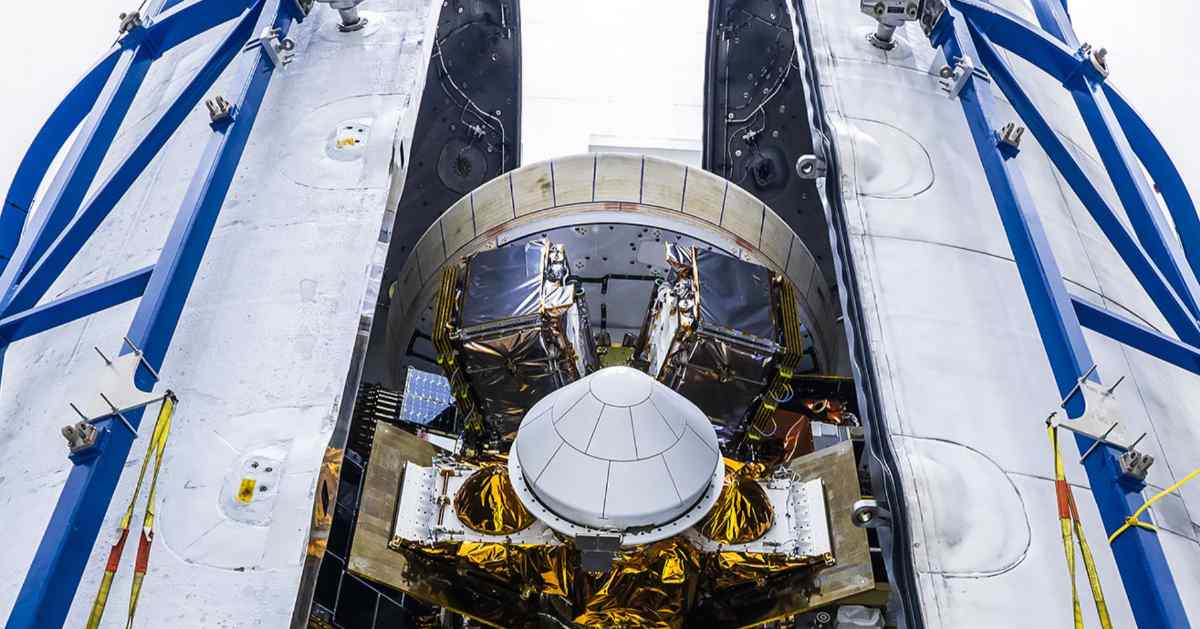
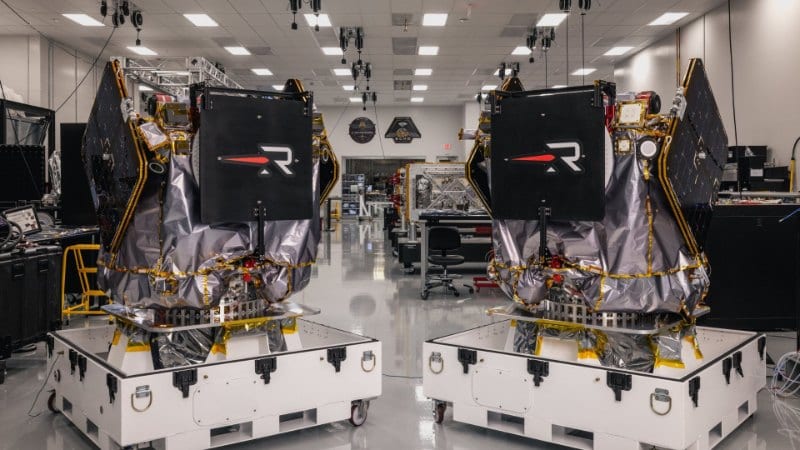
The two spacecraft of NASA's ESCAPADE mission are about to perform a maneuver that has rarely been successfully done before. The Mars-bound orbiters, which have been loitering in space since their launch last November, are heading toward Earth for a trans-Mars injection that will sling them toward the red planet. Rocket Lab, which built the two orbiters named Blue and Gold, said in a post on X that they “will swing close past Earth and each fire their main engine in a single, continuous burn, using Earth's gravity to amplify the burn as they set course for Mars.”
The first multi-spacecraft science mission to Mars is about to make its big move. Next month, Blue and Gold – the twin spacecraft we built for @NASA and @ucbssl – will swing close past Earth and each fire their main engine in a single, continuous burn, using Earth's gravity to amplify the burn as they set course for Mars. It's a maneuver that's never been successfully done before. Our mission ops team is in full rehearsal mode for @escapade_mars' trans-Mars injection. Learn more about ESCAPADE: https://t.co/KFKcU5L3V7
— Rocket Lab (@RocketLab) October 20, 2026
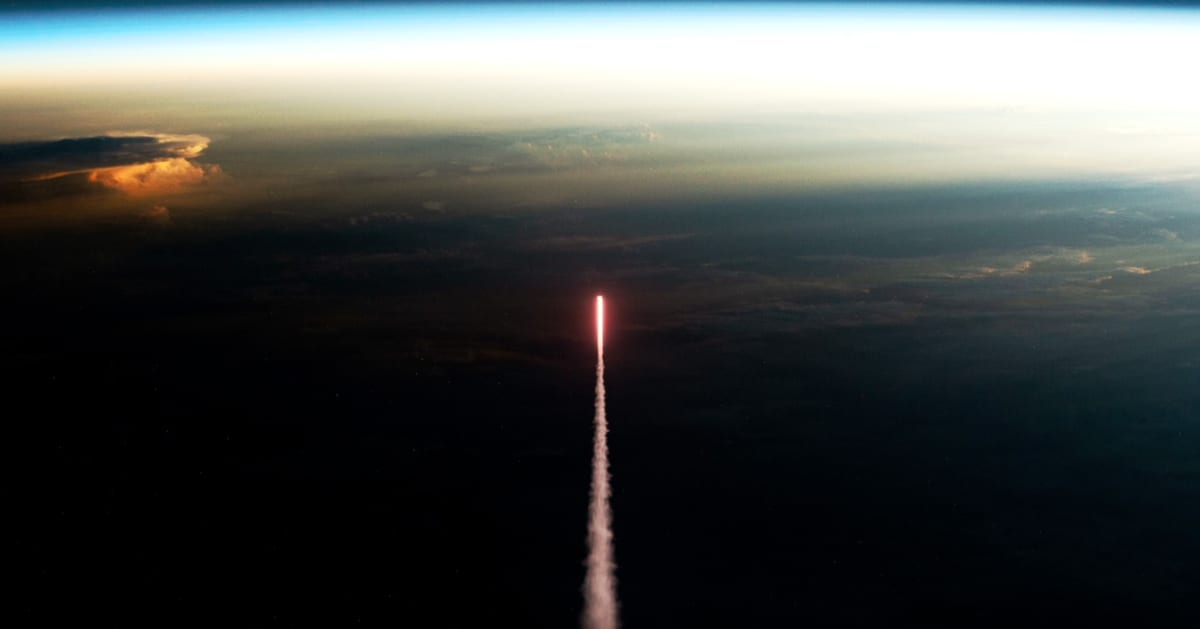
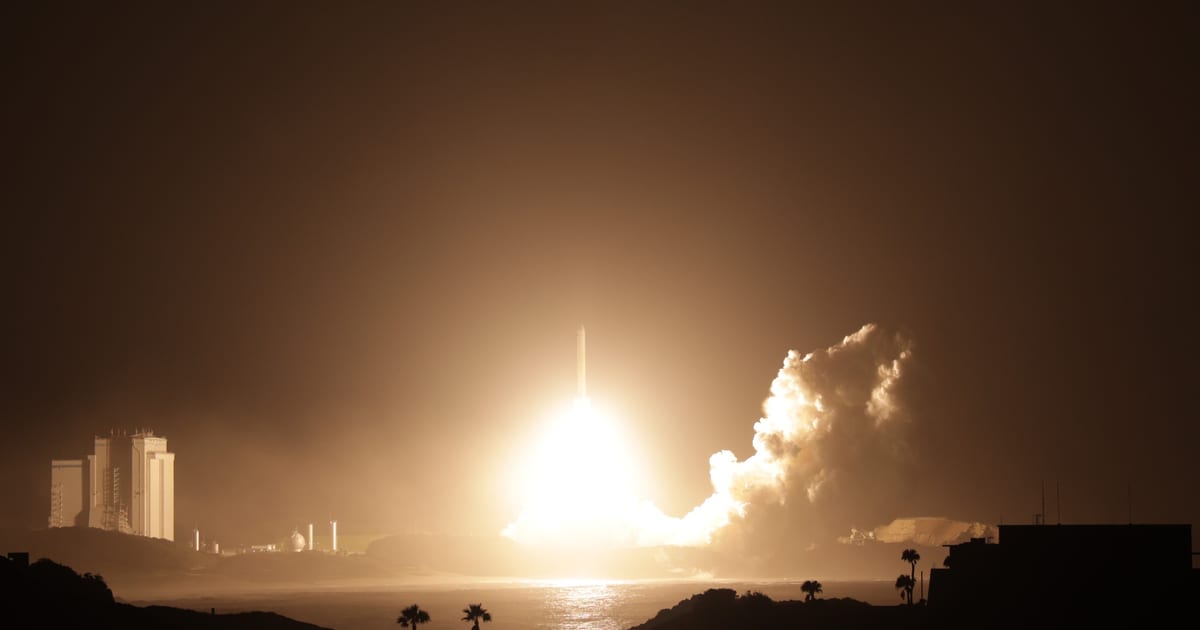
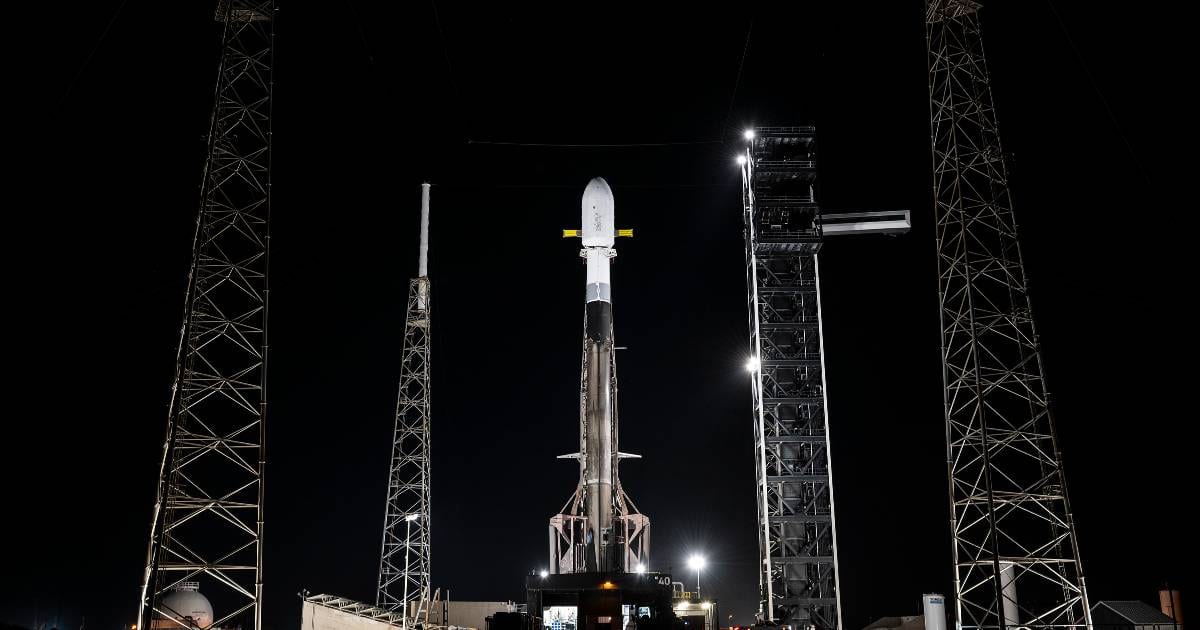
The ESCAPADE mission, short for Escape and Plasma Acceleration and Dynamics Explorers, was launched on November 13, 2025, atop Blue Origin’s New Glenn rocket as the first multi-spacecraft mission to study how the solar wind interacts with Mars’ magnetic environment and how it drives its atmospheric escape. But instead of going straight to Mars, the orbiters flew to loop around the second Earth-Sun Lagrange point, or L2, where they spent the last few months in an 'Earth-proximity' or 'loiter' orbit. Now that Earth and Mars are aligning, they are headed towards our planet for a gravity assist which, when combined with a continuous burn (known as an Oberth maneuver), will propel them towards Mars.
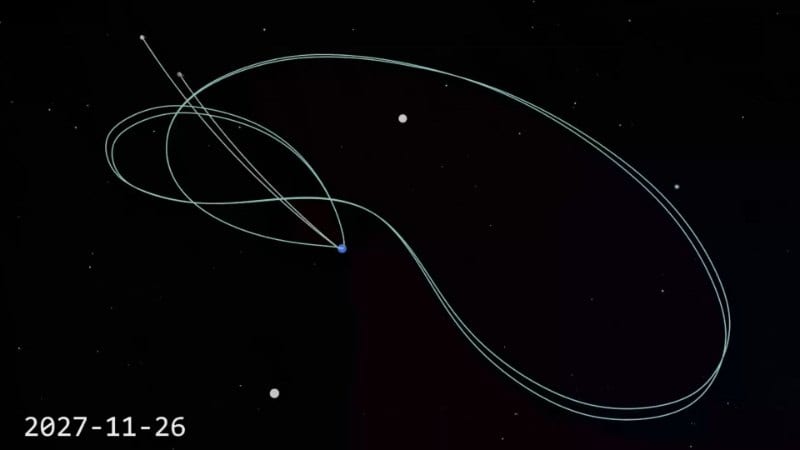
Apart from being the first twin-spacecraft endeavor of its kind, ESCAPADE has also pioneered a strategy that will allow spacecraft to launch almost anytime. The trans-Mars injection burn will mark the end of Phase 1 and begin the interplanetary cruise phase. In Phase 2, the orbiters will perform small trajectory correction maneuvers using their onboard engines to ensure they remain on their predetermined path and arrive at the right place at the right time. In Phase 3, they will enter large ‘capture’ orbits around Mars and gradually lower their altitude to reach smaller orbits, followed by Phase 4, where they will shift into similar but slightly different orbits.
NASA says that the fourth phase must be complete before late 2027, because that’s when communication with Earth will be interrupted due to solar conjunction, meaning Mars will be on the opposite side of the Sun from Earth. By mid-2028, the orbiters will place themselves in nearly matching orbits and prepare for science. There’s also a fifth phase wherein Blue and Gold will participate in two observation campaigns as they begin operations. They will first fly in nearly the same orbit before moving into different orbits to study Mars’s magnetic environment from different vantage points. They have a primary lifespan of 11 months in Martian orbit.
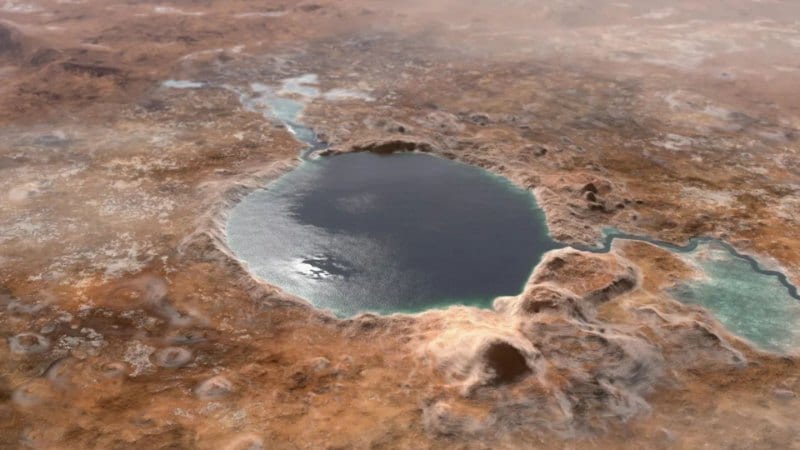
The main objectives of the mission are to investigate Mars’s ‘hybrid’ magnetosphere, study how the solar wind strips away its atmosphere over time, determine how the solar wind interacts with the magnetic environment, and map key features of the Martian space environment. Scientists say Mars was once like Earth, with vast oceans filled with liquid water. But something changed billions of years ago and the planet's core cooled down, causing it to lose its protective global magnetosphere. This allowed the solar wind to strip away the atmosphere, which led to the loss of all its water. With ESCAPADE's findings, they might be able to pinpoint the exact way the process unfolded and determine if Earth will suffer a similar fate in the distant future.
More on Starlust
ESA's Mars Express reveals how the most visually striking cloud on the Red Planet forms
China unveils bold plan to complete first AI-driven geological map of Mars by 2028