Report says NASA’s future Moon missions should target these 4 sites—and they are not in South Pole

With the U.S. and China clamoring to set up their bases at the lunar South Pole, exploration of potential lunar sites for future crewed missions has garnered immense attention in space research of late. Now, a new report, titled "Human Exploration Across the Moon," has identified four promising locations beyond the poles of the Moon for future crewed missions, with each location offering a different combination of geological features and research opportunities. Sponsored by NASA, the report, which is a culmination of 18 months of research, was released on October 21 by the National Academies of Sciences, Engineering, and Medicine (NASEM).
The lunar surface preserves over 4.5 billion years of history, offering clues to some of the deepest mysteries of the Moon, Earth, and the Universe. The four destinations highlighted by the report are: 1⃣ Bhabha Crater 2⃣ Mons Hadley 3⃣ Orientale Basin 4⃣ Aristarchus Plateau
— National Academies (@theNASEM) October 21, 2026
“The four sites that our report recommends would give astronauts the chance to study questions as varied as how to use lunar soil to grow plants, to understanding the sources of gravitational waves,” said Daniel Dumbacher, professor of engineering practice in the School of Aeronautics and Astronautics at Purdue University, who was a part of the research group that determined the locations for a future survey of the Moon. “These sites give science the best shot at learning as much as possible from a crewed mission beyond the South Pole of the Moon.”
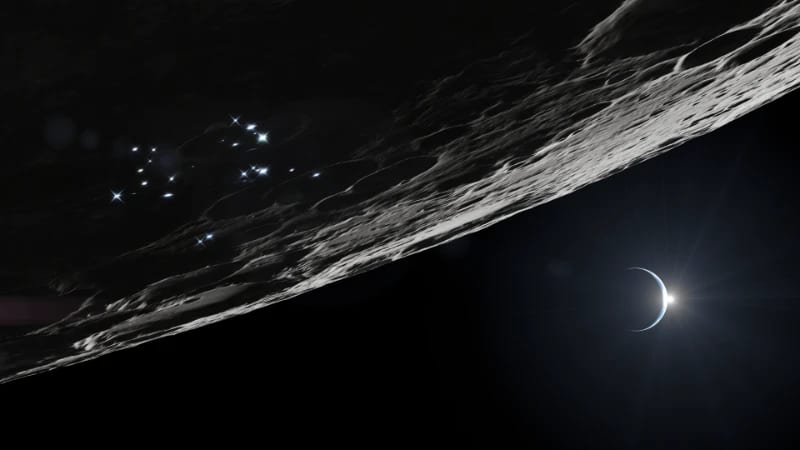
These are the four sites recommended by the report:
Bhabha crater:
Located on the Moon’s far side, Bhabha Crater can provide astronauts the opportunity to obtain samples from one of the Moon’s oldest surviving impact basins. Researchers could study the lunar crust on the Moon's far side and install radio and optical astronomical instruments in this area. The far side is particularly valuable for radio astronomy because it is shielded from Earth's radio-frequency interference.
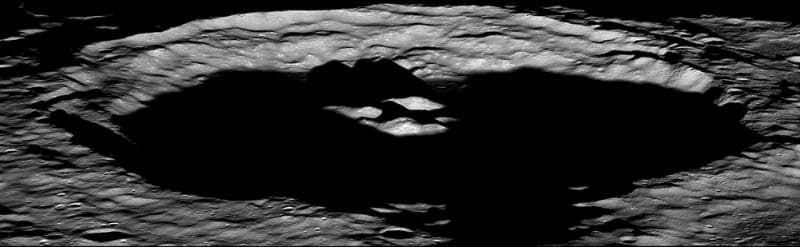
Mons Hadley:
Located on the Moon's near side, this region is close to the landing location of Apollo 15, which explored the area in 1971. Studying this area can reveal new data for NASA's Artemis program. Astronauts can obtain fresh geological materials in this area and examine Apollo-era equipment and biological samples that have remained exposed to the Moon's conditions for a period beyond 50 years. According to the report, this location is ideal for establishing a space weather observatory and conducting experiments investigating whether lunar materials can help reduce radiation hazards.
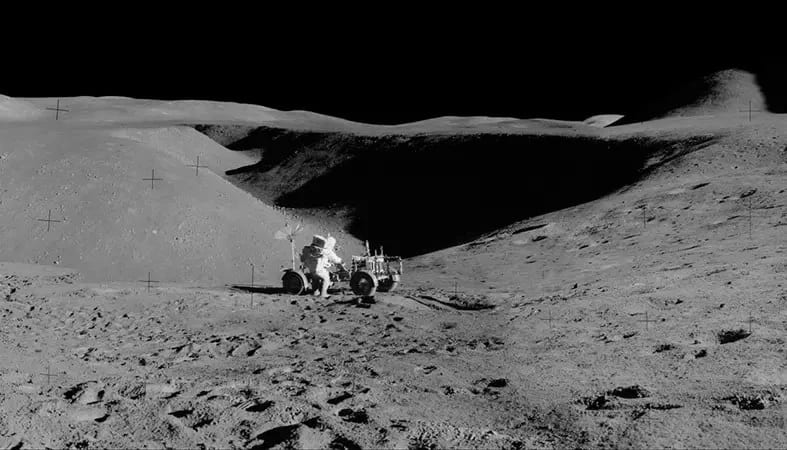
Orientale Basin:
Situated near the edge of the lunar disk as viewed from our home planet, Orientale ranks as one of the solar system’s best-preserved multi-ringed impact basins, and it is enormous. Its varied geological composition and a seismically calm setting could reveal information on the history of the Moon and its deep structure. Returning samples to Earth and installing a gravitational-wave observatory are among the scientific activities proposed for this area by the report.
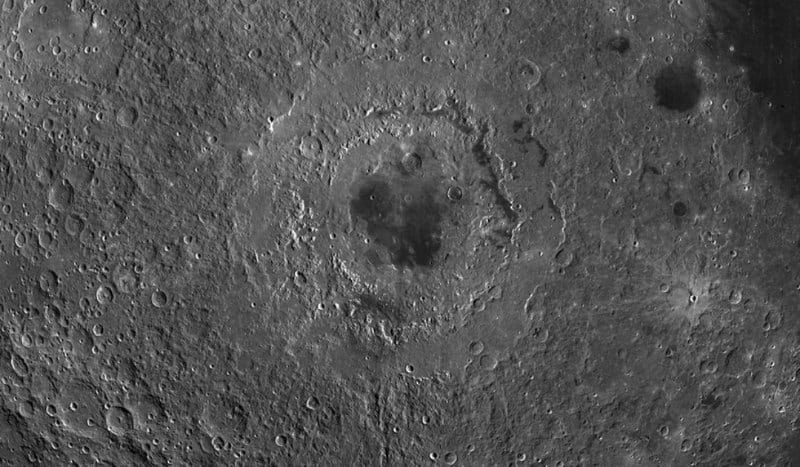
Aristarchus Plateau:
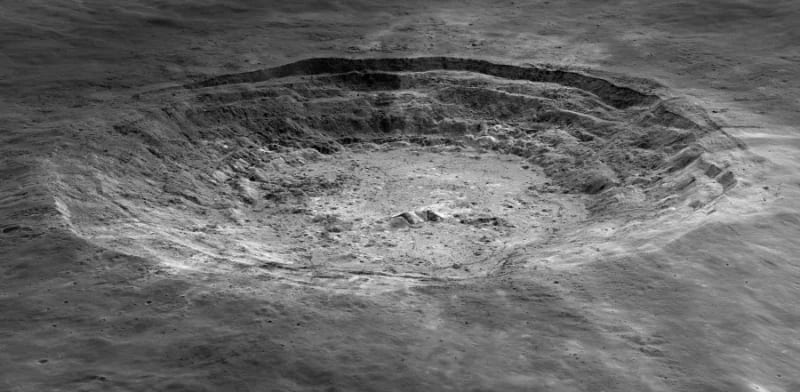
This site's volcanic deposits could reveal more about the volcanic processes that took place in the Moon's past and help scientists identify resources that might aid future exploration. The report says the location is also appropriate for the deployment of a space-weather observatory and for providing lunar samples to test their potential to reduce radiation hazards.
The Aristarchus Plateau is one of the Moon’s most volcanically diverse regions. A mission here could provide insights into the Moon's evolution. The region also offers potentially useful resources and opportunities for space-weather monitoring and radiation-shielding tests. https://t.co/1P9QwxjK0E
— National Academies (@theNASEM) October 21, 2026
In addition to proposing the sites, the report suggested that NASA should permit astronauts to go beyond the 2 km restraint while performing spacewalks and to develop innovative equipment that can last for several lunar nights. The report also called for a lunar-orbiting observation instrument to aid in Moon mission planning and ensure constant communications with future human habitats.
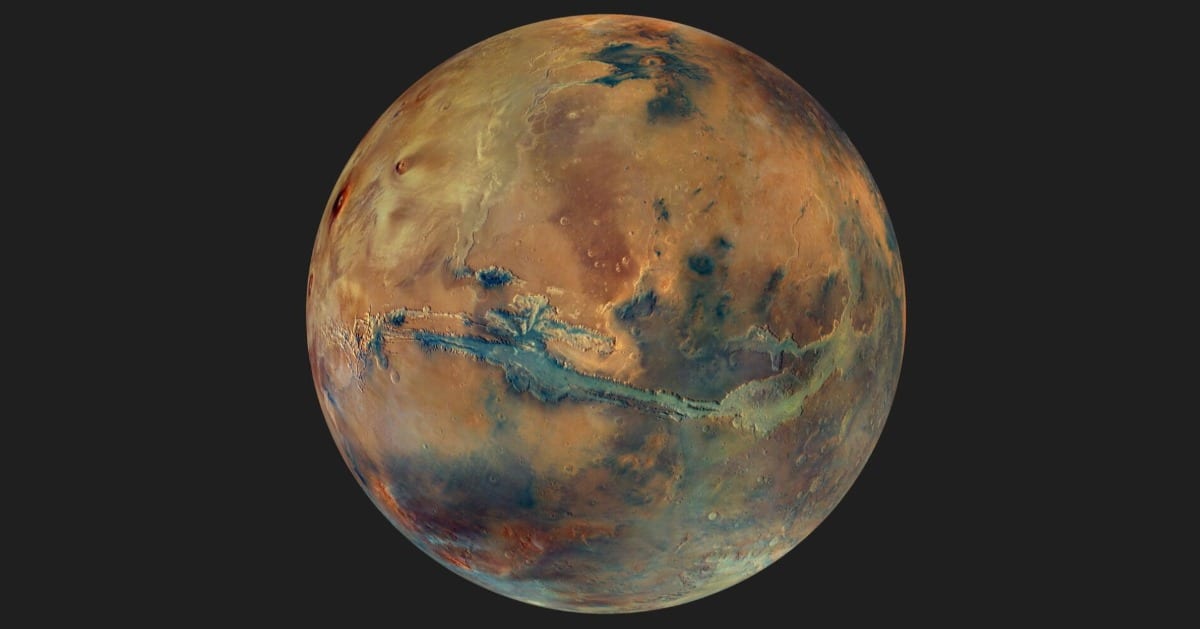
Incidentally, NASEM released a similar report in December 2025, called A Science Strategy for the Human Exploration of Mars, identifying the highest-priority scientific goals for future crewed missions to the Red Planet. The report prioritizes searching for evidence of past or present life on Mars while also outlining research into the planet’s geology, climate, water cycles, and the effects of the Martian environment on astronauts.
More on Starlust
NASA's major Moon Base update: These vehicles are on track to be delivered to the lunar South Pole
NASA shares moon lander timelines for SpaceX and Blue Origin ahead of Artemis III and IV