NASA’s Space Reactor-1 Freedom and Skyfall: How the agency plans to hit two birds with one stone
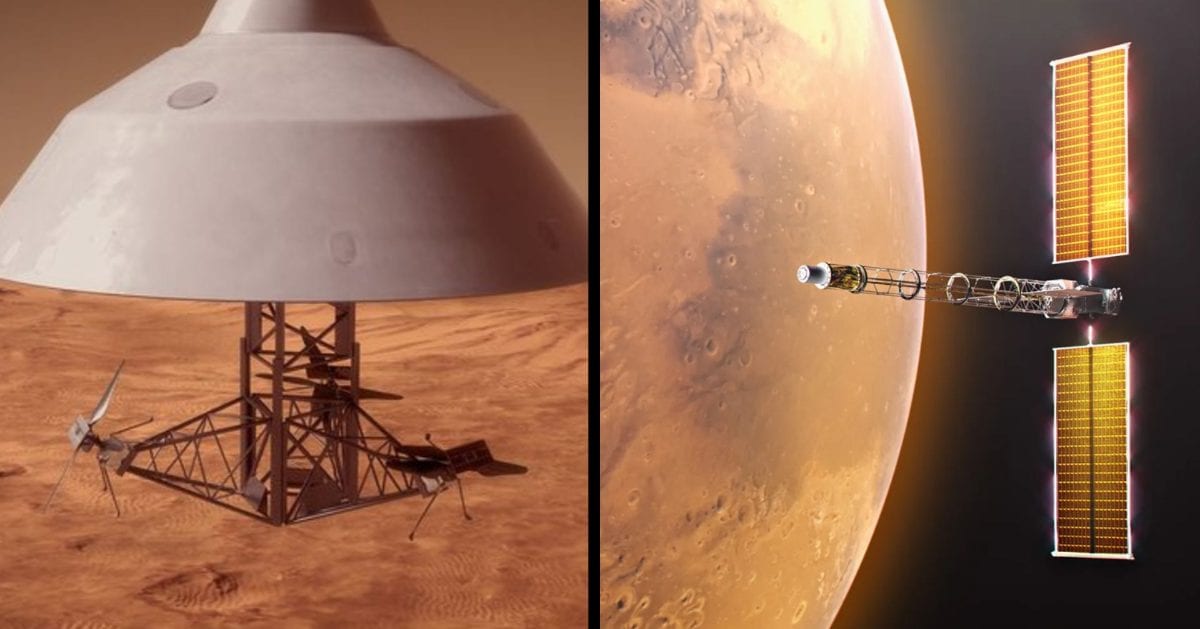
NASA has announced progress on the upcoming Space Reactor-1 Freedom that will lay the foundation for nuclear propulsion on long-duration space missions. The agency stated that it has mutually agreed to key contract actions with its partner to advance the development of humanity’s first fission-powered spacecraft that is scheduled to launch in late 2028. According to the agreement, Sierra Lobo Inc. will provide the 'Brayton cycle power conversion system' for the spacecraft. This system will convert thermal energy from Freedom's fission reactor into electrical power that will propel it on its interplanetary journey. The actual fission reactor is being developed by the Department of Energy (DOE)’s Idaho National Laboratory.
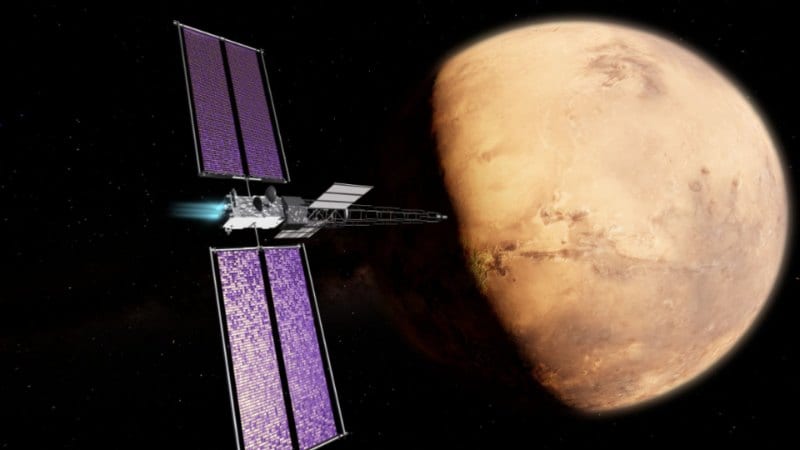
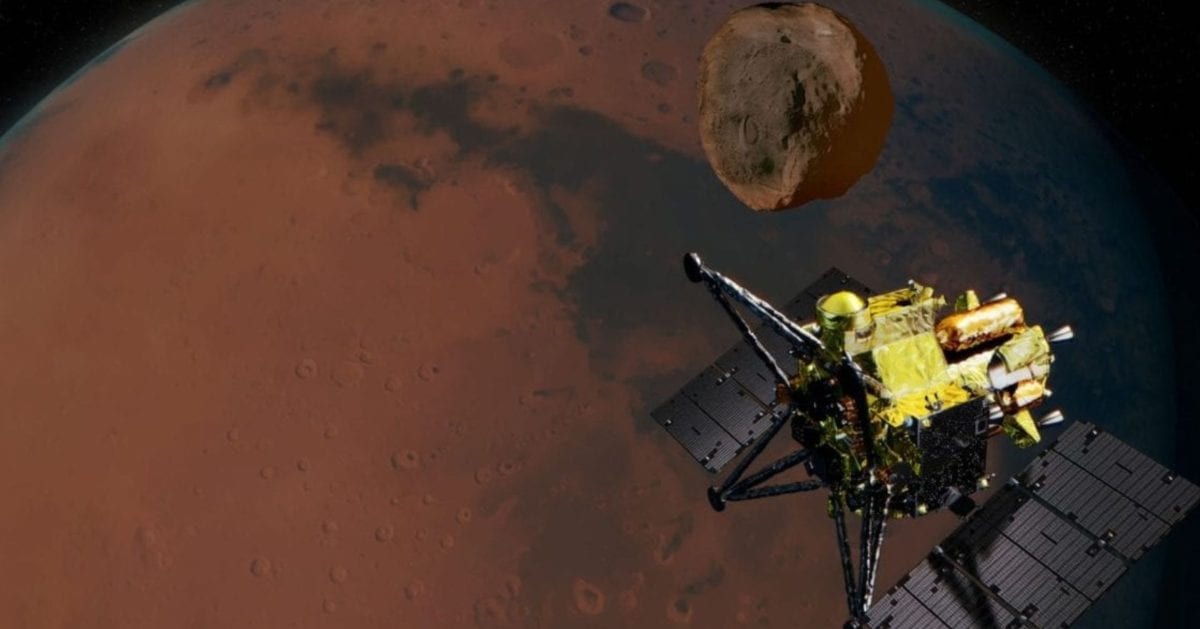
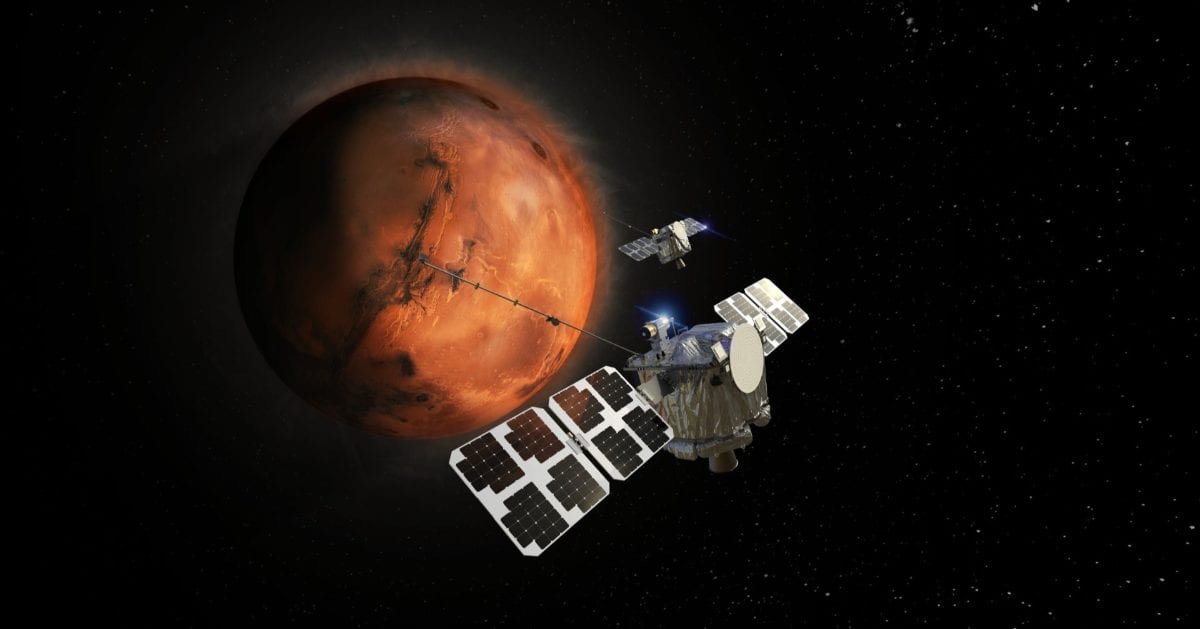
Through Space Reactor-1 Freedom, NASA intends to make the most of this mission. Not only will the spacecraft demonstrate nuclear propulsion beyond low Earth orbit, but it will also deliver three tiny helicopters for the SkyFall mission that will explore Mars for future crewed missions.
What is Space Reactor-1 Freedom?
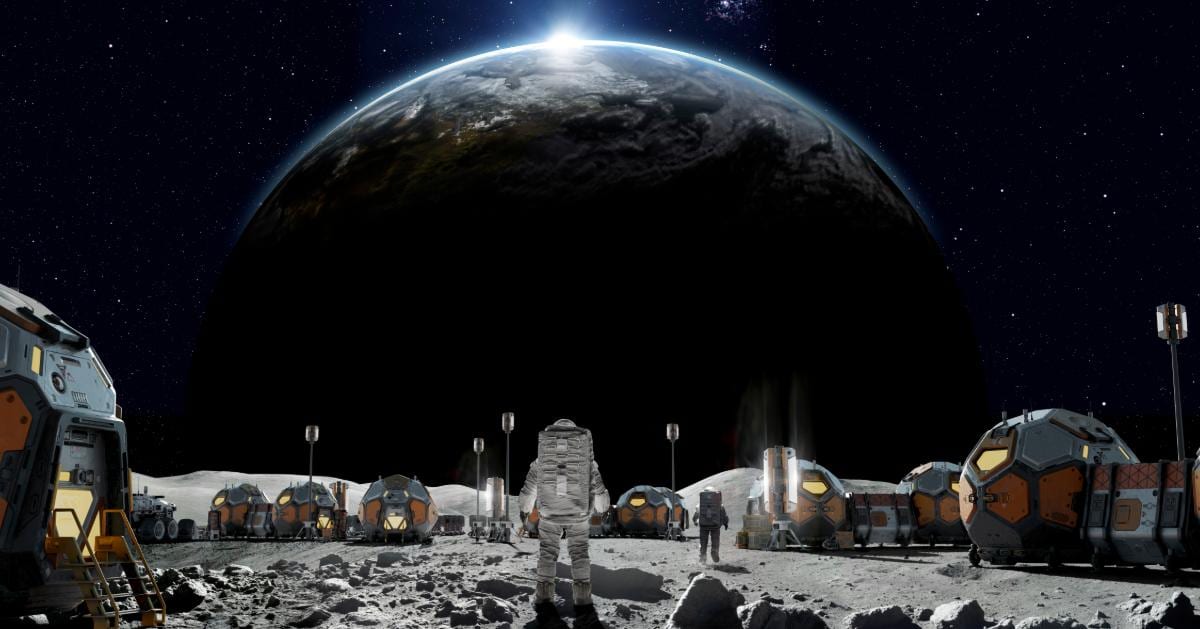
The Space Reactor-1 Freedom is an interplanetary vehicle that NASA is developing to deliver payloads to Mars. While the agency has not shared much information on its dimensions, we do know that it will weigh about 26,455 pounds (12,000 kilograms). Additionally, it will use High-Assay Low-Enriched Uranium for fission and produce 20 kilowatts of electrical power. The spacecraft also has Hall-effect thrusters that will provide the necessary thrust. The fission reactor will generate electricity, which will ionize xenon gas to be expelled from the thrusters. NASA says that testing this technology will eventually help develop a surface-based power system to operate future lunar bases through periods of darkness and in locations with insufficient sunlight.
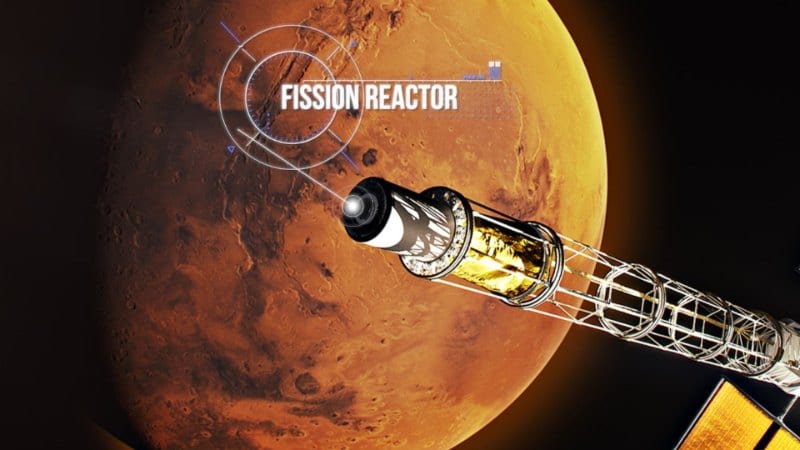
Scientists are testing nuclear propulsion because it is considered more efficient than chemical fuel. Nuclear systems generate low thrust, but they can power a spacecraft for extended periods, enabling interplanetary travel at a much cheaper cost and with significantly less propellant.
What is the Skyfall mission?
The SkyFall mission involves a trio of rotorcraft whose design is based on the Ingenuity helicopter—the first to fly on another planet. SkyFall’s objective is to investigate the geology and climate history of Mars, map hidden ice deposits, and analyze weather patterns. NASA says it will also “demonstrate how aerial vehicles can generate wide terrain and subsurface maps to identify safe and resource-rich destinations for future missions venturing to Mars.”
The helicopters measure 20.5 inches (52 centimeters) tall and weigh 11 pounds (5 kg) each, with their counter-rotating blades measuring 4.4 feet (1.35 meters) in diameter. After their initial Mars flyby in 2029, they will be released by the Freedom spacecraft for a landing, which is targeted for the fall of 2030. Earlier in August, NASA shared a glimpse of tests the helicopters' components are being subjected to under simulated conditions at the Jet Propulsion Laboratory (JPL) in California. The tests were to validate the robustness of the featherweight ground-penetrating radar antenna that will detect the presence of ice between depths of 1.6 to 10 feet (0.5 to 3.0 meters). The landing site for the mission has not been finalized yet, but NASA is looking for flat, low-elevation areas with minimal obstacles.
More on Starlust
NASA shares moon lander timelines for SpaceX and Blue Origin ahead of Artemis III and IV