NASA scientists to release their initial Artemis II report later this year

NASA will release a report composed of the initial interpretations of the data collected during the Artemis II mission later this year, the agency confirmed on June 5. Scientists are reviewing the data related to specific lunar terrain features as well as the meteoroid impact flashes observed by the crew during day six of the mission, when their Orion spacecraft, called Integrity, flew around the far side of the Moon. Researchers are also working on health studies that began before the mission, and span its duration and the weeks in its aftermath.
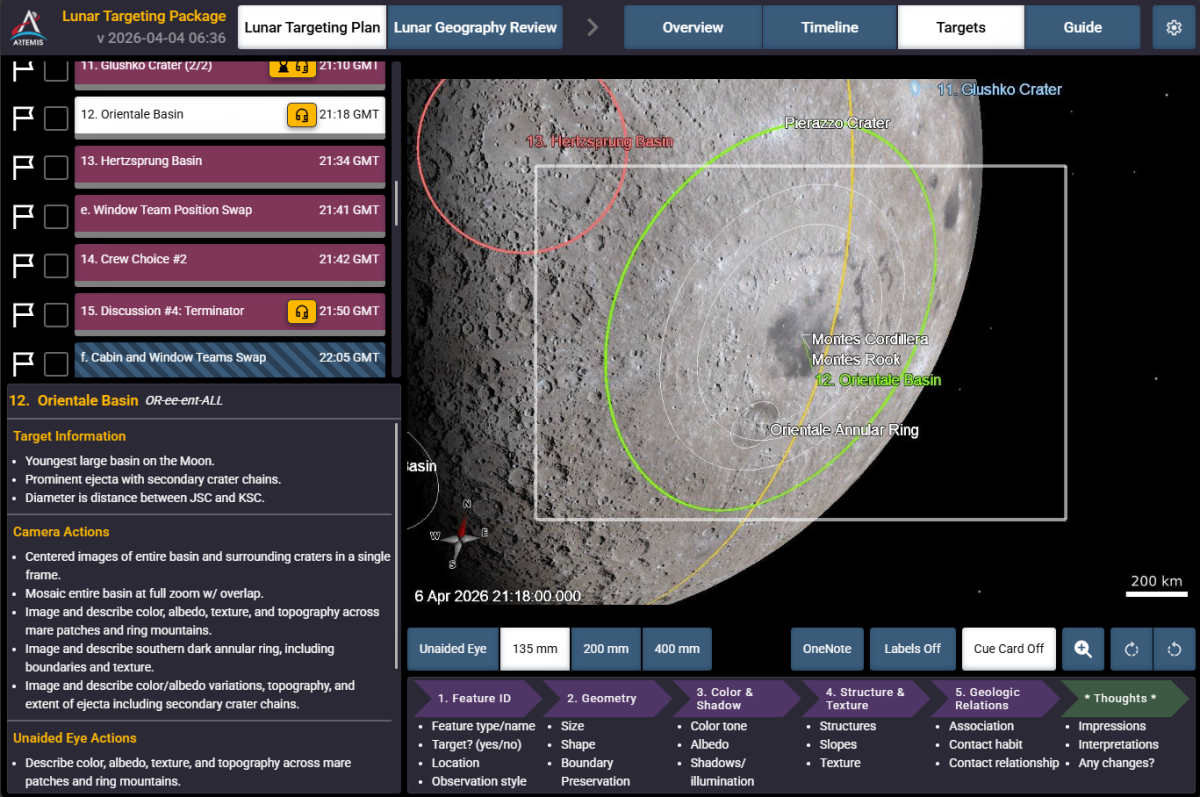
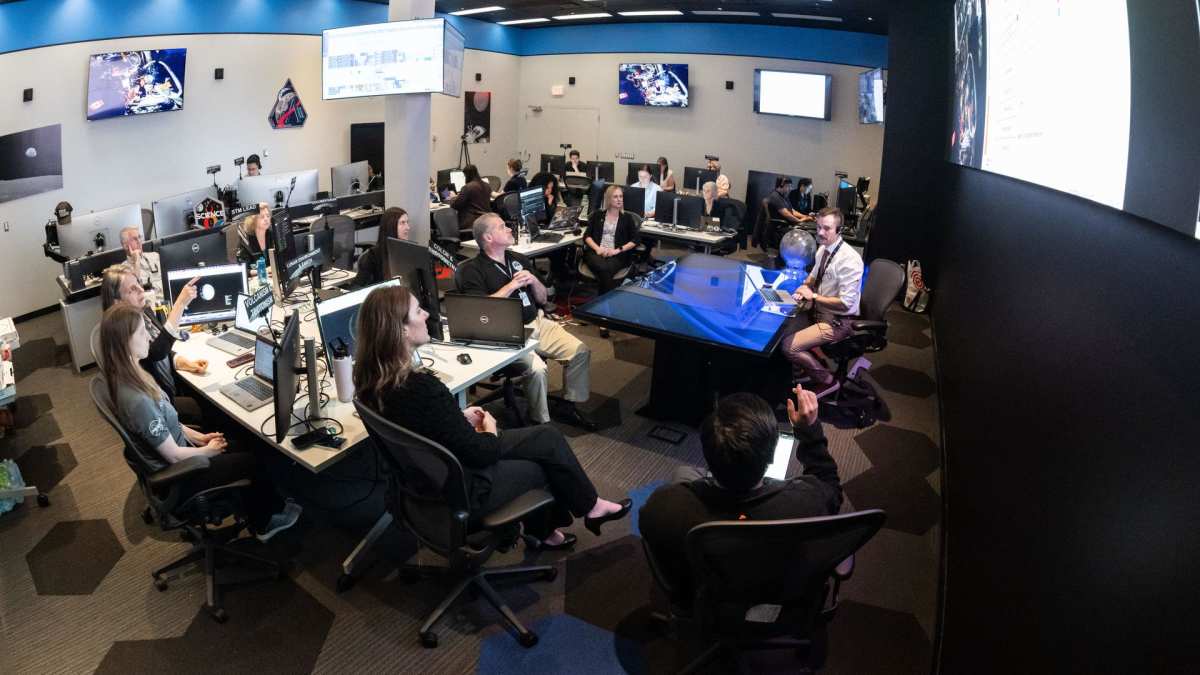
Besides the report concerning the geological and astronomical observations, a second report covering the effectiveness of the lunar science team's planning and execution during the mission will also be created by the same team. During Artemis II, an observation timeline and checklist known as the Lunar Targeting Plan (LTP) had been developed by the science team at NASA, which laid down the list of objectives for the flight crew to refer to during the planned lunar flyby. Since the flyby only lasted less than seven hours, teams felt the need to develop the LTP to serve as a minute-by-minute guide for the astronauts during the most observation-intensive period of the mission. Among some of the most sought-after features that were captured during the mission were the color variations on the surface of the Moon, as well as the size and shape of some lunar ridges and faults. The results of the report examining the organization of how these observations were made will help future Artemis astronauts on their respective missions.
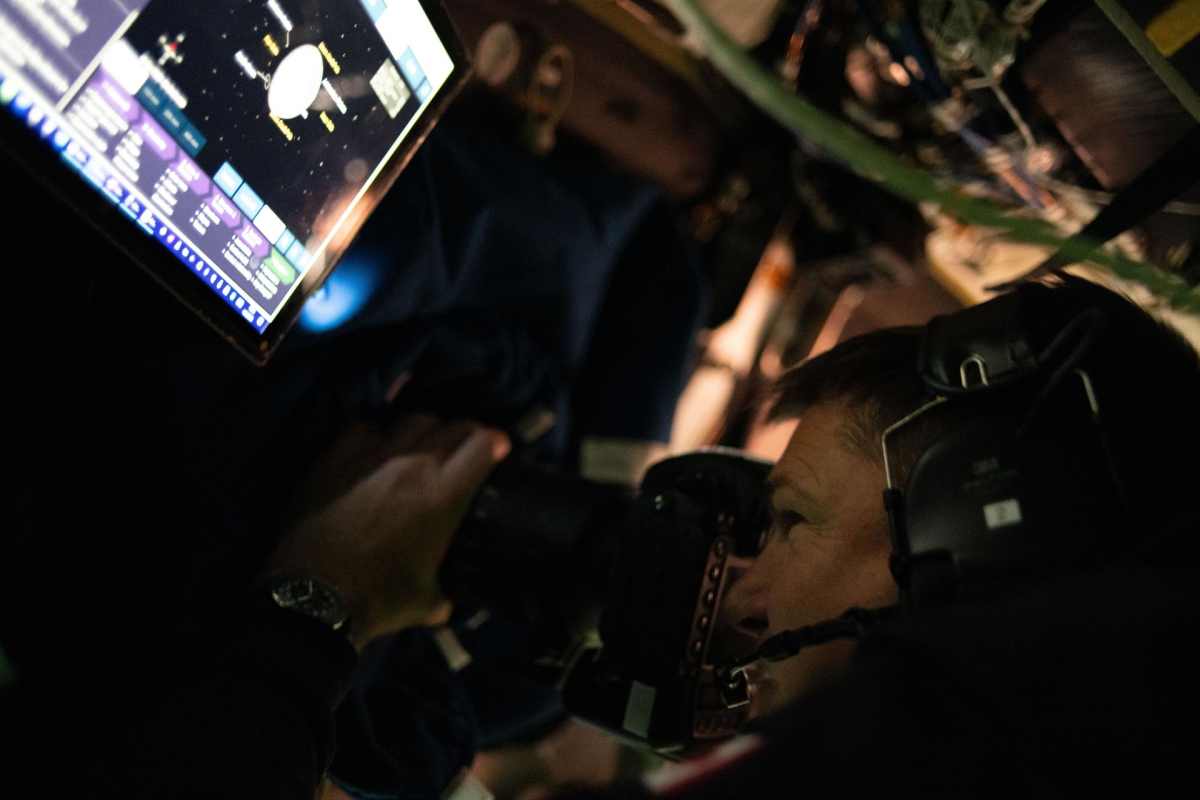
As a part of the announcement, NASA also stated that in addition to the media already released after the mission concluded, roughly 11,500 image and video files will be made public. These files will be formatted to make them accessible via search on NASA's Planetary Data System. The agency is also set to release over 100 audio files with transcripts that relate to the scientific observations made by the crew. Researchers part of NASA's lunar science team are also going to share the scientific findings of the AVATAR (A Virtual Astronaut Tissue Analog Response) investigation while a more comprehensive study progresses in the background.
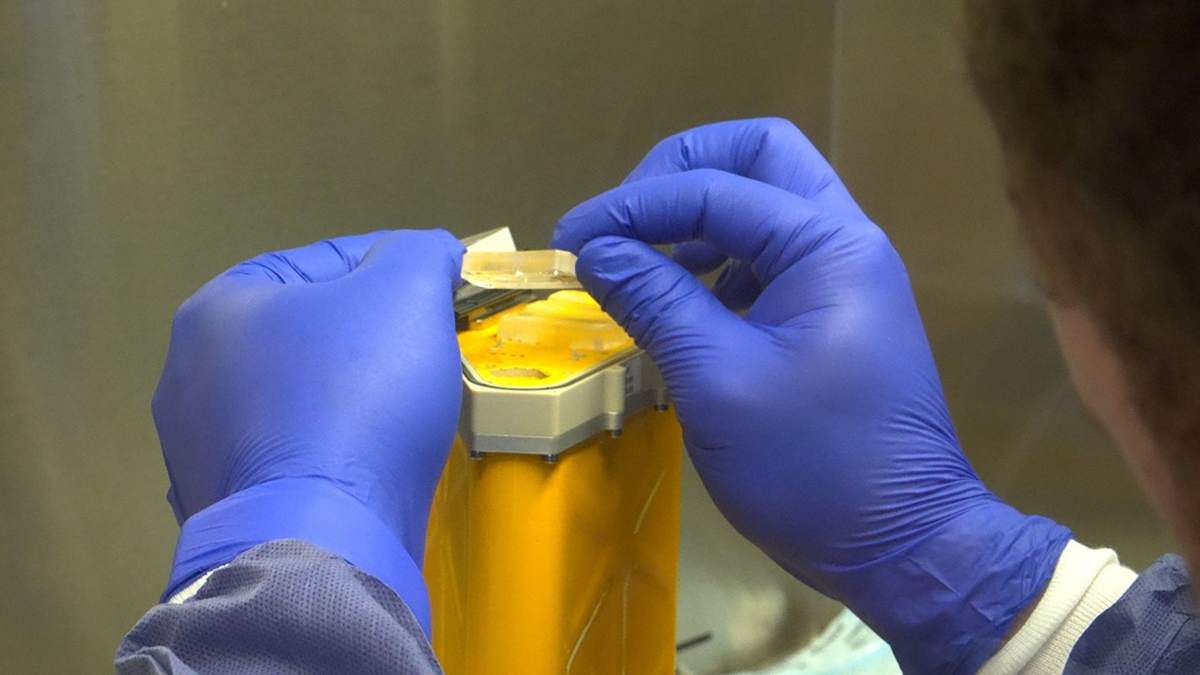
The AVATAR investigation involved collecting bone marrow cells from each of the four members of the Artemis II crew, which accompanied them inside Integrity in USB-sized organ chips. Scientists compared these space-flown organ chips with samples left on the ground to evaluate how radiation and microgravity affect human tissue. These new organ chips could eventually be flown to space in advance of the crew to get an idea of how their bodies might react to spaceflight, in addition to allowing teams to create bespoke medical kits personalized for each astronaut's physiology.
While the Artemis II flight crew's medical evaluations continued until 45 days after the mission, their health will continue to be monitored throughout their lives. The initial evaluations consisted of obstacle courses to understand how their bodies react to the varying gravity of planets, as well as establishing a baseline of health measurements such as heart rate, blood pressure, and eye health for the Artemis II Spaceflight Standard Measures study. Motor control was also assessed using a simulated manual spacecraft docking task as a part of the ARCHeR (Artemis Research for Crew Health & Readiness) study. The Immune Biomarkers study was also conducted by collecting blood samples before and after the mission, along with saliva samples actively collected by the crew while in space. All of the scientific findings gained from the health data will be made available to the broader scientific community. All one has to do to access this data is submit a request to NASA’s Life Sciences Data Archive.
More on Starlust:
Who are the astronauts for Artemis III? NASA is going to reveal the names on this date
Artemis III update: NASA ships final solid rocket booster segments for SLS to Kennedy Space Center