Artemis II Lunar Targeting Plan: The software that will guide the crew during the lunar flyby
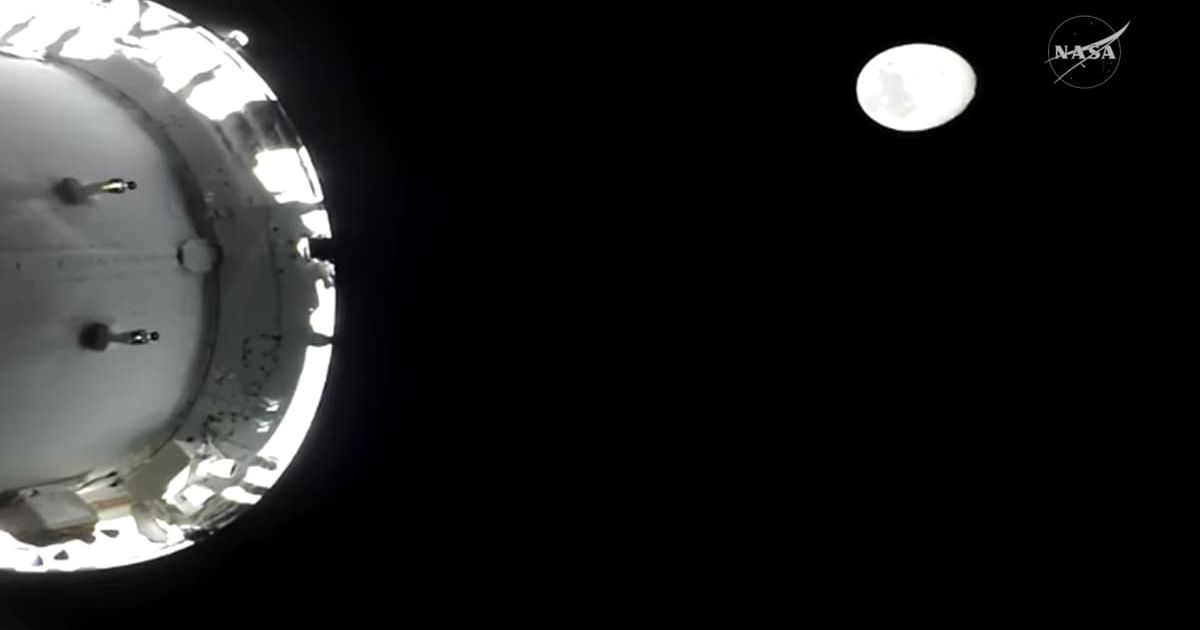
In just a few hours, at 2:45 p.m. EDT, the flight crew of Artemis II will begin their flyby of the lunar far side. And during the subsequent 6 hours and 35 minutes, the crew will get to see features of the Moon that no human has directly laid their eyes on. The stakes are high, to say the least. So, to make sure that the astronauts are at the top of their game during the period, NASA’s lunar science team, led by Dr. Kelsey Young, has developed the Lunar Targeting Plan.
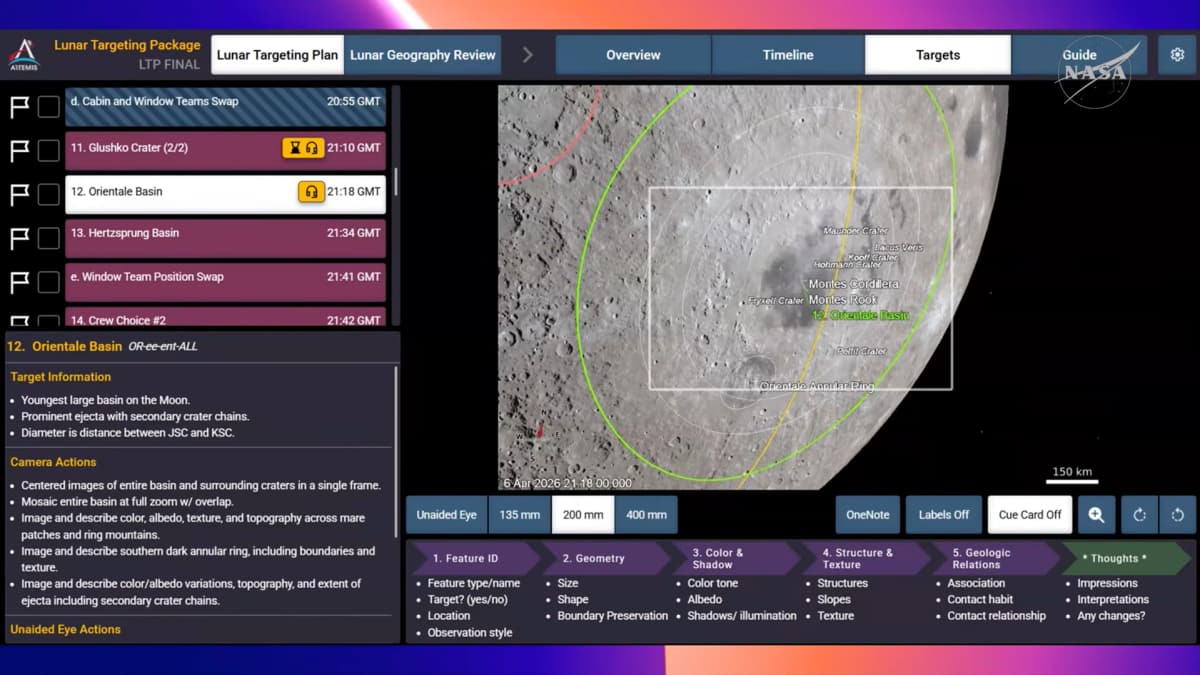
“This is what is going to guide the crew’s observations during the flyby," began Dr. Young as she discussed the Lunar Targeting Plan software during the press brief on April 5. "It is just a guide. They are the field scientists, and they are encouraged to, you know, go off the book if what they’re seeing in front of them really compels them. We’ve even built in targets specifically for crew choice, where they can really image what pops out to them.” On the top-left side of the screen, the crew will see the targets listed vertically in the order they are to be observed during the flyby. At one point, the crew will be just 4,070 miles from the surface.
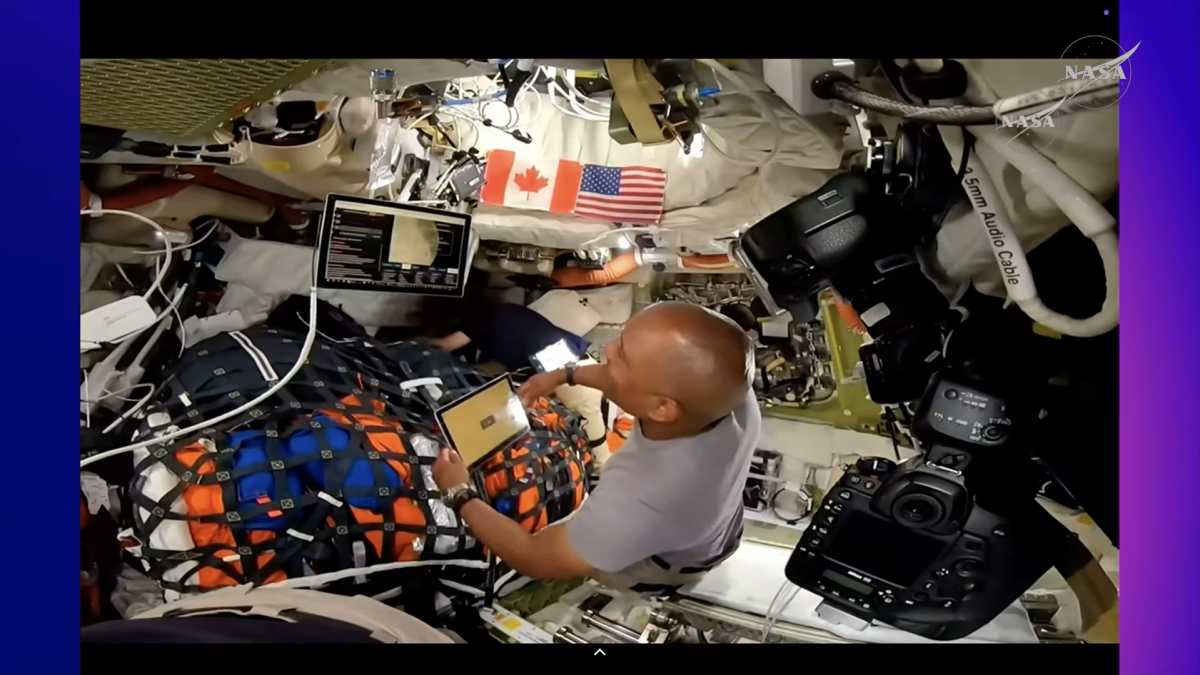
Below the list of targets, there are descriptions that explain the importance of each one. There are also a few prompts that ask the crew what they need to capture and describe, with different prompts for each crew member. For instance, the person who would be capturing pictures of the Moon will have different prompts than the one who is making their observations with the naked eye. There are also cards giving them cues about what should be mentioned in their scientific descriptions so as to make the best out of the flyby opportunity.
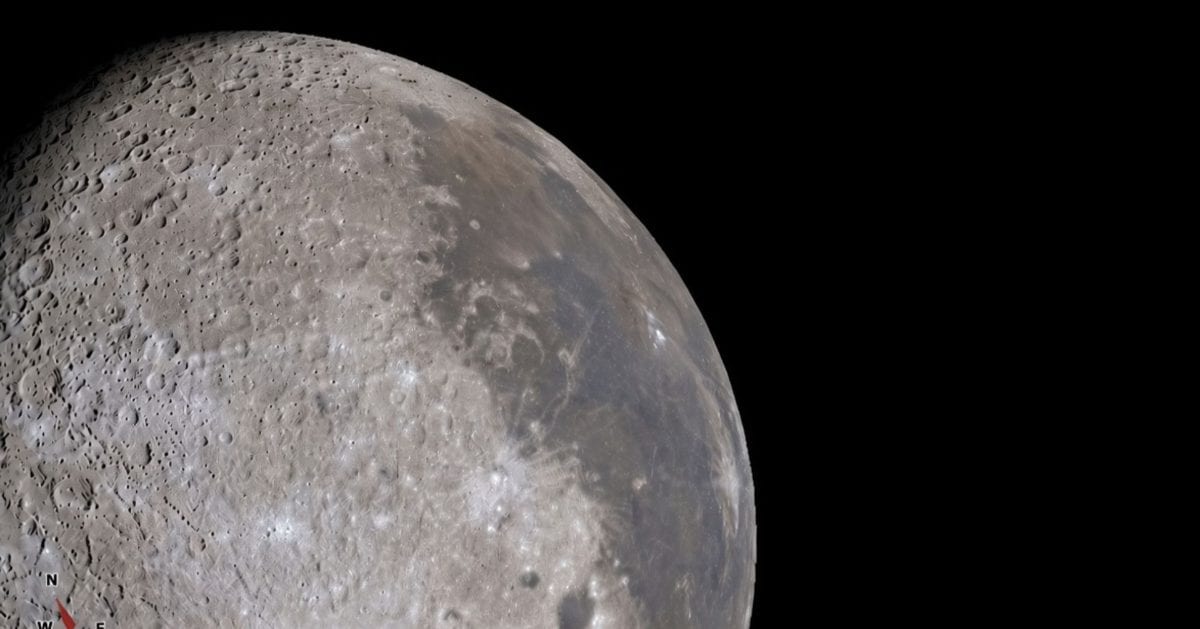
Dr. Young further expressed her confidence in the crew’s prospecting abilities, saying, “I would expect they’re not going to need to reference the cue card that much because they’ve had many, many months to practice giving good descriptions." In the middle of the Lunar Targeting Plan software’s screen, a picture of the Moon is accompanied by labels to help the crew in distinguishing the features they see out of their windows, as well as providing geographical references through neighboring lunar features.
Sweet dreams, @NASAArtemis II crew.
— NASA (@NASA) April 6, 2026
One last look at the Moon before flight day six and your epic lunar flyby, taking you farther into space than humans have EVER traveled. pic.twitter.com/roqklB0iGQ
Besides lunar prospecting, observations of the Sun will also be made, taking advantage of the unique vantage point the spacecraft will be in. Because of the Moon obscuring the Sun for a while, the crew will have two separate chances to capture the corona, the outermost layer of the solar atmosphere. On what NASA is looking for most when the lunar flyby happens, Dr. Young stated, “I would think honestly a big one is just the amount of color they’re going to be able to see and where and when they see it. Again, you know, negative observations, not seeing something, is science. That is something we are learning. So I think we have a lot of questions about where and how subtle color hues will pop out to the crew." She noted that when making scientific discoveries, one doesn’t always know what they are looking for to begin with, and the best way forward is to make an educated guess. This is what software such as the Lunar Targeting Plan and other aspects of the lunar science team’s preparations have enabled.
More on Starlust
'Not the Moon you see from Earth': NASA’s Christina Koch describes the view from Artemis II’s Orion