NASA just confirmed 6,000 alien worlds—and 8,000 more waiting to be verified
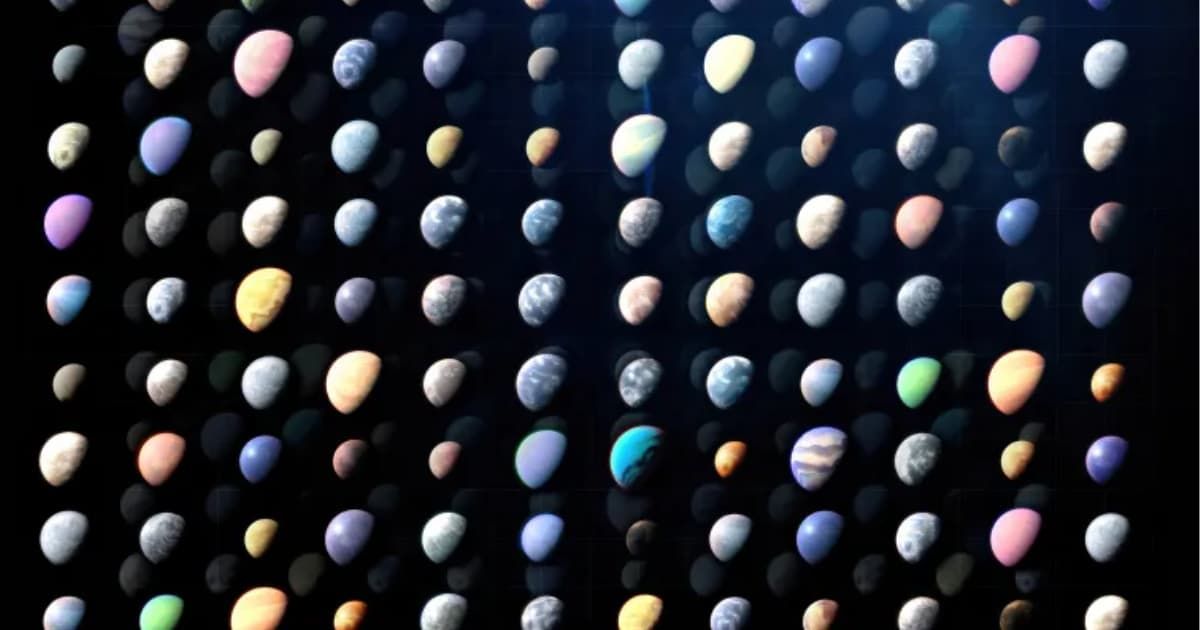
The number of confirmed planets discovered outside our solar system has officially reached a new milestone. NASA's count of exoplanets has surpassed 6,000, a number that reflects decades of exploration led by space telescopes, as per NASA/JPL. This achievement is a significant step in humanity's quest to answer one of the most fundamental questions: "Are we alone?" With this rapid pace of discovery, it wouldn't be surprising if, in a few years, we'd be embarking on a quest reminiscent of the film 'Interstellar'.
6,000 worlds beyond our solar system (and counting!)
— NASA JPL (@NASAJPL) September 17, 2025
In the 30 years since the first exoplanet was found, the pace of discoveries has only accelerated – and that number will continue to grow. https://t.co/jSLmSw2gHc pic.twitter.com/WO1hRLI59m
The confirmation process, overseen by the NASA Exoplanet Science Institute (NExScI), is a rolling effort, with thousands of additional planets currently awaiting validation. While the first exoplanet orbiting a sun-like star was confirmed in 1995, the rate of discovery has accelerated significantly. The database reached 5,000 confirmed exoplanets just three years ago.
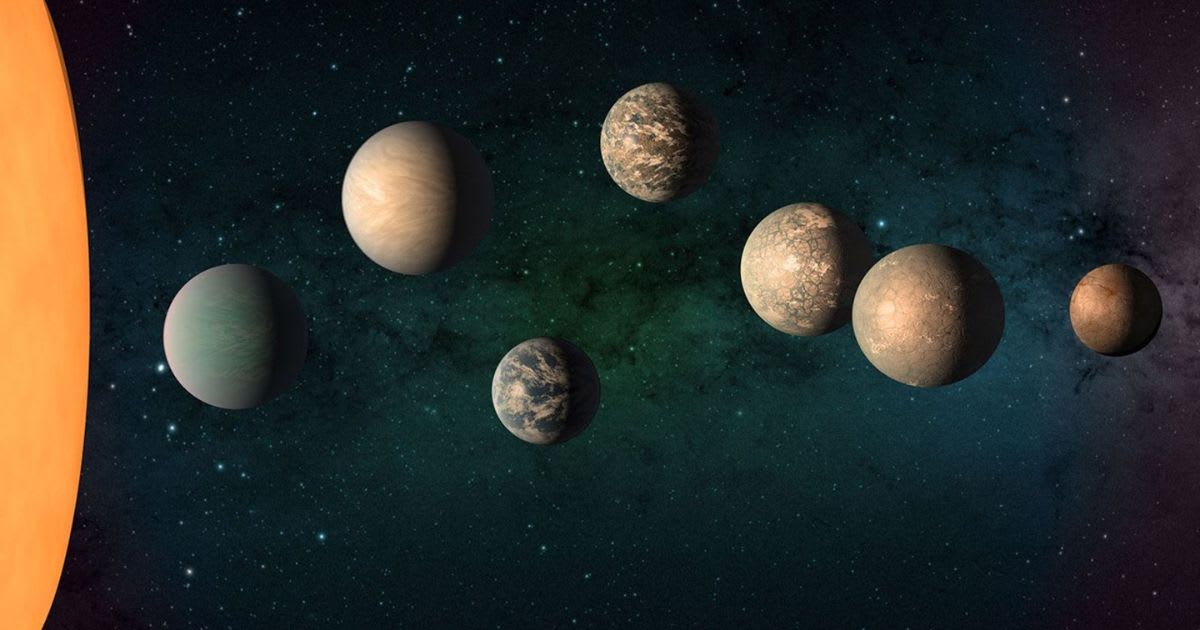
Researchers believe there could be billions of planets in the Milky Way, and the growing database is offering new insights into the variety of planetary systems. While our own solar system has a balance of rocky and giant planets, rocky planets appear to be much more common throughout the universe.
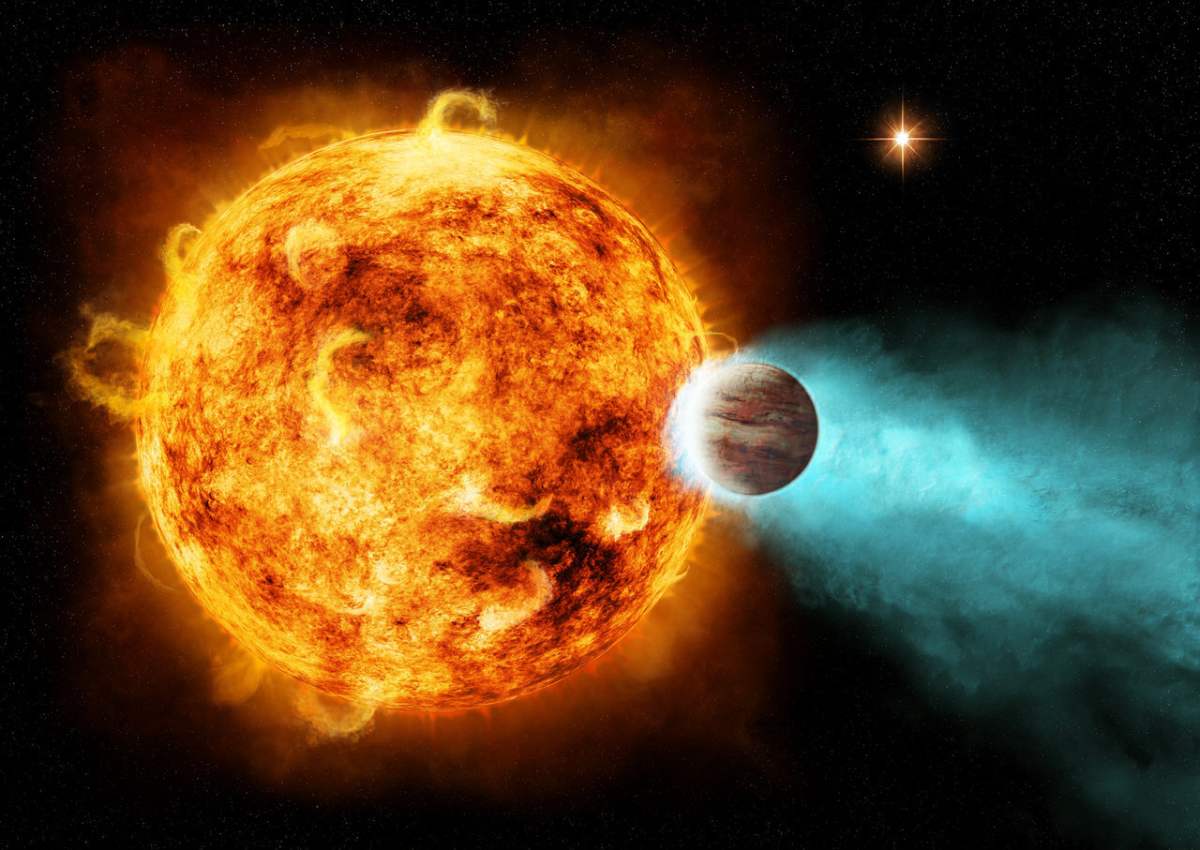
In addition to these findings, the growing database has revealed a wide range of exotic and unexpected worlds that defy simple categorization. Researchers have identified "Hot Jupiters," gas giants that orbit closer to their stars than Mercury orbits our Sun, as well as planets that orbit two stars or even drift alone through the cosmos. Other discoveries include worlds with the density of Styrofoam and planets where clouds are made of gemstones, offering new insights into the diversity of planetary formation.
“Each of the different types of planets we discover gives us information about the conditions under which planets can form," said Dawn Gelino, head of NASA's Exoplanet Exploration Program. “If we want to find out if we’re alone in the universe, all of this knowledge is essential.”
Finding these distant worlds is challenging. Fewer than 100 exoplanets have been directly observed. Most are detected indirectly by measuring a star’s light as a planet passes in front of it, a technique known as the transit method. NASA missions like the upcoming Nancy Grace Roman Space Telescope are expected to discover thousands of new exoplanets using techniques like gravitational microlensing. The Roman telescope will also carry an instrument designed to block starlight, allowing for more direct imaging of distant worlds.
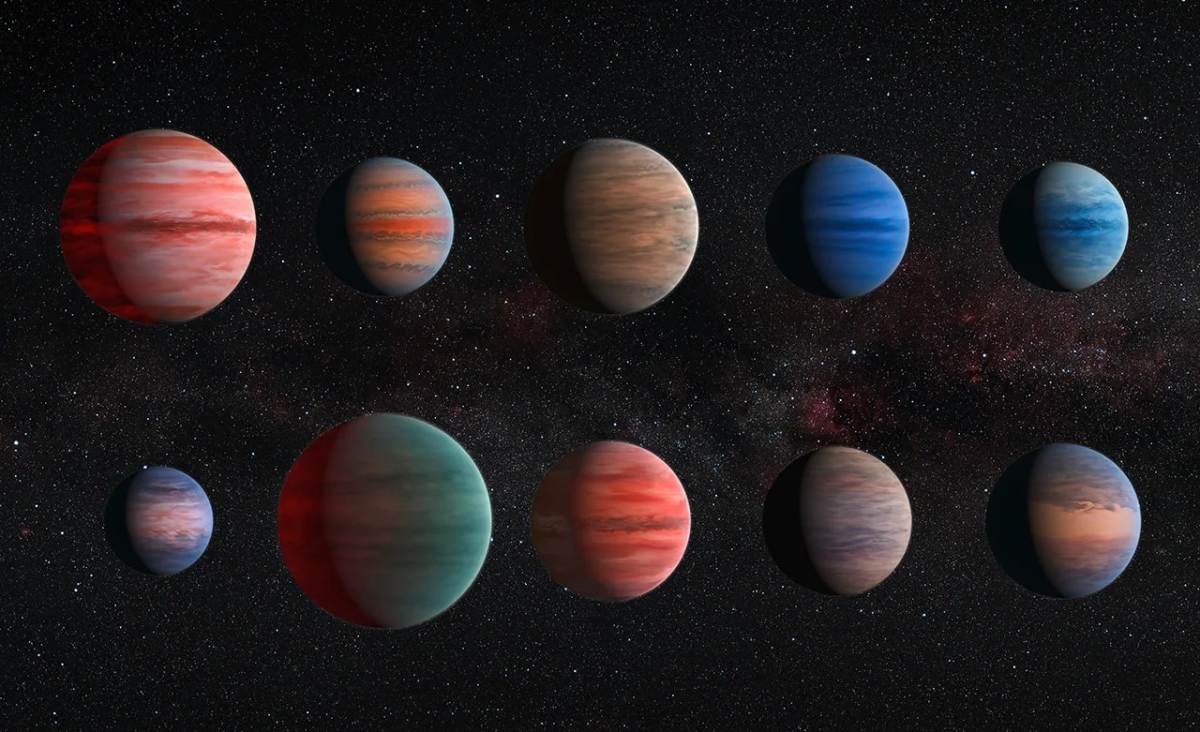
The future of exoplanet science at NASA will focus on locating Earth-sized, rocky planets and analyzing their atmospheres for potential biosignatures, or signs of life. The James Webb Space Telescope has already analyzed the atmospheres of over 100 exoplanets, but new technology is needed to study planets the size of Earth, which are easily obscured by the light of their parent stars, as mentioned by NASA/JPL.
NASA is currently developing a concept for the Habitable Worlds Observatory, a mission that would utilize advanced coronagraph technology to detect and study Earth-like planets around sun-like stars. Studying these diverse worlds, some vastly different from our own, helps scientists learn more about how planets form and the conditions necessary for life to exist.
More on Starlust
Astronomers in search of habitable worlds rule out atmospheric scenarios on exoplanet TRAPPIST-1e