ESA’s ExoMars captures massive dust avalanches on Mars triggered by a meteoroid impact
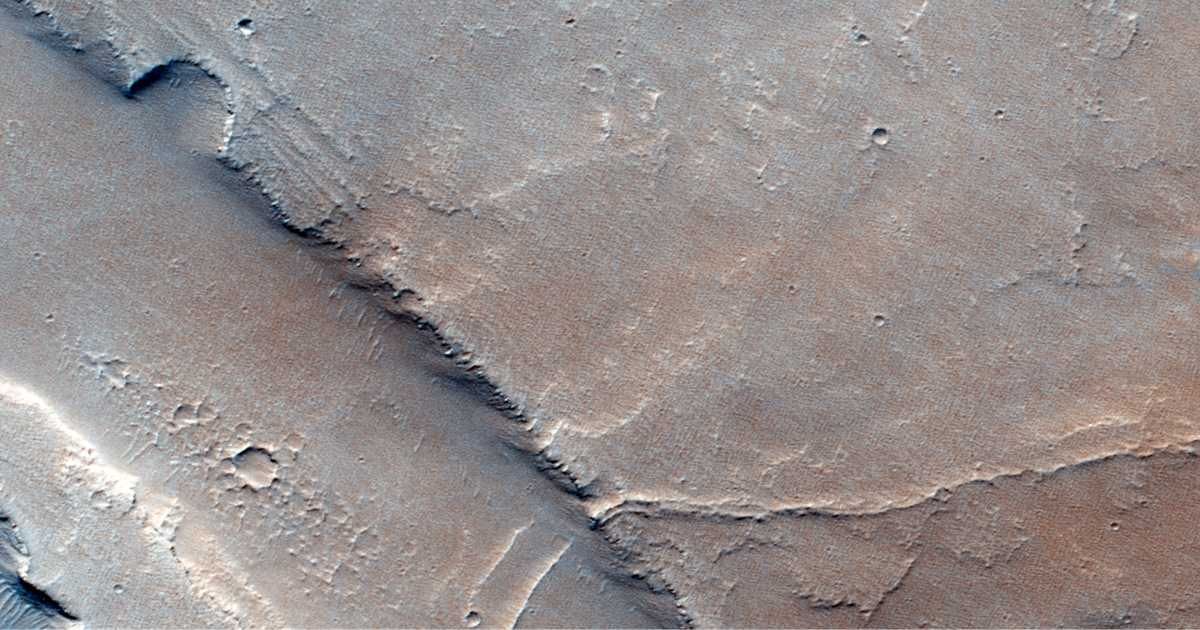
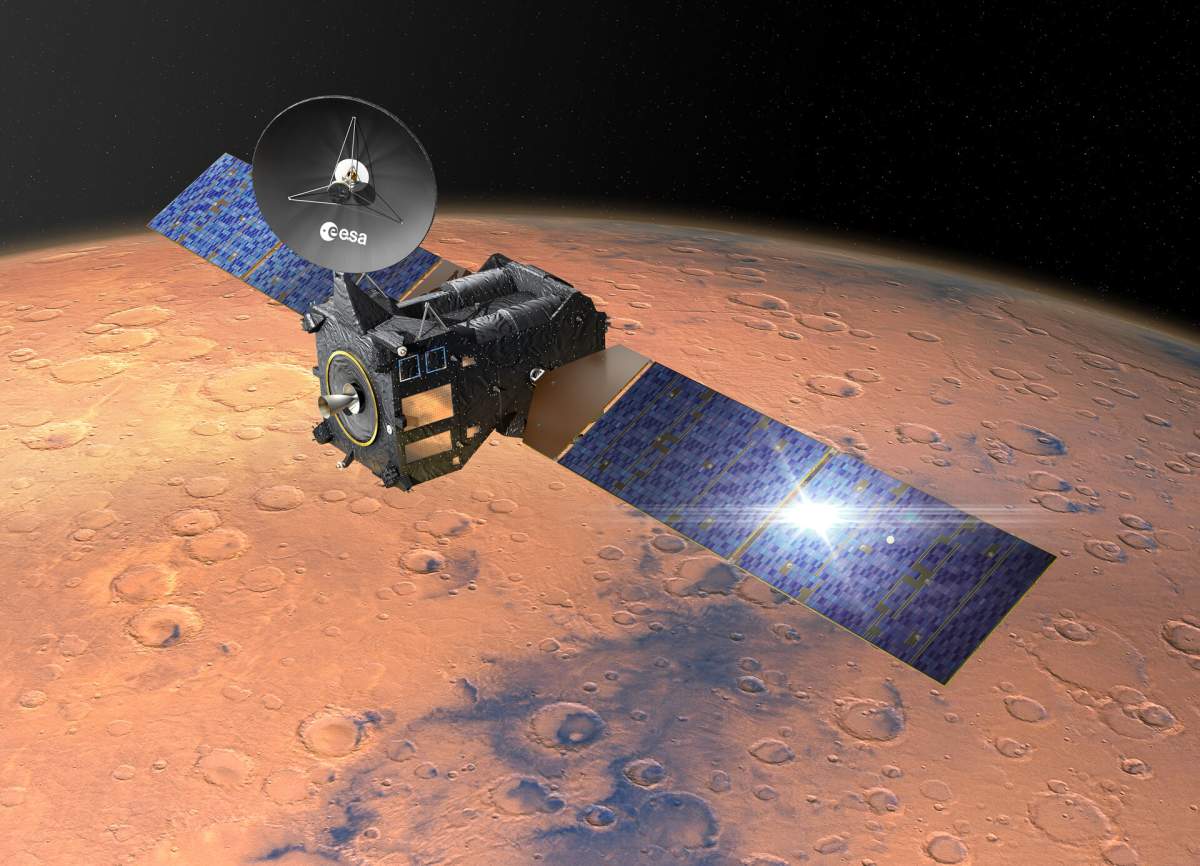
New analysis of imagery from the ExoMars Trace Gas Orbiter (TGO) confirms that a meteoroid triggered the formation of a series of dark streaks on the slopes of Mars' Apollinaris Mons. The European Space Agency (ESA) orbiter captured the resulting dust avalanches shortly before Christmas 2023.
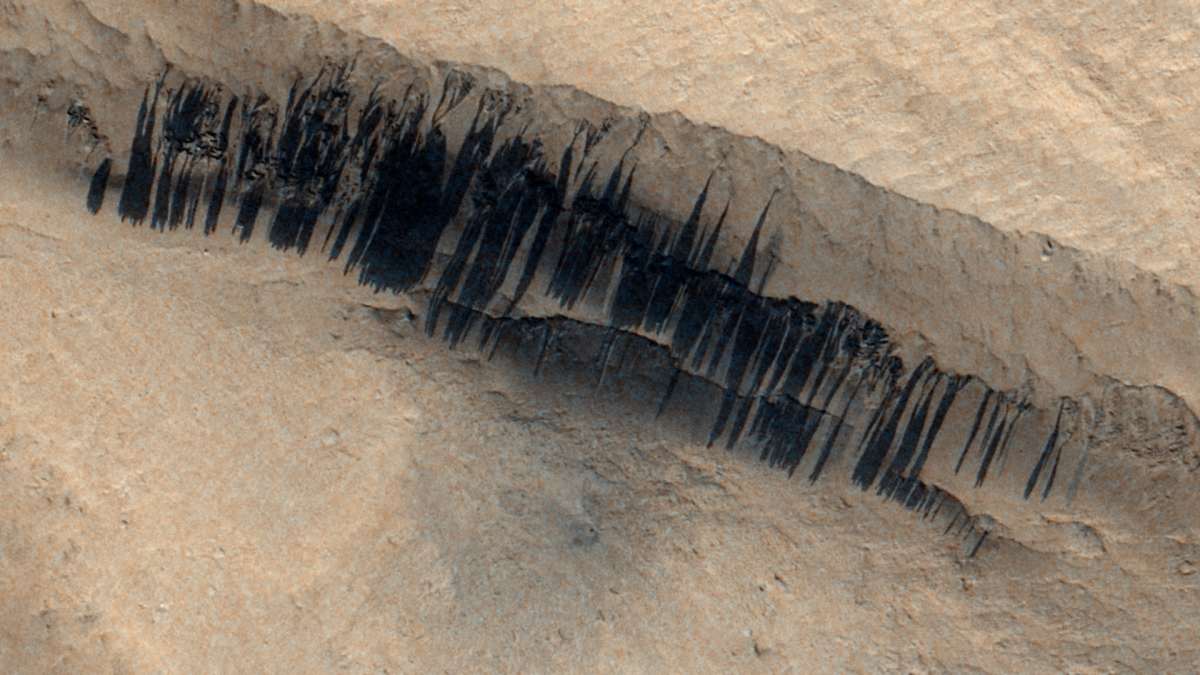
The images, taken by the orbiter's Colour and Stereo Surface Imaging System (CaSSIS), revealed approximately one hundred new scratches etched on the Martian surface, alongside a faint cluster of impact craters at the base of the affected slopes. Further review of additional data allowed scientists to pinpoint the impact and subsequent streak formation to an event occurring sometime between 2013 and 2017.
While these dark streaks are often attributed to dry processes, such as wind activity dislodging fine dust from steep slopes, a new study published in Nature Communications suggests that rock impacts are a rare trigger. The study estimates that fewer than one in a thousand such streaks are initiated by rock strikes; the vast majority result from seasonal dust stirring and wind dynamics. “Dust, wind, and sand dynamics appear to be the main seasonal drivers of slope streak formation. Meteoroid impacts and quakes seem to be locally distinct, yet globally relatively insignificant drivers,” stated lead author Valentin Bickel of the University of Bern.
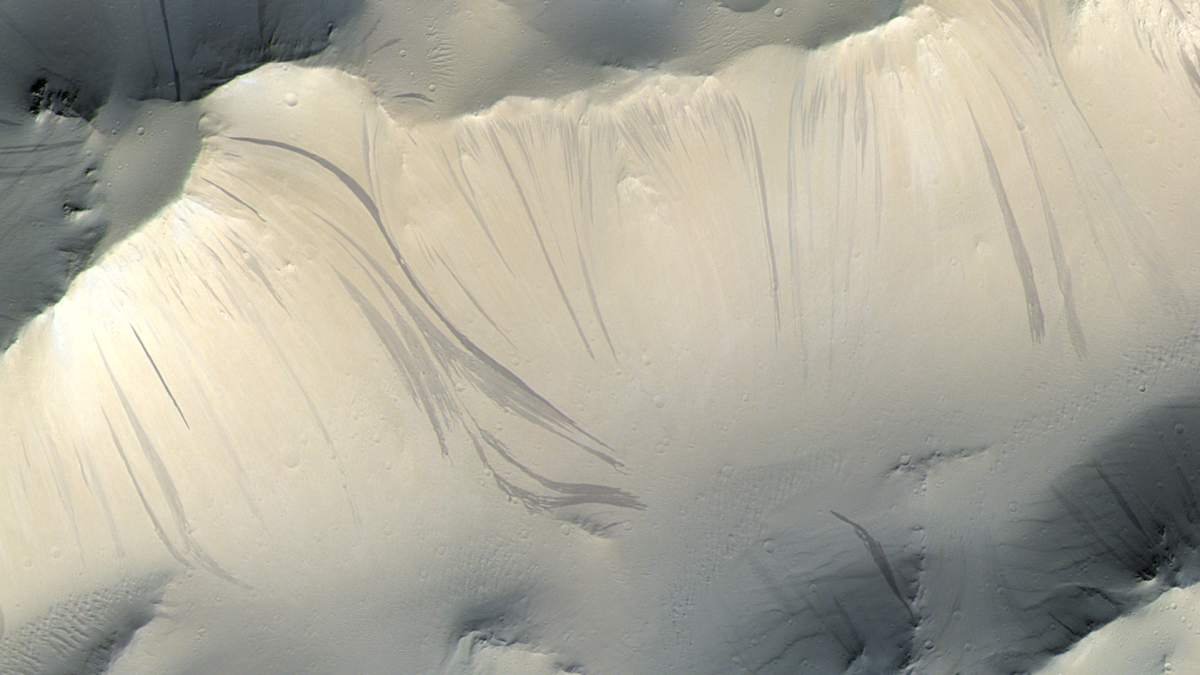
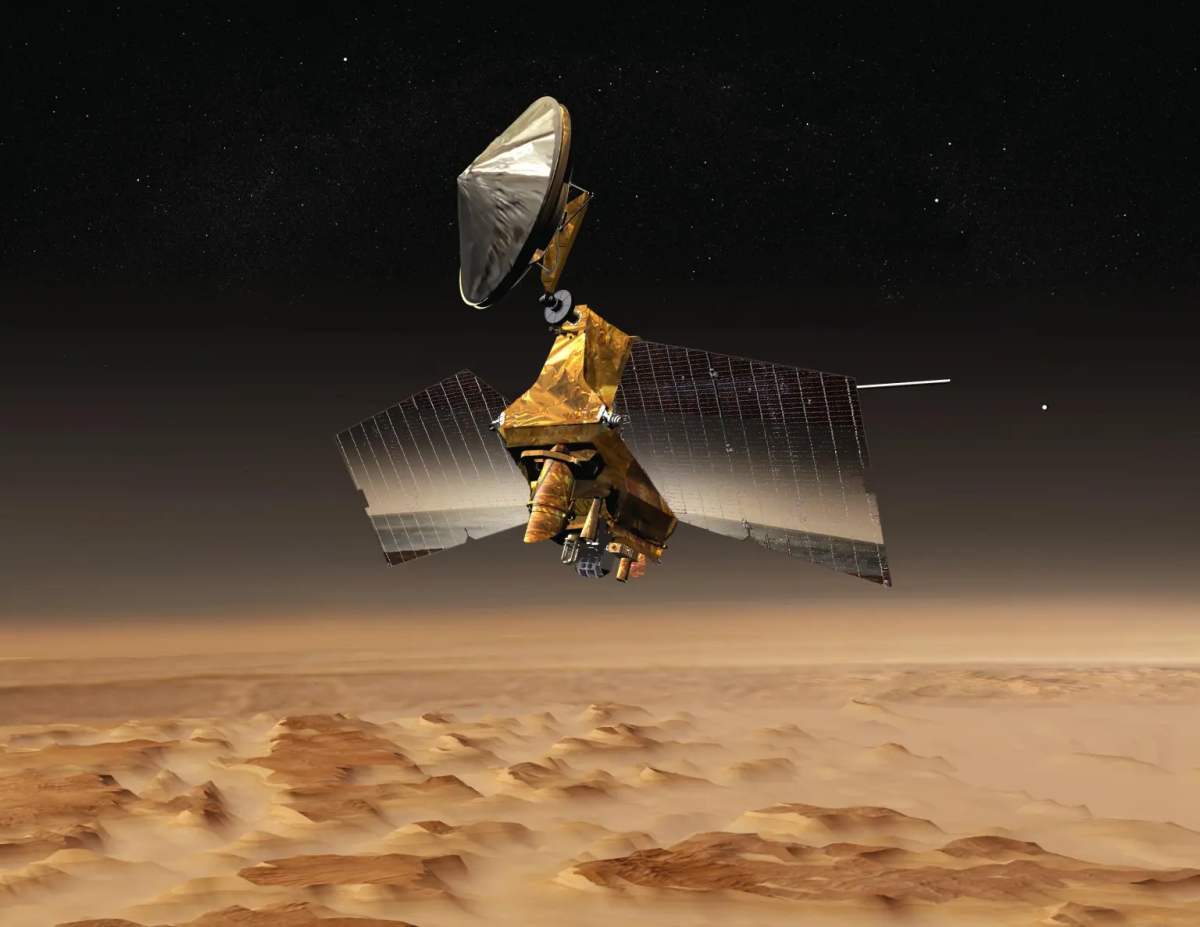
Bickel's team utilized deep learning algorithms to process over two million slope streaks documented in images from NASA's Mars Reconnaissance Orbiter (MRO), creating a comprehensive census that identified five distinct hotspot regions for these features between 2006 and 2024. ESA's ExoMars project scientist, Colin Wilson, noted the importance of these findings for monitoring the planet's current state: "Obtaining long-term, continuous and global-scale observations that reveal a dynamic Mars is a key objective of present and future orbiters.” The TGO continues its mission orbiting Mars, gathering vital data on atmospheric gases and mapping water-rich areas on surface as part of the broader effort to understand the planet's ancient past and potential habitability.
Understanding the dynamics of the planet's current environment, such as these newly formed streaks, directly informs scientists' most fundamental questions about Mars' history, according to Universe Today. Primary among these are: how and when its surface water vanished, where that water is now located, and the feasibility of past life flourishing on the planet. Addressing these core issues is the driving focus for the nine robotic missions currently exploring the Red Planet under the stewardship of five different space agencies. With numerous other robotic explorations planned and crewed missions targeted before the mid-century mark, this latest observation serves as another crucial data point in charting Mars' environmental evolution.
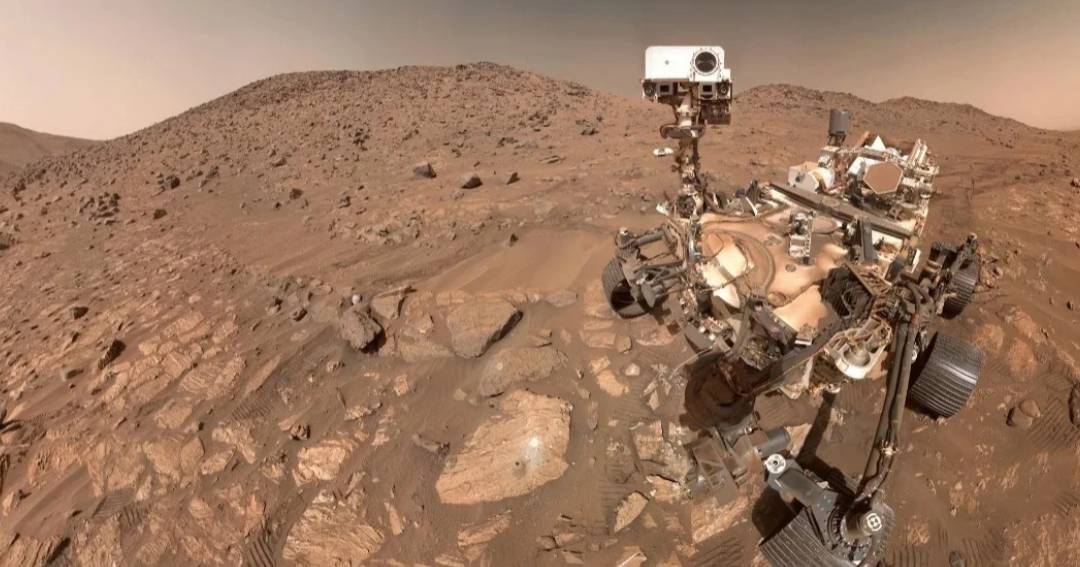
Further bolstering the search for ancient life, separate analysis by NASA's Perseverance rover indicates that Mars' Jezero Crater experienced conditions favorable for habitability on multiple occasions. Scientists reached this conclusion after examining rocks on the crater floor, which revealed a diverse assemblage of minerals signaling a complex history of water-rock interactions. This significant discovery, published in the Journal of Geophysical Research: Planets, is expected to heavily influence ongoing life-detection efforts and guide the rover's strategic sample collection priorities.
More on Starlust
Mars like you've never seen: Surreal images from NASA's Perseverance rover
New research reveals how volcanic gases may have made early Mars a cradle for life