Perseverance had found nickel in Martian bedrock—now, study claims it could be sign of ancient life
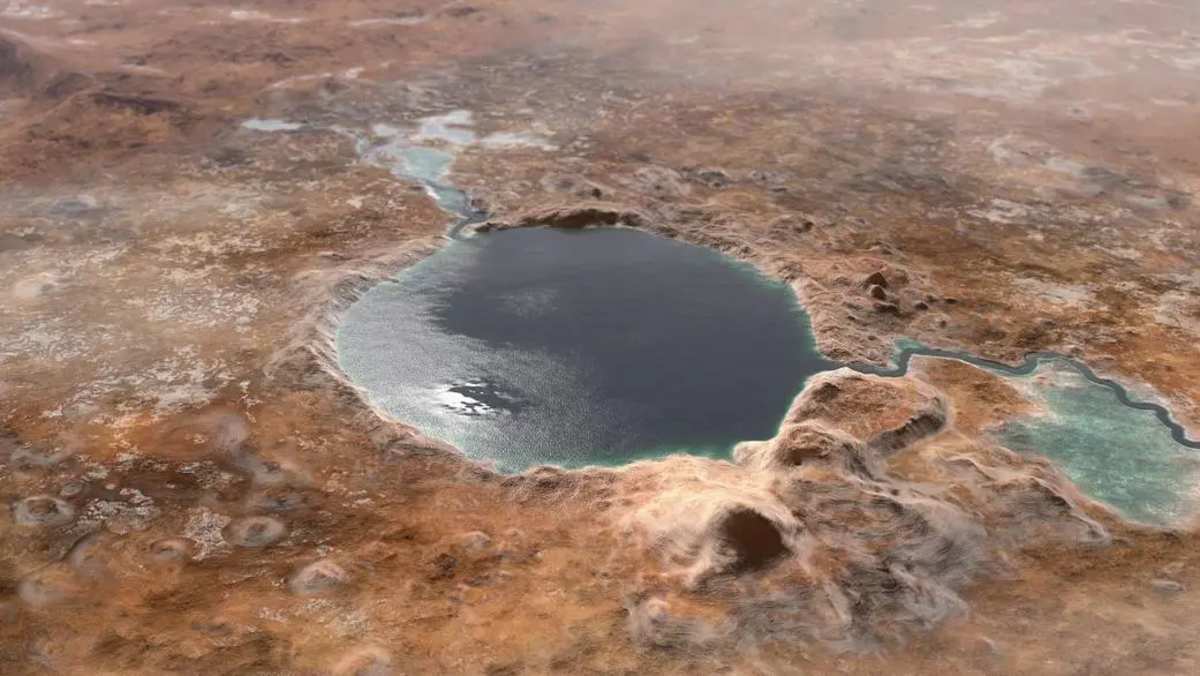
Back in 2024, NASA's Perseverance rover detected surprising levels of nickel in the bedrock of an ancient Martian river channel, called Neretva Vallis, that once transported water into the Jezero Crater. Now, a new study, published in Nature Communications, claims that the nickel detected could be signs of ancient life on the Red Planet. Nickel is an essential component for microbial metabolic functions. For instance, nickel is a key element in an ancient, energy-efficient anaerobic process called the Wood-Ljungdahl (W-H) pathway, which is utilized by bacteria and archaea. These microorganisms use this process to fix carbon dioxide, and some bacteria use nickel to decompose organic matter.
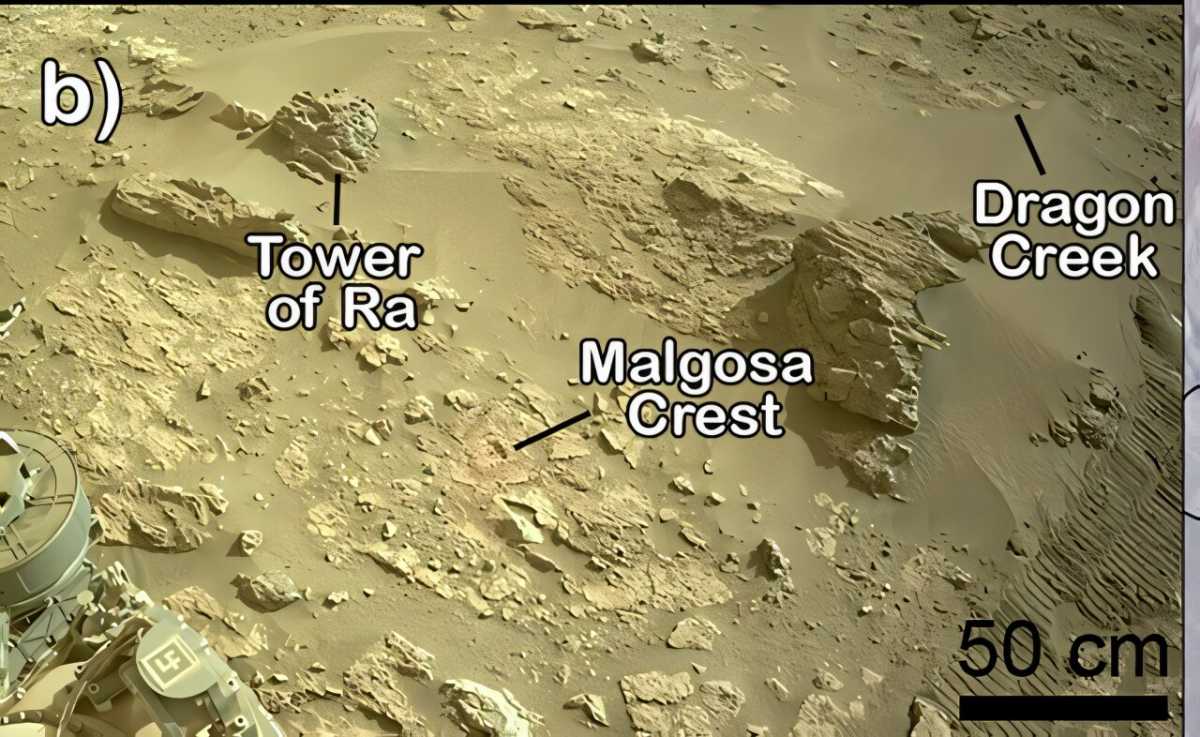
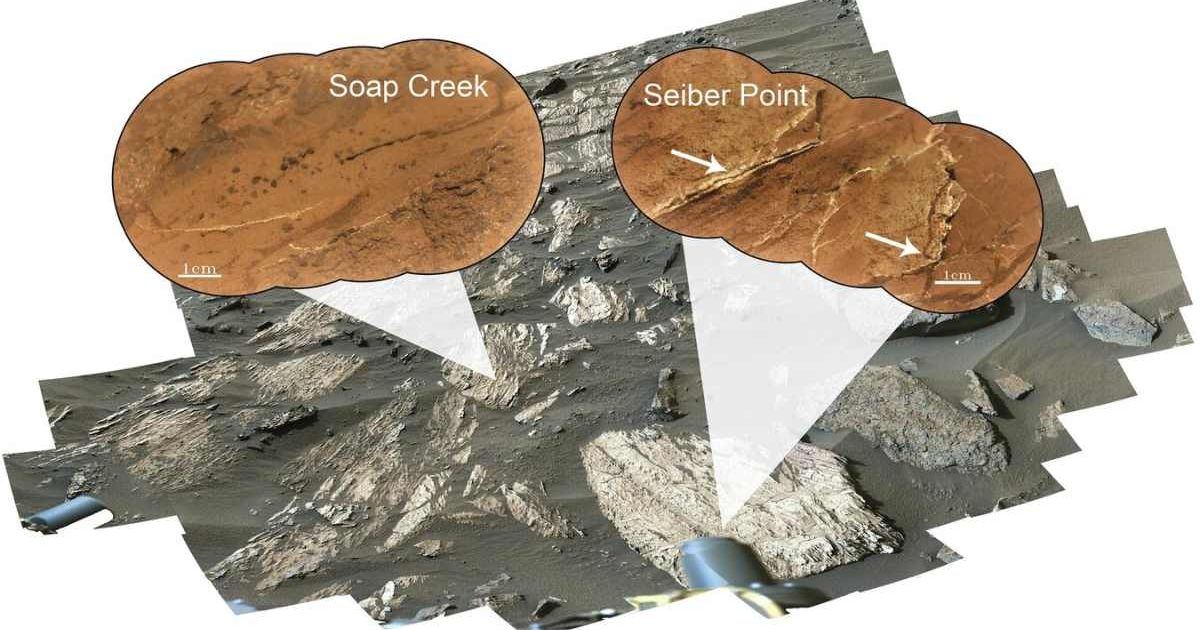
Nickel is an essential component of enzymes used by primitive microorganisms and bacteria. The microorganisms that produce methane as a by-product also use nickel. During the Archean, a decrease in nickel content in Earth's ocean is thought to have caused a drop in atmospheric methane. This event preceded the Great Oxidation Event. As for Perseverance, since its landing in the Jezero Crater in February 2021, the rover has explored the crater floor, climbed up the western fan deposits, crossed the olivine- and carbonate-rich Margin Unit, and then headed toward Neretva Vallis. After reaching the Neretva Vallis in 2024, the rover’s camera scanned 126 rock targets. Its SuperCam instrument detected high concentrations of nickel as high as 1.1 weight percent—the highest abundance ever found in Martian bedrock.
The rover’s remote Laser Induced Breakdown Spectroscopy (LIBS) technique detected 0.12 weight percent or higher in 32 out of the 126 rock targets. Many of these samples were found near iron-rich rocks, indicating the presence of nickel in an iron-bearing phase. Nickel is usually found in a planet’s core. But such high concentrations of nickel on the surface are unexpected. So, what processes transported the element to the Martian surface? The researchers note that there are a few processes that enrich nickel levels, as observed in Neretva Vallis. They say that sedimentary iron sulfides on Earth, similar to those found in certain regions of Neretva Vallis, probably form by microbial sulfate reduction in the presence of iron-bearing minerals.
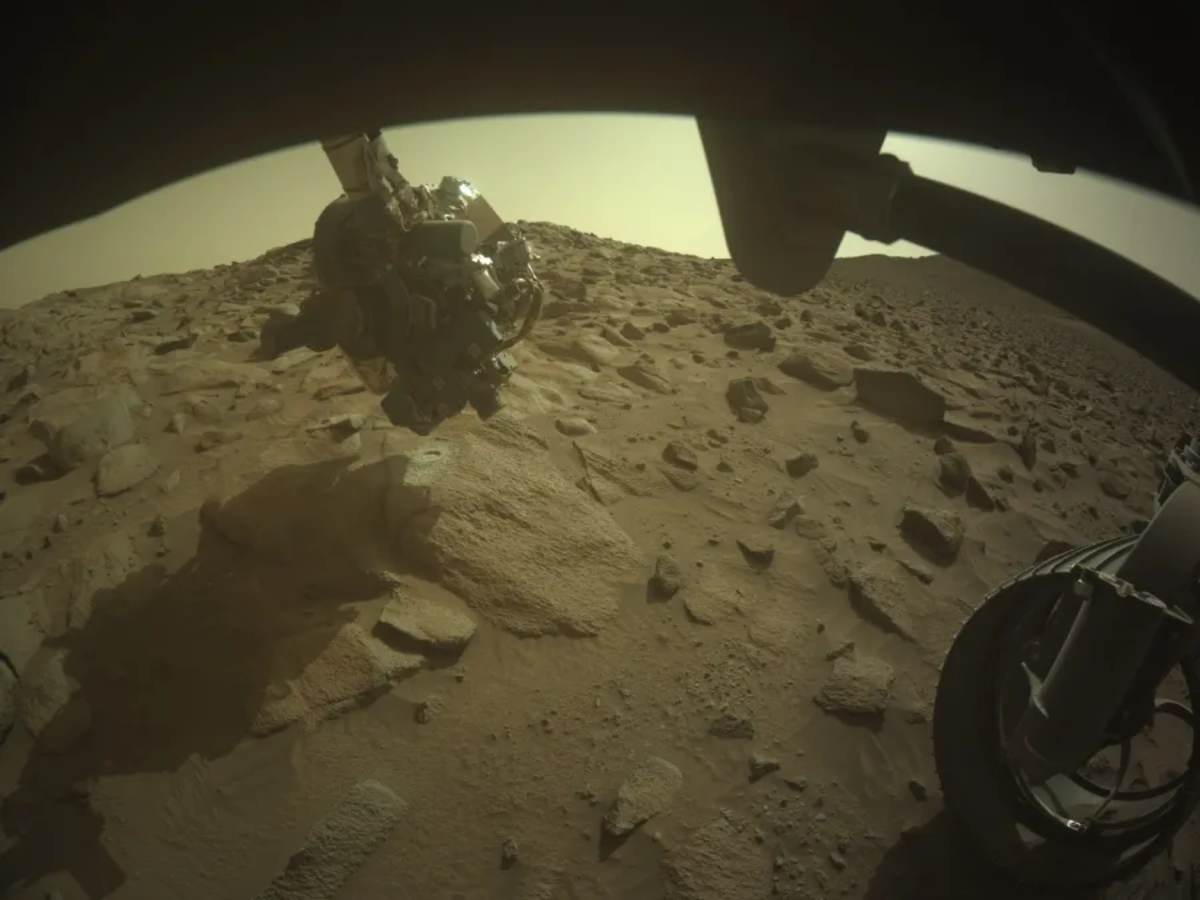
Another possible explanation is the thermochemical reduction of sulfate at high temperatures. But this was ruled out since there is no evidence for the metamorphism or burial to the depths required for thermochemical sulfate reduction. Noachian materials in the Jezero watershed, dated to be between 4.1 and 3.7 billion years old, can be compared with an early Earth and terrestrial biosphere that formed around the same time as these rocks. The present finding of nickel on Mars is not direct evidence that the element is related to biological processes. But its high concentrations point to the fact that it was bioavailable.
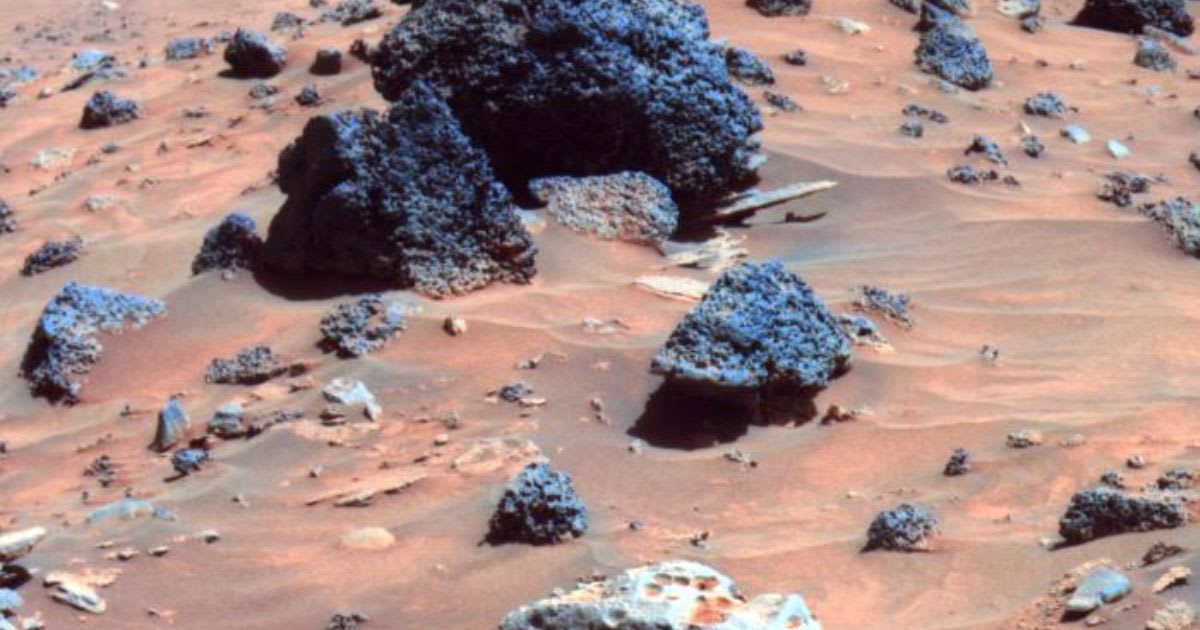
The team also speculates about its non-biological origins. They say that the nickel may have been delivered by a meteorite. Then it was dissolved and redistributed by water flowing through the region. Another possibility is that the element may have accumulated from chemical weathering of sedimentary rocks that contain nickel. The instruments on Perseverance cannot perform the detailed isotopic or trace metal analyses needed to confirm origins or biological links, so the origins of nickel in Neretva Vallis remain uncertain. Meanwhile, the researchers await the samples’ return to Earth. Then they can do further analyses to pin down its origin, uncovering more about Martian history and its potential for ancient life.
More on Starlust
NASA's Perseverance rover successfully completes first AI-directed drive on Mars
Distant moons around alien planets may host conditions for life, says new study