NASA's SpaceX Crew-12 commander will carry her 3-year-old daughter's stuffed rabbit to the ISS
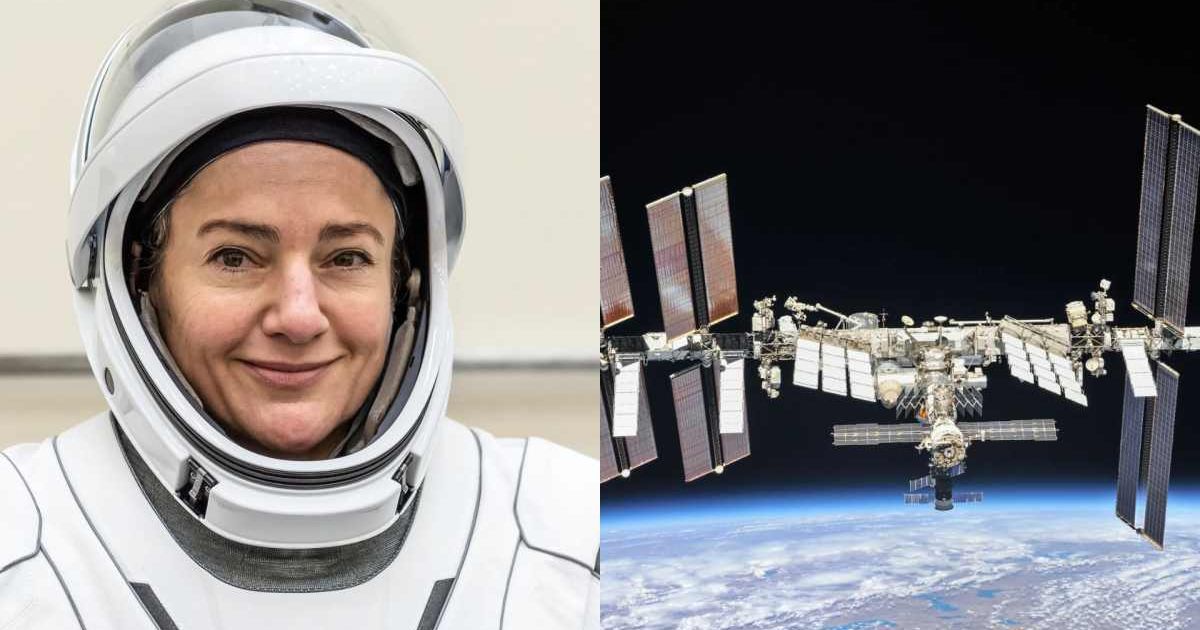
NASA astronaut Jessica Meir will carry her three-year-old daughter’s stuffed rabbit to the International Space Station aboard the SpaceX Crew-12 mission. When asked about the personal items being carried by the crew during a recent news conference held online under quarantine, Meir said, “I do have a small stuffed rabbit that belongs to my three-year-old daughter, and she actually has two of these because one was given as a gift. So, one will stay down here with her, and one will be there with us, having adventures all the time, so that we’ll keep sending those photos back and forth to my family.”
Meir, who serves as commander for Crew-12, shared this detail while discussing mission preparations and personal items in quarantine ahead of the delayed launch - now targeted for no earlier than Thursday, February 12, 2026, from Cape Canaveral Space Force Station in Florida. She also reflected on the emotional challenge of leaving her young child for months, adding, “It does make it a lot difficult in preparing to leave and thinking about being away from her for that long, especially when she’s so young; it’s really a large chunk of her life.” Her crewmates, NASA pilot Jack Hathaway, ESA astronaut Sophie Adenot, and Roscosmos cosmonaut Andrey Fedyaev, also joined her in the online press briefing.
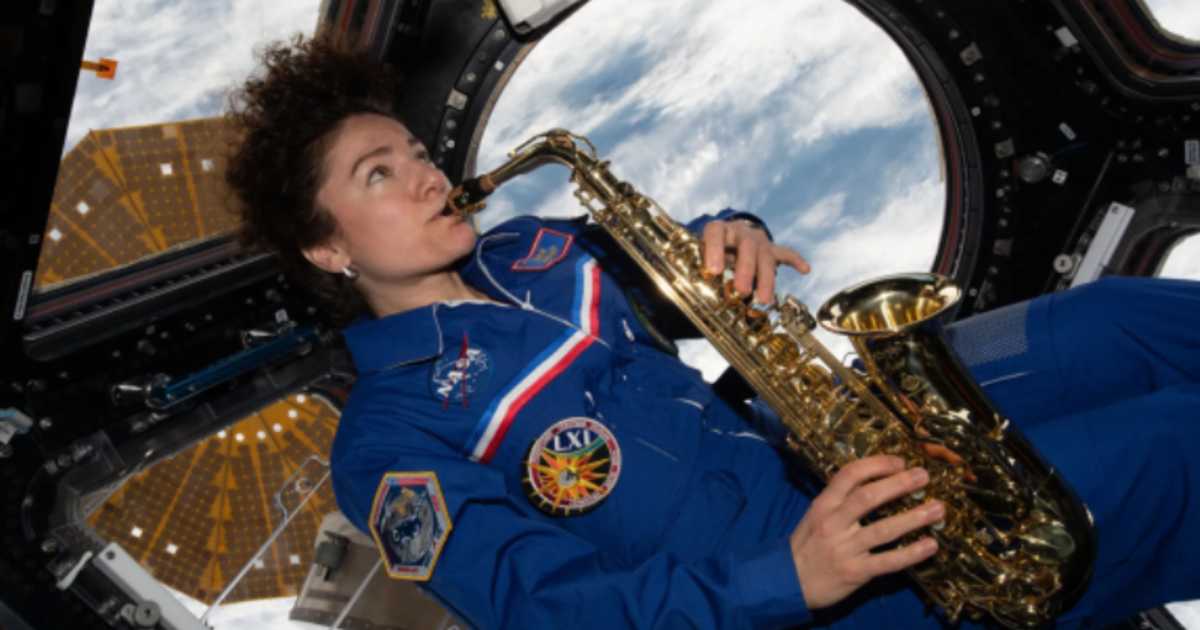
Though space within the Dragon capsule is precious, the rabbit fits into NASA’s policy allowing astronauts to pack small personal items, like photos or mementos, to ease the isolation of spaceflight. Past missions have also seen crew members bring their belongings to feel connected during long expeditions. In another news briefing, the crew members even discussed performing something of a concert using the musical instruments already on the ISS carried by its past inhabitants. ESA’s rookie crew member on this mission, Sophie Adenot, will also pay homage to the first French woman in space, Claudie Haigneré, by carrying her mission patch, being the second woman on the exclusive list herself.
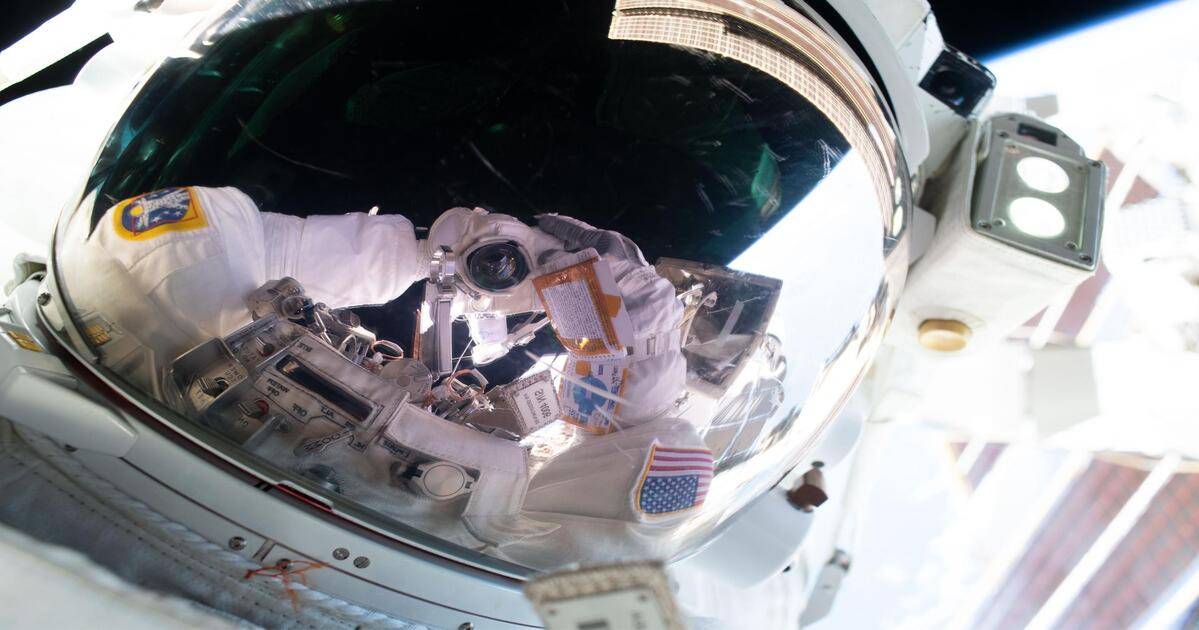
Jessica Meir, a marine biologist and physiologist, brings experience from her ISS stay on Expeditions 61 and 62 between September 25, 2019, and April 17, 2020, where she participated in the first all-female spacewalks. Crew-12 will support ongoing science in biology and technology aboard the station, which will be benefited by Meir’s background in doing research on the physiology of mammals in extreme environments. All of the research is geared to help humans deal with the challenges of long flights to explore the solar system beyond lunar orbit, as pursued by the Artemis program, which they name-checked on several occasions.
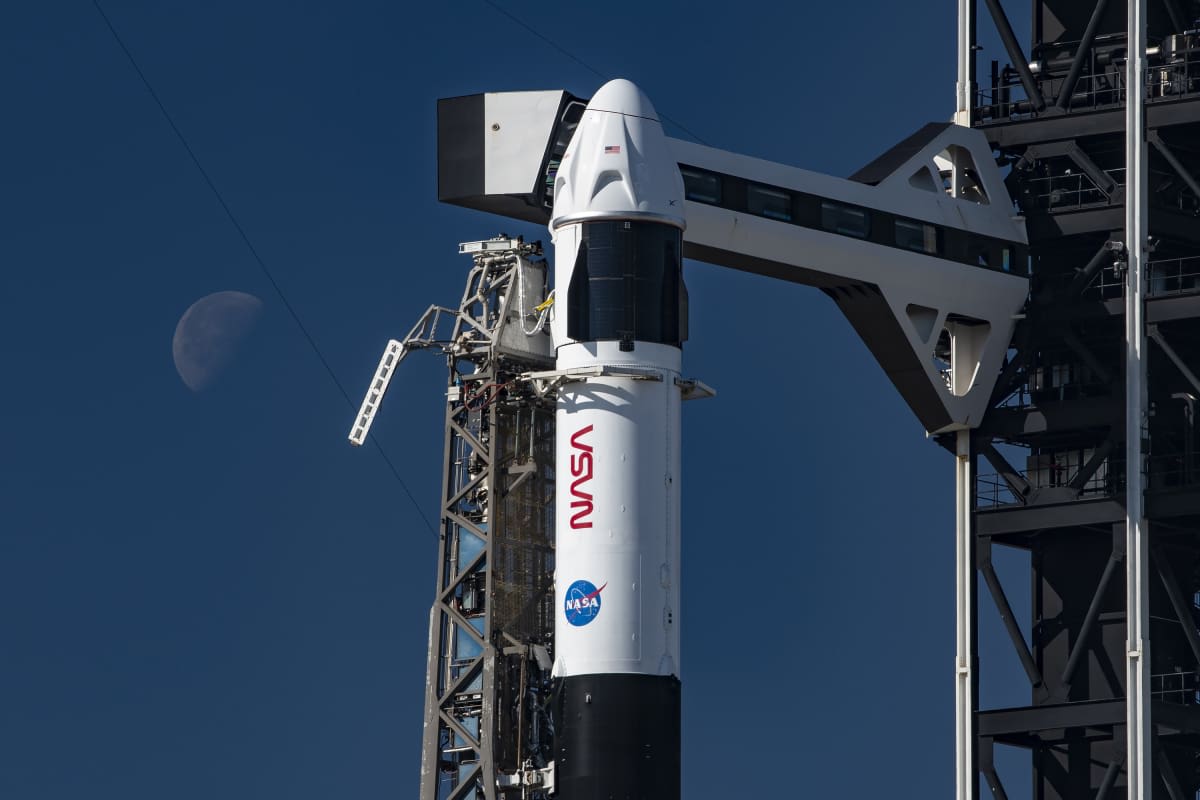
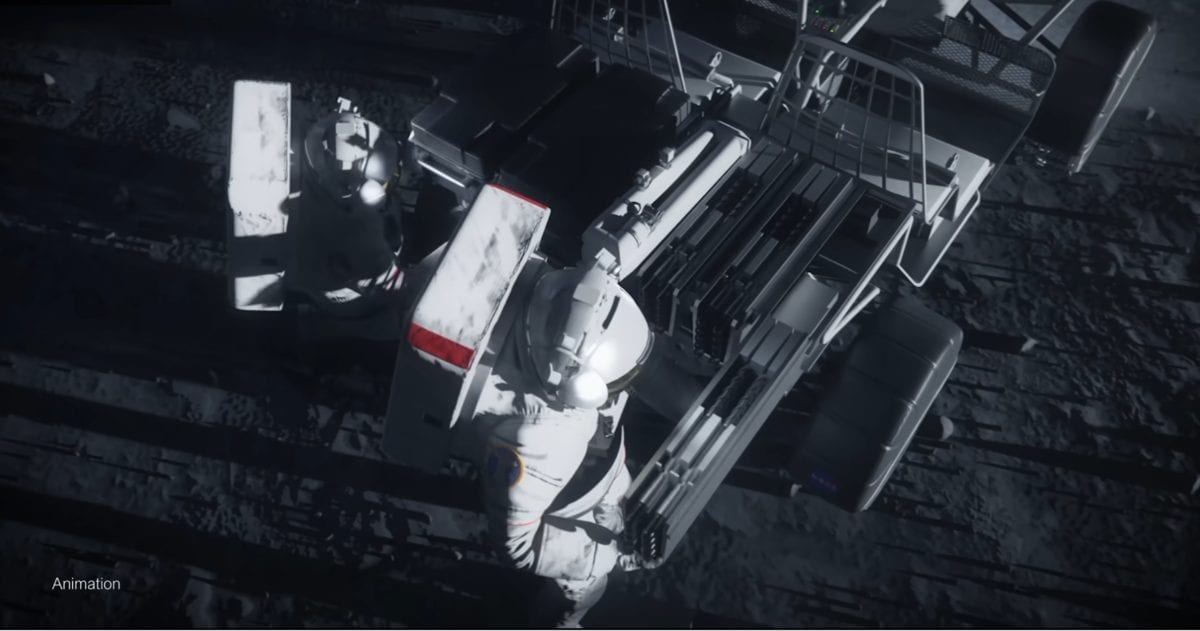
This complementary nature of the missions is evidenced by the E4D exercise machine developed by ESA, which will also be used for future lunar missions, and a lunar landing simulation study. About the latter, Meir said, “We will also be part of a study called manual piloting. This is another really cool aspect because it's not just about our lives on board the space station or just in microgravity; it is looking toward applying these results to future lunar landing missions." Adding to how it will work, she stated, "We will be actually having to do a simulation of landing on the Moon. We've done some tests here on the ground. We'll do more when we're on board the space station and then more upon return.”
More on Starlust
NASA's Artemis II mission: Why astronauts are quarantined ahead of launch
NASA could give a shoutout to your own 'Moon crew' during the Artemis II coverage: Here's how