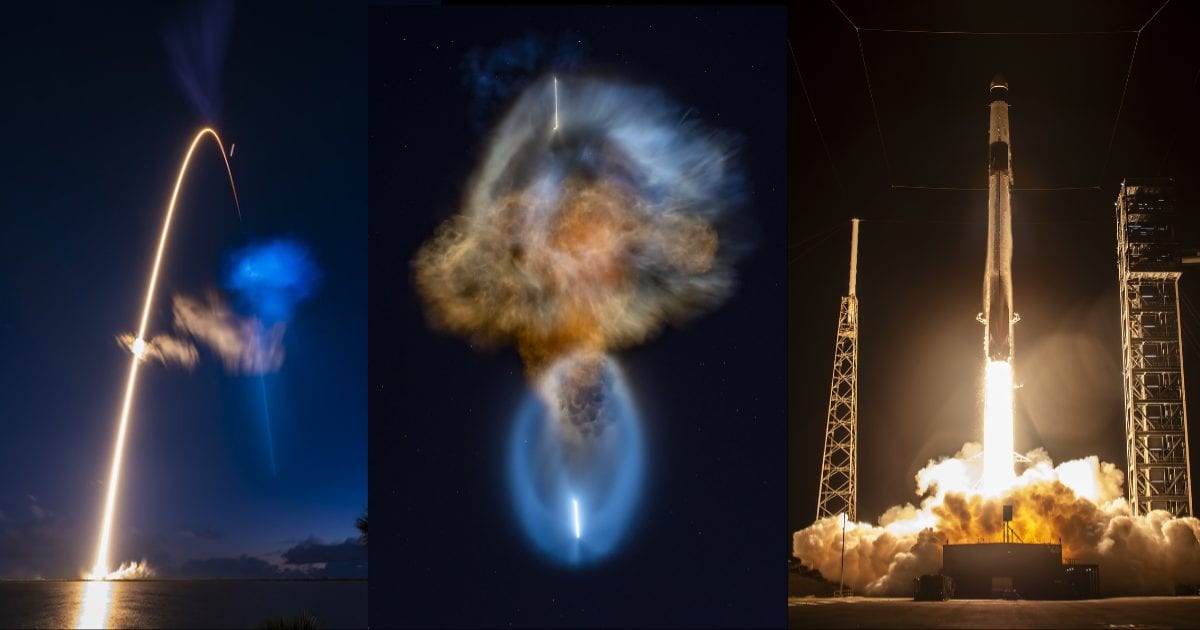
NASA’s SpaceX Crew-11 astronauts come home as Dragon achieves safe splashdown
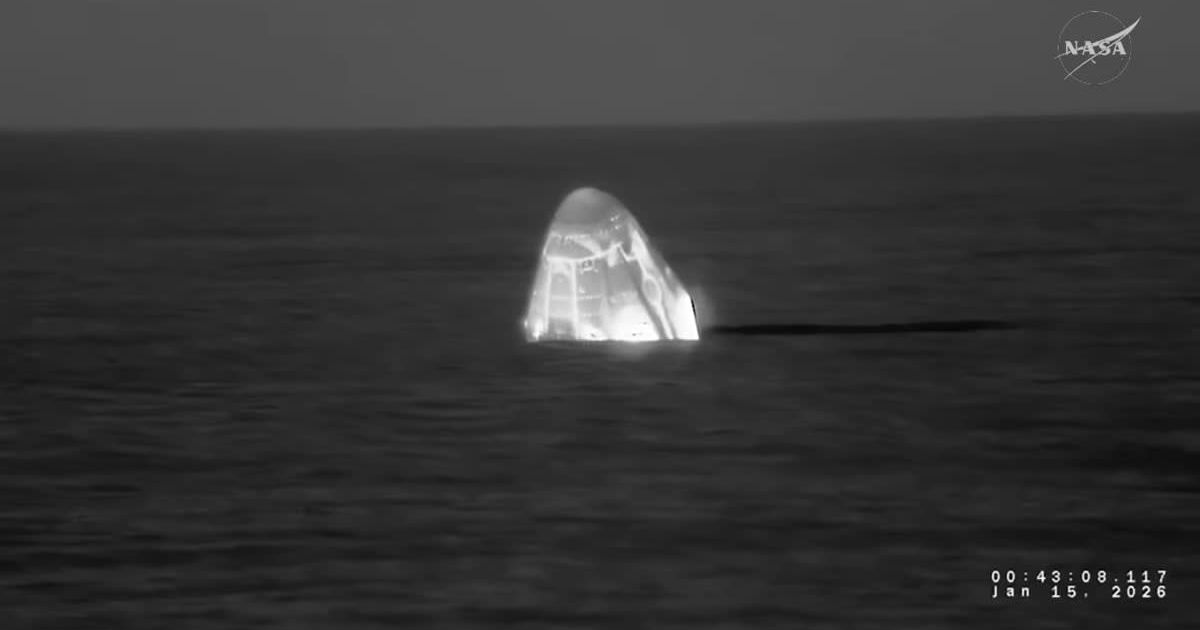
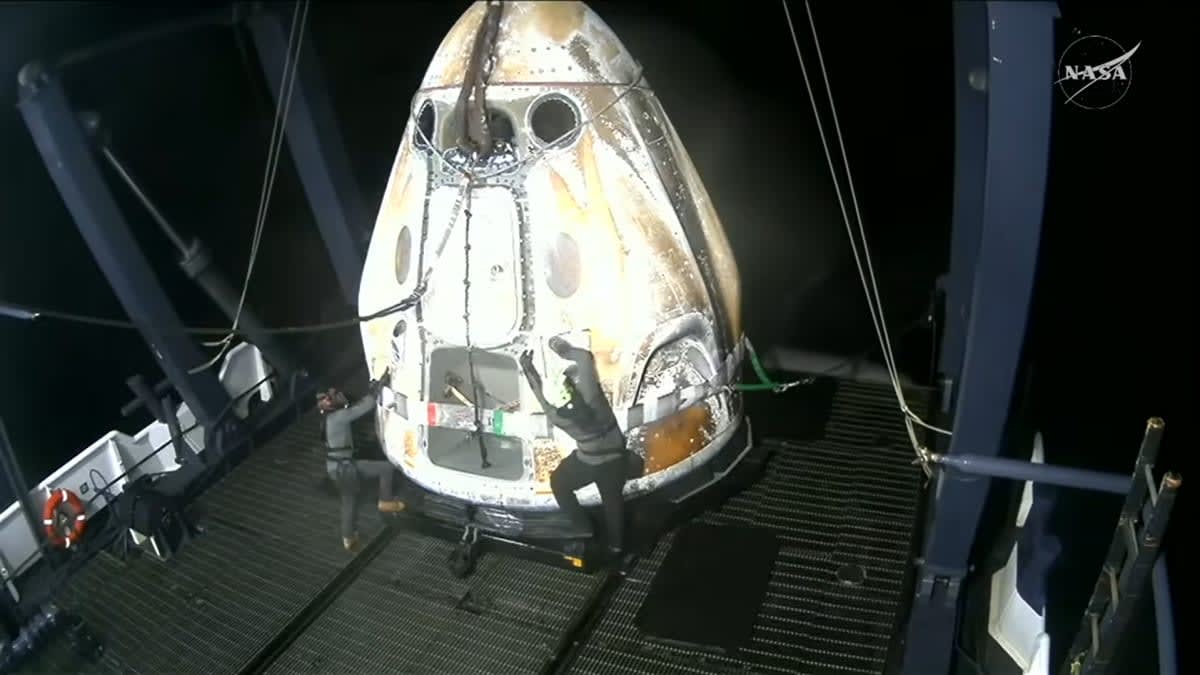
The SpaceX Crew-11 members are finally back home. NASA astronauts Mike Fincke and Zena Cardman, JAXA astronaut Kimiya Yui, and Roscosmos cosmonaut Oleg Platonov splashed down just off the coast of California aboard the SpaceX Dragon spacecraft at 3:41 a.m. EST today. SpaceX recovery teams aboard speedboats and the main recovery vessel were on standby in the vicinity and retrieved the crew and the capsule shortly after splashdown.
Splashdown of Dragon confirmed – welcome back to Earth, @zenanaut, @AstroIronMike, @Astro_Kimiya, and Oleg! pic.twitter.com/2Yrgvy6DJO
— SpaceX (@SpaceX) January 15, 2026
All four crew members will be kept under a planned overnight observation in a local hospital for health evaluation. Following the stay, they will be escorted to NASA's Johnson Space Center in Houston, where they'll undergo standard post-flight reconditioning and also get to meet their families and loved ones. "I couldn’t be prouder of our astronauts and the teams on the ground at NASA, SpaceX, and across our international partnerships," said NASA Administrator Jared Isaacman.
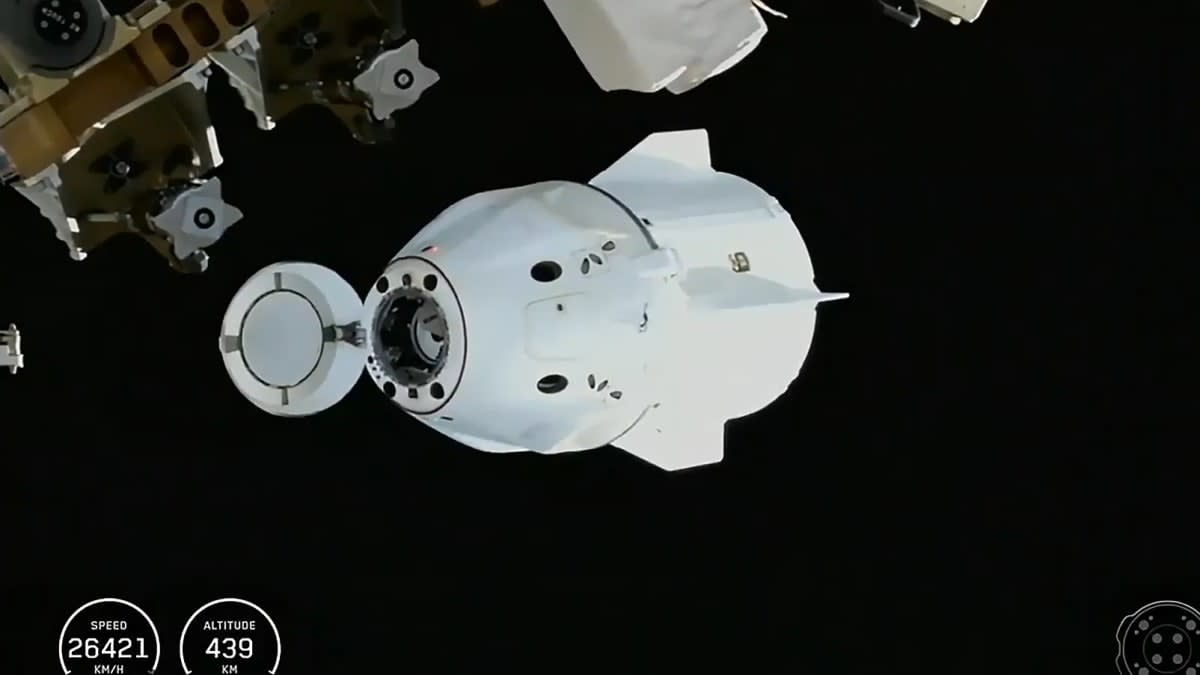
The crew had undocked from the Harmony module of the International Space Station at 5:20 p.m. EST after receiving the green light from mission managers who deemed the weather conditions good enough for a safe splashdown. After ending live video coverage after undocking, NASA resumed it at 2:15 a.m. EST on NASA+, Amazon Prime, and on its YouTube channel.
Watch Dragon and Crew-11 return to Earth → https://t.co/DIuBob7vs6 https://t.co/zo1FJixd0b
— SpaceX (@SpaceX) January 15, 2026
Crew-11's mission lasted 167 days, during which it traversed around 71 million miles and more than 2,670 orbits around Earth. They also completed more than 140 science experiments aimed at advancing human exploration.
Crew-11 was originally scheduled to spend six months on the International Space Station before returning in February. However, an unspecified medical concern with one of the crew members that arose last Wednesday, January 7, led NASA to cancel the spacewalk scheduled for the next day and bring back the crew early. While the name of the affected astronaut still remains a secret, the agency assured that the astronaut was stable and that the return did not constitute an "emergency de-orbit." "Missions like Crew-11 demonstrate the capability inherent in America’s space program—our ability to bring astronauts home as needed, launch new crews quickly, and continue pushing forward on human spaceflight as we prepare for our historic Artemis II mission, from low Earth orbit to the Moon and ultimately Mars," Isaacman added.
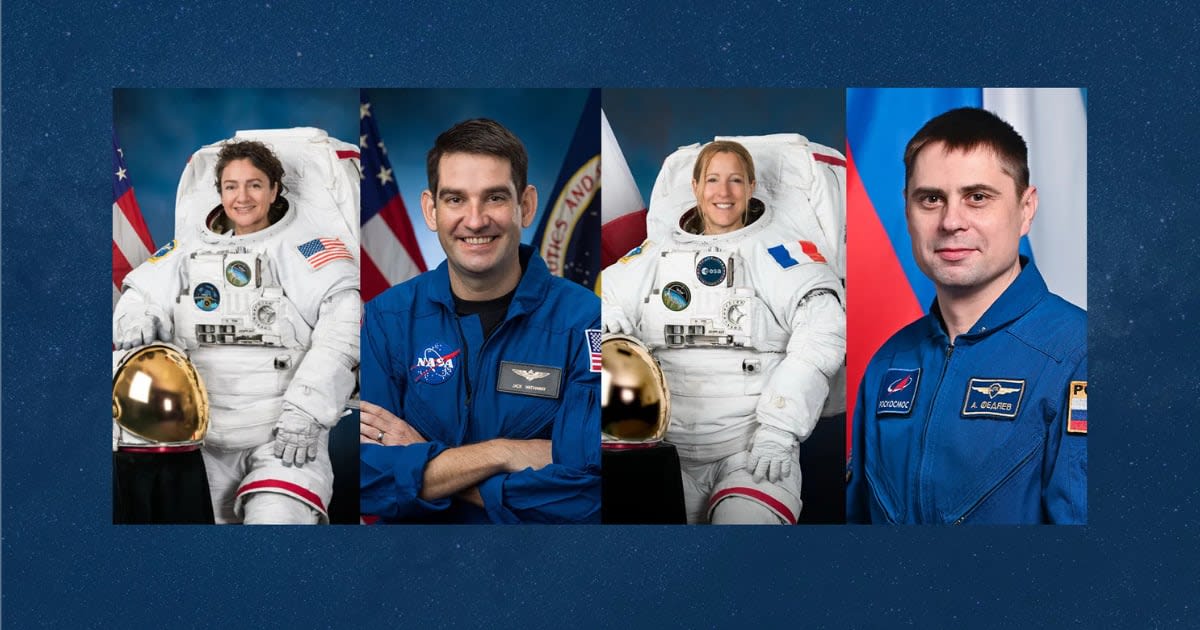
The premature return of Crew-11 means that cosmonauts Sergey Kud-Sverchkov and Sergey Mikaev and NASA's Chris Williams are the only members of Expedition 74 aboard the International Space Station, with Sverchkov in command of the orbital vessel. They will be joined by the four astronauts of the SpaceX Crew-12 mission, which is expected to launch in the middle of February.
More on Starlust
NASA one step closer to launching Artemis II—the first manned lunar mission in over 50 years
NASA launches Pandora satellite to search for signs of life on distant exoplanets