NASA’s SpaceX Crew-12 launch delayed by a day due to weather; further delay also possible
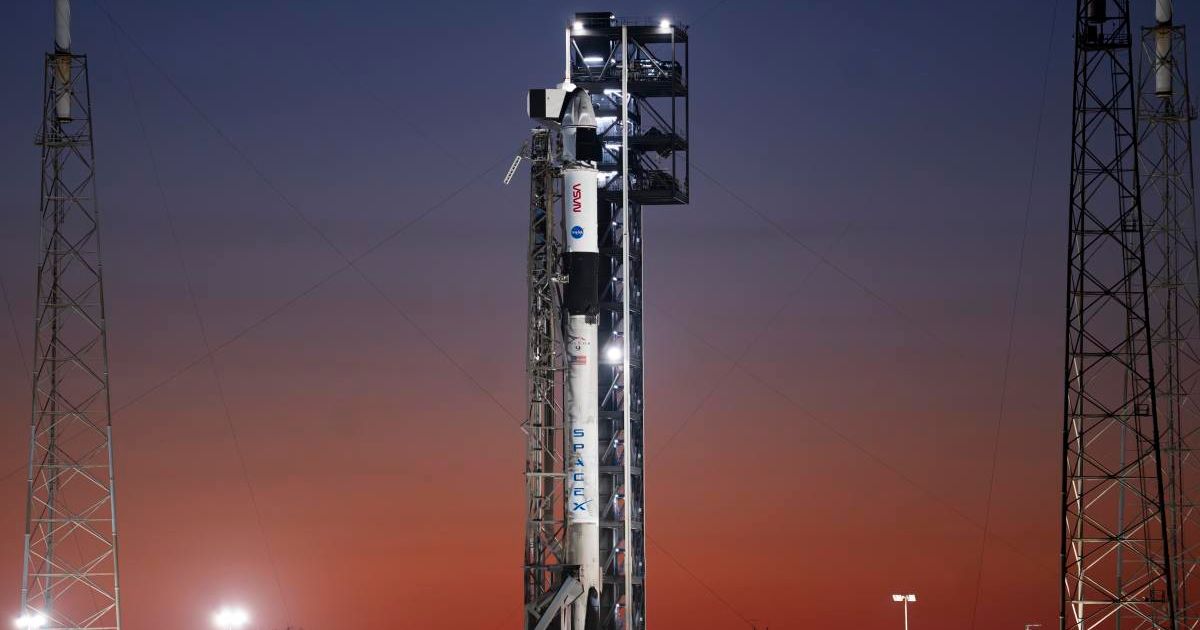
NASA and SpaceX have decided to delay the Crew‑12 launch from its original target of Wednesday, February 11, due to windy weather along the rocket’s ascent corridor. Liftoff is now being targeted for no earlier than 5:38 am EST on Thursday, February 12, 2026, from Space Launch Complex 40 at Cape Canaveral Space Force Station, Florida, provided conditions improve. NASA added that the weather forecast for Thursday will be reassessed on the morning of February 10, and so the launch date could change again, with conditions supposed to improve on February 13.
Speaking at Monday’s Crew-12 prelaunch news conference, Steve Stich, the manager of NASA’s Commercial Crew Program, said that the weather was forecast to be windy near the staging area, not necessarily at the launch site, with speeds of up to 24 to 28 knots, driven by a low-pressure system setting over the aforementioned site. Stich also went on to mention, “Right now, Thursday the 12th doesn’t look great as well. That low-pressure system will likely be there and dominate on the 12th. We’ll have our weather briefing in the morning and make a call.” If the Falcon 9 rocket lifts off on Thursday at 5:38 am EST, the Crew Dragon spacecraft will ascend and make a roughly 29‑hour journey to the International Space Station. Docking is projected for around 10:30 am EST on Friday, February 13, when the capsule is expected to attach itself to the space-facing port of the International Space Station's Harmony module.

The four‑person Crew‑12 team, which includes NASA astronauts Jessica Meir and Jack Hathaway, ESA astronaut Sophie Adenot, and Russian cosmonaut Andrey Fedyaev from Roscosmos, has already completed a full ‘Dry Dress Rehearsal’ at the launch pad, in which they practiced everything from suiting up to boarding the Dragon. Unlike a wet dress rehearsal, all this was done without fueling the rocket. The launch team also went through the countdown operations, and the crew access arm and emergency egress systems were also determined to have been on track before tanking could begin for the recently grounded SpaceX Falcon 9 rocket.
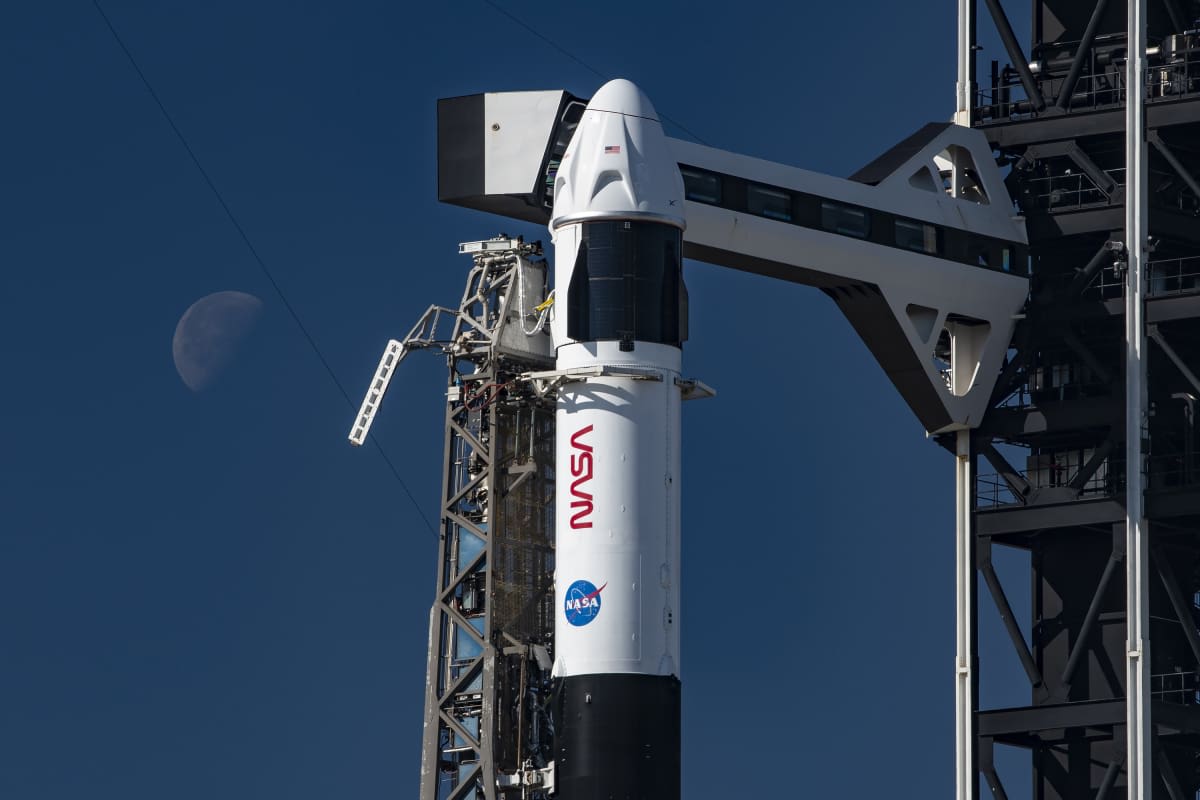
NASA’s Crew-12 represents another routine rotation of astronauts, which relies on SpaceX’s Falcon 9 and Dragon system, following the early departure of Crew-11. During their stay in orbit, the Crew‑12 astronauts will help carry out scientific research, as well as perform routine maintenance and system checks that keep the ISS running. Their presence also helps keep the station fully staffed in conjunction with the other crew members of Expedition 74.

For NASA, the following weeks represent a pivotal time in human spaceflight history, with Dina Contella, International Space Station Deputy Program Manager, addressing the media at Monday’s news conference and pointing to the fact that soon, humans will be in respective orbits around the Earth and the Moon at the same time, thanks to Artemis II.
More on Starlust
NASA's Artemis II mission: Why astronauts are quarantined ahead of launch
How the Artemis II crew will eat and use the bathroom inside Orion