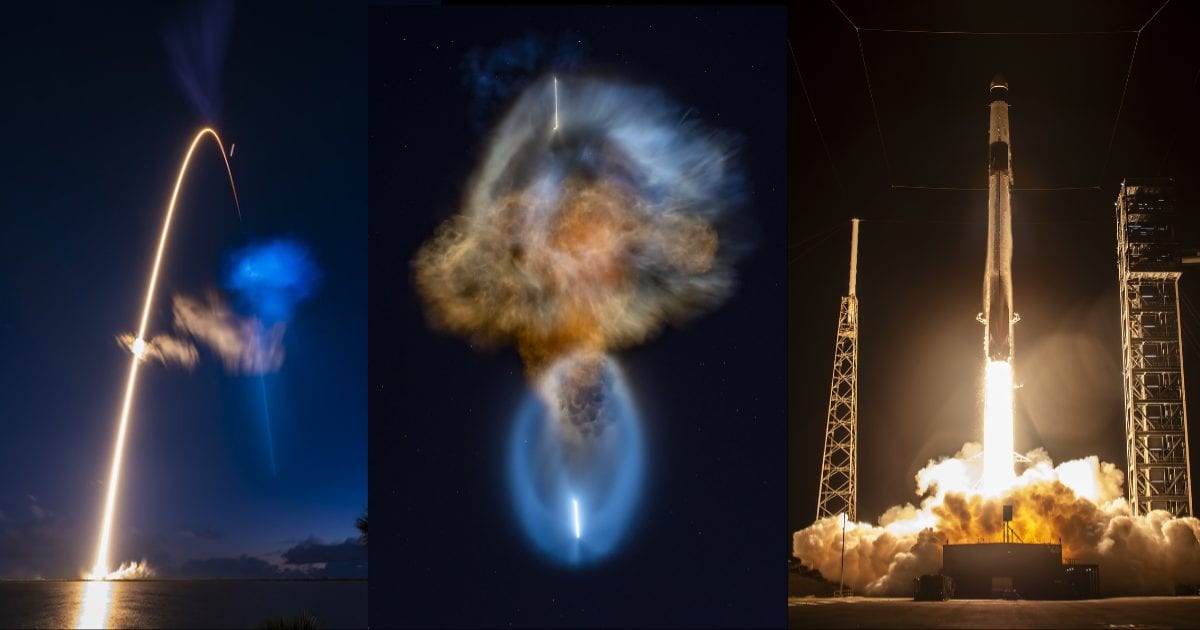
NASA could give a shoutout to your own 'Moon crew' during the Artemis II coverage: Here's how

NASA had to postpone the Artemis II launch to March following issues during the recent wet dress rehearsal, but the agency continues to build excitement through its #NASAMoonCrew campaign. This public engagement initiative invites people all around the world to imagine and share their picks for the ideal crew for a lunar mission if they were to be the real Artemis II astronauts. As detailed on NASA’s official #NASAMoonCrew page, the campaign encourages creativity by asking participants to select companions for roles like commander or pilot, complete with photos, art, videos, or stories, all posted on social media with the hashtag #NASAMoonCrew. Posts that grab the attention of NASA could be shared by their official social media accounts and featured during the live coverage of Artemis II’s launch.
With enthusiasts responding positively so far despite the many hurdles, NASA understands its role as an inspiration to kids. A dedicated activity for educators is meant to enhance the campaign’s reach, targeting students in grades 5-12 with hands-on lessons about crew selection. Per NASA’s Moon Crew Activity page for educators on the NASA Moon Crew Activity, teachers can play the Artemis II crew video, discuss essential astronaut skills such as problem-solving and teamwork, and have students form groups to match traits to mission roles like pilot or mission specialist. Students then create their dream teams, perhaps including family, celebrities, or historical figures, explaining choices and naming their spacecraft for possible NASA features.
Calling all educators! 📣
— NASA Artemis (@NASAArtemis) January 29, 2026
Thinking about how to structure an activity around #NASAMoonCrew? Check out this activity page to create a lesson so kids can choose who they would want on their dream team for a lunar journey: https://t.co/wt7x9u9R1r pic.twitter.com/Qe0IRqDRRK
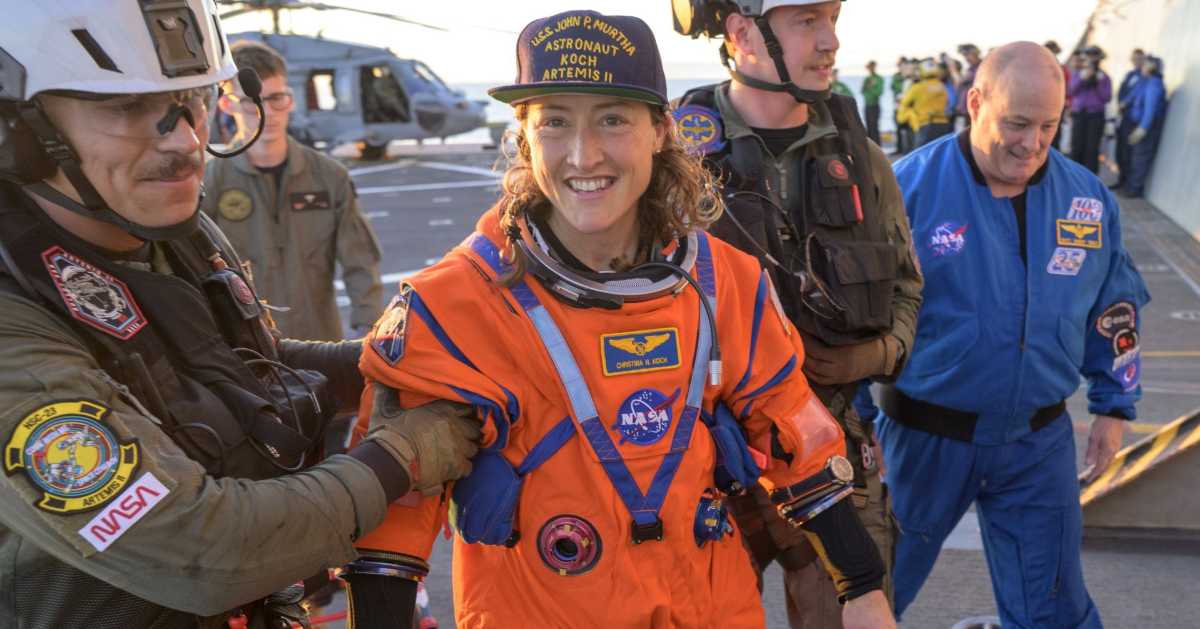
The campaign ties directly to NASA’s Artemis program, which aims to return humans to the Moon and, subsequently, prepare humans for the exploration of Mars through missions like Artemis II, the first crewed flight around the lunar orbit. NASA named the crew, composed of Commander Reid Wiseman, Pilot Victor Glover, Mission Specialist Christina Koch, and Canadian Space Agency astronaut Jeremy Hansen, in a press release back in April 2023, highlighting their diverse expertise for a 10-day journey testing the Space Launch System rocket and Orion spacecraft over 685,000 miles. Then NASA Administrator Bill Nelson stated, “The Artemis II crew represents thousands of people working tirelessly to bring us to the stars. This is their crew, this is our crew, this is humanity’s crew.”
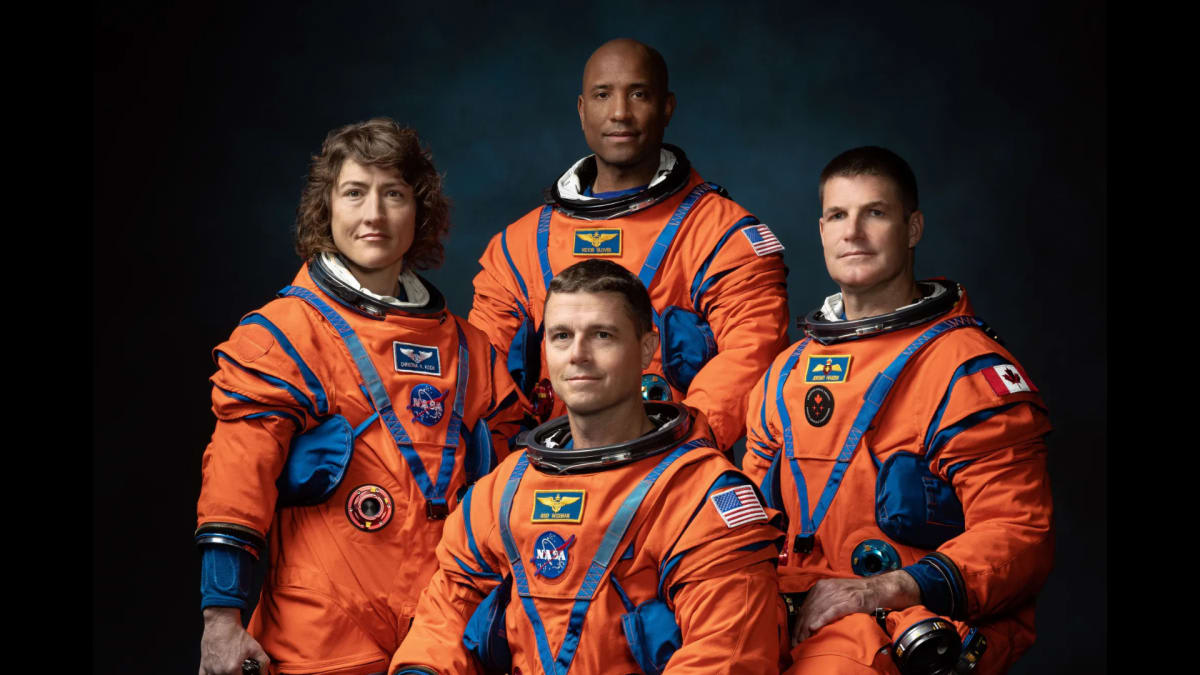
Despite the setback of a hydrogen leak forcing NASA into terminating the countdown 5 minutes too soon and communication problems with pad teams during the wet dress rehearsal, momentum for Artemis II stays strong through campaigns like #NASAMoonCrew, whose goal is to induce mass participation around this historic event from everyone, whom Bill Nelson referred to as the "Artemis Generation." Because the mission aims to validate Orion’s systems for deep space and lunar flyby with a precious cargo of four humans, who have had to train accordingly for a long mission, NASA decided against jumping the gun, even though they would have hoped to have launched today under the original early February window.
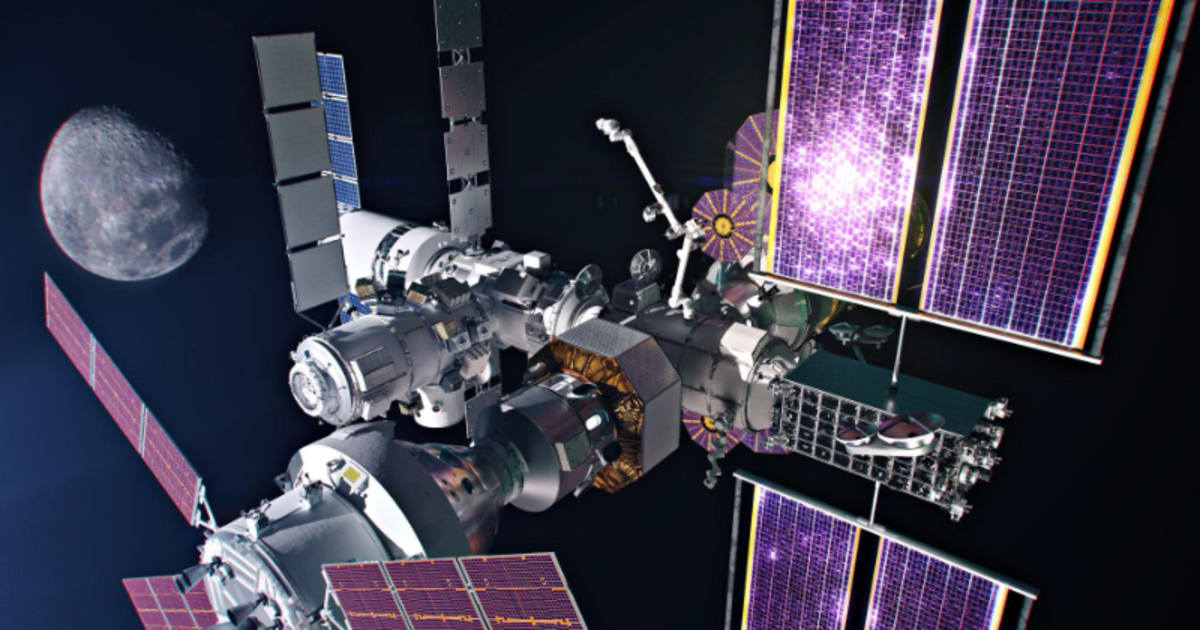
The Artemis program has renewed the pursuit of bringing humans to the lunar surface. The Moon’s south pole could be set foot upon by two NASA astronauts by Artemis III, before the establishment of the Lunar Gateway station as a hub for sustained presence, all by making use of multiple commercial partners like SpaceX for the Starship Human Landing System and Blue Origin for their Blue Moon landers. These efforts will build an infrastructure for science and preparation for Mars exploration. For now, NASA teams are scrambling to review the wet dress rehearsal data to ensure all goes well for a March launch.
More on Starlust
Revisiting humanity's last crewed Moon mission ahead of Artemis II launch
Will Artemis II rocket be rolled back into Vehicle Assembly Building? Here's what NASA said