NASA’s Nancy Grace Roman Space Telescope successfully deployed in space: What happens next?
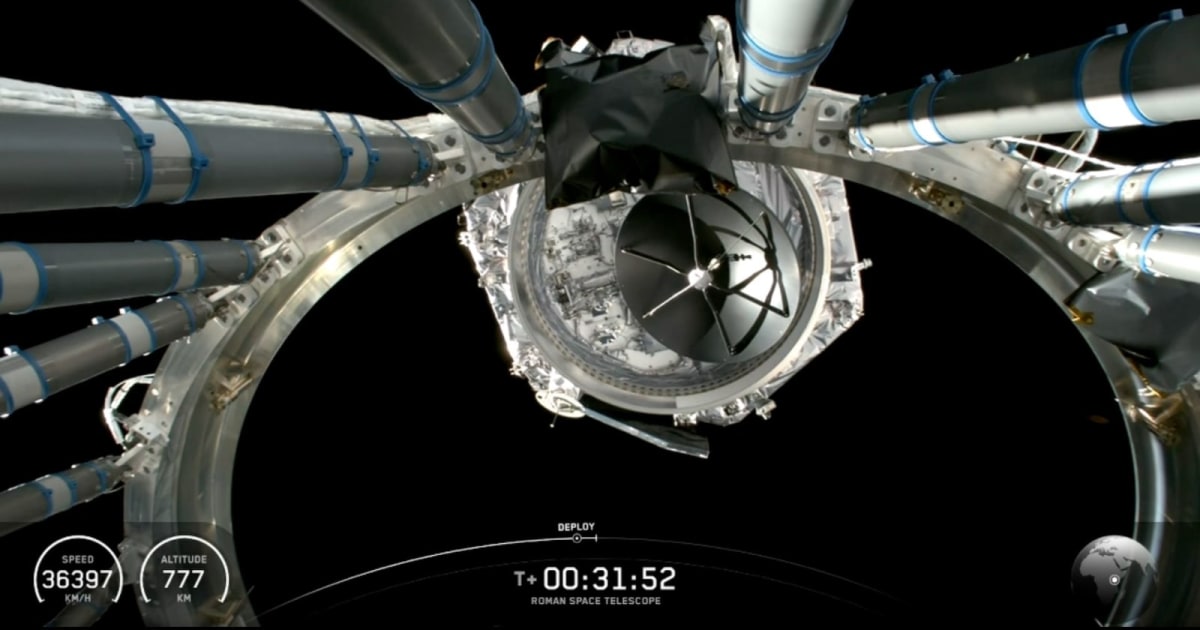
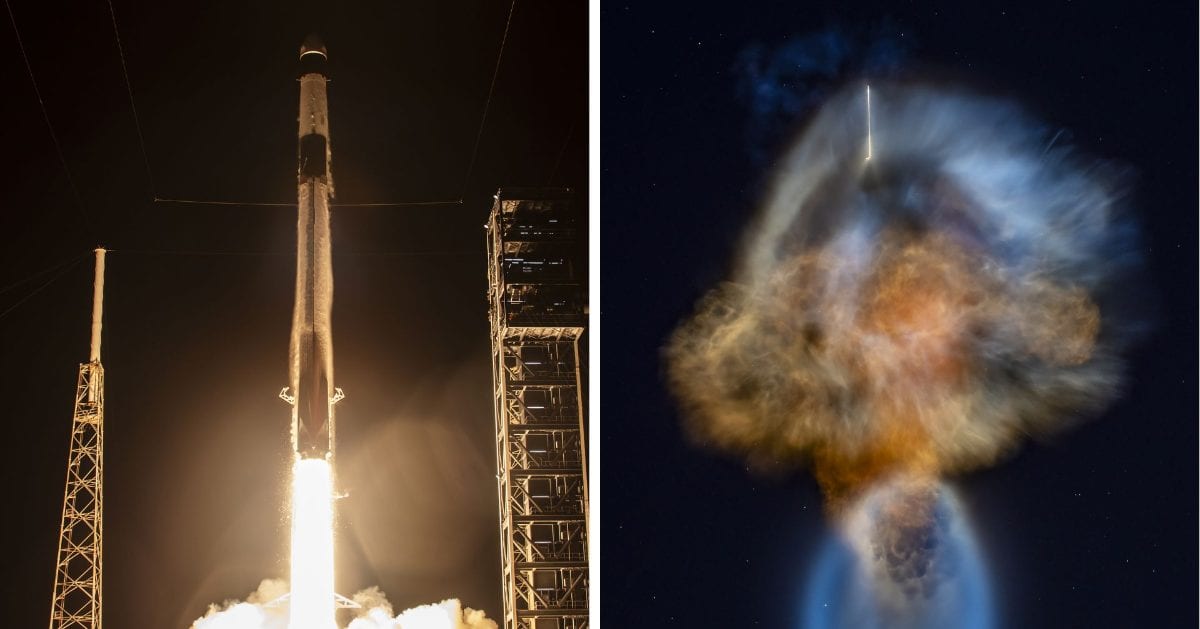
NASA’s Nancy Grace Roman Space Telescope has been successfully deployed, and it is now flying on its own to the Lagrange Point 2, or L2, about a million miles away from Earth. The telescope launched atop SpaceX’s Falcon Heavy rocket at 7:26 EDT today (August 30) from Florida’s Kennedy Space Center, and about half an hour into the mission, it was released from the launch vehicle’s upper stage.
Falcon Heavy lifts off from pad 39A in Florida for the 13th time! pic.twitter.com/qh63XvOVtV
— SpaceX (@SpaceX) August 30, 2026
According to NASA, Roman will reach its destination in about three months from now. But before the operations begin, a lot needs to go right. Over the next three months, the mission teams will conduct a series of procedures and course corrections to ensure Roman remains on its precise path to L2 and all its instruments are working as expected.
What’s next for the Roman telescope?
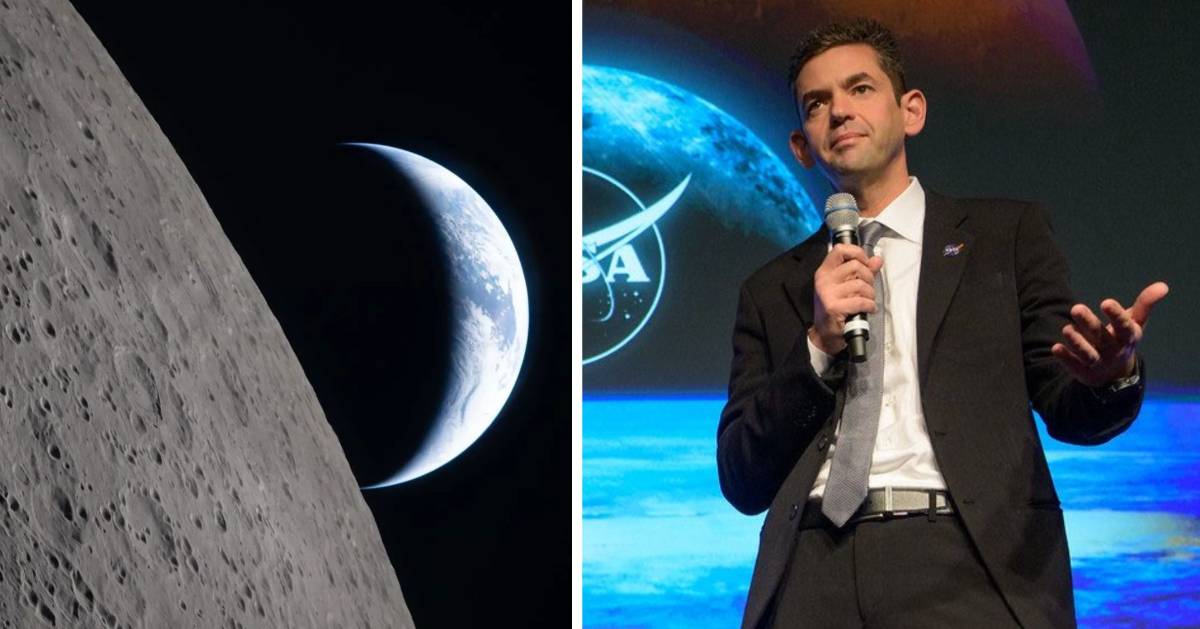
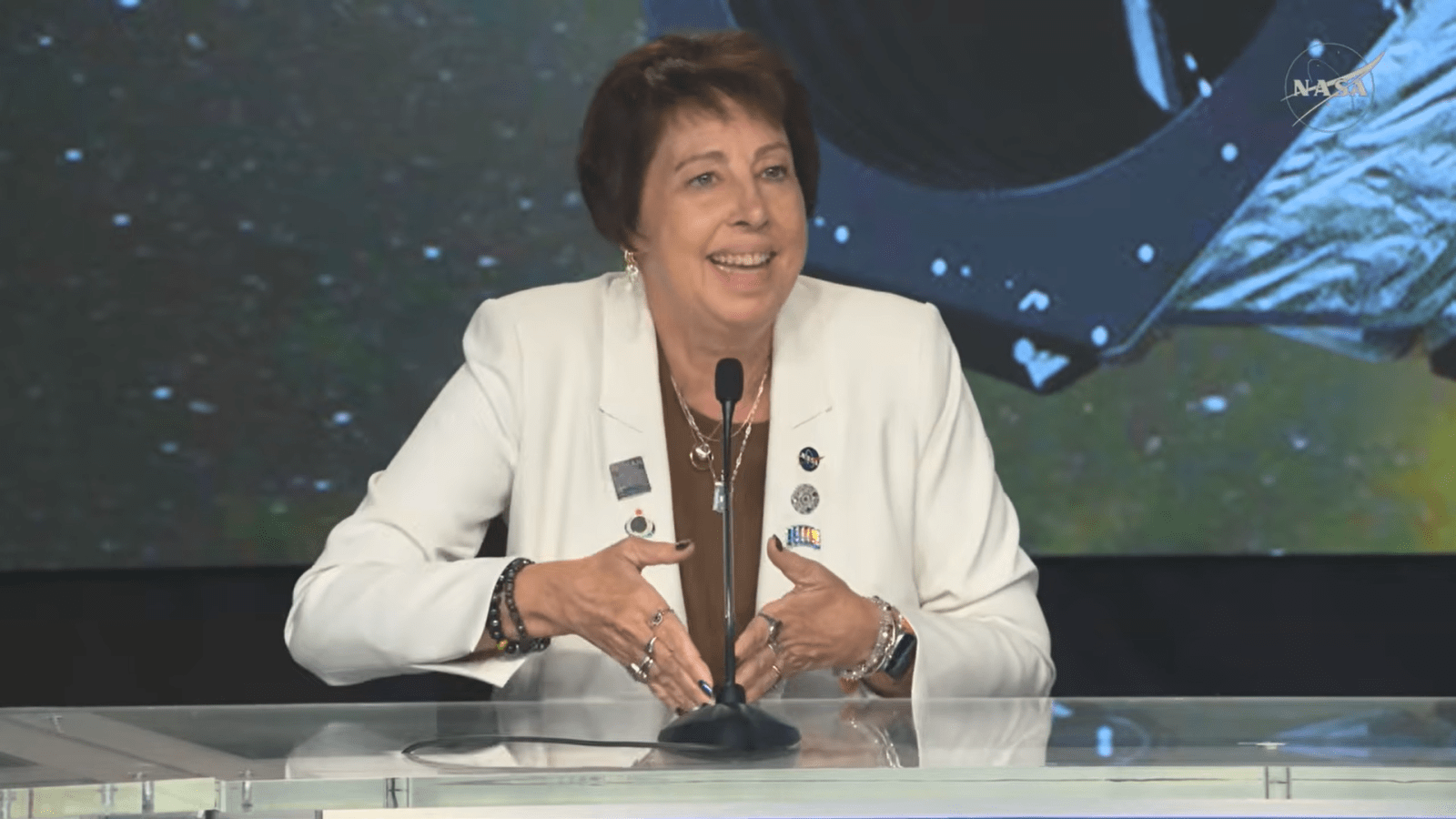
During the postlaunch press conference, NASA administrator Jared Isaacman confirmed that Roman’s solar panels and lower instrument sun shade were deployed—about one hour and 23 minutes after liftoff. "Ground controllers at NASA Goddard have been receiving telemetry data from Roman, and apparently all systems are nominal," Isaacman said. Jackie Townsend, Roman telescope project manager, called the launch “magnificent” and said "all of the deployments went great."
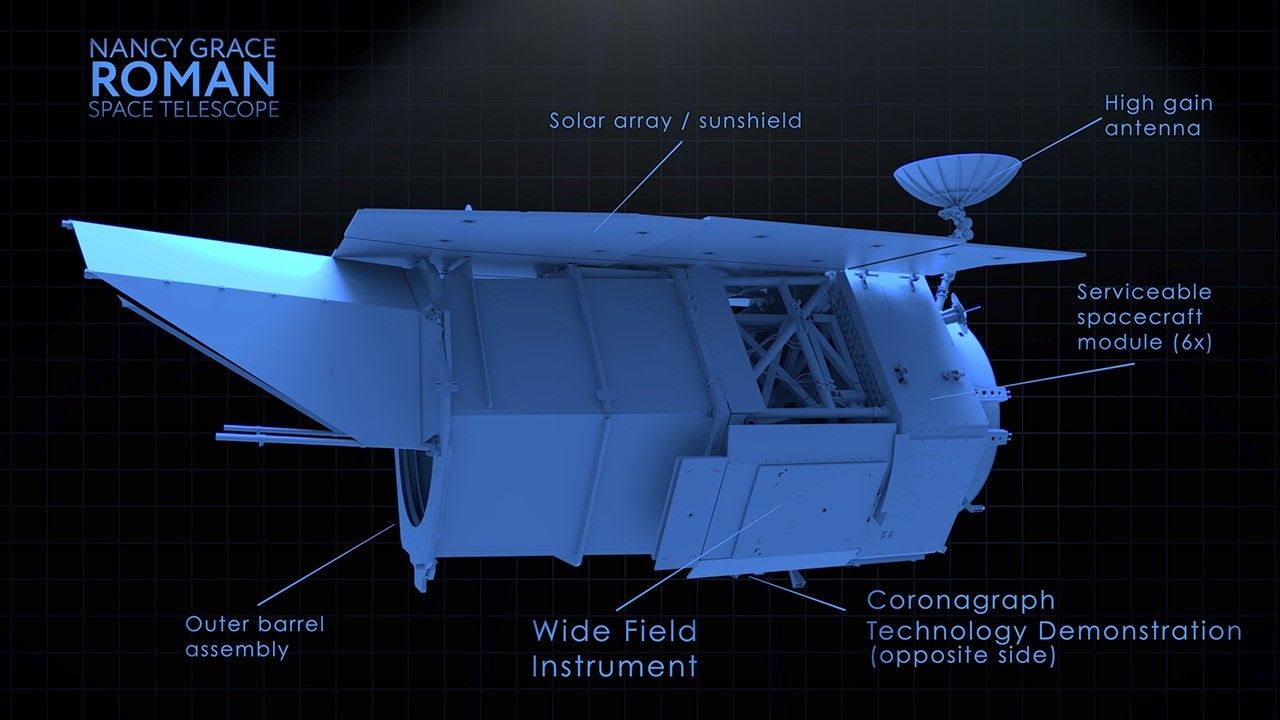
Over the next few days, the mission team will conduct the first of two mid-course corrections and complete the deployments of the high-gain antenna along with the visor-like deployable aperture cover. Once these deployments are complete, the team will power on the Coronagraph Instrument, which is designed to directly image exoplanets (worlds outside our solar system) around stars.
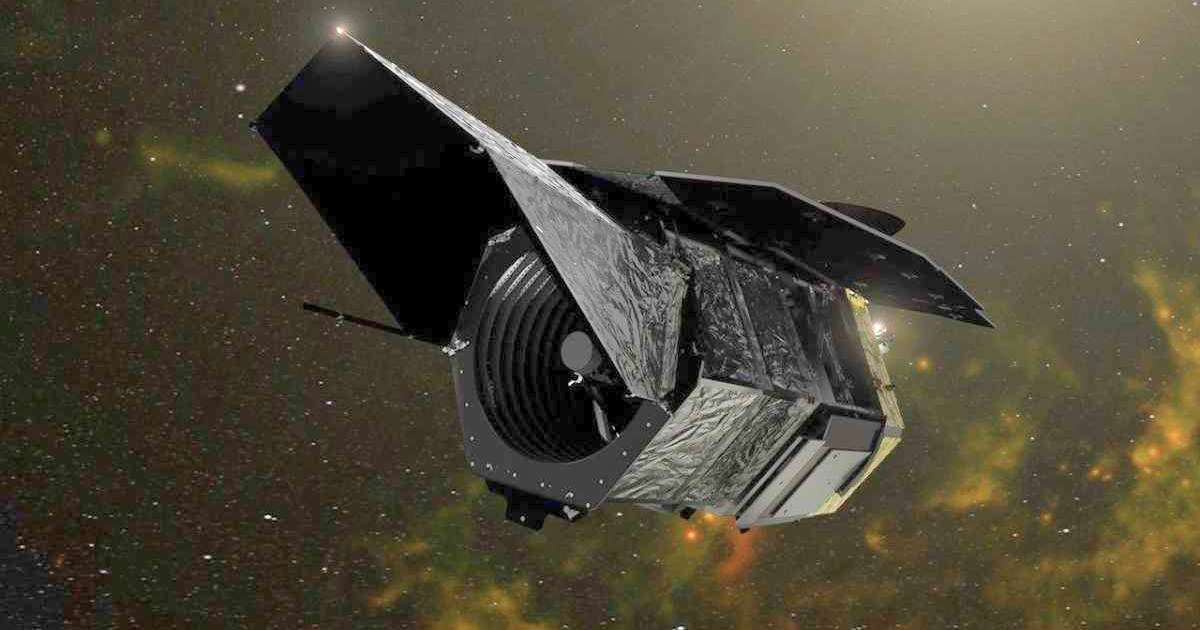
“Billions of galaxies will be found, tens of billions of new stars, tens of thousands of new planets, and thousands of supernovae (exploding stars)—all wrapped up in one beautiful telescope,” Nicky Fox, associate administrator for the Science Mission Directorate at NASA, said during the conference.
A few weeks into Roman's journey, the science team will power on the 300-megapixel infrared camera called the Wide Field Instrument designed to take panoramic pictures of the sky. This instrument makes Roman’s field of view at least a 100 times greater than the Hubble telescope. This entire commissioning phase will last three months, following which Roman will begin observing the sky—a thousand times faster than Hubble. According to NASA, it will send 1.4 terabytes of data per day and Townsend said the first images from Roman are expected to arrive "before the winter holidays."

Julie McEnery, Roman telescope senior project scientist, clarified that the observatory won’t make Hubble obsolete because "we still need Hubble to do what Hubble does really well because Roman isn’t going to be doing that." Equipped with infrared, visible light, and ultraviolet vision, Hubble could offer comprehensive views of specific objects captured in Roman's panoramas. Wide field data from Roman will also complement data from the James Webb Space Telescope, which zeroes in on deep space objects in a small portion of the sky.
Roman is headed to L2 because it will provide it an efficient vantage point and an uninterrupted view of the sky. The telescope’s mission will last at least five years. Besides studying exoplanets, supernovae, and black holes during this period, it is expected to help answer essential questions about dark energy and dark matter.
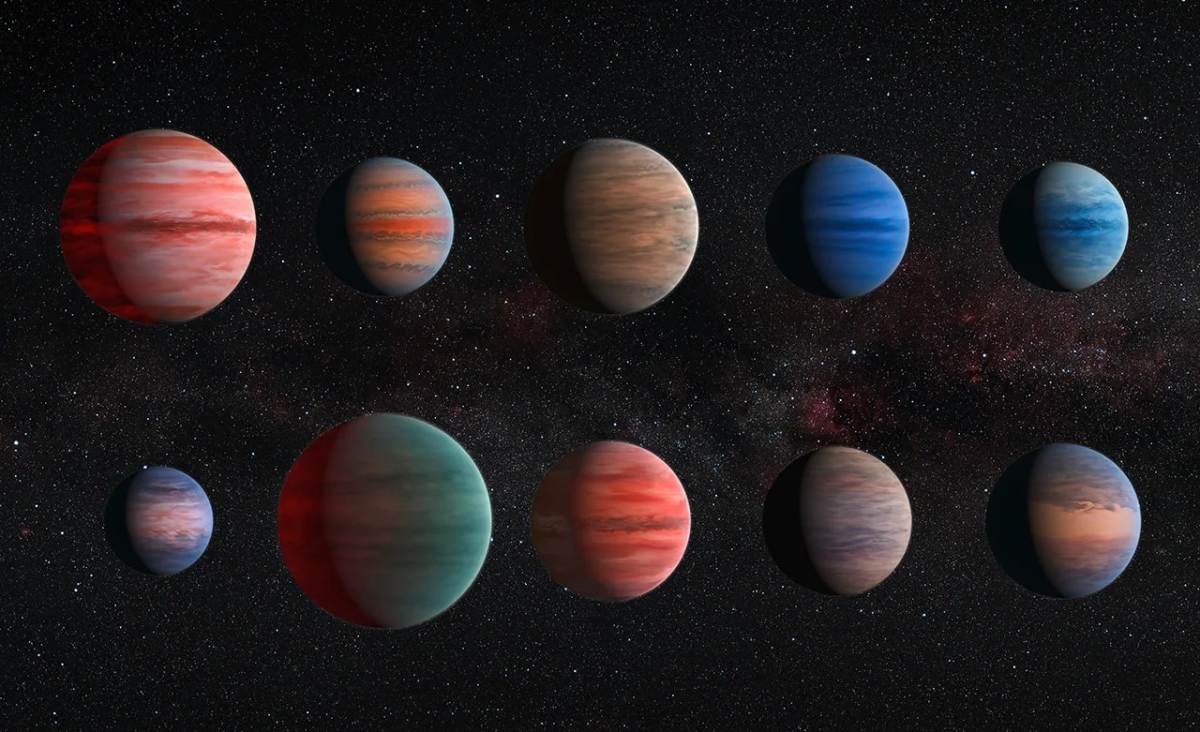
Predicting what Roman will uncover in its first year of operation, McEnery told reporters that "a year from now we will have found thousands of new exoplanets. We will have used the coronagraph to demonstrate new technologies in space for the first time. We’re going to make a measurement of the number of free-floating exoplanets which are no longer connected to the host star. We will be making new, precise measurements of supernovae. Those same observations will allow us to catch the unexpected."
More on Starlust
NASA’s Roman Space Telescope may finally reveal how the universe's first black holes formed
How NASA's Roman Telescope will find hidden 'rogue' planets despite challenges in observing them