Watch: Nancy Grace Roman Telescope and SpaceX Falcon Heavy upper stage cruise through space in timelapse footage
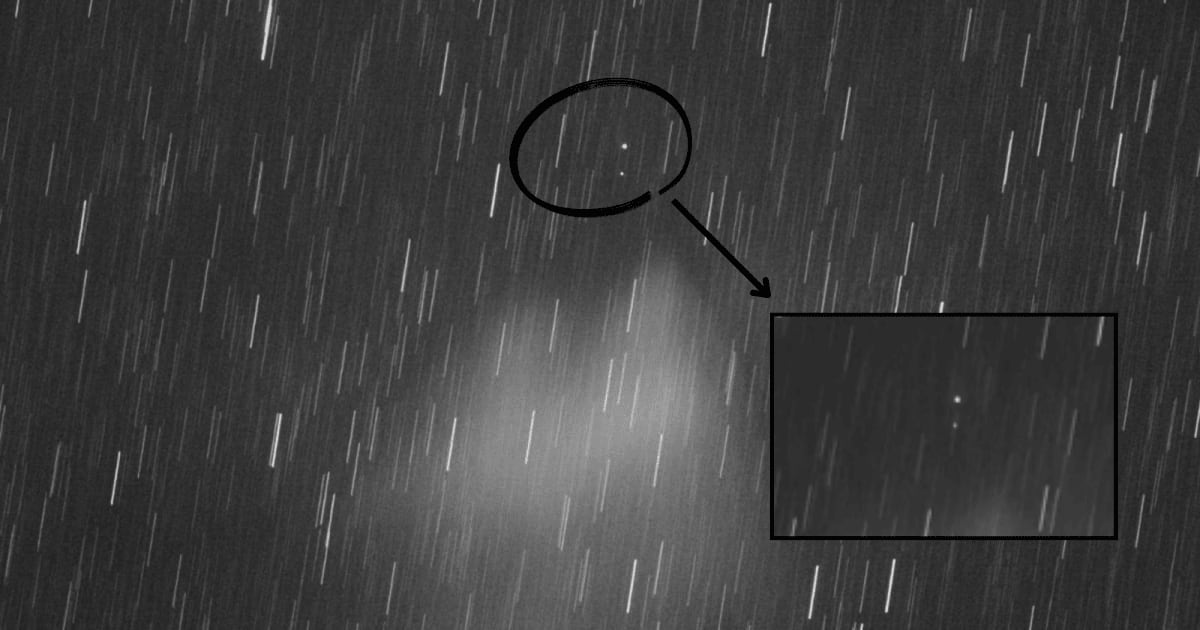
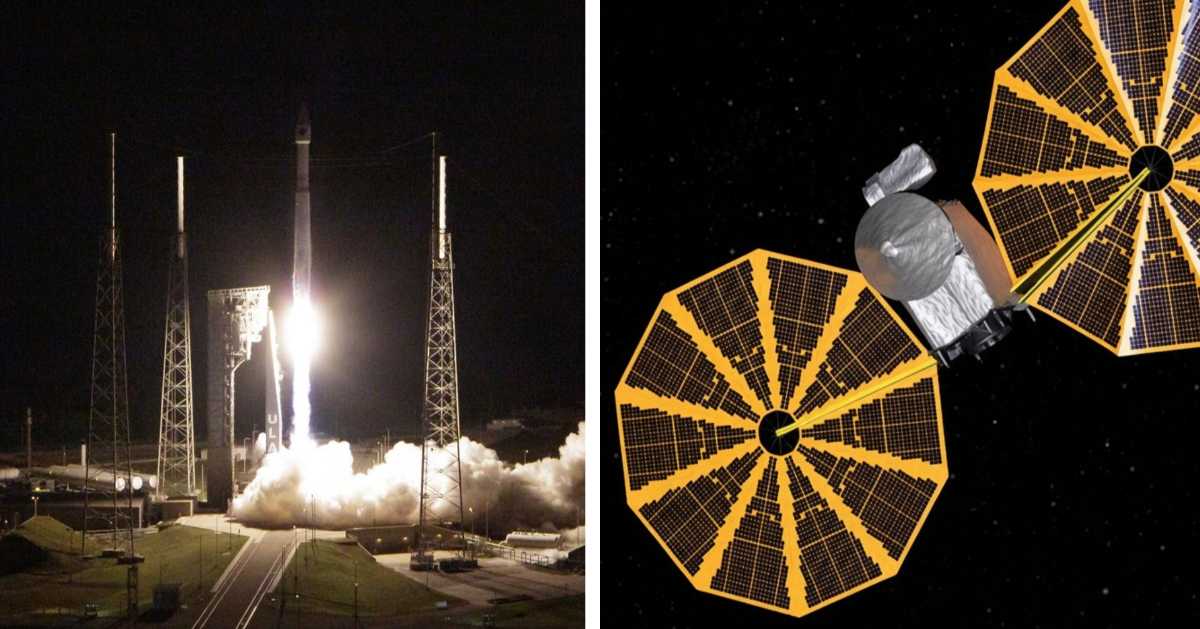
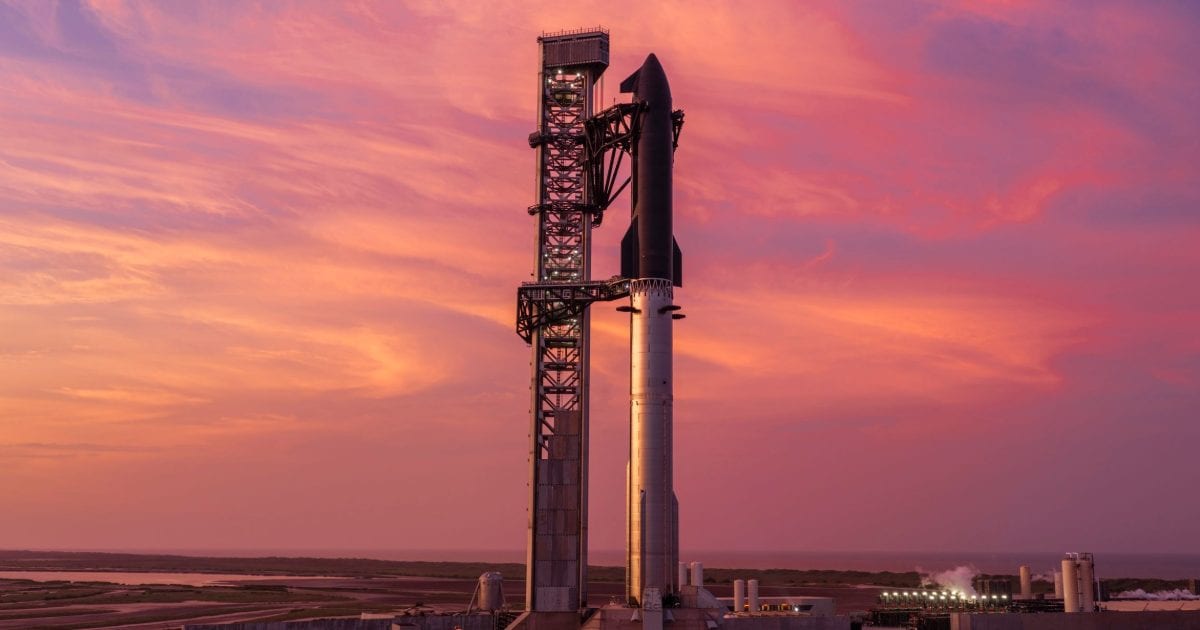
The Nancy Grace Roman Telescope lifted off gloriously on Sunday, August 30, toward its destination in deep space with the objective to answer questions about the dark universe and boost efforts to find habitable planets. The NASA observatory hitched its ride aboard SpaceX’s most powerful operational rocket, Falcon Heavy, which lifted off at 7:26 am EDT from the Kennedy Space Center in Florida. As the upper stage of the rocket pushed the telescope into space, its journey was captured by s2a systems, a Swiss company that specializes in space situational awareness.
And a short time-lapse of today’s recordings of the Nancy Grace Roman Space Telescope and the Falcon upper stage (leading). Recorded on 2026-08-30 between 12:38:18 and 13:21:23 UTC. #NASARoman pic.twitter.com/taK0jNGAqZ
— s2a systems (@s2a_systems) August 30, 2026
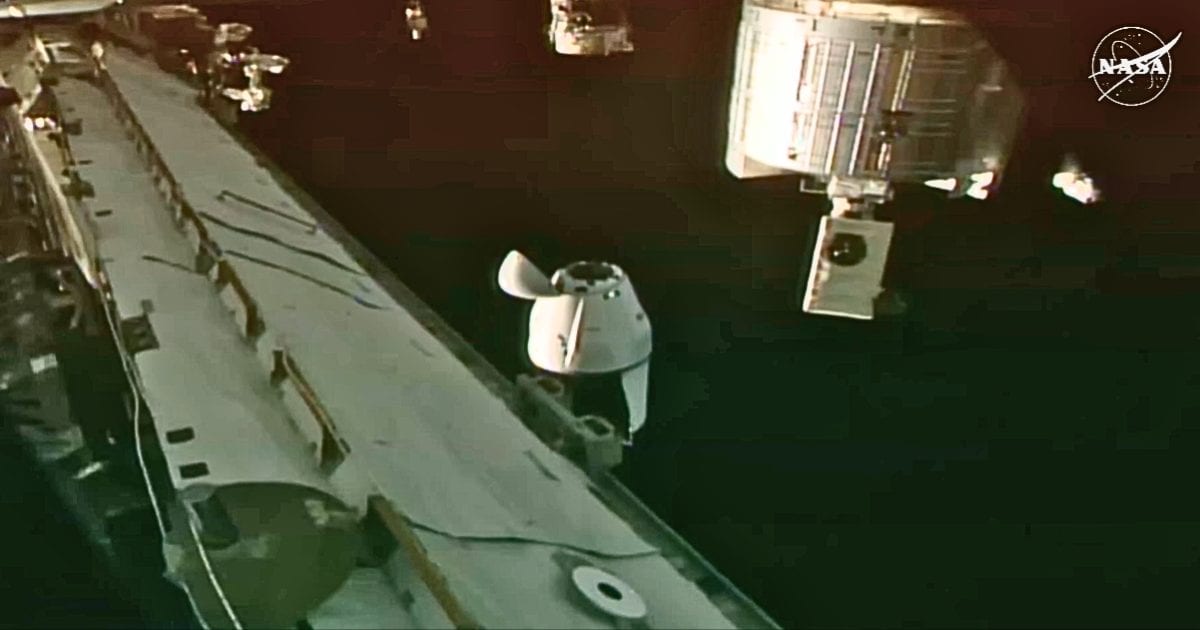
Taking to X, s2a systems on Sunday shared timelapse footage of the Roman telescope and Falcon Heavy’s upper stage cruising through space. According to the company, the timelapse was created between 8:38 am and 9:21 am EDT from its Australian site after the deployment of the Roman telescope. “A short time-lapse of today’s recordings of the Nancy Grace Roman Space Telescope and the Falcon upper stage (leading). Recorded on 2026-08-30 between 12:38:18 and 13:21:23 UTC,” the post read.
Falcon Heavy lifts off from pad 39A in Florida for the 13th time! pic.twitter.com/qh63XvOVtV
— SpaceX (@SpaceX) August 30, 2026
Roman was deployed by the Falcon Heavy’s upper stage 31 minutes after launch. It is currently headed to the second Earth-Sun Lagrange Point (L2), which is close to a million miles (1.5 million kilometers) away from Earth. According to NASA, the journey to L2 will take three months, and mission teams will conduct a series of instrument checkouts and calibrations during its commissioning phase. The agency has also planned two course-correction maneuvers to ensure it remains on its precise path to the final destination.
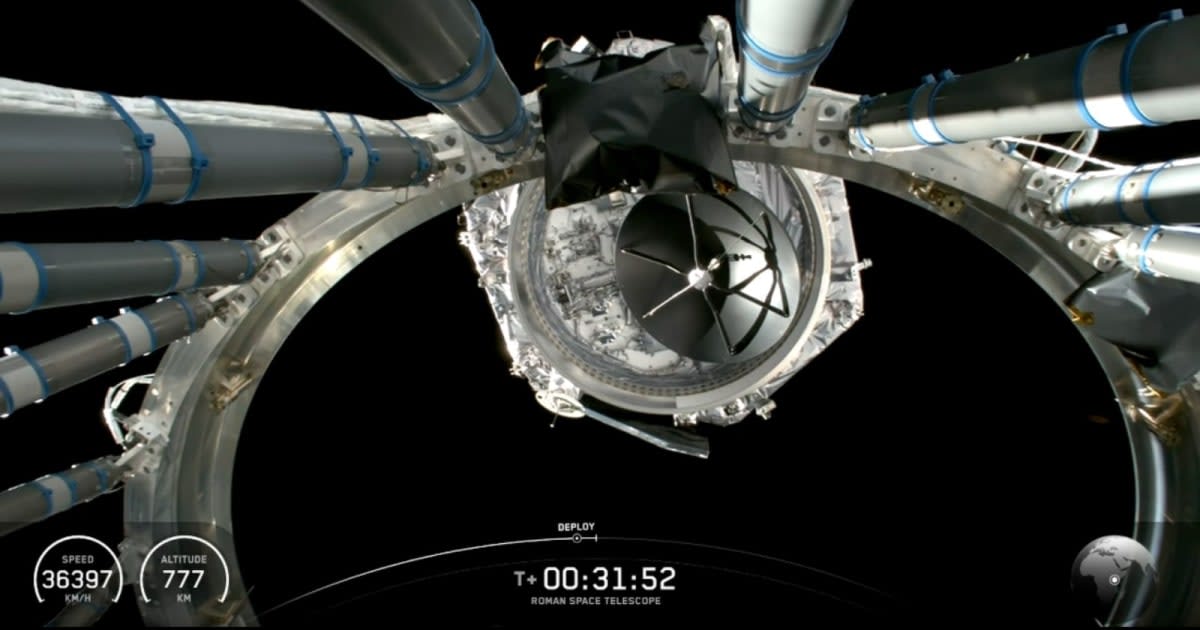
At Lagrange Point, Roman will be an unobstructed view of the universe that will allow it to take panoramic pictures of a vast area of the sky. The telescope measures over 42 feet (12.7 meters) long and more than 14 feet (4.4 meters) wide. Its 7.9-foot (2.4 meters) primary mirror is the same size as the Hubble telescope's, but Roman’s field of view will be at least 100 times greater.
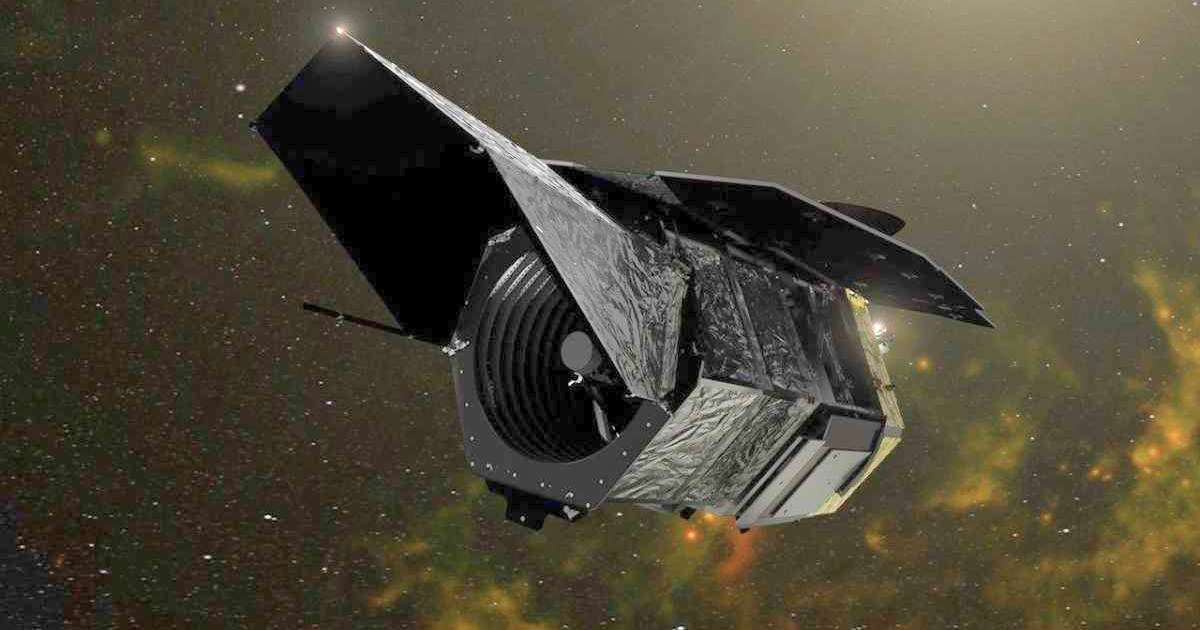
It will also scan the sky a thousand times faster than Hubble. Built to last at least five years, Roman will study galaxies, stars, exoplanets, black holes and supernovae and unravel the mystery of dark energy, which is believed to be causing the universe to expand.
More on Starlust
Godspeed, Roman Telescope! Best images of SpaceX Falcon Heavy launching NASA's flagship observatory
NASA’s Nancy Grace Roman Space Telescope successfully deployed in space: What happens next?