NASA's Perseverance rover discovers clues to multiple habitable areas on Mars
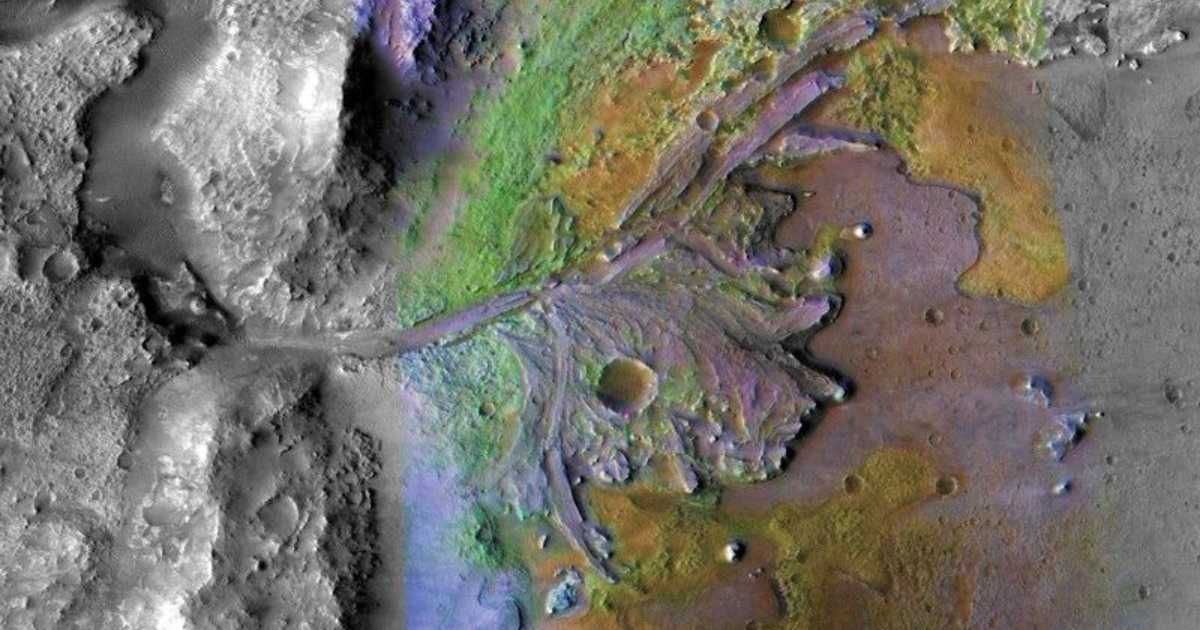
Scientists have analyzed rocks from the crater floor, uncovering a diverse set of minerals that tell the story of a complex history of water-rock interactions.
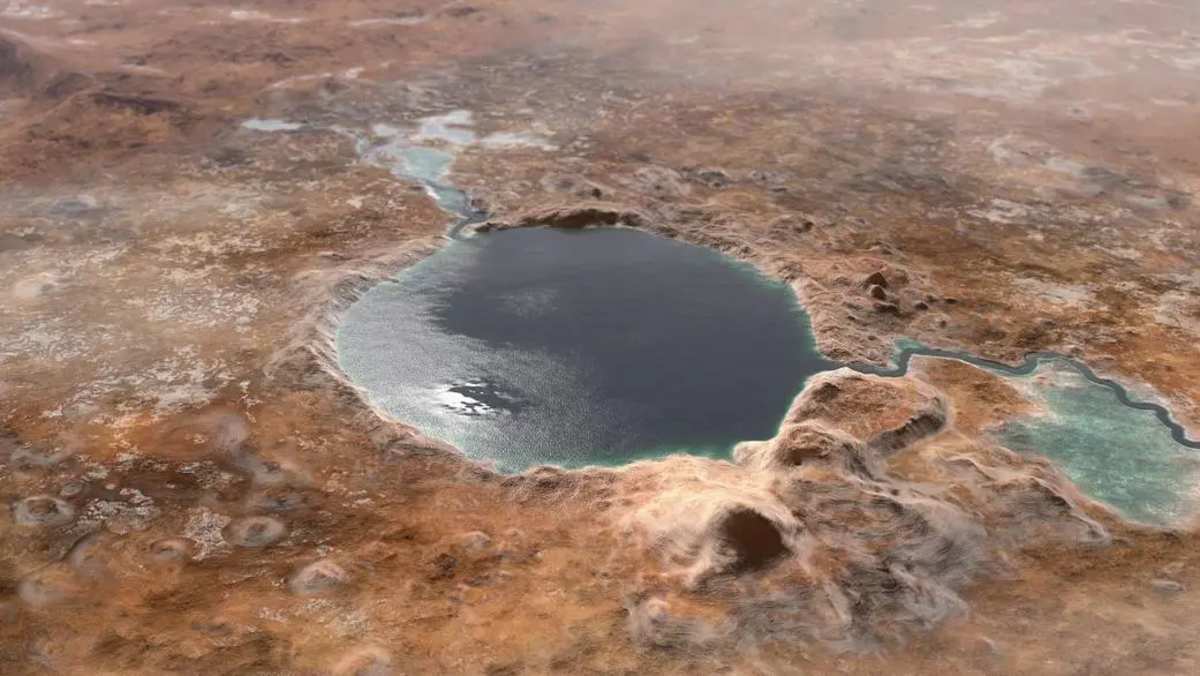
Jezero Crater, Mars 2020’s landing site (Cover Image Source: NASA/JPL-Caltech)

NASA's Perseverance rover has uncovered evidence that Mars' Jezero Crater may have been habitable on multiple occasions, according to new research. By analyzing rocks on the crater floor, scientists have identified a diverse range of minerals that suggest a complex history of water-rock interactions, as per Rice University

This illustration shows Jezero Crater — the landing site of the Mars 2020 Perseverance rover (Image Source: NASA/JPL-Caltech)

This discovery, detailed in the Journal of Geophysical Research: Planets, could significantly influence the search for ancient life and guide the rover’s ongoing sample collection. The study, led by Rice University graduate student Eleanor Moreland, used the new Mineral Identification by Stoichiometry (MIST) algorithm to interpret data from the rover's Planetary Instrument for X-ray Lithochemistry (PIXL). This instrument bombards rocks with X-rays to determine their chemical makeup, providing the most detailed geochemical measurements ever taken on another planet. The analysis of this data revealed two dozen different minerals, each acting as a clue to the crater's past.
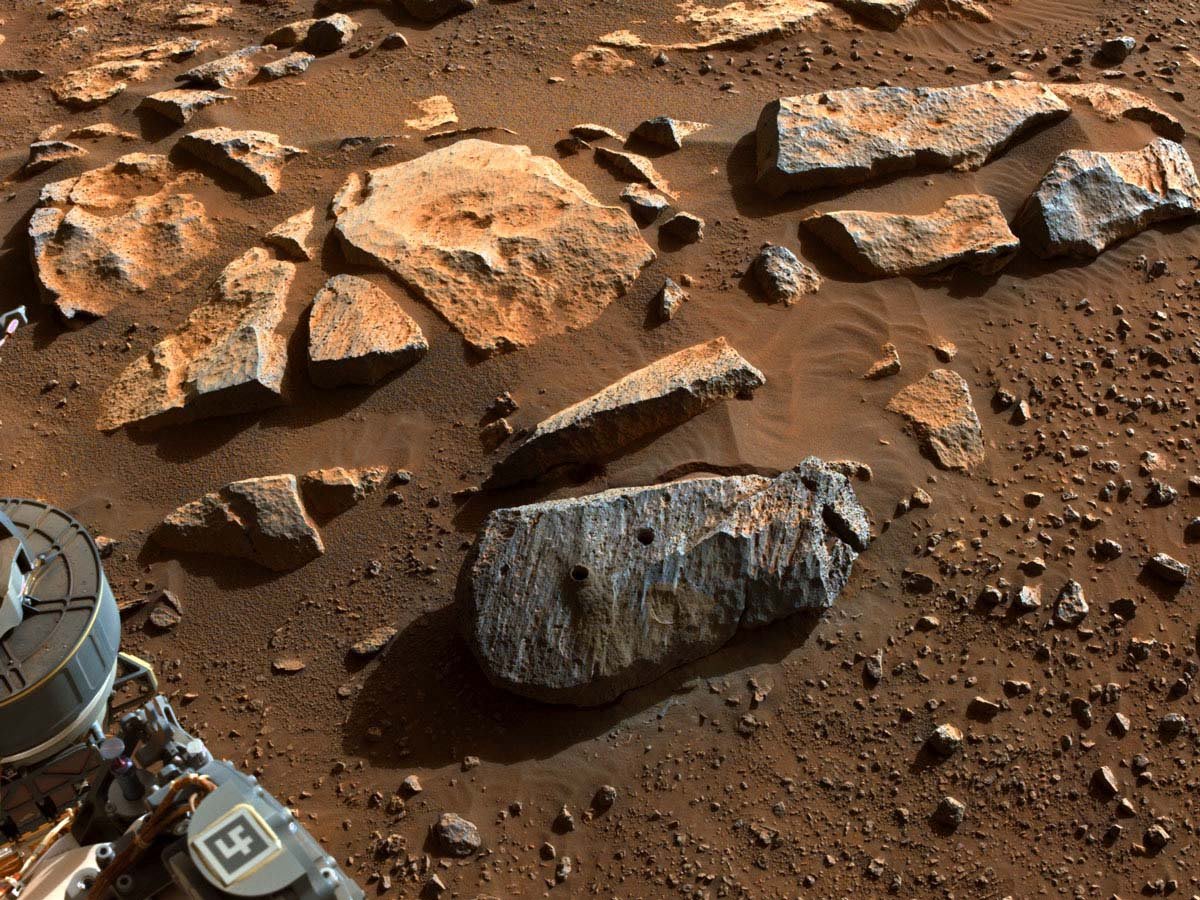
This image taken by NASA's Perseverance Mars rover on Sept. 7, 2021, shows two holes where the rover's drill obtained chalk-size samples from a rock nicknamed
This image taken by NASA's Perseverance Mars rover on Sept. 7, 2021, shows two holes where the rover's drill obtained chalk-size samples from a rock nicknamed "Rochette." (Representative Image Source: NASA/JPL-Caltech)

According to Moreland, the variety of minerals indicates "multiple, temporally distinct episodes of fluid alteration," meaning there were several periods when liquid water interacted with volcanic rocks, creating environments potentially suitable for life. The types of minerals formed depend on environmental factors like temperature, pH, and the chemical composition of the fluids.

Angular and smooth surface of rocks are seen in an image taken by the panoramic camera on the Mars Exploration Rover Spirit on January 6, 2003. (Representative Photo by NASA/Jet Propulsion Laboratory/ Cornell University via Getty Images)

The analysis points to three distinct episodes of fluid activity in Jezero Crater, each with different implications for the potential to host life. The earliest period involved hot, acidic fluids, evidenced by minerals like greenalite and hisingerite found in the oldest rocks. While these conditions are challenging for most life on Earth, they don't completely rule it out. “But on Earth, life can persist even in extreme environments like the acidic pools of water at Yellowstone, so it doesn’t rule out habitability,” said co-author Kirsten Siebach, assistant professor of Earth, environmental, and planetary sciences at Rice. 
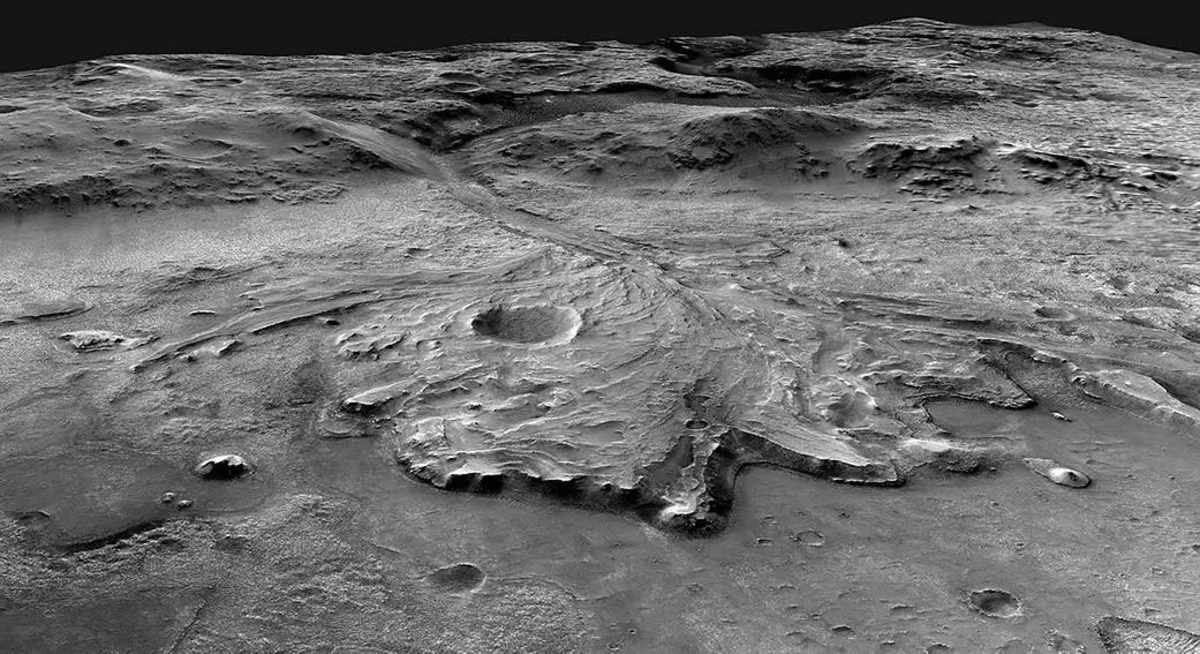
This image depicts a possible area through which the Mars 2020 Perseverance rover could traverse across Jezero Crater (Image Source: NASA/JPL-Caltech)

A later period saw the presence of moderate, neutral fluids, indicated by minerals such as minnesotaite and clinoptilolite, which suggests a more favorable environment. Finally, the most widespread evidence points to a recent episode of cool, alkaline fluids, a highly habitable condition from an Earth perspective. The broad distribution of sepiolite, a mineral formed under these conditions, indicates a significant and widespread period of liquid water across the crater.
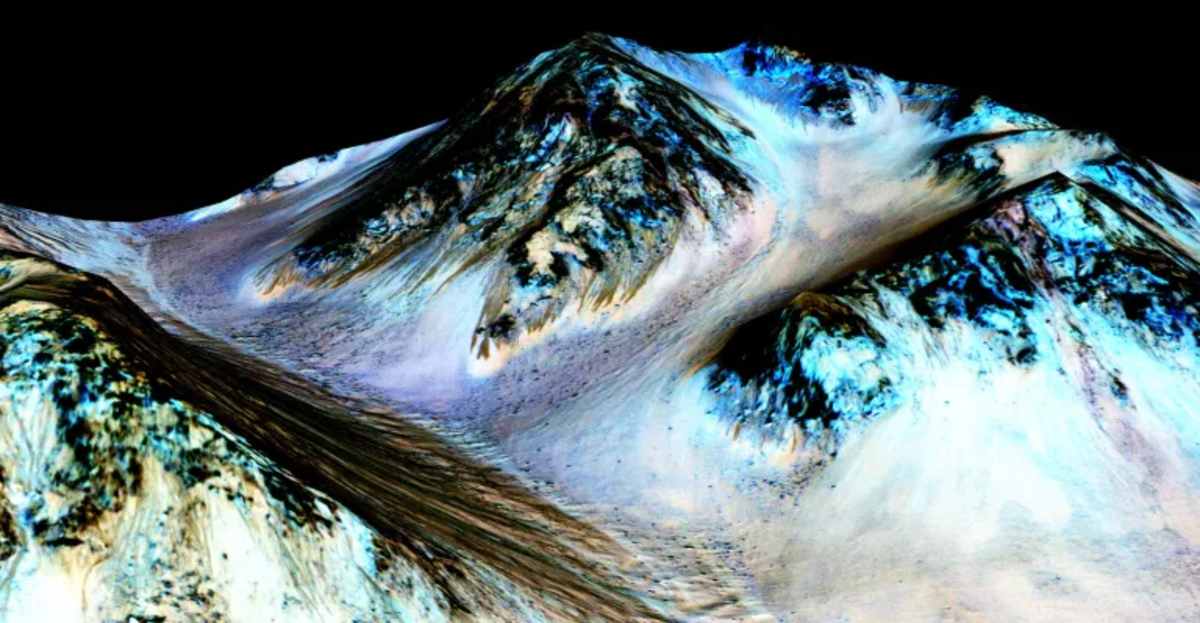
These dark, narrow, 100 meter-long streaks called recurring slope lineae flowing downhill on Mars are inferred to have been formed by contemporary flowing water (Image Source: NASA/JPL/University of Arizona)

These findings suggest that Jezero Crater, once a lake, shifted from a harsh, hot, and acidic environment to one that was increasingly neutral and alkaline, becoming more hospitable to life over time. To ensure the accuracy of the findings, the research team developed a statistical model to account for potential errors. This model, similar to those used to forecast hurricane paths, allowed them to assign a confidence level to each mineral match, creating a reliable "mineralogical archive" of the crater's history, as mentioned by Rice University

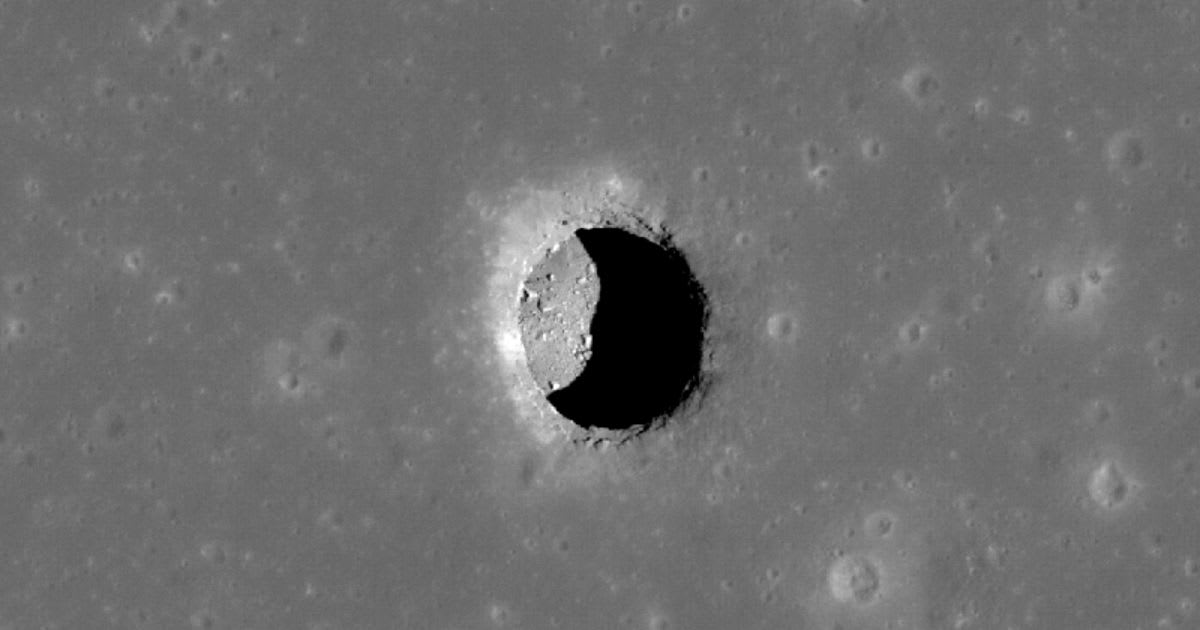
This is a spectacular high-Sun view of the Mare Tranquillitatis pit crater revealing boulders on an otherwise smooth floor (Cover Image Source: NASA)
This is a spectacular high-Sun view of the Mare Tranquillitatis pit crater, revealing boulders on an otherwise smooth floor (Representative  Image Source: NASA)

This new research confirms the complex and dynamic water history of Jezero Crater and provides critical context for the discovery of a potential biosignature in the Sapphire Canyon region. Each new mineral discovery not only brings scientists closer to answering whether Mars ever supported life but also refines the rover's strategy for collecting samples that could eventually be returned to Earth. 

More on Starlust

NASA finds signs of ancient microbial life on Mars in 'groundbreaking discovery'—what it means for humanity

Life on Mars? Astrophysicist Neil deGrasse Tyson and astrobiologist David Grinspoon break down NASA's latest discovery

MORE STORIES

The expansive clay deposits at Oxia Planum may have been preceded by a vast ocean.
1 day ago
Scientists found no alien signals from interstellar comet 3I/ATLAS after a fresh 7-hour radio scan.
1 day ago
Juno's findings provide fresh evidence for how and where cosmic rays form.
2 days ago
The study examines how Jupiter played a role in the distribution of life-essential elements.
2 days ago
Magnetic fields protect a planet's atmosphere from stellar winds and are crucial for life.
2 days ago
The ice giant, now missing, may have disrupted some of the moons of Uranus and Jupiter.
3 days ago
The study of these fast-moving particles provides significant clues about the early universe.
6 days ago
By looking at the Sun's interior, the scientists found that our star's behavior is changing.
May 29, 2026
A team of scientists looked into impact glass returned by China's Chang'e-5 to understand lunar surface processes at the micro- and nanoscale.
May 29, 2026
Astronauts could face psychological issues during a long Moon stay. Here's what simulations show.
May 28, 2026