NASA's Nancy Grace Roman Space Telescope survives another round of tough space tests
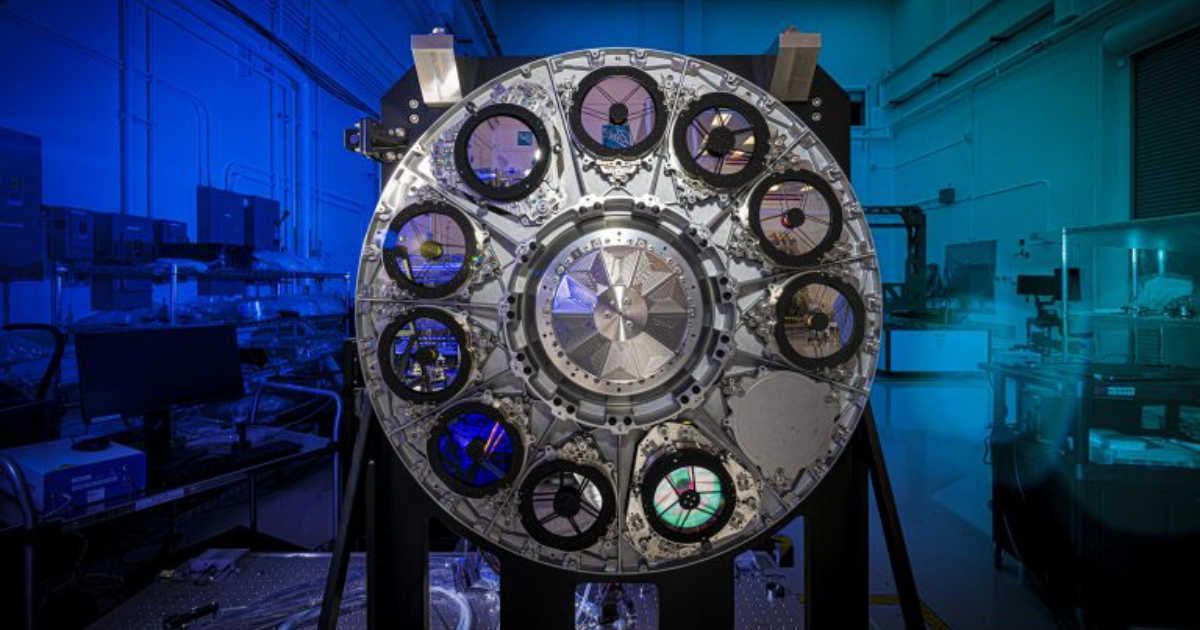
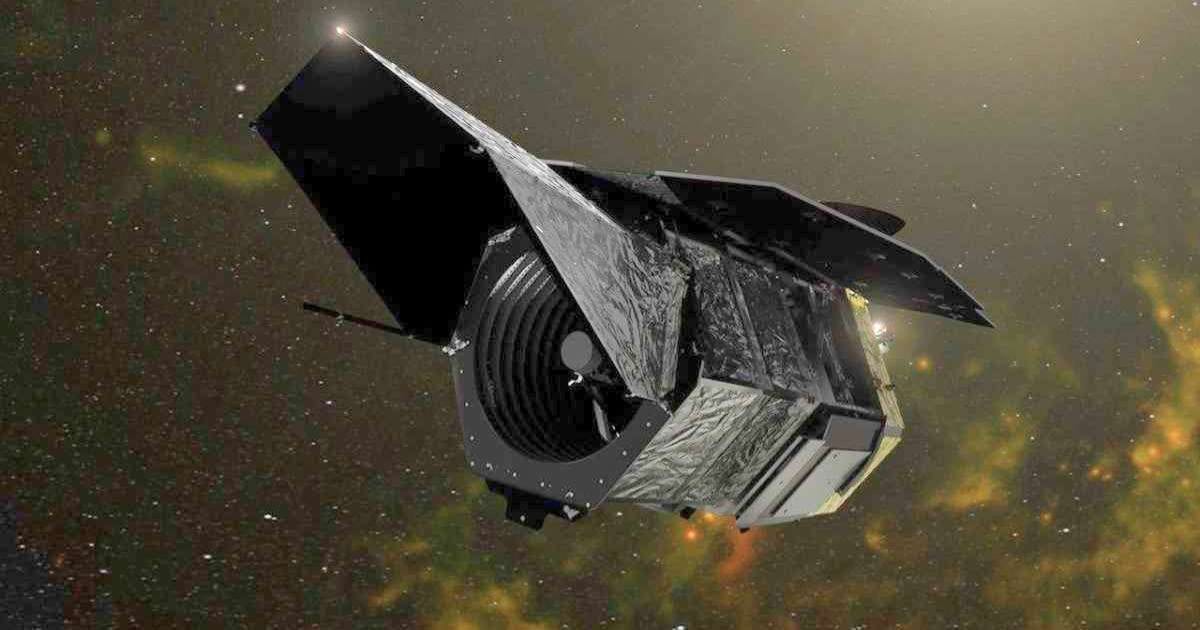
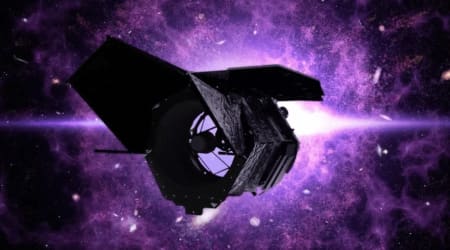
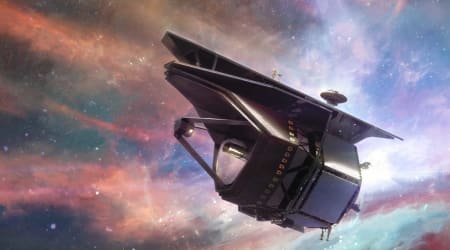
The construction of NASA's next-generation space observatory, the Nancy Grace Roman Space Telescope, has passed another major milestone, completing an intense series of mechanical and thermal tests designed to simulate the harsh conditions associated with launch and space, according to NASA.
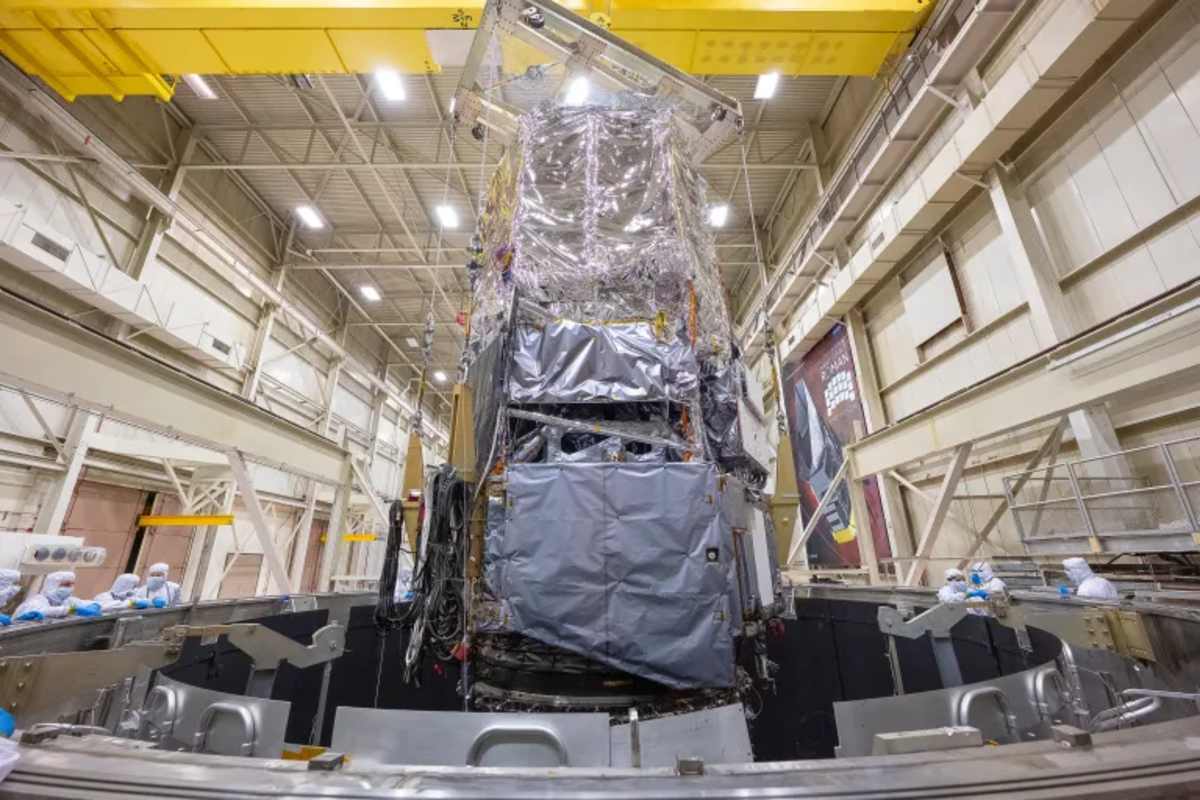
In the past week, the outer assembly of the giant telescope survived simulations of the most extreme stresses it will face: launch vibrations and acoustic shock. Engineers at NASA's Goddard Space Flight Center subjected the telescope's outer barrel and solar panels to a powerful acoustic blast that reached 138 decibels, louder than standing next to a jet engine during takeoff. The structure was then bolted onto a giant shake table and shaken along all three axes over several weeks to simulate the low-frequency rattling of the rocket. “We want to make sure Roman will withstand our harshest environments,” said Rebecca Espina, a deputy test director, adding that the final round of mechanical trials confirms the structure is ready for its explosive trip into orbit.
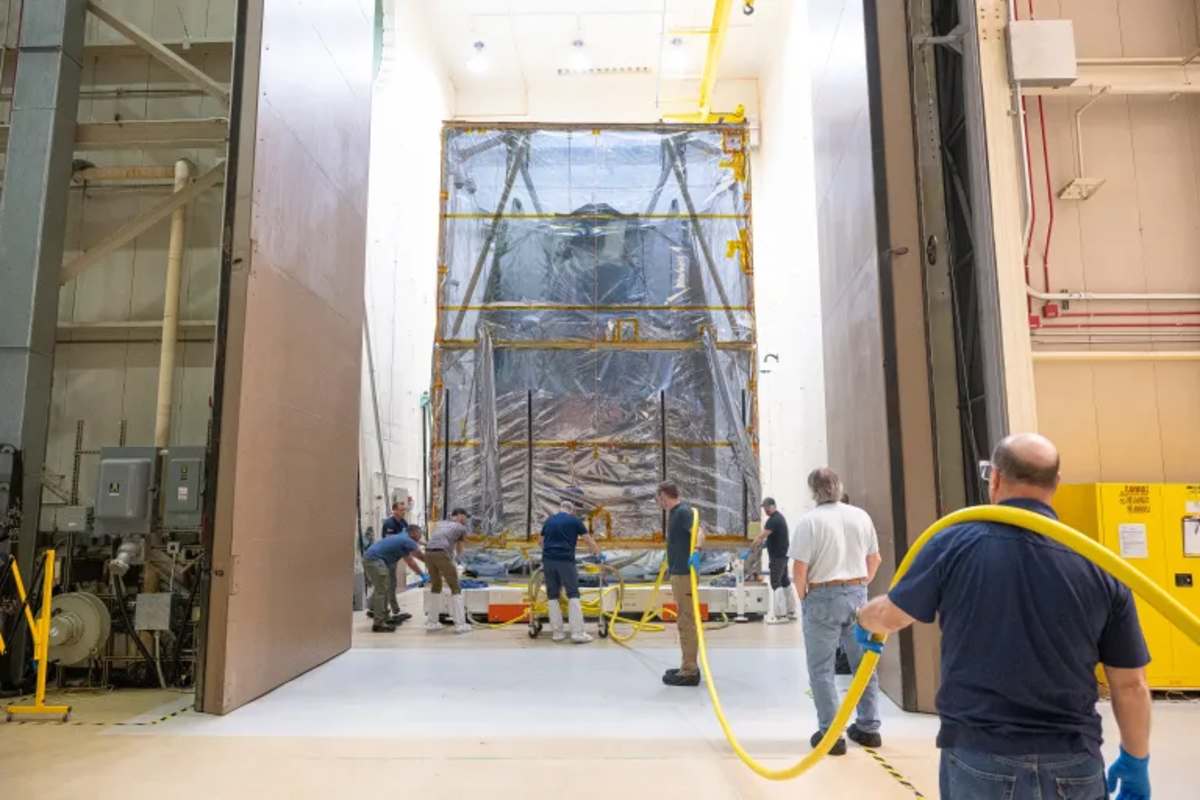
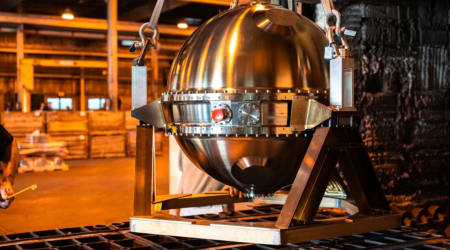
Meanwhile, the observatory's core section, the telescope, instruments, and spacecraft bus, completed a critical 65-day thermal-vacuum test. Inside the Space Environment Simulator, more than 200 specialists continuously exposed the hardware to the extreme cold of deep space and the intense heat of sunlight. The test was critical because it marked the first time the telescope and its science instruments had been operated together as a single unit. "The next time we turn everything on will be when the observatory is in space!" said Dominic Benford, a Roman's program scientist at NASA Headquarters. The successful result confirms the operational capability of the core in the vacuum of space.
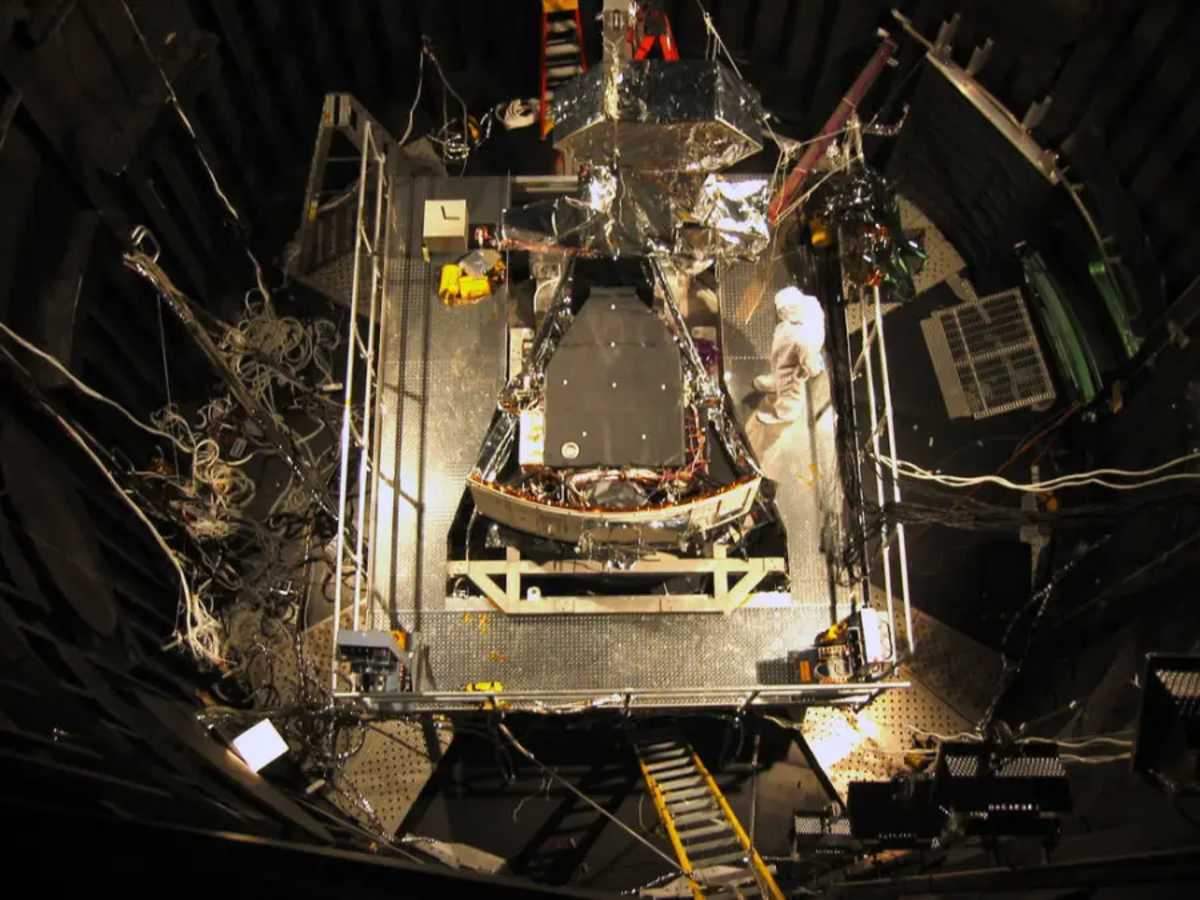
The Roman Space Telescope is intended to be NASA's next flagship astrophysics mission, with its agenda set to address fundamental questions about dark energy, exoplanets, and cosmology. The two major elements of the observatory are expected to be merged in November, with a fully assembled flight unit by the end of this year. Once final testing has been completed, Roman will be shipped to NASA's Kennedy Space Center for launch preparations, with the estimated launch window opening between late 2026 and May 2027.
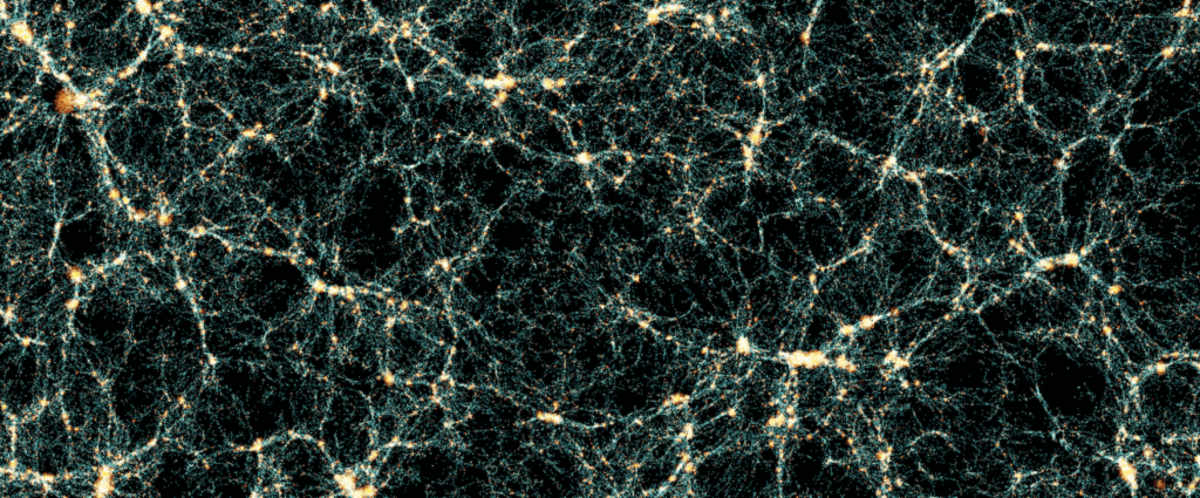
While the engineers put the finishing touches on the telescope's hardware, scientists are preparing to use the Roman observatory to tackle one of the universe's greatest mysteries: dark matter. The telescope will utilize a cosmic effect predicted more than a century ago by Albert Einstein, which has become known as gravitational lensing. Gravitational lensing is an important part of Einstein's theory of general relativity. It details how massive objects, such as galaxies or clusters of them, warp the fabric of space and time. This warping of space and time causes light coming from even more distant sources to bend and magnify as it passes these cosmic structures, acting like a giant natural lens.
Dark matter is one of the biggest mysteries in the universe.
— Nancy Grace Roman Space Telescope (@NASARoman) June 13, 2025
Roman will shed light on the cosmic enigma using hundreds of natural telescopes –– foreground galaxies that magnify light from farther galaxies.
https://t.co/p4kRi1qUNw pic.twitter.com/r0IPWsh1F4
Scientists think Roman’s broad space scans might reveal around 160,000 gravity lenses. Still, experts figure only roughly 500 of them could really help probe dark matter, the invisible material thought to form most of the cosmos’ weight.
More on Starlust
NASA’s Roman Space Telescope survey aims to discover 100,000 star explosions and feeding black holes
NASA engineers successfully install extremely strong ‘sunblock’ shield on Roman Space Telescope