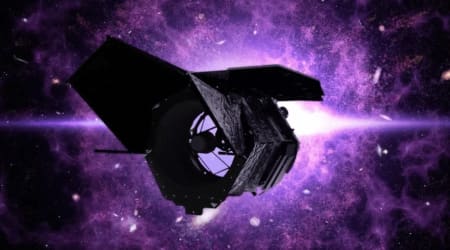
NASA engineers successfully install extremely strong ‘sunblock’ shield on Roman Space Telescope
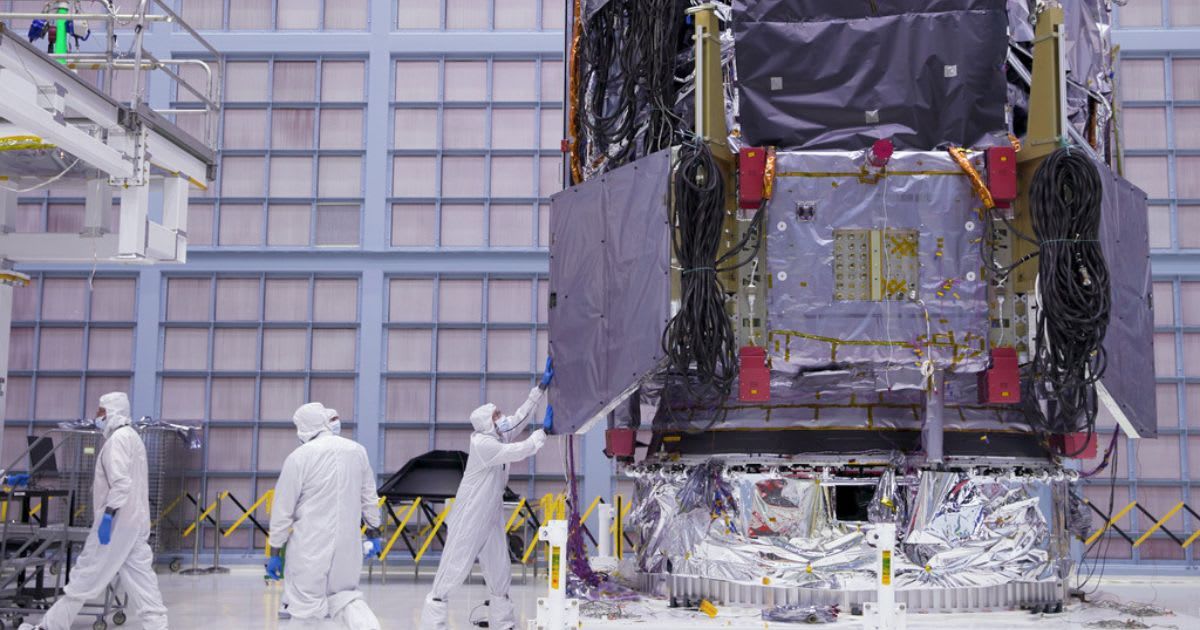
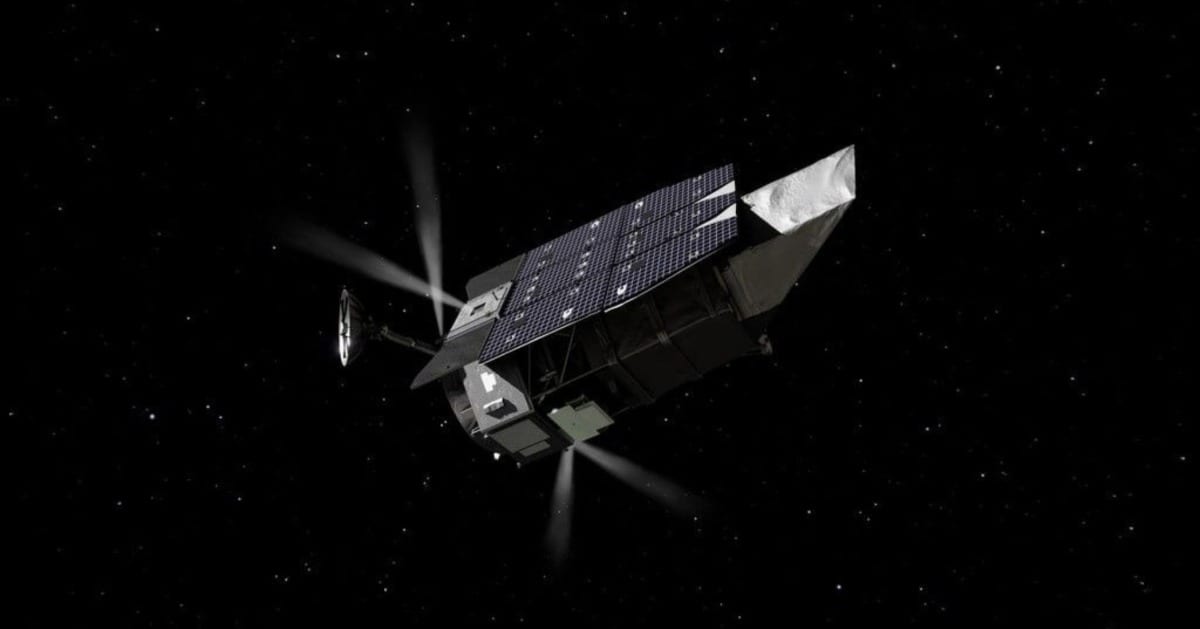
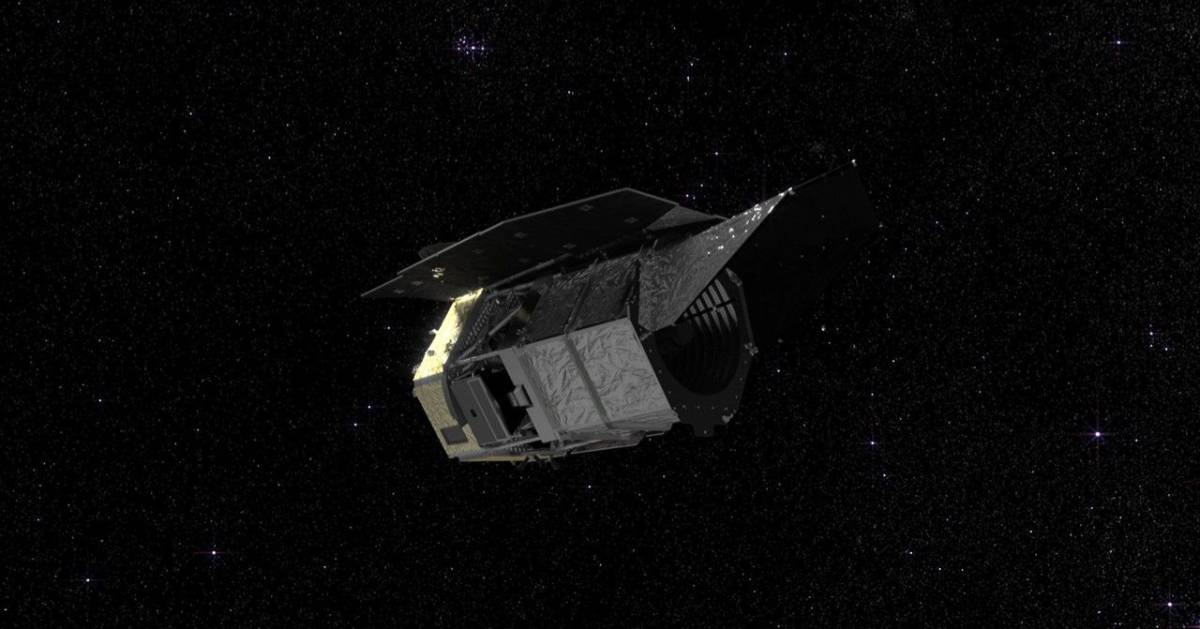
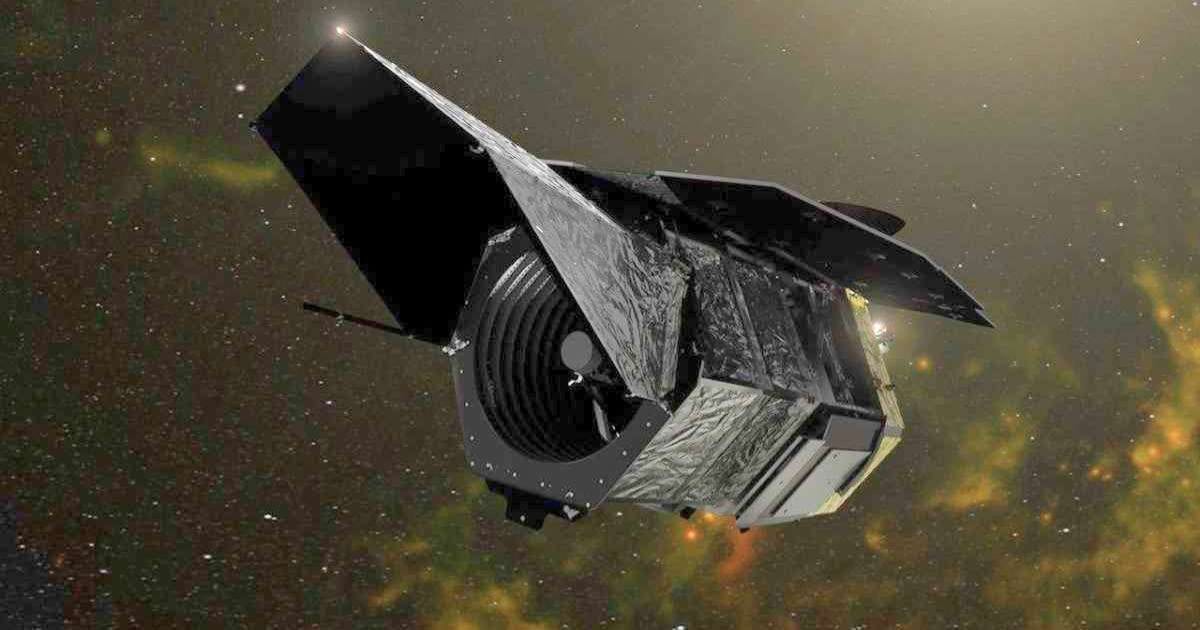
NASA engineers have successfully installed a crucial set of sunshields on the inner structure of the Nancy Grace Roman Space Telescope, marking a key milestone in the observatory's assembly. These two large panels, known as the Lower Instrument Sun Shade, are designed to protect the telescope's sensitive instruments from the Sun's intense heat and light, enabling it to capture faint infrared signals from deep space, as per NASA.
LISSen up, folks!
— Nancy Grace Roman Space Telescope (@NASARoman) July 31, 2025
Technicians installed Roman's Lower Instrument Sun Shade, or LISS, which consists of two deployable panels that will shade the lower observatory from sunlight.
Learn more: https://t.co/K0cUPPpUq1 pic.twitter.com/LtdX0T6WN1
The sunshields, which measure about 7 feet square and 3 inches thick, are a marvel of engineering. Constructed from lightweight aluminum sheets arranged in a honeycomb pattern, they are built to withstand extreme temperature differences. While the side facing the Sun can reach a blistering 216 degrees Fahrenheit (102 degrees Celsius), the shaded side will remain frigid at minus 211 degrees Fahrenheit (minus 135 degrees Celsius). This protective function is critical for the telescope's infrared mission.
We’ve got our shades on for summer 😎☀️@NASA technicians recently installed Roman's solar array Sun shield! These panels will power the entire observatory and help keep the instruments cool by shading them from sunlight.
— Nancy Grace Roman Space Telescope (@NASARoman) July 10, 2025
Read more: https://t.co/DLA1iwQv7x pic.twitter.com/pylShXZEE5
“This shield is like an extremely strong sunblock for Roman’s sensitive instruments, protecting them from heat and light from the Sun that would otherwise overwhelm our ability to detect faint signals from space,” said Matthew Stephens, an aerospace engineer at NASA’s Goddard Space Flight Center, where the sunshade was designed. The sunshield assembly is part of a larger thermal protection system that includes the observatory's Solar Array Sun Shield and a Deployable Aperture Cover. Once in space, the sunshade will deploy slowly about an hour after launch, a process that takes two minutes.
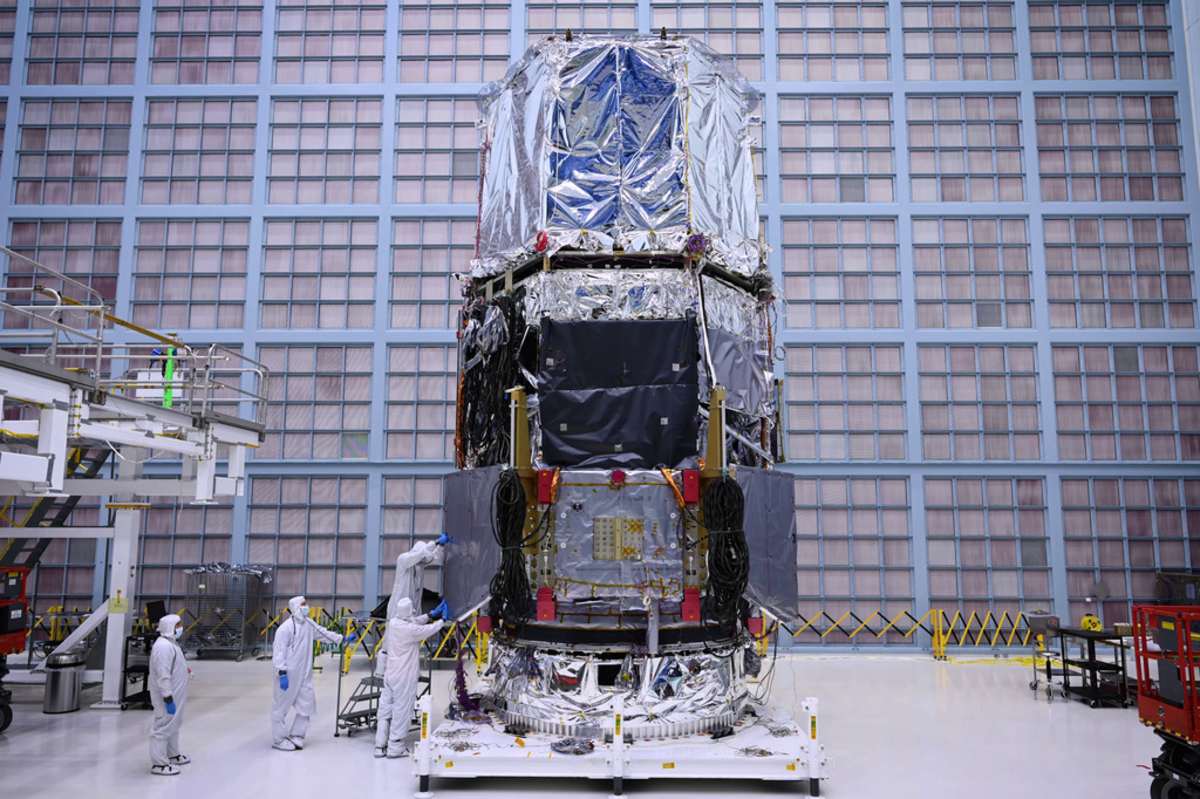
Following this installation, the inner segment of the telescope will undergo a 70-day thermal vacuum test to simulate space conditions. The sunshields will be temporarily removed and reattached later this year when the inner and outer sections of the Roman telescope are joined. The Roman Space Telescope is currently on schedule for a launch as early as late 2026.
While the technical assembly continues on the ground, Roman's ambitious scientific mission is already taking shape. Once operational, the telescope will conduct a groundbreaking survey called the High-Latitude Time-Domain Survey, with the potential to uncover more than 100,000 cosmic explosions, as reported on Daily Galaxy. This striking catalog of stellar destruction will give scientists a new window into some of the most mysterious phenomena in the cosmos, from exploding stars to the powerful forces around black holes.
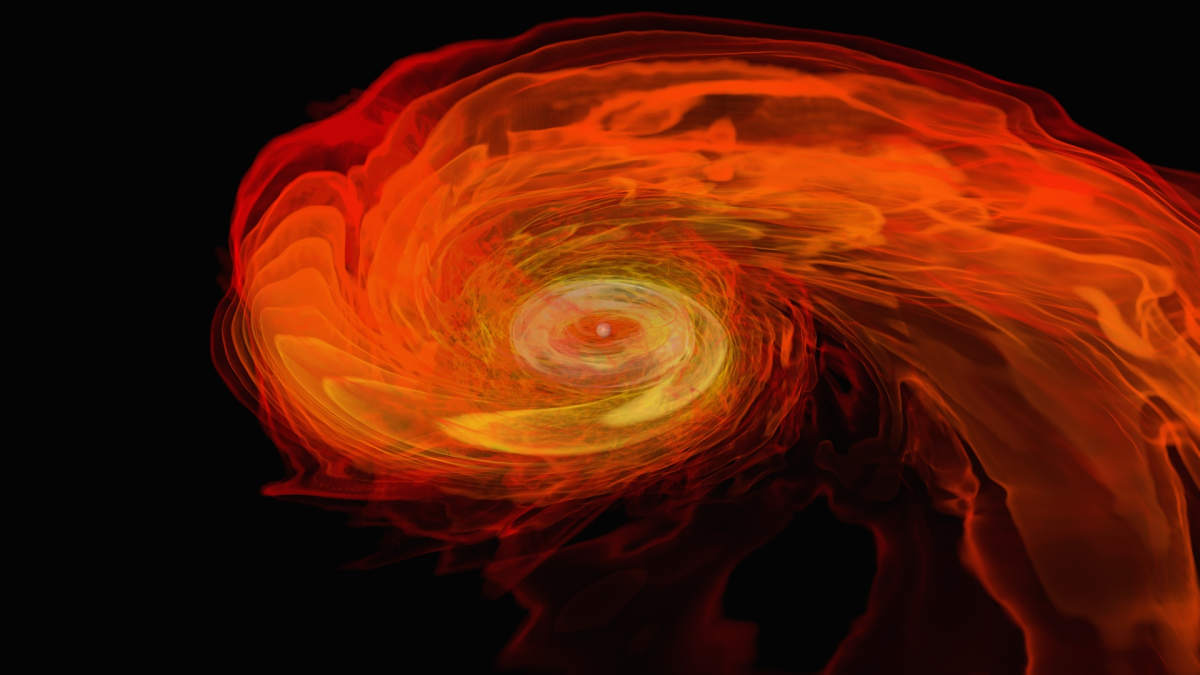
A primary target for this survey will be Type Ia supernovae, a specific class of stellar explosions critical for understanding the universe's expansion. These supernovae occur when a white dwarf star in a binary system accumulates too much mass from its companion, triggering a catastrophic detonation. Because these explosions have a remarkably consistent peak brightness, they serve as cosmic "standard candles," allowing astronomers to precisely measure vast distances across the universe.
Roman's upcoming survey marks a new era in space exploration. With its advanced observational capabilities, it will provide the most detailed and comprehensive view of the universe's dynamic explosions ever achieved. The data collected will be invaluable for addressing some of the most profound questions about dark energy, black holes, and even the formation of the first stars. The mission is poised to be a stepping stone for future astronomical endeavors, preparing the way for the next generation of telescopes. As Benjamin Rose, an assistant professor at Baylor University, puts it: “Roman’s going to find a whole bunch of weird and wonderful things out in space, including some we haven’t even thought of yet.”