Air leak on ISS: Are astronauts safe? NASA provides update as repairs continue
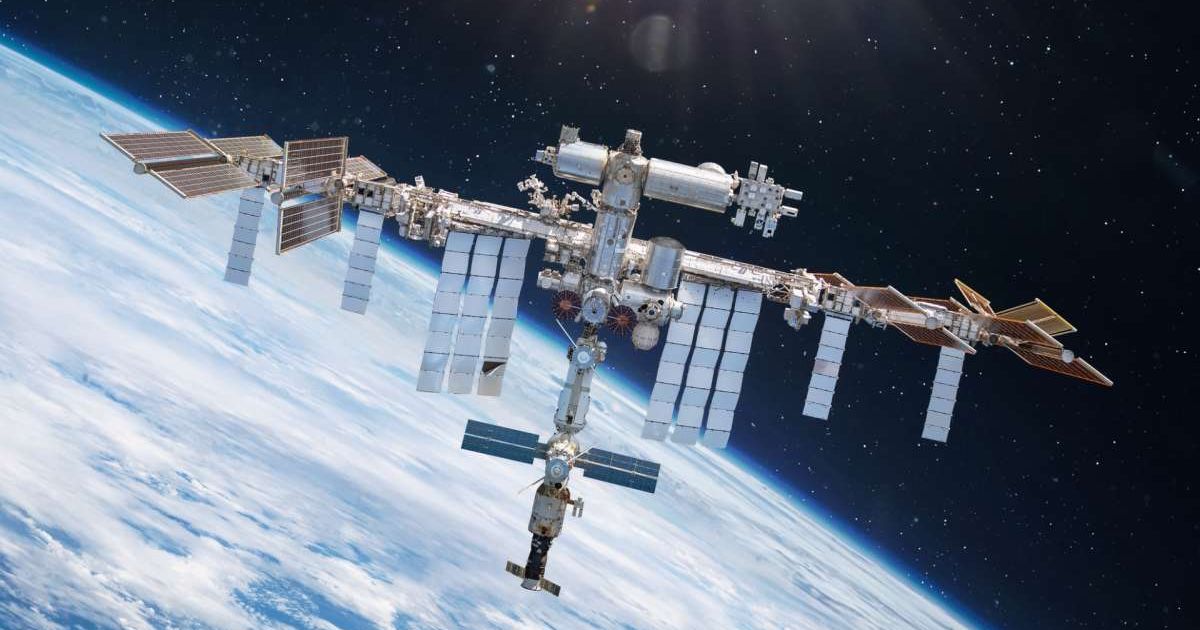
NASA astronauts aboard the International Space Station (ISS) were ordered to shelter in their spacecraft as a concerning air leak worsened on the orbiting lab. Detailing the incident, NASA spokesperson Bethany Stevens pointed out that the leak, which has been persistent since 2019, is located in the Perekhodnaya Kamera (PrK) transfer tunnel of Russia's Zvezda service module. Caused by small cracks within the tunnel, the issue is typically managed by the Russian space agency, Roscosmos, “through operational mitigation measures and periodic partial-repair efforts," as per Stevens.
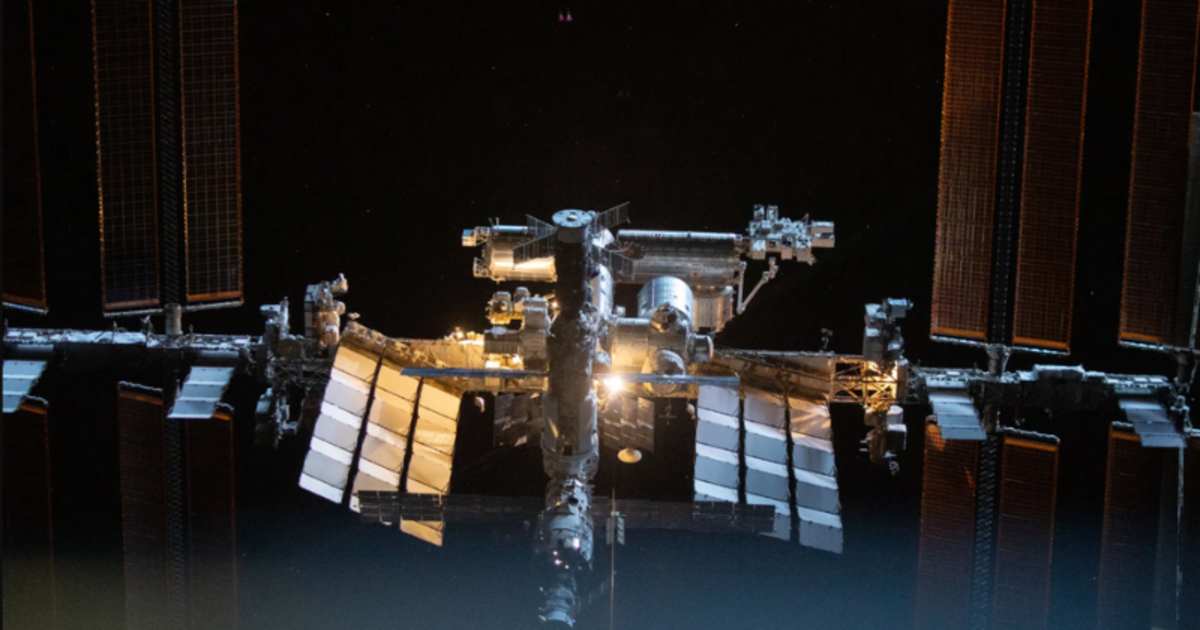
While these measures taken by Roscosmos had kept the transfer tunnel functioning, the problem recently escalated. During the first week of June, amid the Progress 95 cargo operations, the leak rate increased to two pounds of air per day. Roscosmos also detected new suspected leak areas in the PrK.
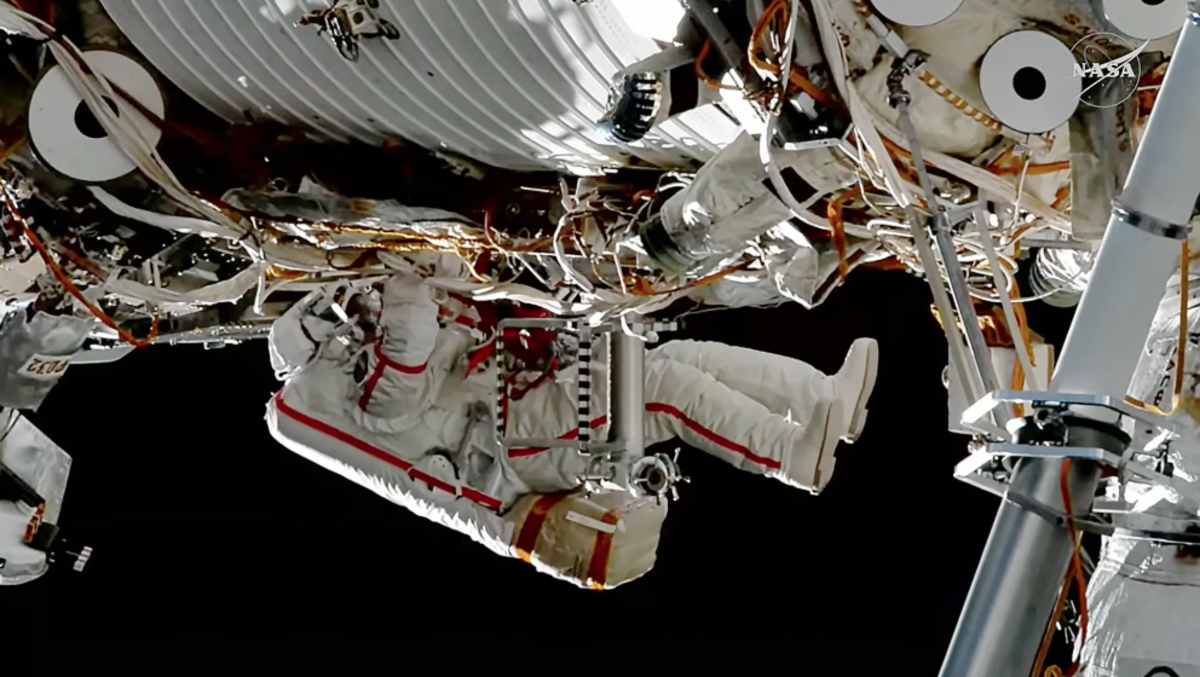
Immediately, the agency decided to commence more thorough and expansive repair efforts to address the leak. This revised approach involved cutting a bracket to easily access the suspected leak area. However, because this structural procedure could have elevated the risk to the module, NASA ordered all four SpaceX Crew-12 members (NASA’s Jack Hathaway and Jessica Meir, ESA’s Sophie Adenot, and cosmonaut Andrey Fedyaev), along with NASA astronaut Chris Williams, to assume a heightened safety posture inside the docked SpaceX ‘Dragon’ spacecraft, serving as a safe haven.
Officially confirming the news, Stevens wrote on X, “Out of an abundance of caution, NASA has directed all four of the agency's SpaceX Crew-12 members and NASA astronaut Chris Williams to assume an elevated safety posture in the Dragon spacecraft while the repair is underway.” Detailing the repair work, a statement on Roscosmos’ Telegram channel stated that two potential leaks were detected inside the transfer chamber. The first site was sealed off using an initial layer of a two-component sealant compound, Germetall-1. The other leak site was located near the conical section of the chamber. However, the invasive structural repair work did not proceed as planned. On Friday morning, Roscosmos decided to pause the bracket-cutting procedure, opting instead to conduct further measurements. They wanted to gather more data and inspect the suspected areas of the leak in detail, as well as review the areas where sealant was applied during previous repair works. NASA promptly supported Roscosmos’ decision and pledged to continue collaborating with their Russian counterparts in the quest to solve the problem for good.
The Zvezda service module transfer tunnel, known as PrK, has suffered from cracks and leaks for some time, and has been mitigated by Roscosmos as much as possible to date. The cracks have always been a concern that NASA watches very closely. NASA and Roscosmos have been working…
— Bethany Stevens (@NASASpox) June 5, 2026
Following this decision, NASA ordered the five astronauts to end their safe haven protocol and resume their day-to-day tasks on the orbiting laboratory. Confirming the stand-down, Stevens officially declared on X, “Given this development, NASA has instructed the crew members inside the Dragon spacecraft to end the safe haven procedures and return to planned operations aboard the International Space Station.” The PrK’s small atmospheric leak highlights the advancing age of the International Space Station. The construction of the orbiting laboratory dates back to 1998, and the complex has been continuously occupied with rotating astronaut crews since November 2000. Interestingly, the Zvezda module, where the leak is detected, remains one of the oldest modules of the station, having launched into orbit in July 2000.
More on Starlust:
Russian segment of the International Space Station has begun leaking again, raising safety concerns
NASA updates ISS schedule for 2026: Check new flight plan for the International Space Station