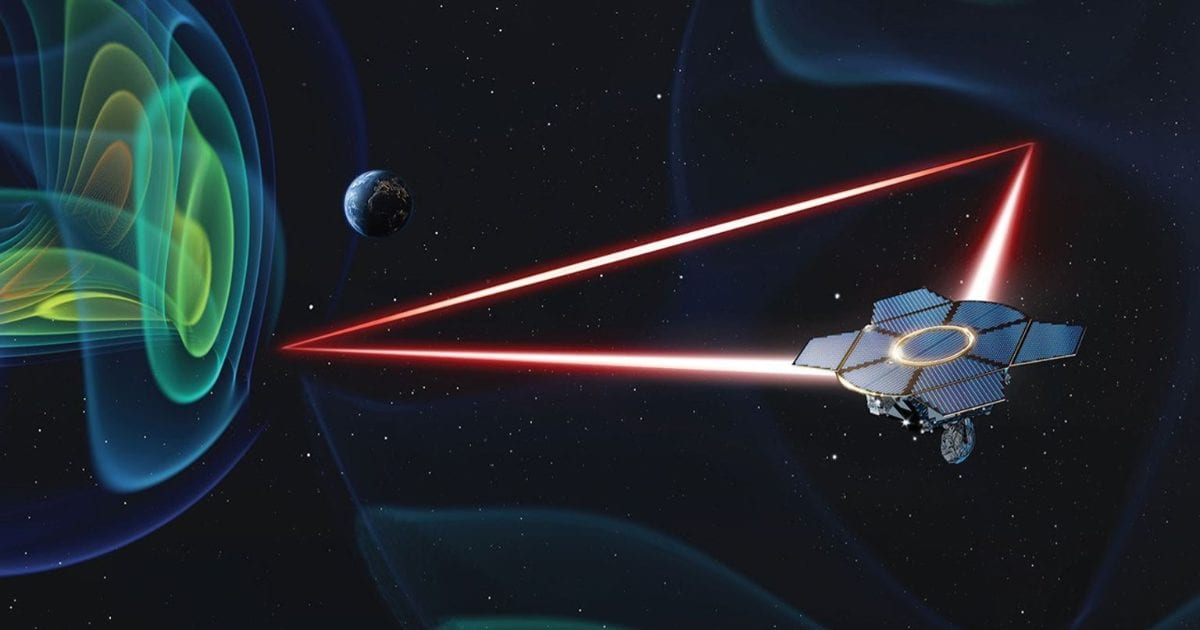
NASA's IXPE reveals 'heartbeat black hole' data that challenges current scientific theories
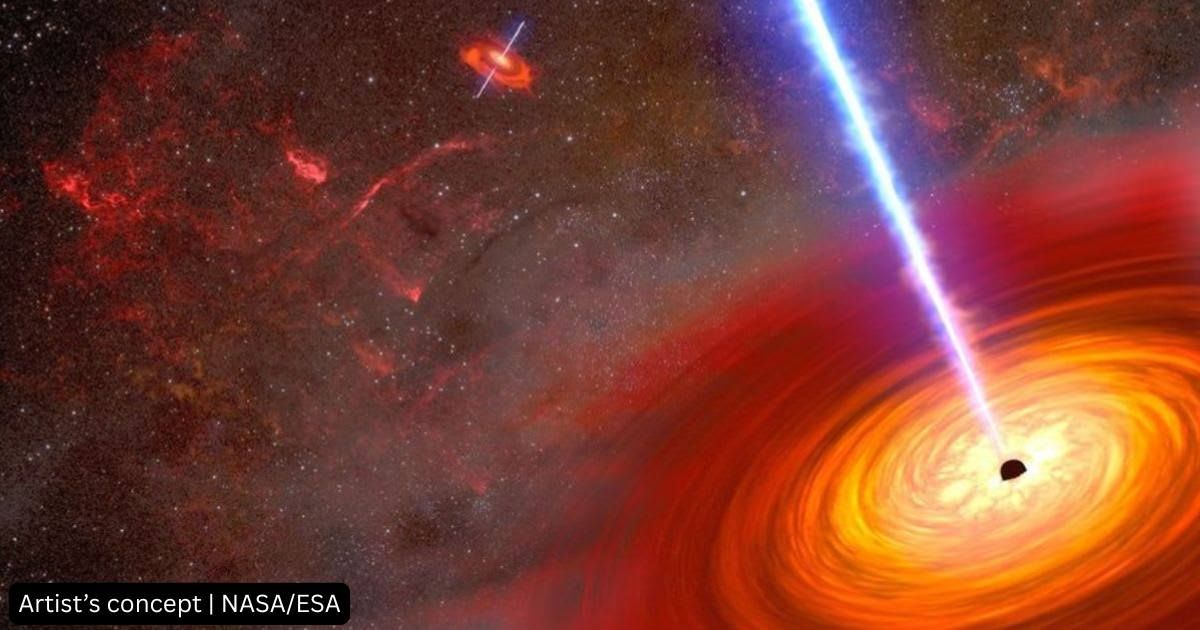
A recent study using NASA's Imaging X-ray Polarimetry Explorer (IXPE) is forcing scientists to rethink their understanding of black holes. The mission, designed to measure the polarization of X-rays, has provided a surprising new data point for the black hole designated IGR J17091-3624, often referred to as "heartbeat black hole" due to its unique dimming and brightening pattern, as per NASA.
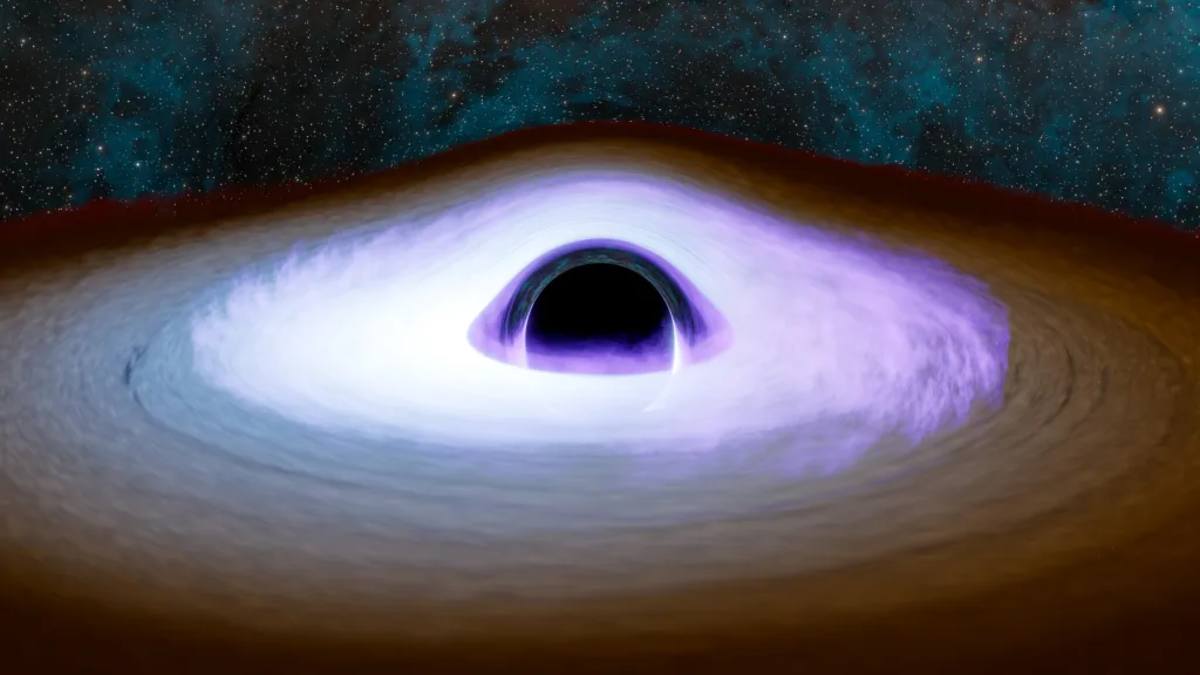
The IXPE instrument measured a polarization degree of 9.1% for the black hole, a number significantly higher than what current models predicted. This measurement, which indicates how aligned the electric fields of X-rays are, provides a crucial clue about the black hole's corona, a superheated, magnetized plasma that surrounds the black hole and generates powerful X-rays. “Typically, a high polarization degree corresponds with a very edge-on view of the corona," said Giorgio Matt, a professor at the University of Roma Tre and a co-author of the paper. "The corona would have to be perfectly shaped and viewed at just the right angle to achieve such a measurement.”
The black hole's companion star, from which it is siphoning matter, is too faint to allow for a direct measurement of the viewing angle. However, the observed dramatic changes in brightness suggest that the system's accretion disk is facing Earth. To reconcile the unexpected data, the research team developed two new models. One hypothesis suggests that a "wind" of matter, a rarely observed phenomenon, is being ejected from the accretion disk. As X-rays from the corona pass through this wind, they undergo a process called Compton scattering, which could account for the high polarization degree.
“These winds are one of the most critical missing pieces to understand the growth of all types of black holes,” said Maxime Parra, who led the observation and work at Ehime University. He also adds that this could also open the door to even more unexpected polarization measurements in the future. The second model explores the possibility that the corona's plasma is moving outward at incredible speed, up to 20% the speed of light. This extreme velocity could create relativistic effects that boost the observed polarization to the measured level.
Both of these new models successfully replicate the IXPE measurements without requiring a precise, edge-on viewing angle. The findings, which were led by Melissa Ewing of Newcastle University, are a significant step in understanding the complex physics of black holes and their surrounding environments. Researchers are now continuing to test these theories to gain a clearer picture of these enigmatic cosmic objects.
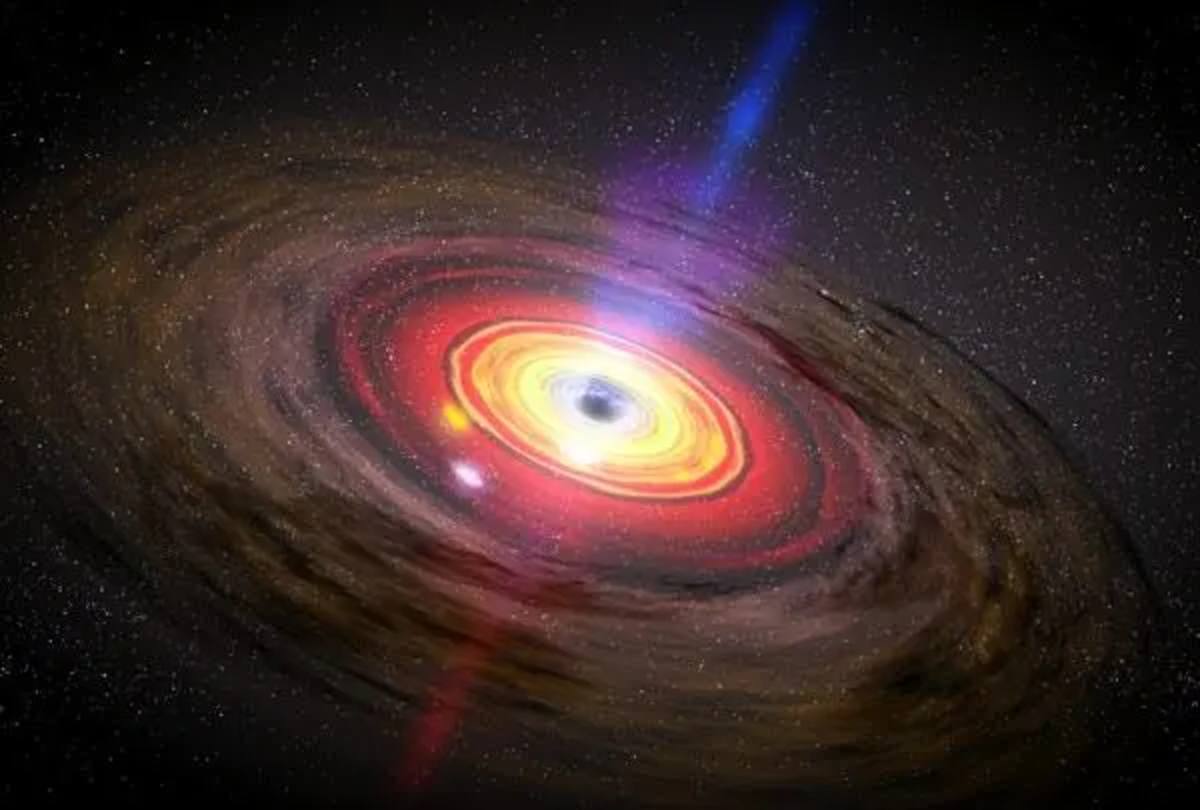
The IXPE mission continues to provide groundbreaking data, with a separate team of astronomers using its observations to investigate a rare type of pulsar. The research challenges long-held assumptions about how these spinning neutron stars produce high-energy radiation and interact with their stellar companions.
✨ A cosmic lighthouse just revealed its secrets!
— NASA Marshall (@NASA_Marshall) July 15, 2025
Thanks to new observations from #NASAIXPE and other telescopes, scientists found that X-rays from the rare pulsar system J1023 do not come from the star itself, but the pulsar wind. 🌬️
READ MORE >> https://t.co/Zi4KMQKJJt pic.twitter.com/Cyz7viWU6R
The subject of the study is a unique binary system called PSR J1023+0038, or J1023. This system features a rapidly rotating neutron star, or pulsar, that feeds on a nearby, less-massive star. The pulsar emits intense beams of light from its magnetic poles. What makes J1023 particularly valuable to scientists is its ability to switch between two states: an active phase of consuming matter and a dormant phase where it emits only radio-wave pulsations. This behaviour has earned it the name "transitional millisecond pulsar." The new IXPE data is expected to help scientists better understand the mechanics of this rare cosmic phenomenon.