How will astronauts do laundry on future Moon missions? Scientists are testing a plasma jet solution
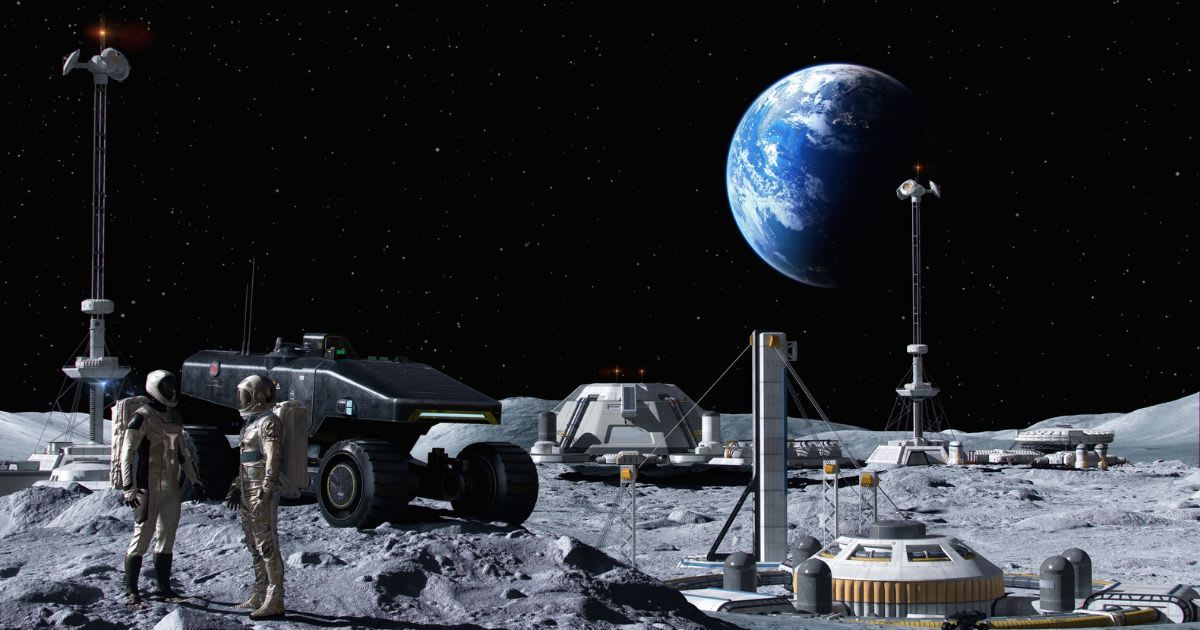
NASA has announced its plans to build a permanent base near the lunar South Pole by 2032, where astronauts would live and work for an extended period of time. But long-duration missions come with mundane challenges, like doing laundry. On the Moon, water is an extremely scarce resource, which means even routine chores become a major challenge. To address this, researchers are testing a dry-sanitization system: a plasma jet device that can disinfect clothing by removing harmful bacteria without needing water.
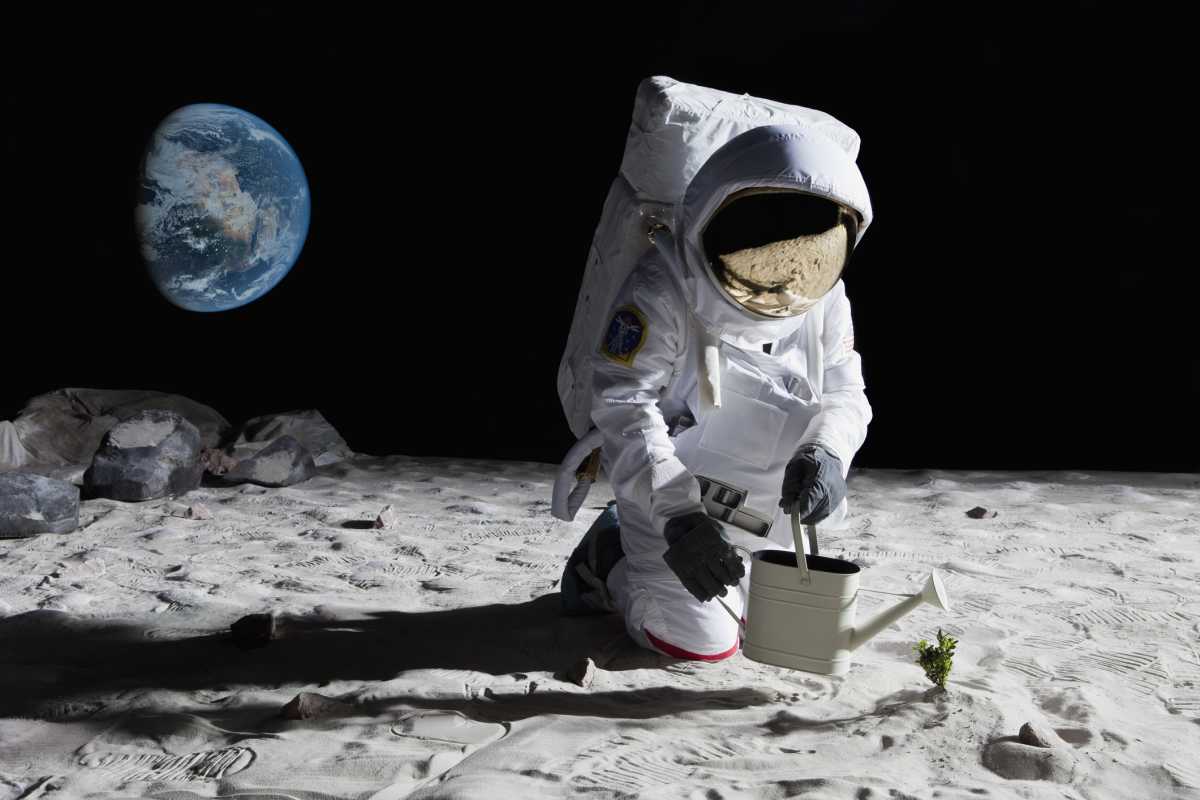
The research is being led by Gabe Xu, a professor at the University of Alabama in Huntsville's Propulsion Research Center, in collaboration with Chelsi Cassilly, a planetary protection engineer at NASA. The team shared early findings from their work at The Astrobiology Science Conference in Madison, Wisconsin.
The problem
Astronauts aboard the International Space Station (ISS) currently wear their clothes until they can no longer be used, then discard them as waste items that eventually burn up in Earth's atmosphere when cargo vehicles reenter. That solution won't work on the Moon or beyond, as regular resupply missions from Earth will not be possible. As a result, astronauts living in lunar habitats will have to sanitize their clothes and other soft surfaces on-site. The challenge here is that those surfaces are full of bacteria that human skin constantly sheds. Some of these bacteria can become more harmful.

Studies suggest that certain microbes adapt to the stresses of spaceflight and behave differently in the microgravity of orbit and the partial gravity of the Moon, potentially becoming more likely to cause disease or even damage spacecraft systems by corroding metal surfaces. In such cases, using standard Earth disinfectants (like Lysol) is not useful either, as their chemical fumes and airborne droplets would linger dangerously in the sealed air of a spacecraft or habitat. And water is extremely limited in space to be used for this purpose. "You have a couch that six astronauts, or however many, are sitting on day in, day out. How do you keep that thing sanitized so that they don't spread germs to each other?" added Gabe Xu, a professor at the University of Alabama in Huntsville. "It's a challenging problem, but it's something that we're going to need to really deal with."
The expected solution
During the lab experiment, the researchers cut a cotton T-shirt into small samples. Then, they seeded the samples with Staphylococcus caprae, a common skin bacterium that has also been detected aboard the ISS. Using a cellphone-sized device, they treated the fabric samples with a pencil-thin, bright-purple jet of plasma. As the device fires, the energy from the plasma plume ionizes ambient gas molecules, producing highly reactive oxygen and nitrogen species (RONS). When these free radicals come into contact with a fabric's fibers, they rupture bacterial cell membranes through oxidative stress. Tests lasted from 30 seconds to five minutes and showed that the treatment successfully killed bacteria. This process was more effective than the methods currently used on the ISS, which are dry vacuuming and chemical surface wipes. Additionally, across all tests, the fabric itself showed no noticeable damage.
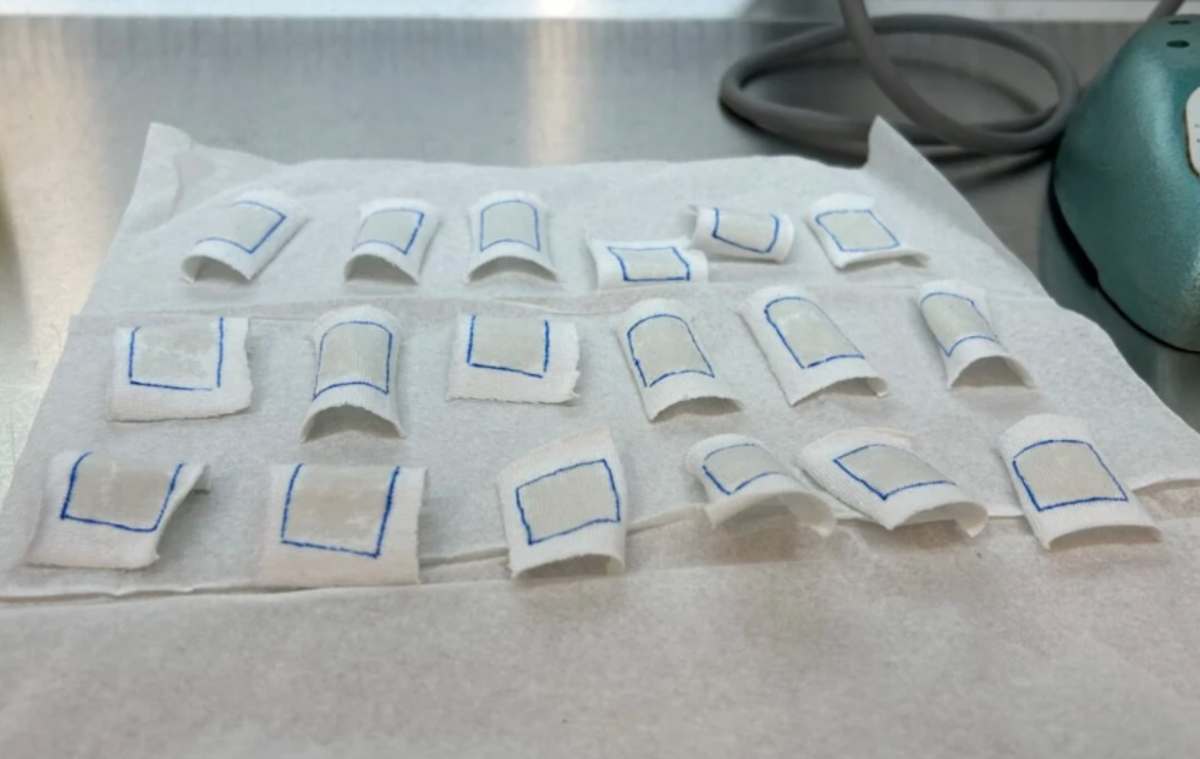
Commenting on the test results, Xu added, "It is not going to remove the coffee stains from anyone's T-shirt, but it will remove the stuff that will make you sick." The team is now expanding their work to test additional microbial species that thrive in human environments and aboard spacecraft. "We're focusing on things that we know exist up there, or that we know that people produce just as a matter of fact throughout their day, since these are the things that would likely be in a space habitat," Xu said. The researchers aim to scale the apparatus into a handheld device—like a sanitizing wand—that astronauts can use during future lunar missions.
More on Starlust
Healthcare on the Moon and beyond—how NASA is preparing for medical emergencies in deep space
Social interactions in deep space: How the human factor could affect success of NASA's Moon Base