NASA's Lunar Trailblazer mission concludes after failed communication
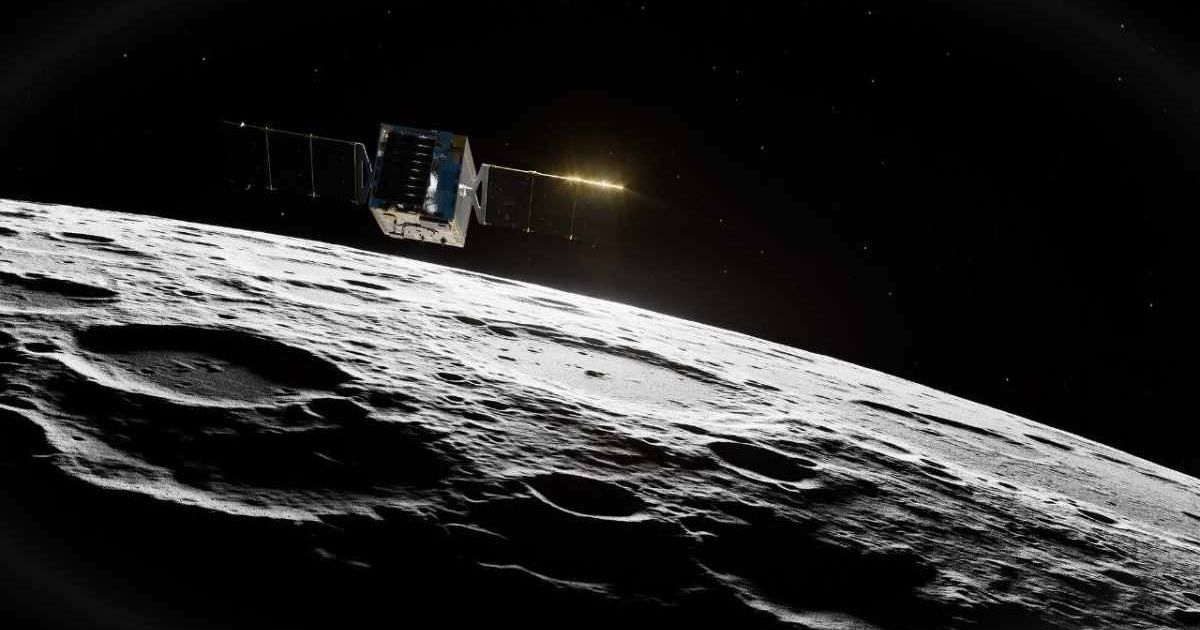
NASA has officially declared an end to its Lunar Trailblazer mission, a small satellite designed to map water on the Moon's surface. The mission concluded on July 31, months after operators lost contact with the spacecraft just one day after its launch, according to NASA.
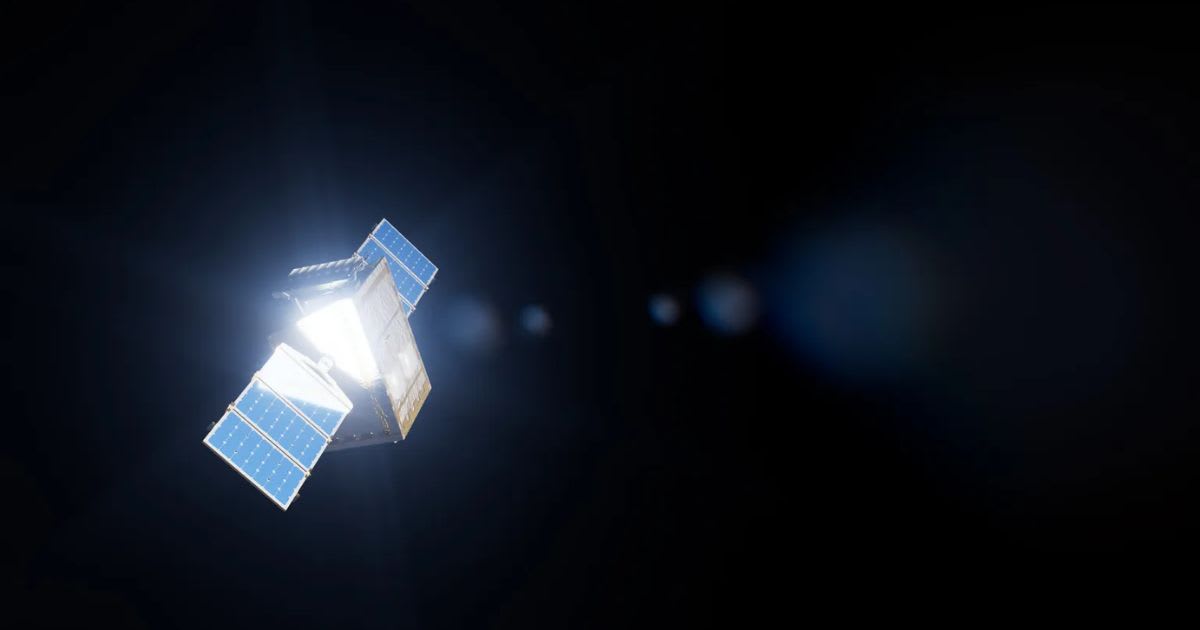
The spacecraft, which landed on February 26 from the Kennedy Space Center aboard a SpaceX Falcon 9 rocket, was intended to create detailed maps of lunar water, providing crucial data for future human and robotic exploration. However, two-way communication was lost on February 27, and all subsequent attempts to recover the mission failed. According to mission officials, the spacecraft's solar panels were likely improperly oriented toward the Sun, causing the batteries to drain. The lack of communication prevented the ground team from diagnosing the issue or performing the necessary thruster firings to correct its flight path.
Lunar Trailblazer – a @NASA mission that will detect and map the form, abundance, and locations of water on the Moon's surface recently had its final science instrument installed. https://t.co/LO8RK3xbcW pic.twitter.com/t3dRe3d9oj
— NASA JPL (@NASAJPL) August 17, 2023
Lunar Trailblazer was part of a larger launch that included Intuitive Machines' IM-2 robotic lunar lander. The satellite separated from the rocket as planned, and initial contact was established before communication was lost the following day. Despite extensive efforts by a global community of collaborating organizations to track the satellite's signal, it eventually drifted too far into deep space to be recovered.
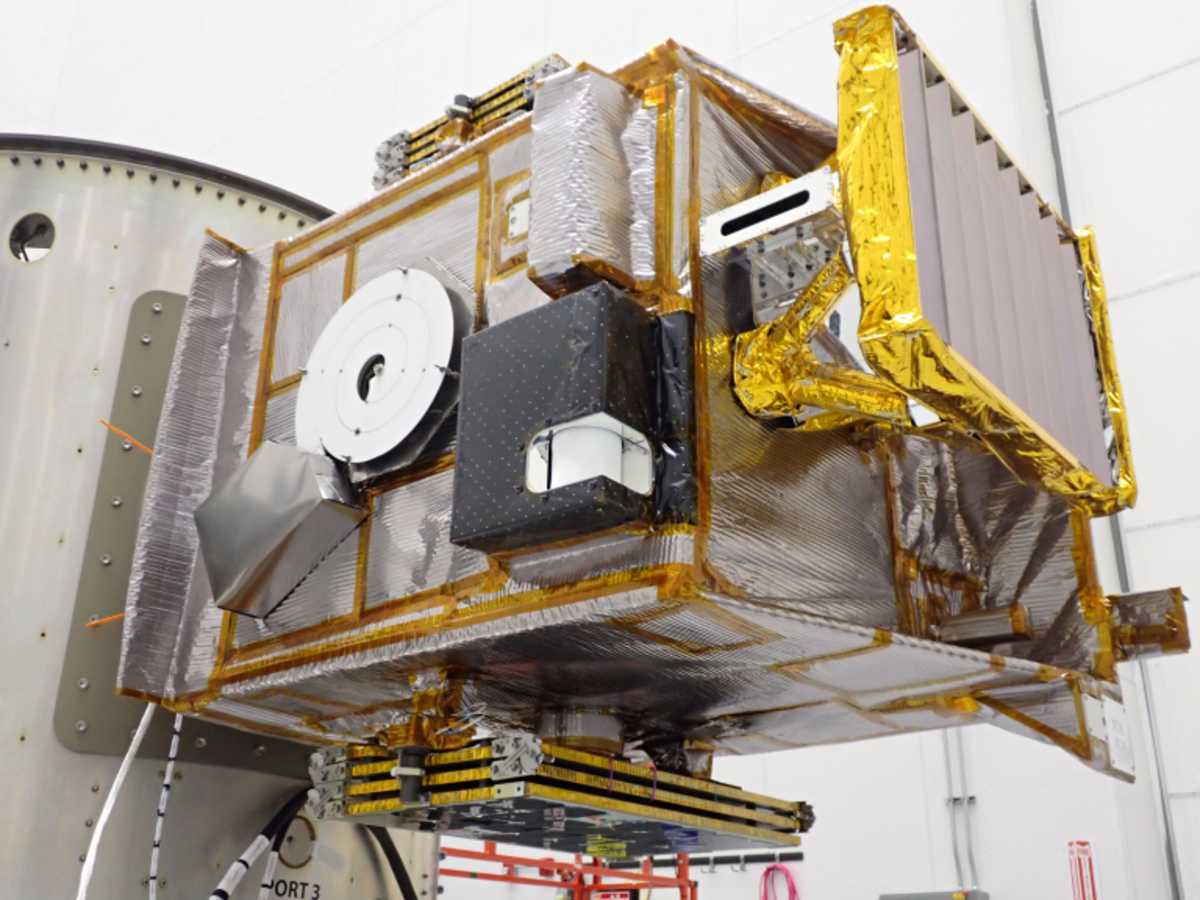
While the mission did not achieve its scientific goals, NASA officials emphasized the importance of the technological developments and lessons learned from the project. “At NASA, we undertake high-risk, high-reward missions like Lunar Trailblazer to find revolutionary ways of doing new science,” said Nicky Fox, associate administrator, Science Mission Directorate at NASA Headquarters. “While it was not the outcome we had hoped for, mission experiences like Lunar Trailblazer help us to learn and reduce the risk for future, low-cost small satellites to do innovative science as we prepare for a sustained human presence on the Moon."
The legacy of the mission will live on in a new instrument, the Ultra Compact Imaging Spectrometer for the Moon (UCIS-Moon), which utilizes an identical design to one of the mission's key components and has been selected for a future flight. “We’re immensely disappointed that our spacecraft didn’t get to the Moon, but the two science instruments we developed, like the teams we brought together, are world-class,” said Bethany Ehlmann, the mission’s principal investigator at Caltech. “This collective knowledge and the technology developed will cross-pollinate to other projects as the planetary science community continues work to better understand the Moon’s water.”
The Lunar Trailblazer mission was part of NASA's Small Innovative Missions for Planetary Exploration (SIMPLEx) program. This initiative is designed to support low-cost scientific spacecraft that can "ride-share" with larger, primary missions, as per NASA. To keep costs down, SIMPLEx missions accept a higher level of risk and operate with less oversight compared to traditional missions. This approach allows NASA to experiment with new mission designs and technologies, ultimately advancing its portfolio of scientific endeavors.
Several key organizations contributed to the project. The science investigation was led by Caltech, which also managed mission operations through its IPAC center. Caltech's Jet Propulsion Laboratory (JPL) handled system engineering, mission design, and provided the HVM3 instrument. The spacecraft itself was built by Lockheed Martin Space. Additionally, the University of Oxford, with funding from the UK Space Agency, developed and provided the LTM instrument. NASA's Planetary Missions Program Office managed the entire project.