6 upcoming space missions that could help humanity move beyond Earth
Artemis III
Like its predecessor, Artemis III, set to launch in 2027, will see four astronauts travel to space aboard the Orion spacecraft and the Space Launch System (SLS) rocket.
However, it will not take astronauts to the Moon. Instead, it will test rendezvous and docking capabilities between the Orion spacecraft and commercial lunar landers from Blue Origin and SpaceX in low-Earth orbit. NASA believes this to be a crucial step in returning astronauts to the surface of the Moon.
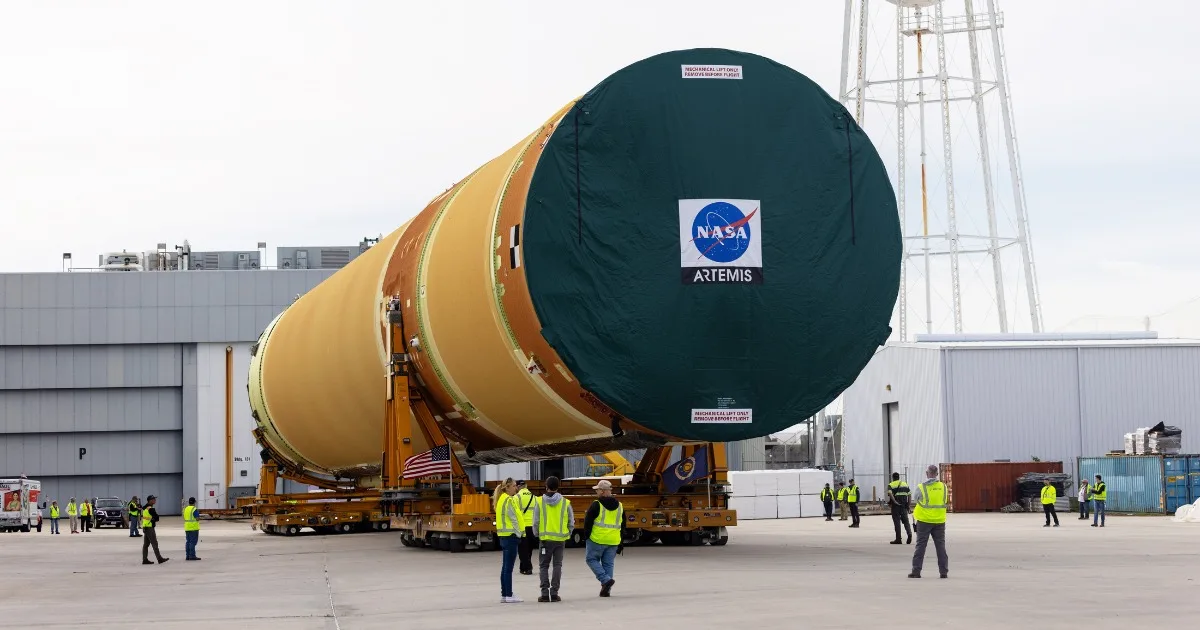
On April 20, NASA rolled out the top four-fifths of the SLS core stage for Artemis III. The image captures the same in New Orleans, Louisiana. It was to be loaded and delivered to Kennedy Space Center, Florida.
Artemis IV
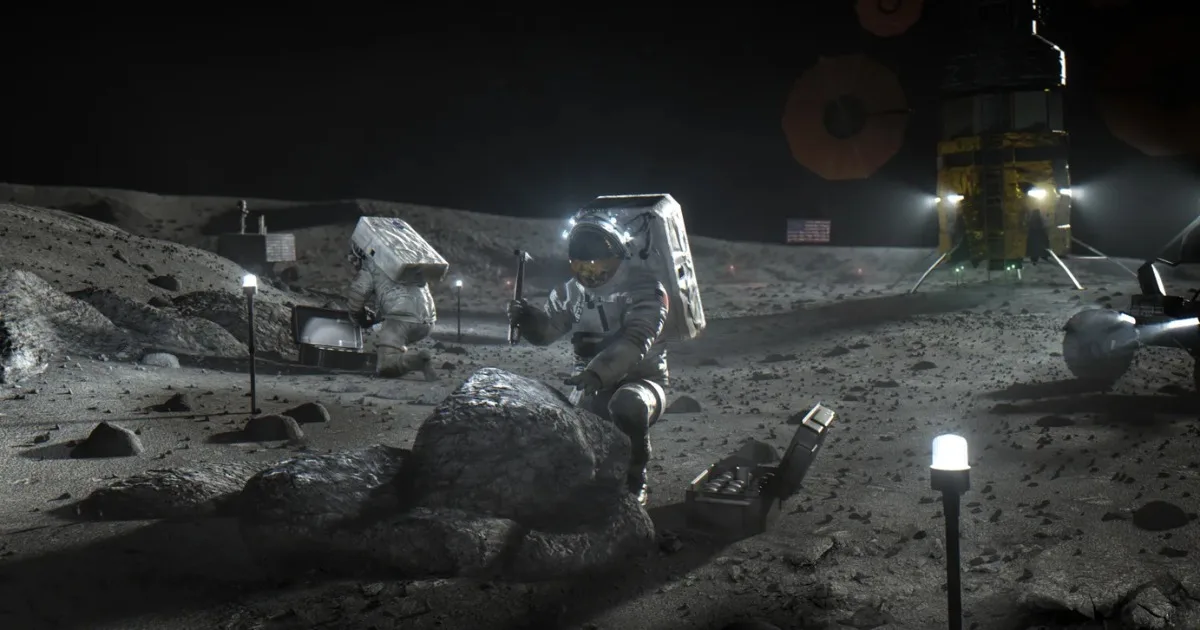
NASA has a plan to launch Artemis IV in early 2028. This mission would be a major step in humanity’s return to the Moon. During the mission, astronauts will travel to lunar orbit, where two crew members will descend to the Moon’s South Pole and spend about a week conducting scientific research before returning to orbit for the journey back to Earth.
At the moment, NASA is concentrating solely on surface operations. Adding to that, they are also working towards standardizing the SLS rocket for Artemis IV. With Artemis IV, NASA is aiming to strengthen long-term lunar exploration by executing longer surface stays, as that would help in building the first lunar space station.
This illustration from NASA represents the goal of the Artemis IV mission, through which they are aiming to establish a sustained lunar presence on the Moon.
Europa Clipper
NASA’s Europa Clipper was launched on October 14, 2024, with the goal of studying Jupiter’s icy moon Europa and finding out whether it could support life. Scientists believe Europa may have a huge ocean of liquid water hidden beneath its icy crust. This makes it one of the most promising places beyond Earth where habitable conditions might exist.
The spacecraft will carry cameras and spectrometers to closely study the moon's surface composition and its thin atmosphere. An ice-penetrating radar will look for subsurface water, while a thermal instrument will attempt to pinpoint warmer ice and even recent eruptions of water.
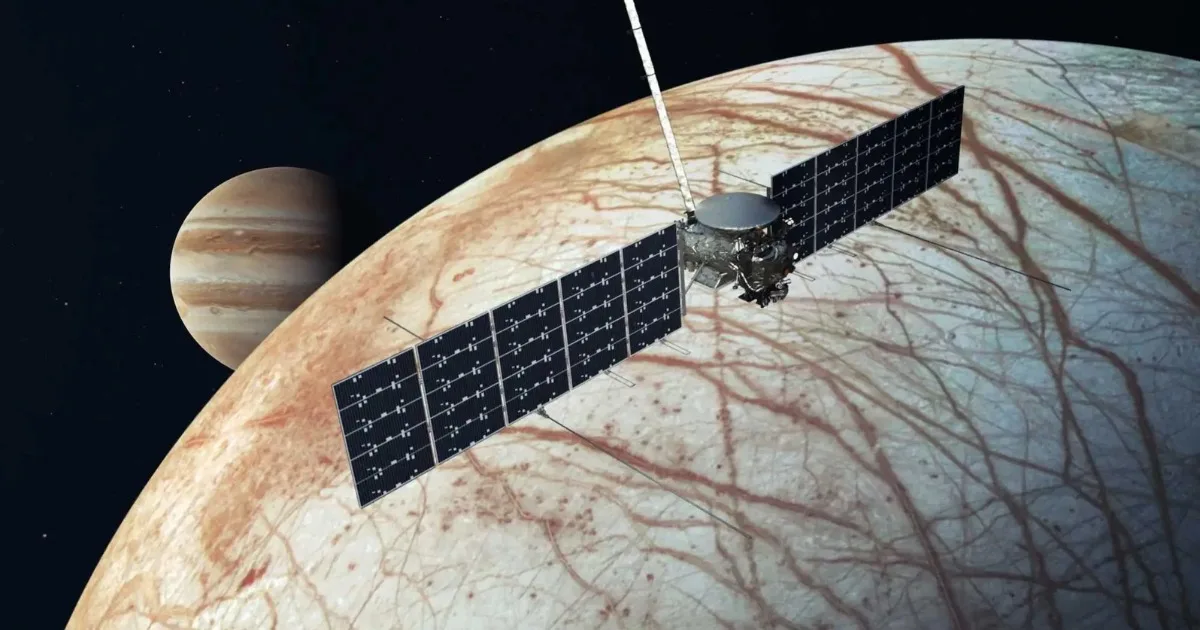
The image is an artist's concept of NASA’s Europa Clipper spacecraft around Jupiter’s icy moon, Europa.
The Nancy Grace Roman Space Telescope
The Nancy Grace Roman Space Telescope is named after NASA’s first chief astronomer. Set to launch no earlier than September 2026, the telescope is expected to answer some crucial queries in the fields of infrared astrophysics, exoplanets, and dark energy. One of the USPs of the Nancy Grace Roman Space Telescope is its field of view. It’s 100 times larger than that of the Hubble Space Telescope. This will allow it to measure light from a billion galaxies during its lifetime.
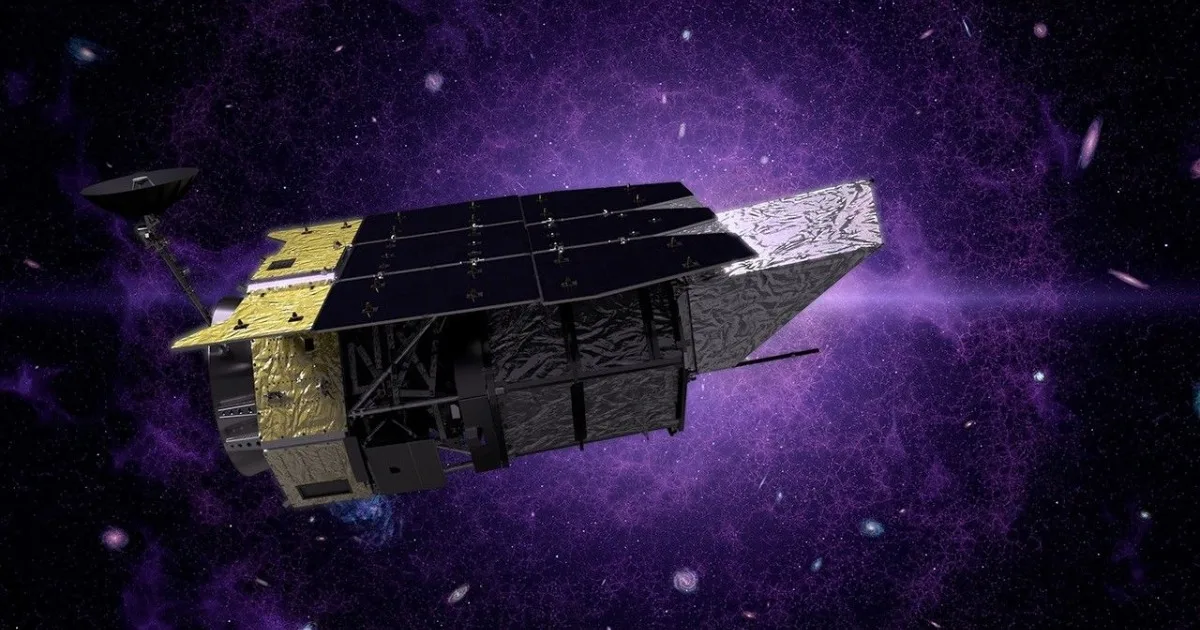
The image is an artistic representation of the Nancy Grace Roman Space Telescope.
ESA’s PLATO
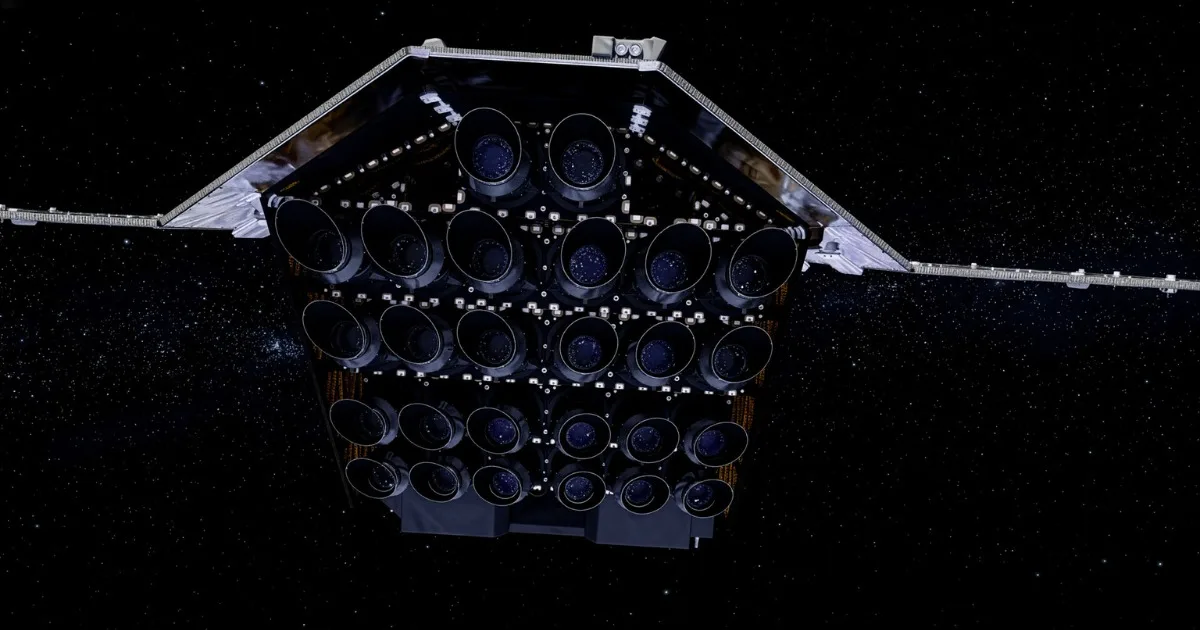
ESA’s PLATO (PLAnetary Transits and Oscillations of stars) is planned for a January 2027 launch from Europe’s Spaceport in French Guiana. While in halo orbit around the Sun-Earth Lagrange point (L2), PLATO will have 26 cameras at its disposal to minutely study the terrestrial exoplanets up to the habitable zone of Sun-like stars.
This image portrays an artist’s impression of PLATO’s 26 eyes peering into space.
Rocket Lab and MIT's Venus Life Finder mission
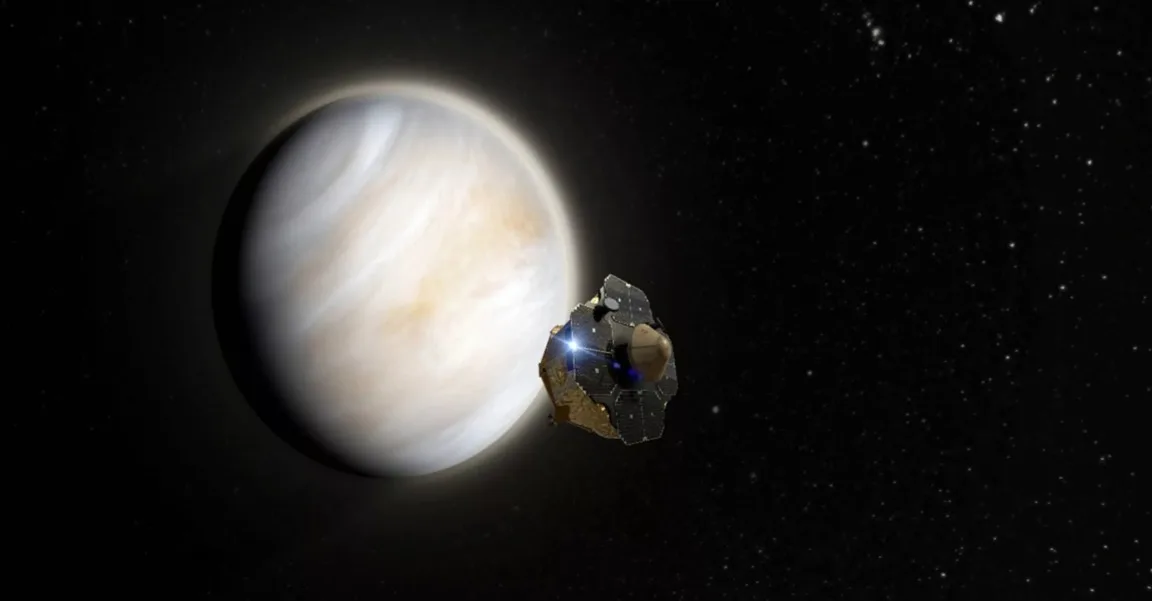
MIT is partnering with private launch vehicle company Rocket Lab to develop the Venus Life Finder for a NET summer 2026 launch. The main aim of the space probe is to scout for possible signs of life on Venus. Back in 2020, some scientists detected phosphine in the Venusian clouds. This was a surprise, as on Earth, phosphine is usually found in swamps as a byproduct of microbial life. The Venus Life Finder mission will fly with a single instrument that will catalog molecules in the Venusian clouds to see if any of them are organic in nature.
The following image depicts Rocket Lab’s Photon spacecraft with a cone-shaped probe near Venus.