Here's when the final Supermoon of 2025 will light up December's night sky

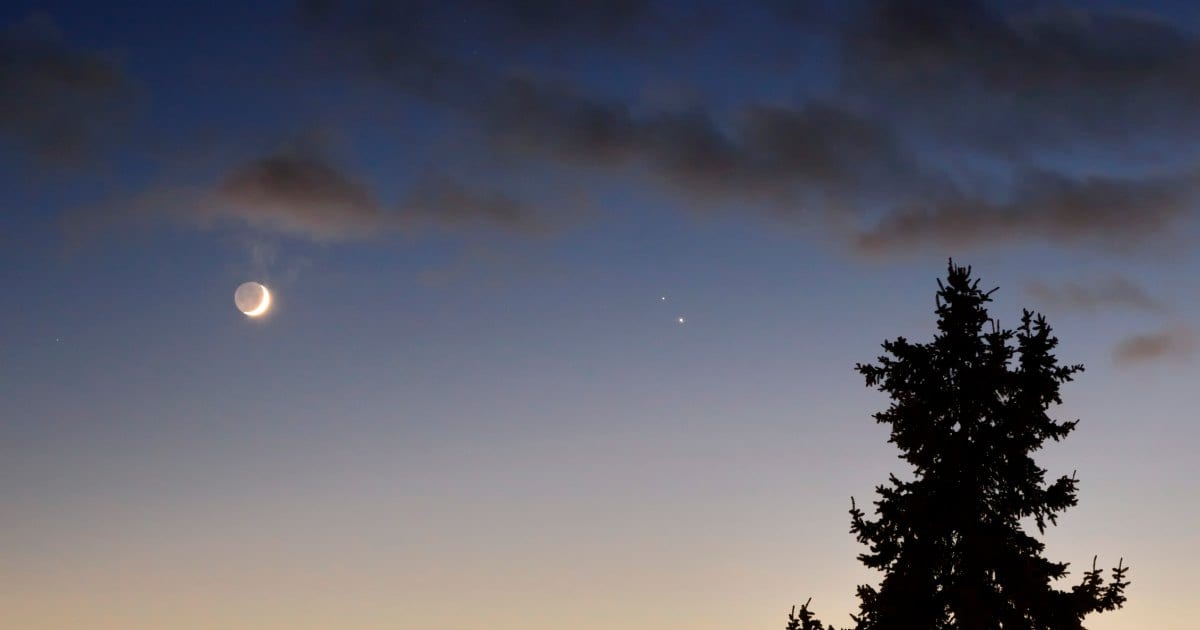
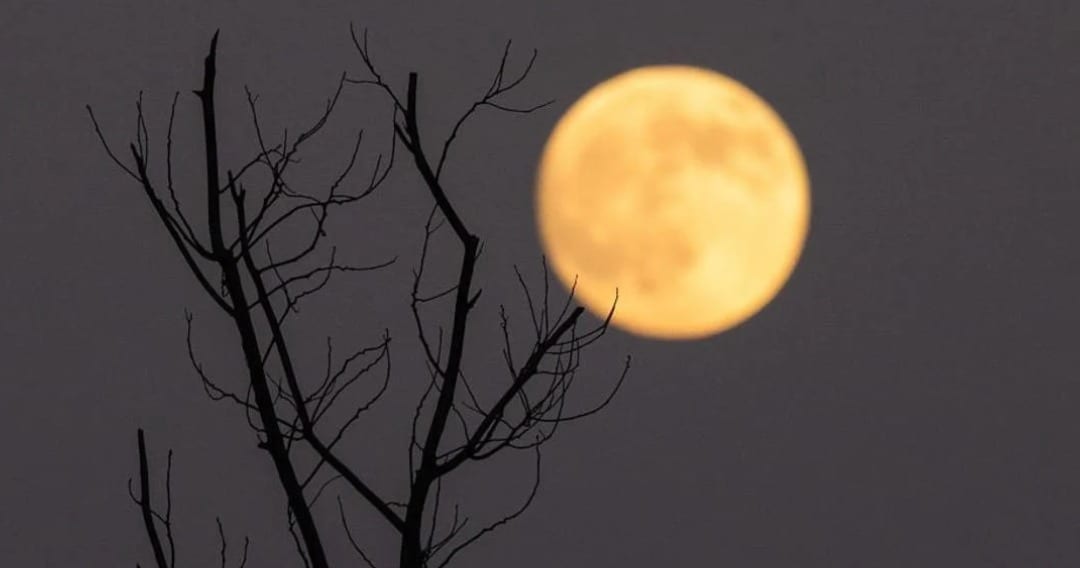
After the spectacle of the Harvest Moon in October and the Beaver Moon in November, it is time that we gear up for the last Supermoon of the year, also known as ‘Cold Moon’, signifying the cold and dark winter nights ahead. According to Space.com, it will reach its full Moon phase at 6:14 p.m. EST on Thursday, December 4, at 221,965 miles from Earth, but local timings may vary depending on location.

What exactly is a Supermoon?
The path the Moon takes around Earth is not really a perfect circle. Rather, it is elliptical in shape, meaning that the Moon is sometimes closer to the Earth, thus appearing larger than usual, and at times farther away, thus appearing smaller. A supermoon appears when the Moon, in its elliptical orbit around Earth, reaches perigee (a point closest to Earth) during a full Moon phase. According to NASA, the Moon reaches both its perigee, about 226,000 miles from Earth, and its farthest point, known as apogee, about 251,000 miles from Earth, during each of its 27-day orbital cycles.
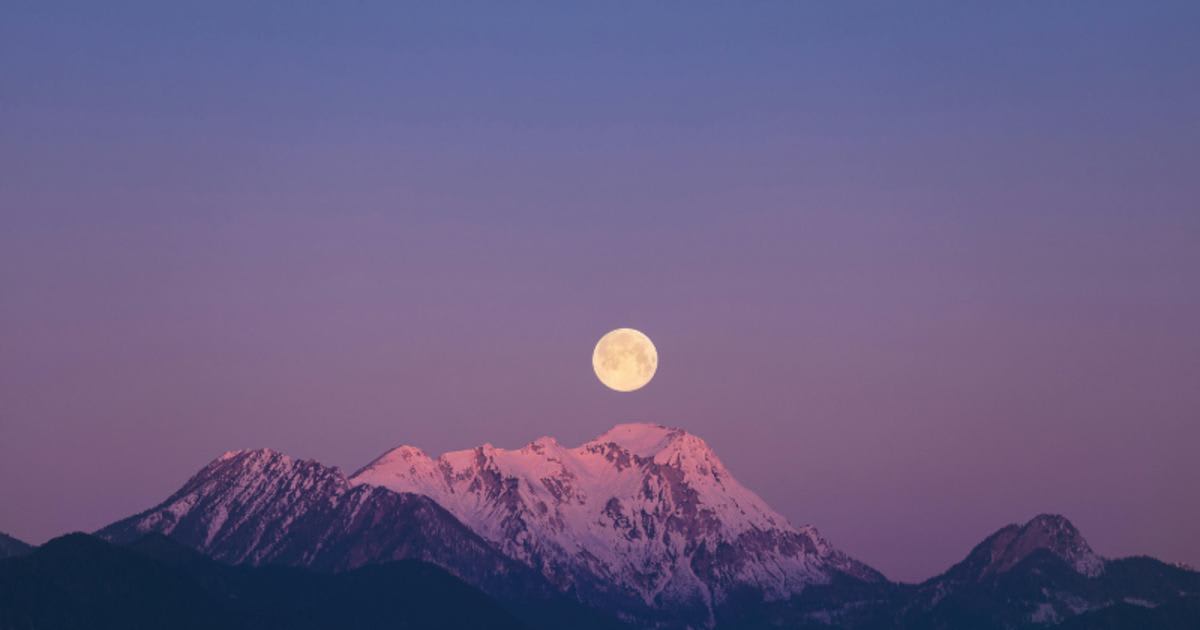
The exact distances of these closest and farthest points, however, vary depending on the position of the Sun and Earth in their orbits. And while supermoons appear consecutively, there are only three or four of them a year, as a perigee and a full moon phase do not coincide through most of the year.
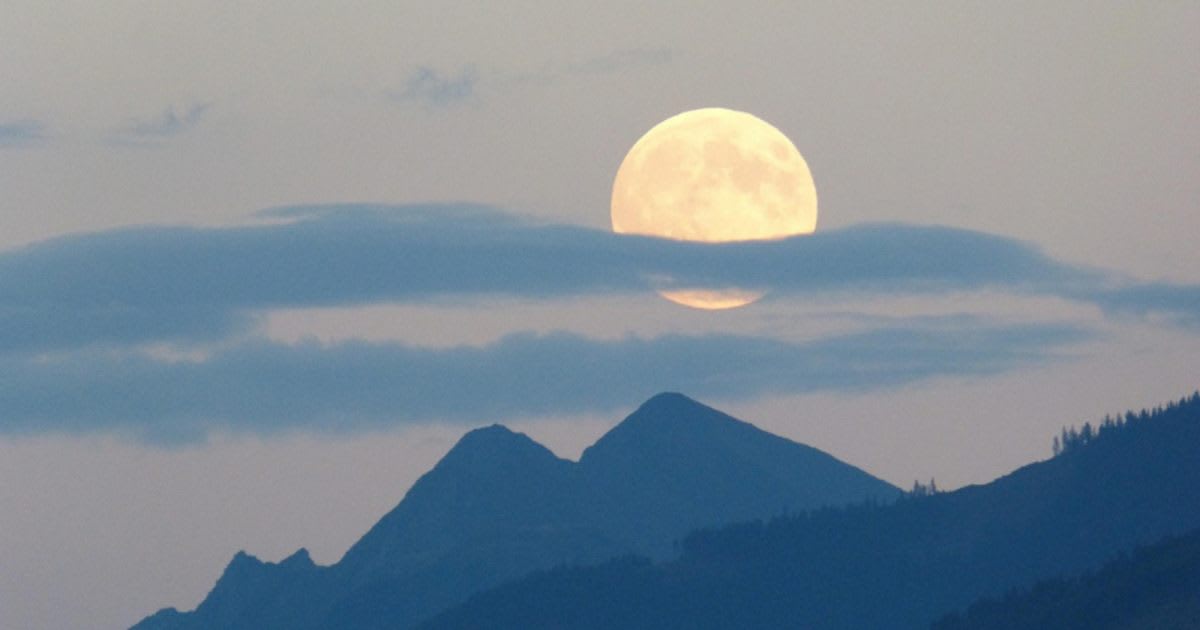
Cold Moon of December
Per the Almanac, the various Moon names used can be traced back to Native Americans, Colonial Americans, or other traditional sources passed down through generations. Native Americans used these Moons and the corresponding natural changes to track seasons. ‘Cold Moon’, December’s full moon, got its name from the Mohawk tribe, and reflects the harsh and cold weather that sets in during this time of year.
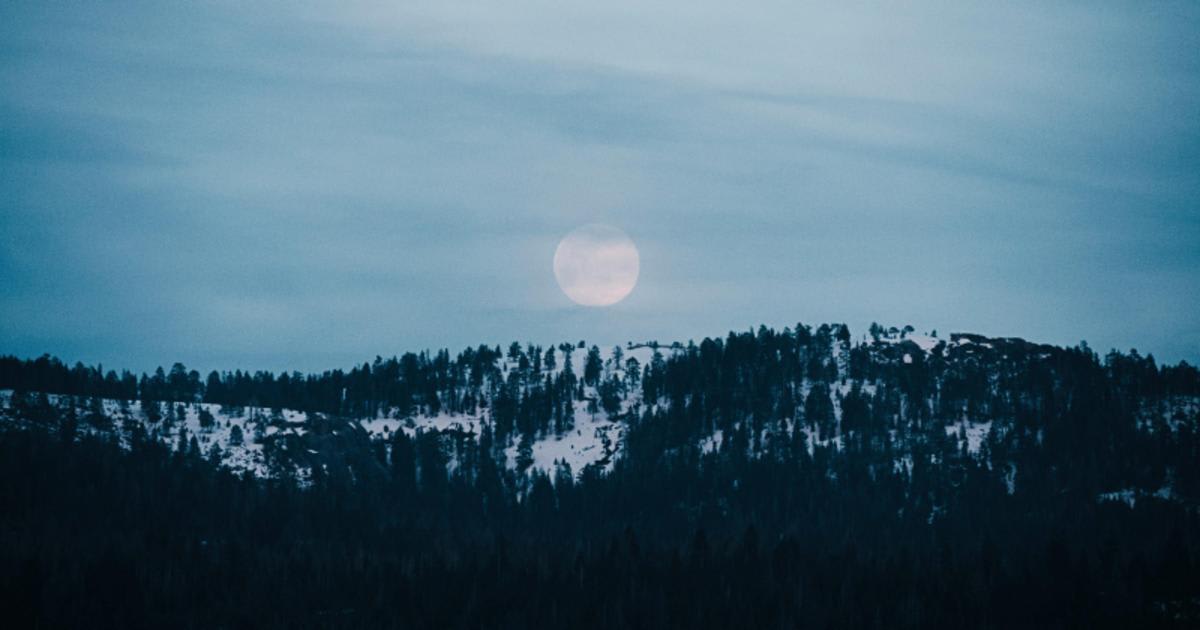
Beaver Moon of November
This year, the Beaver Moon reached peak brightness at 8:19 AM EST on November 5 and stands as the closest of this year's trio of supermoons a distance of 221,817 miles from Earth. The name Beaver Moon is reflective of the time when beavers become very active as they prepare for the winter season. Captain Jonathan Carver came across this Native American term during his travels in the 1760s.
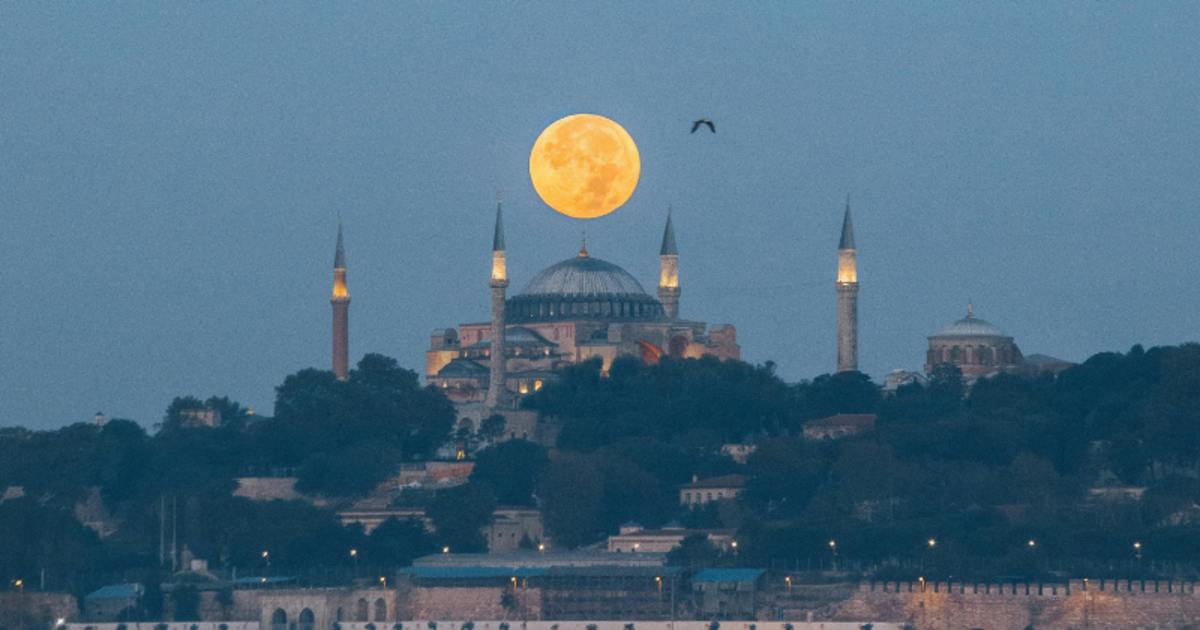
Harvest Moon of October
The Supermoon of October, also known as the Harvest Moon, appears nearest to the autumnal equinox. This means that it can occur in September or October, depending on the alignment of the lunar cycle with the Gregorian calendar, per the Almanac. For a few nights in a row, the Moon rises very soon after sunset. This provided farmers with longer stretches of light after sunset, thus giving them some extra time to bring in their harvest before the chill of winter set in. This year, the Harvest Moon reached peak brightness at 11:47 PM EDT on October 6 and was at a distance of 224,600 miles from Earth. It was seen on the nights of October 5 and October 7, as well.

So, are you ready to ring in the holiday season with yet another grand viewing of the Moon?
More on Starlust
Japanese astronomer captures double impact flashes on the Moon's surface
Moon dust collected by Chang'e 6 reveals water rich asteroids were common in the early solar system