December’s full moon—the last supermoon of the year—peaks tonight: Here's what to know

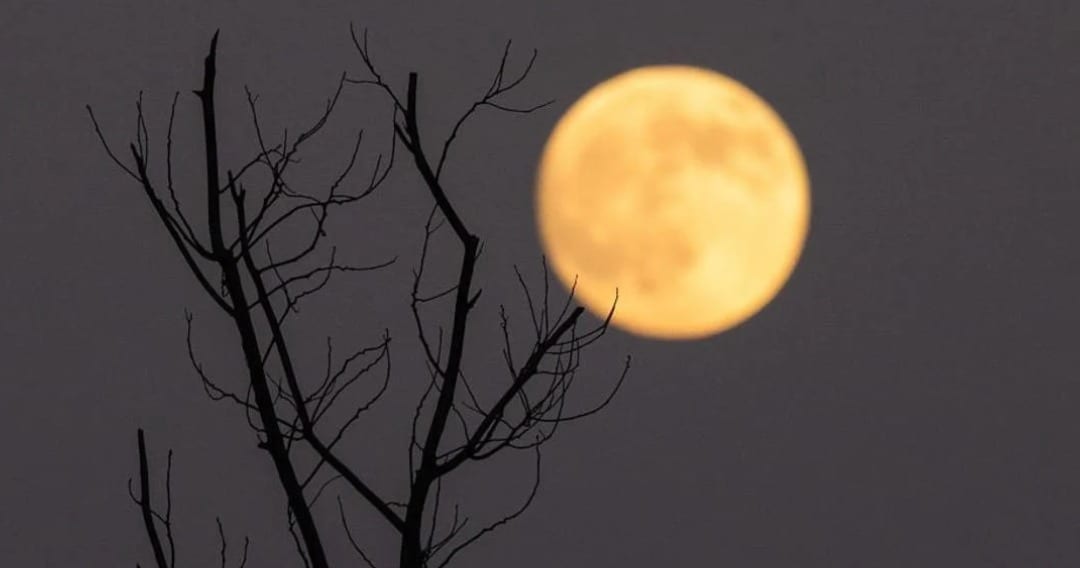
The final supermoon of the year is upon us. For the uninitiated, a supermoon occurs when the moon in its full phase coincides with its closest approach to our planet, a point known as the perigee. December’s supermoon is also called the Cold Moon on account of it being the full moon event closest to December 21 (the winter solstice), which is the shortest day of the year and marks the beginning of winter in the northern hemisphere. So, make sure to look up at the sky tonight. As for all the information you need to have the best experience, don’t worry. We’ve got you covered.
What is the best time to watch the Cold Moon?
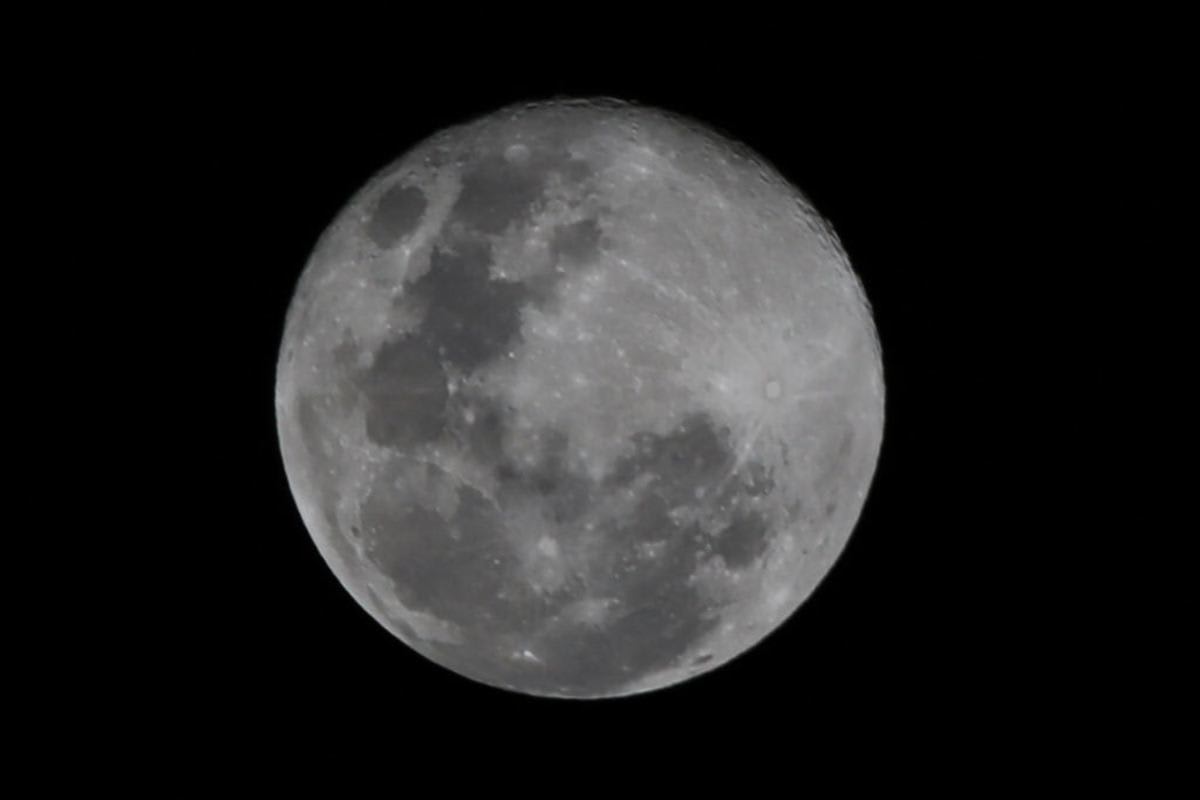
The 14-day-old Moon will be at its fullest tonight at 6:14 p.m. EST. It will be rising in the east right around sunset, which means it will be exactly opposite the Sun and will be fully illuminated. This is undoubtedly the best time to experience the event because of a largely unexplained phenomenon called 'lunar illusion', which makes the Moon look larger than it actually is. As for its highest point in the sky, our sole natural satellite will reach it around midnight and will set in the west around sunrise, per EarthSky.
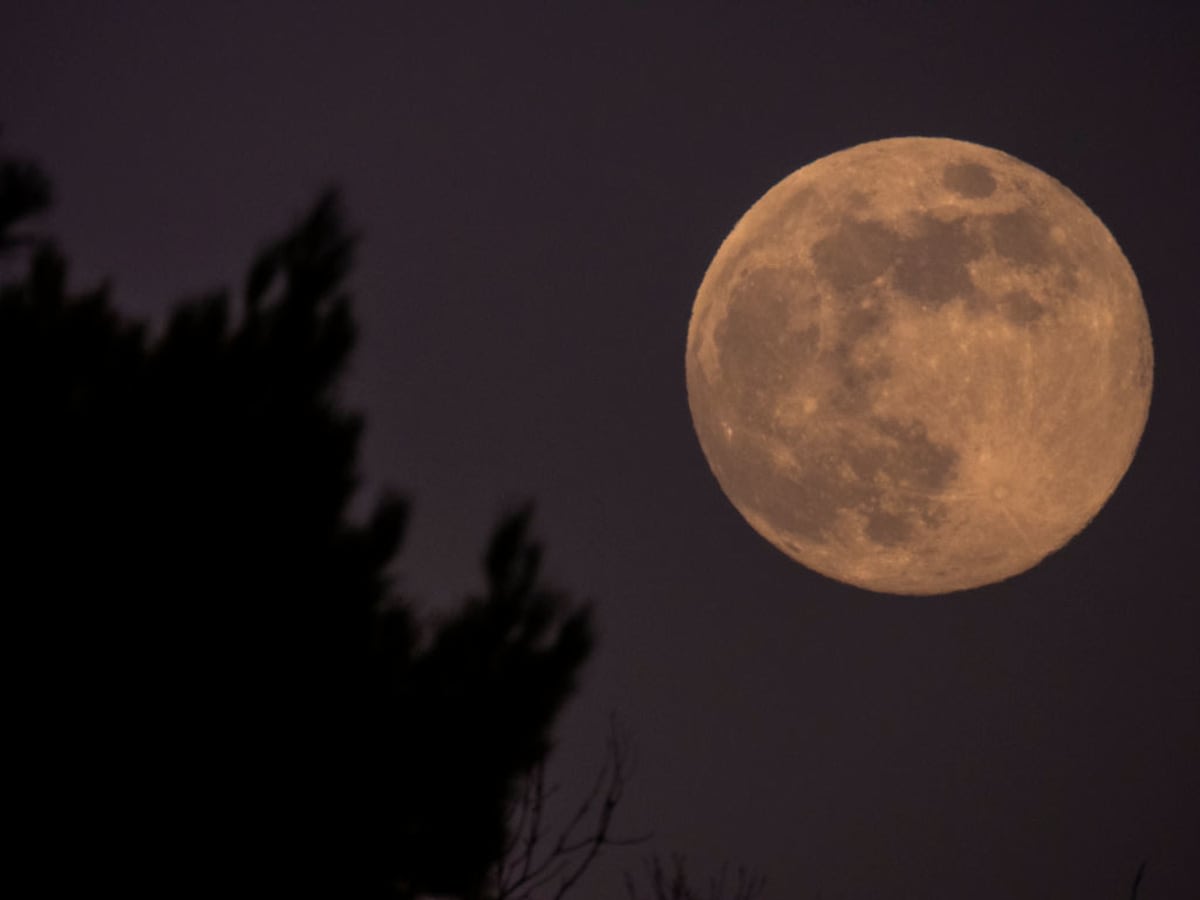
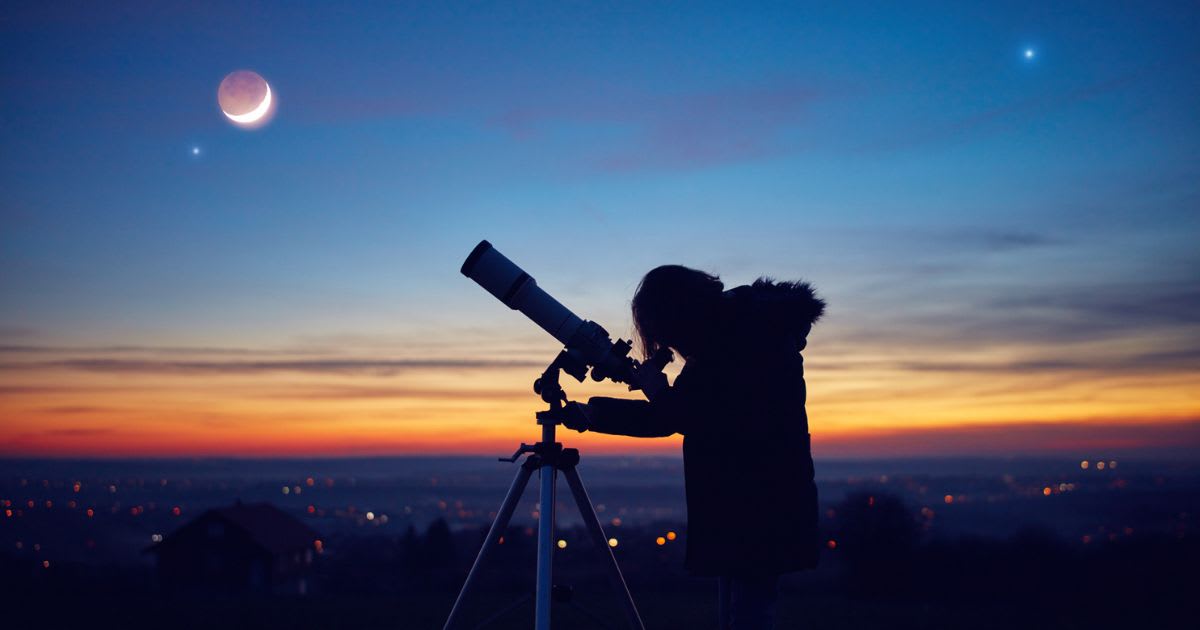
You’ll obviously be able to see the Moon with the naked eye, but if you’ve got a telescope or a pair of binoculars, it would be better. Get yourself to a flat area with little to no light pollution, and you’ll be able to see several features of the Moon in great detail.
How far will the Moon be from Earth?
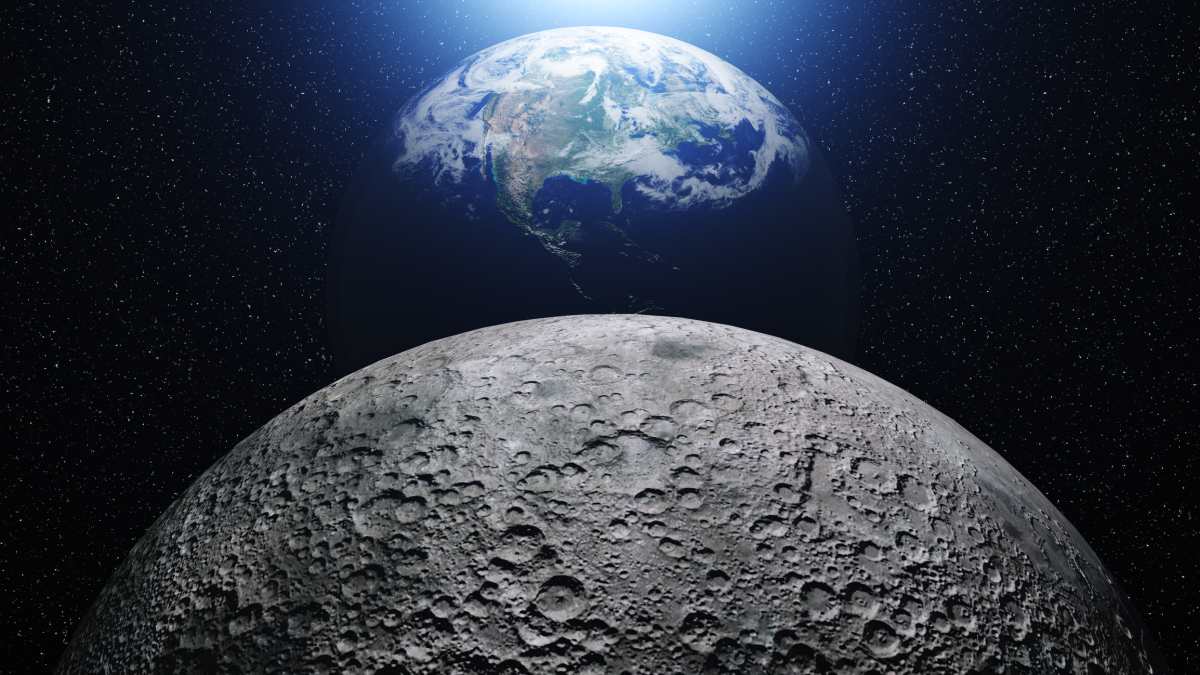
The Moon reaches its perigee and its apogee (farthest point from Earth) during each of its 27-day orbits around our planet. Tonight, it will be around 221,813 miles from us, per NASA. In case you are wondering, during its apogee, NASA says the Moon can be about 251,000 miles away from Earth.
What will the Moon look like on December 5?
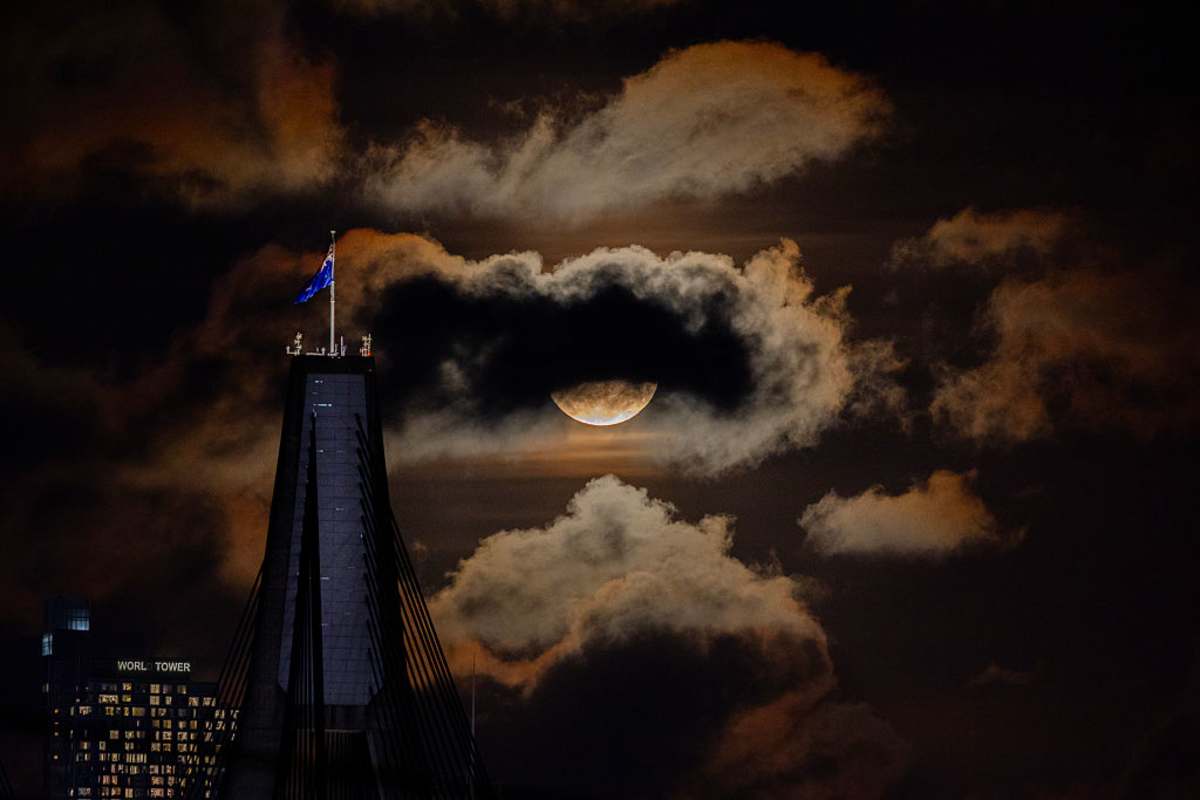
The Moon will appear full tomorrow as well, although it will be at 99% illumination, according to NASA. December 6, however, will see the brightness drop to 96%. This will mark the beginning of the waning gibbous phase, during which the Moon journeys back towards the Sun with less and less of it being visible each night.
When is the first supermoon of 2026?
In case you are too busy to look up at the sky tonight (we strongly suggest you take out a minute), you needn’t worry. That’s because the first supermoon of 2026, the Wolf Moon, will be visible in the night sky as early as January 3. It will reach its peak illumination at 5:03 EST and will disappear into the west at sunrise, per the Almanac.
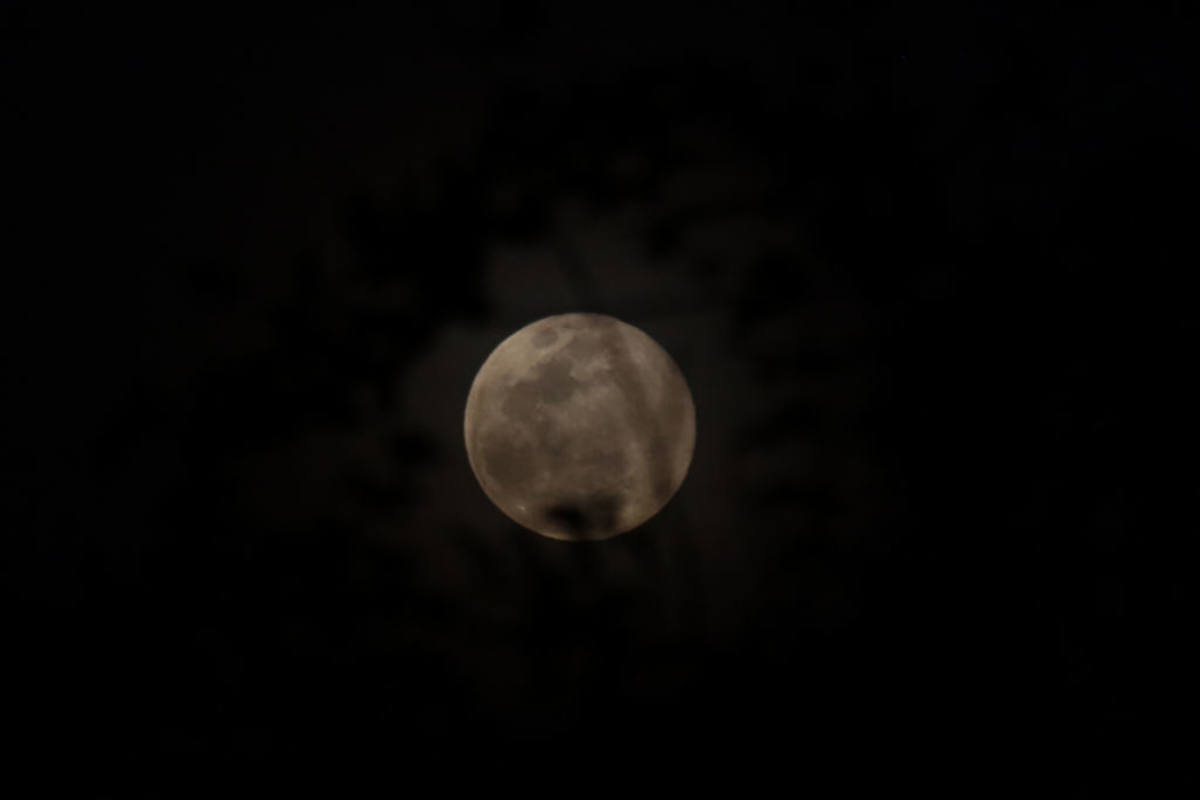
The Wolf Moon is called so because wolves were likely to be howling this time of the year, with the traditional belief being they did so due to hunger. What’s more? It’s not the only name that this particular supermoon has. The Assiniboine people of the Northern Great Plains named it the Center Moon based on the idea that it roughly marks the middle of winter.
More on Starlust
Extraordinary Moon features to spot during the Cold Moon 2025—with or without binoculars
5 stunning lunar events to watch after the Cold Supermoon in December 2025