Aurora forecast: High speed solar wind could trigger northern lights over the U.S. on October 13
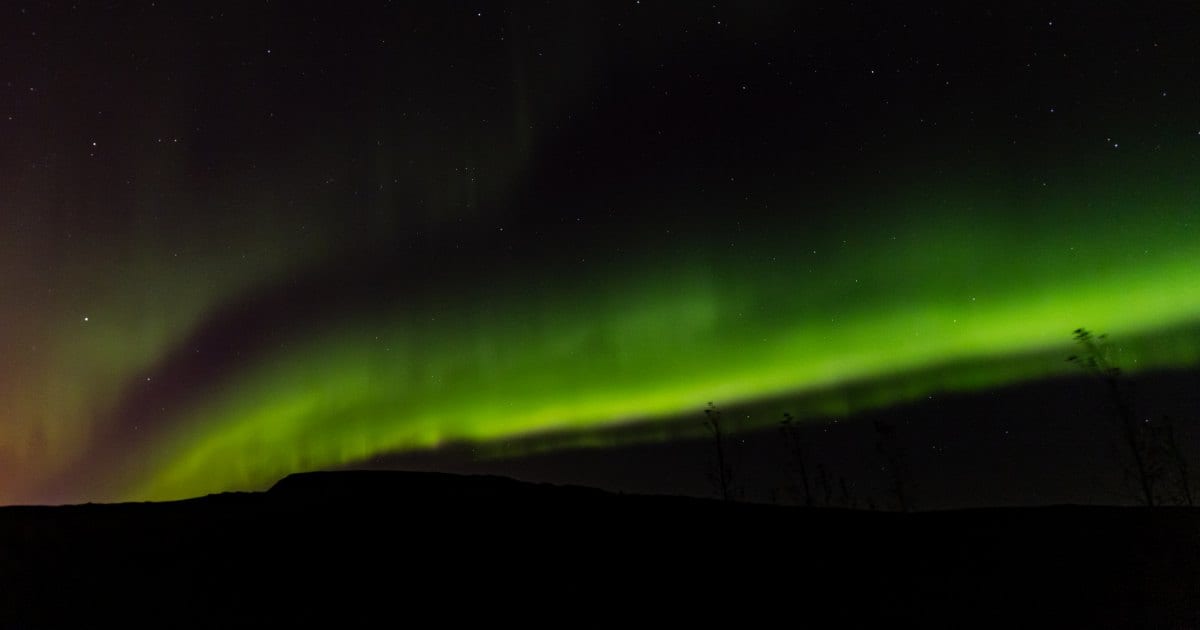
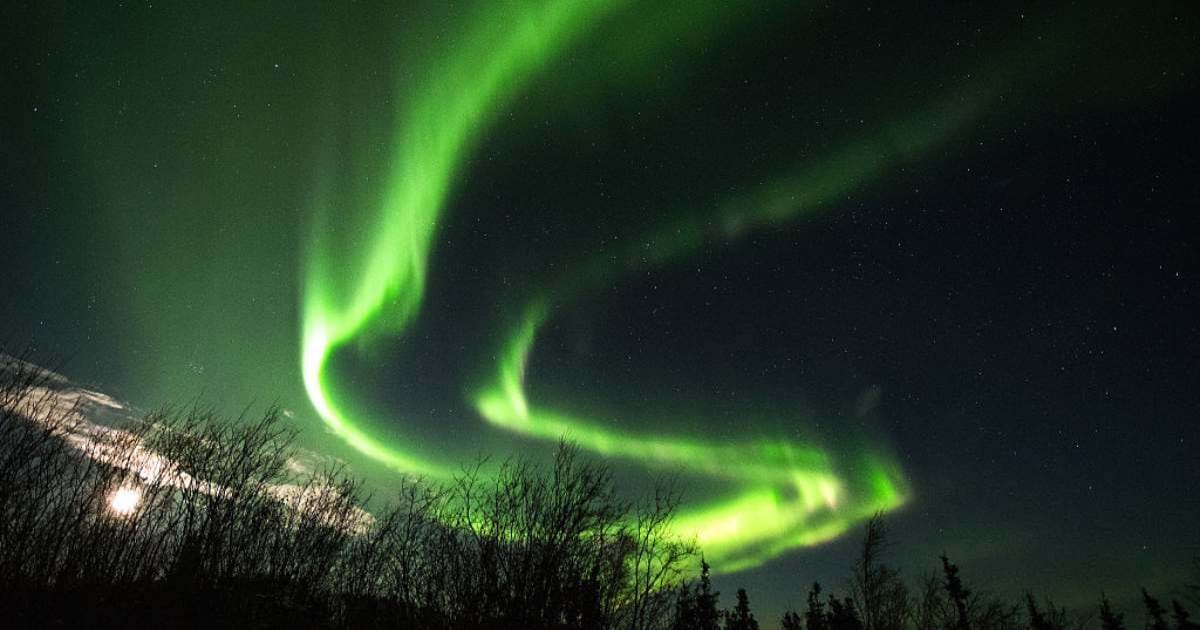
The latest three-day forecast issued by NOAA's (National Oceanic and Atmospheric Administration) Space Weather Prediction Center (SWPC) says that a stream of fast solar wind is likely to trigger a minor (G1) geomagnetic storm and result in auroras tonight, October 13. Data from the SWPC also indicates the possibility of catching the magnificent northern lights tomorrow, October 14 UTC.
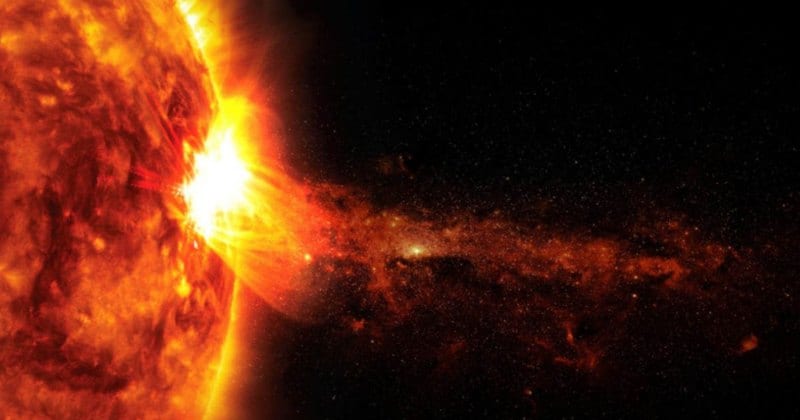
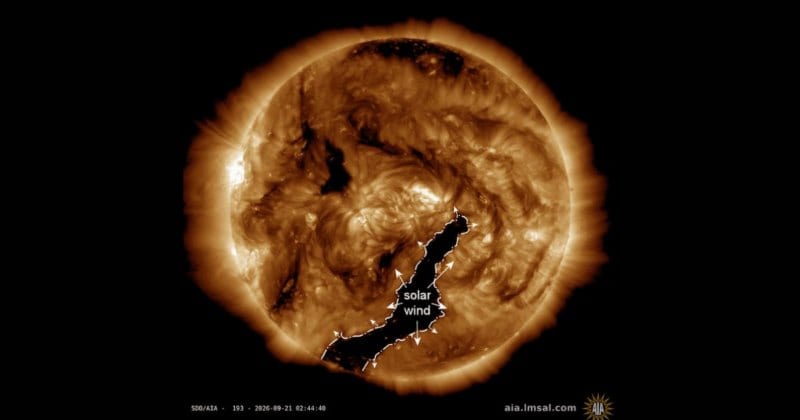
The aforementioned solar wind stream is categorized as a coronal hole high-speed stream (CH HSS). These streams originate from regions of low density in the Sun's outer atmosphere, called the corona, that appear darker in extreme ultraviolet (EUV) light. These temporary regions, called coronal holes, also feature open magnetic fields that allow solar wind to easily escape into interplanetary space, resulting in space weather events in the Earth's atmosphere.
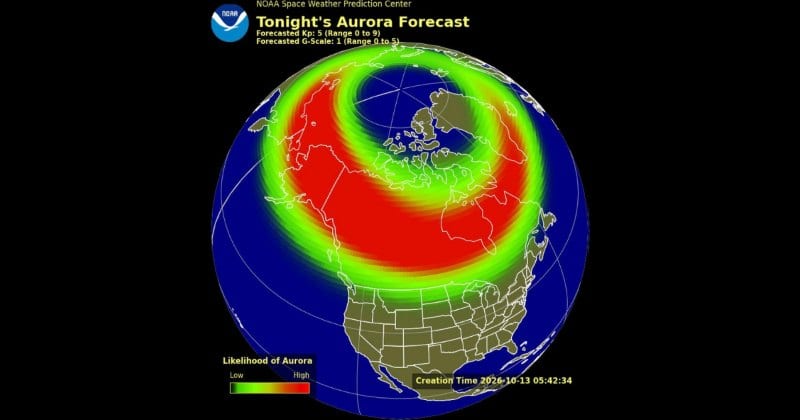
Which parts of the U.S. will get to see the aurora on October 13 and 14?
According to SWPC's aurora predictions for tonight, the aurora could be visible over some northern states in the contiguous U.S. like Washington, Idaho, Montana, North Dakota, Minnesota, Wisconsin, Michigan, and Maine besides large swathes of Canada and Alaska. Similar visibility is expected tomorrow as well.
Tips for aurora observation: Timing, location, and lighting conditions
The month of October usually comes with plenty of opportunities for viewing and capturing aurora. This is because of the Russell-McPherron effect, which makes the autumn months the most prolific in this regard after March (springtime). NOAA recommends going aurora chasing within a couple of hours of midnight. As far as location is concerned, it is best to take a hike to the top of a hill which offers an unobstructed view the northern sky, and make sure you are as far away from city lights as possible. The Full Moon can also diminish the apparent brightness of auroras, but that won't be the case tonight and tomorrow as the Moon is still in its waxing crescent phase.
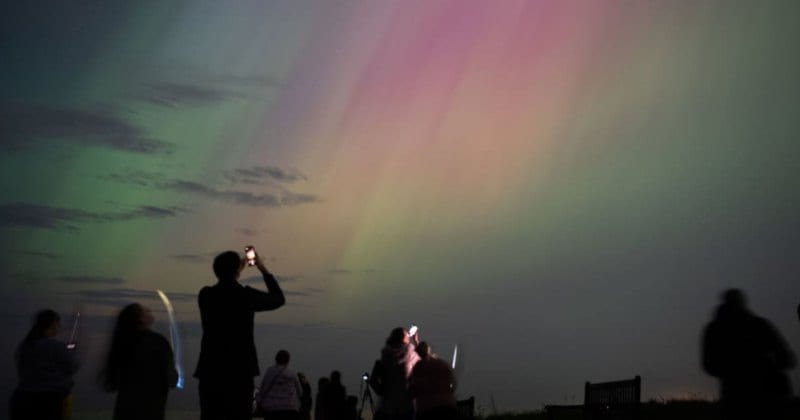
How to capture the northern lights with your smartphone
Despite their small sensors and compact form, a smartphone can still come in handy when looking for shots of auroras. To take pictures of auroras with it, one must make sure that the device remains stable so that there is no motion blur. Because of low-light conditions, long-exposure shots would be needed so as to capture the aurora. You can use a tripod or simply rest the phone against something you find outdoors, say a rock. The light sensitivity of the phone camera (ISO) should be kept between 800 and 1600, although such settings can be experimented with depending on your local lighting conditions. Though ISO can help expose the fainter features of the aurora, it can also introduce noise so one must be mindfulof the results. Also, avoid using too much digital zoom as it reduces the light hitting the camera sensor.
More on Starlust
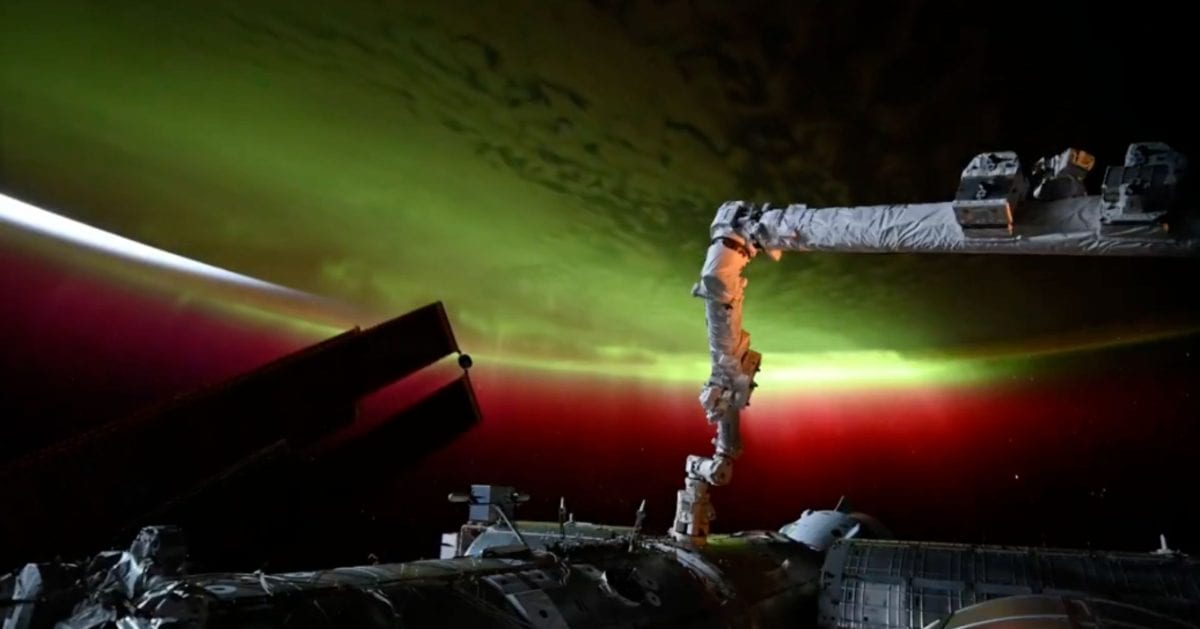
NASA astronaut shares stunning auroras views from ISS amid geomagnetic storm warning in U.S.
Data from NASA's MAVEN orbiter shows Mars gets Earth-like auroras—here's how