October's Harvest Moon kicks off the 2025 supermoon series
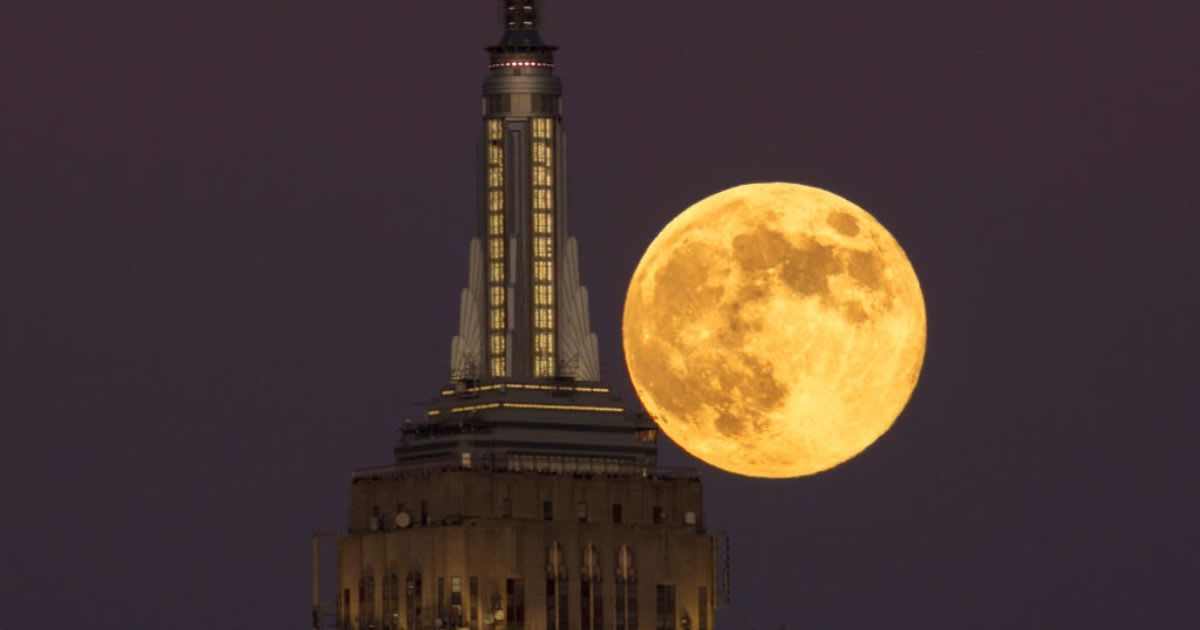
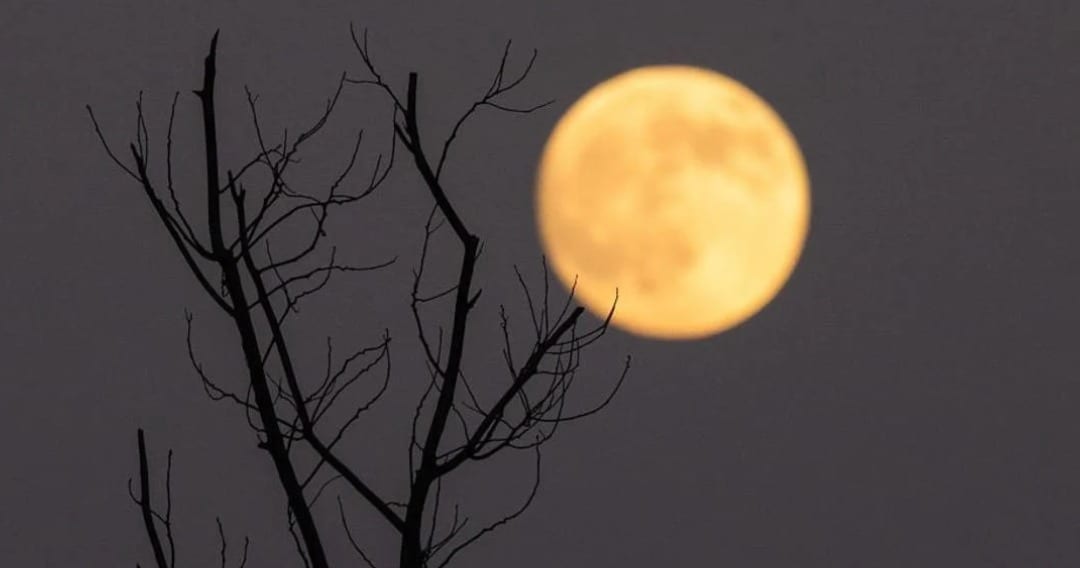
Stargazers are advised to turn their eyes skyward on the evening of Monday, October 6, as the Harvest Moon inaugurates the 2025 season of supermoons. The celestial event is expected to deliver a noticeably larger and more brilliant lunar disk due to a key astronomical alignment, as per NASA.
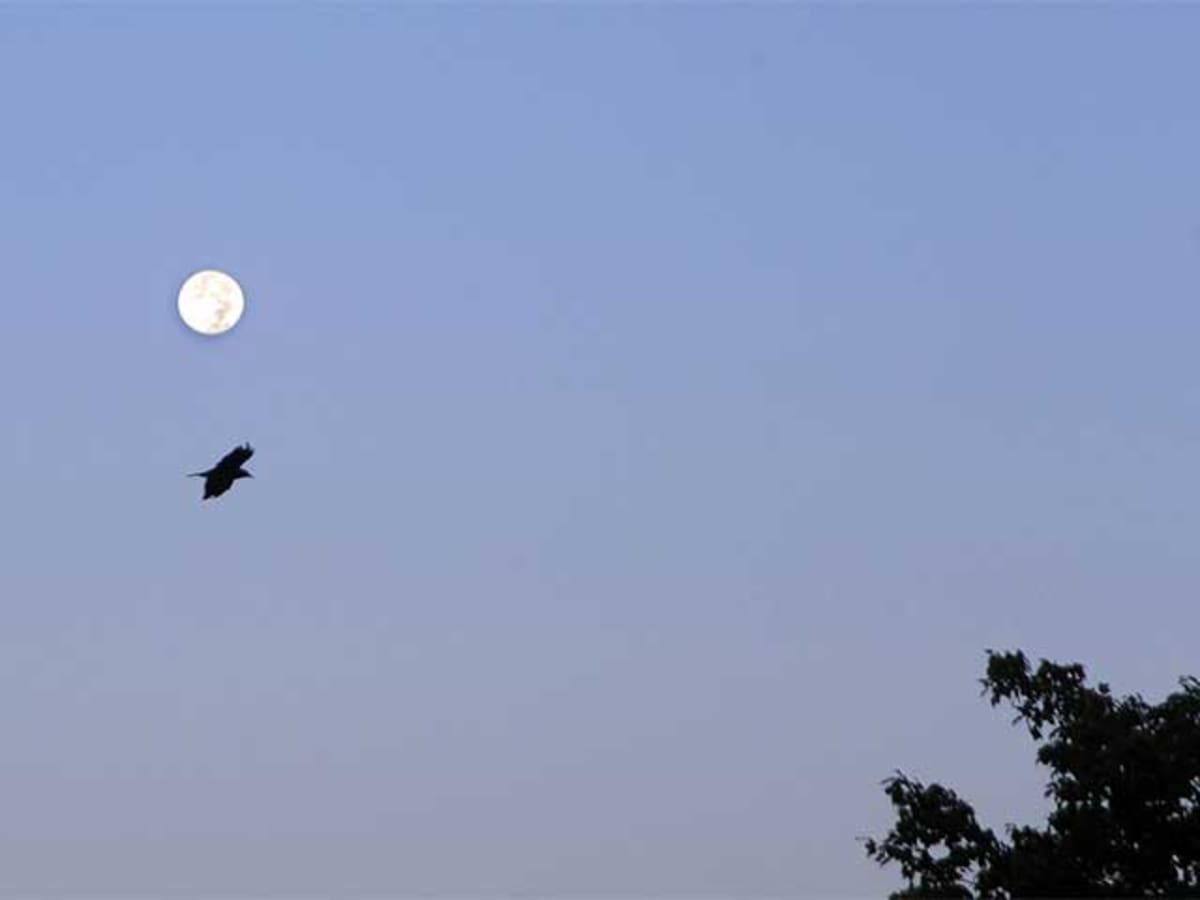
A supermoon occurs when the moon, in either its full or new phase, reaches its perigee, the point in its orbit where it is nearest to Earth for the month. This particular October full moon is positioned at an exceptionally close proximity to our planet, explaining its dramatically enhanced visual impact. It sets a powerful precedent as the first in a series of highly visible lunar events slated for the coming year.

The celestial series continues well into the late months of 2025, with all three final full moons of the year earning the supermoon designation, as per Almanac. These full moons, in October, November, and December, will all be within 90% of the Moon’s absolute closest approach to Earth, known as perigee. These full moons will be the most proximate to Earth for the year, offering astronomers and enthusiasts prime viewing opportunities.
The series begins with the Harvest Supermoon peaking at 11:47 p.m. EDT on October 6, situated just 224,600 miles (361,458 kilometers) from Earth. Next, the Beaver Supermoon on November 5 at 8:19 a.m. EST will be the closest of the trio, at a distance of 221,817 miles (356,980 kilometers). Finally, the series concludes with the Cold Supermoon on December 4 at 6:14 a.m. EST, at 221,965 miles (357,219 kilometers).
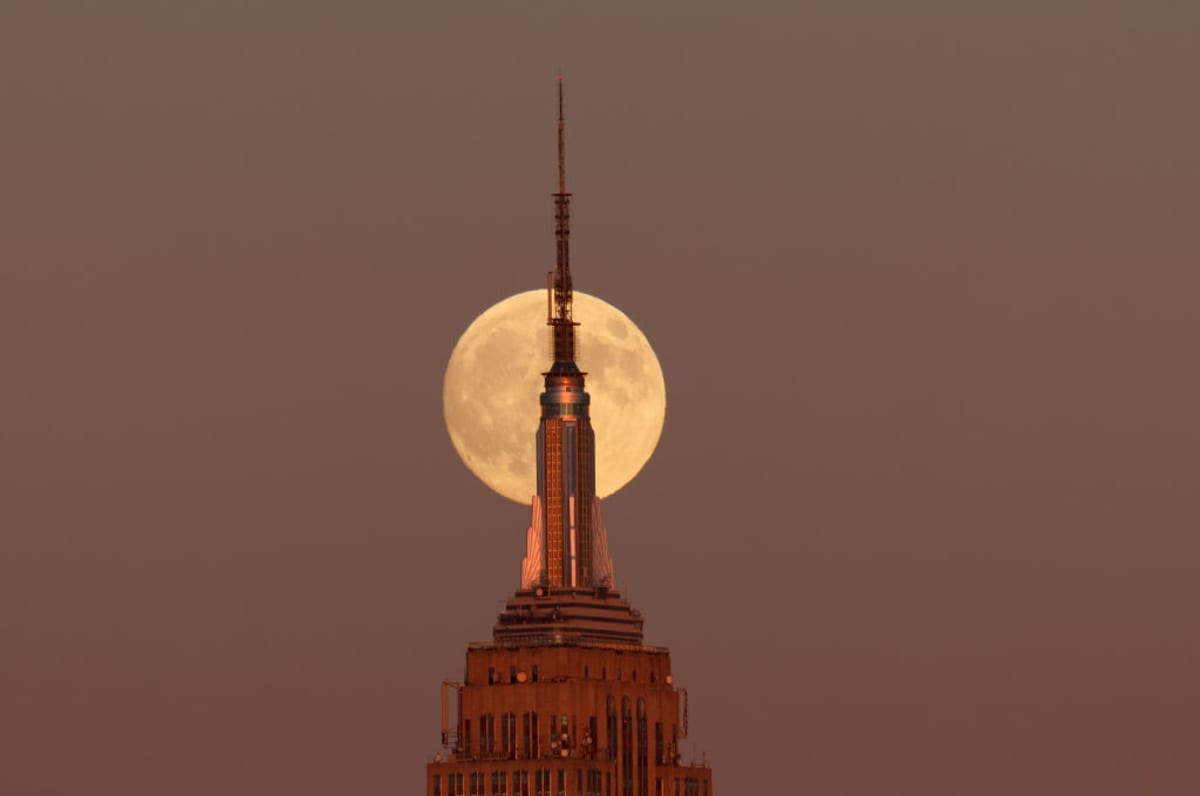
The Moon's path around Earth is elliptical, not perfectly circular, meaning its distance constantly changes. A supermoon specifically occurs when the full Moon phase aligns with perigee, the point in the orbit where the Moon is closest to Earth, according to NASA. During its approximately 27-day orbit, the Moon swings between its closest approach, or perigee, averaging about 226,000 miles (363,300 km) away, and its farthest point, or apogee, roughly 251,000 miles (405,500 km) distant.

The "supermoon" term, although not an official astronomical phrase, is widely used to identify a full Moon occurring when it is within at least 90 percent of its perigee distance. This close-pass alignment is relatively infrequent, occurring only three or four times annually and always in consecutive months, as the Moon's orbit must precisely overlap with the full phase.
At its nearest, a full supermoon can appear up to 14 percent larger and 30 percent brighter than the year's smallest full Moon (which happens at apogee). While this size difference is minimal and often imperceptible to the naked eye, the increased brightness is a noticeable feature of the event. The perigee distance also has a measurable impact on our planet. The Moon's heightened proximity during a supermoon event is known to amplify gravitational forces, resulting in higher-than-average tides on Earth.
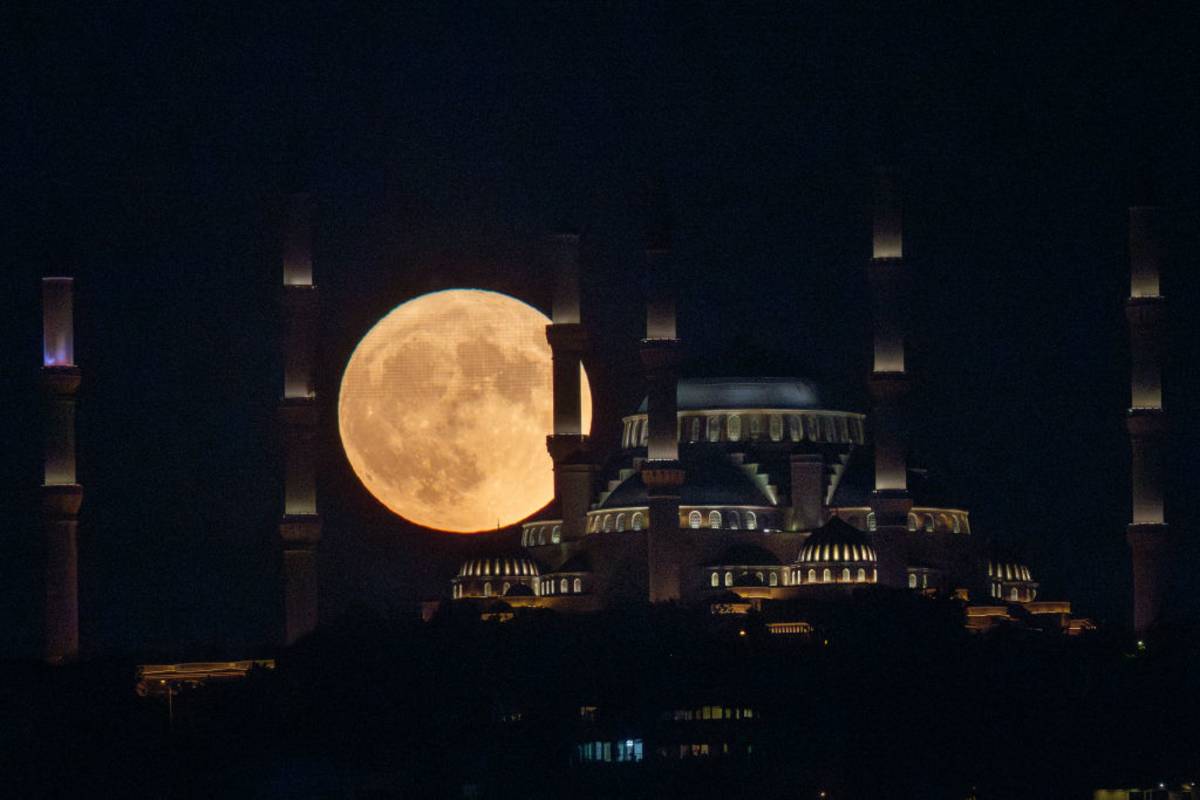
The elevated lunar activity will continue into the following year, with 2026 scheduled to feature three additional full supermoons, as per Almanac. Observers can anticipate these close lunar alignments on January 3, 2026, November 24, 2026, and December 23, 2026, confirming an ongoing stretch of heightened celestial displays.
Set a Reminder: Don't miss the final two supermoons of the year, illuminating the nights of November 5 and December 4.
More on Starlust
Moon phases October 2025: Is there a full moon tonight?
First supermoon of 2025 to light up the sky today—when to spot it in its full glory