NASA-backed coating for space shield roughly 250x thinner than a human hair could help detect alien life

The small business ZeCoat Corporation has developed a durable, ultrathin black coating that absorbs light with great efficiency and could one day be used on spacecraft designed to support the imaging of exoplanets. This would, in turn, aid in the search for life beyond Earth.
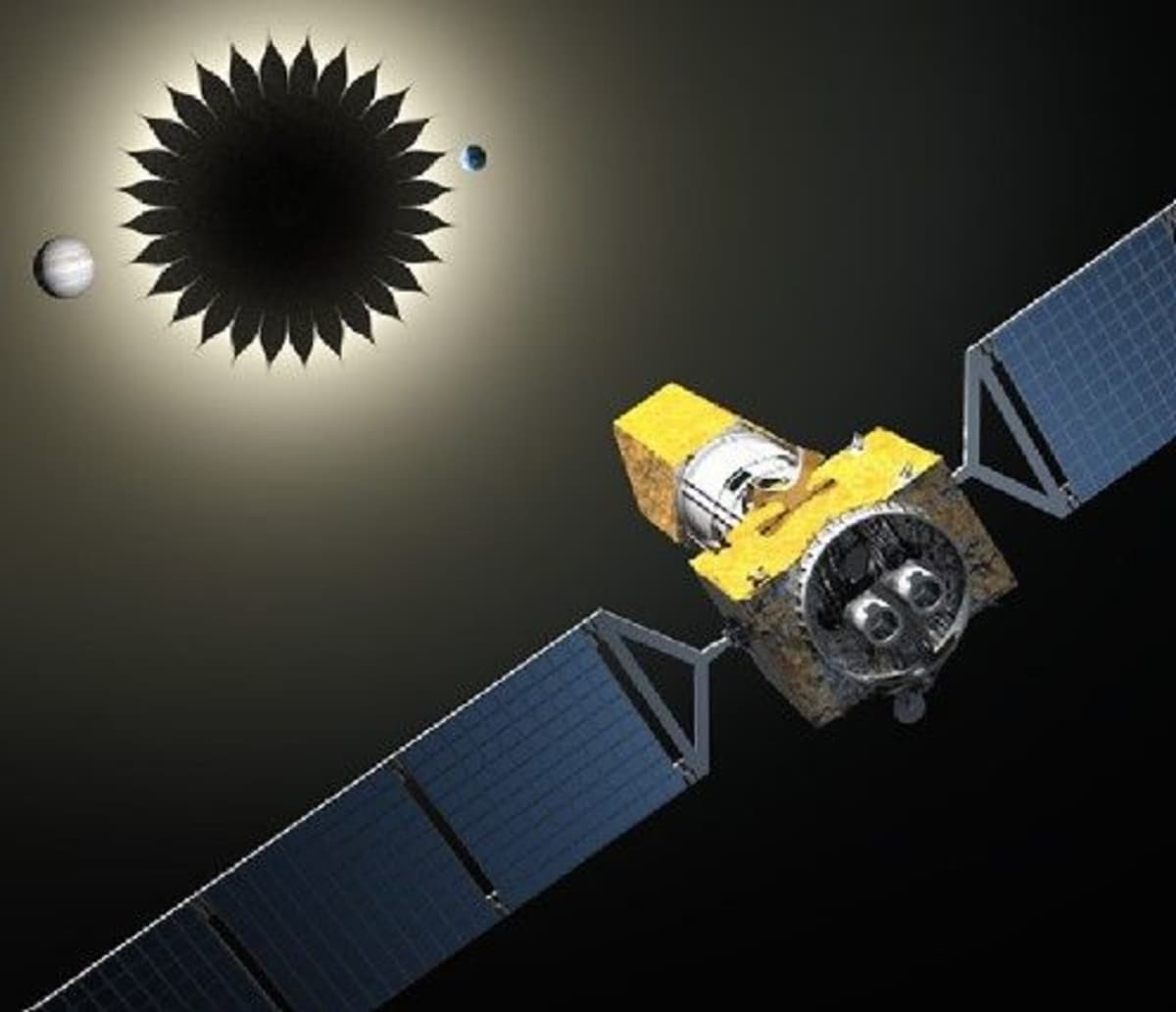
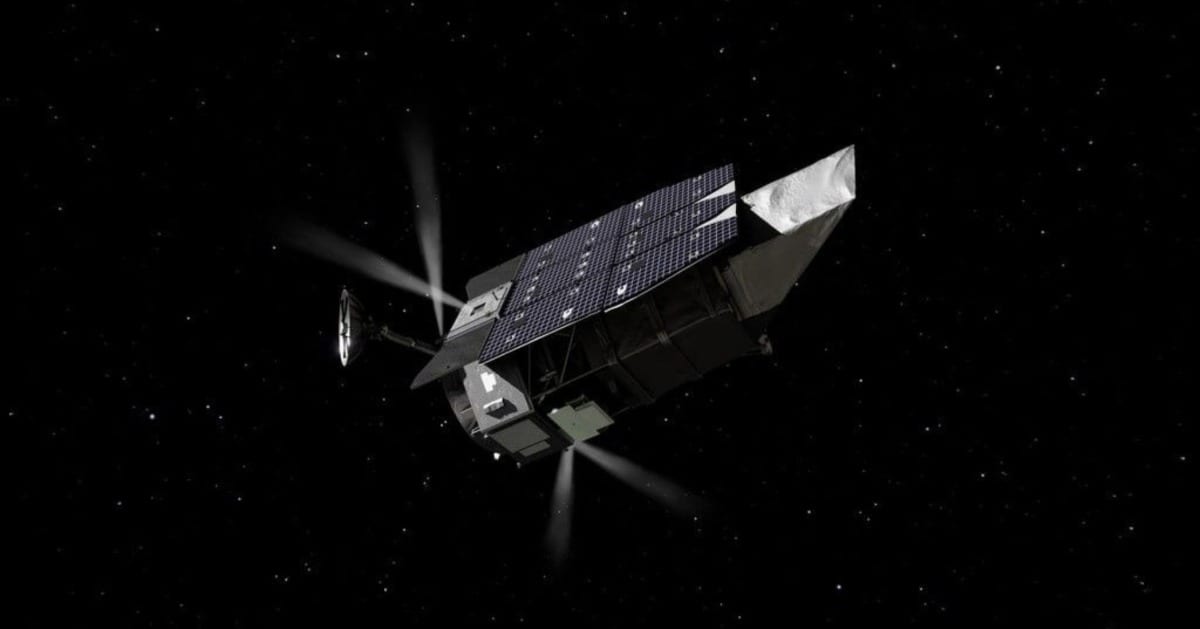
The light from a star, which can be billions of times brighter than the light reflected from its surrounding planets, can make imaging exoplanets difficult. Starlight also scatters off spacecraft surfaces and falls back into the telescope, creating light pollution that further diminishes the intensity of light from an exoplanet. Starshade—a giant flower-shaped spacecraft about half the size of a football field—offers a way around this problem. Parked between a space telescope and a distant star, it can cast a shadow onto the telescope, reducing unwanted light from the star while allowing the much fainter light from an orbiting exoplanet to reach the telescope, thereby enabling its detection.
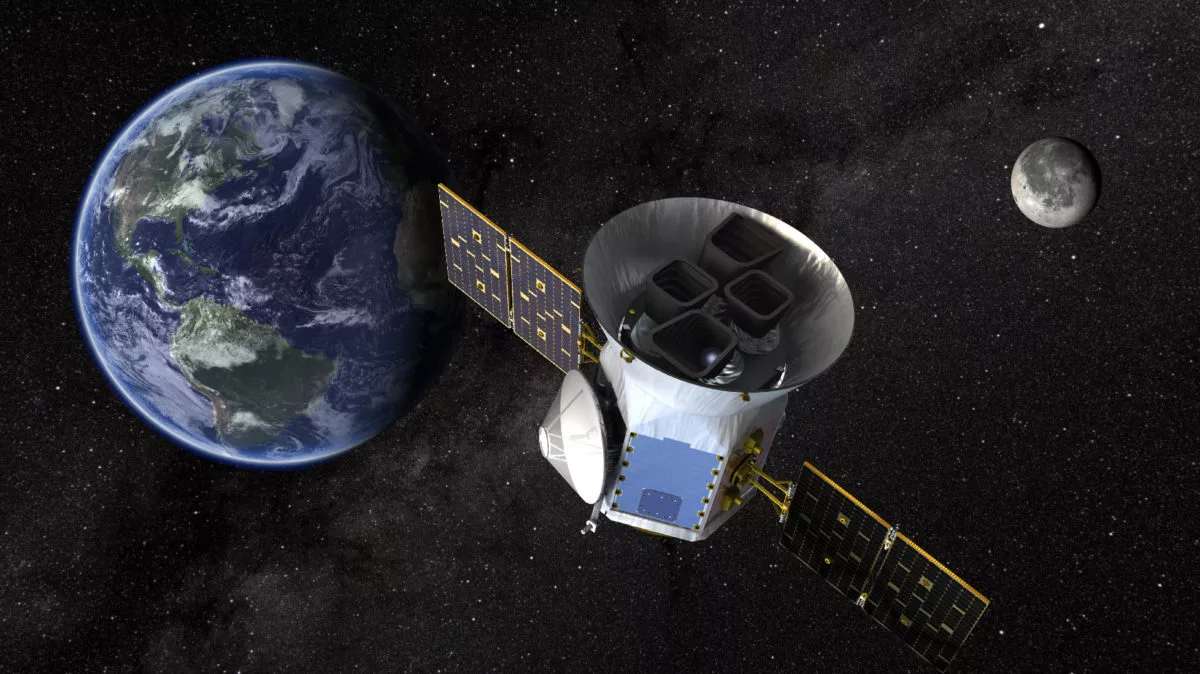
But starshade is not only supposed to block the light from the distant star but also needed to suppress any stray light from the Sun that scatters from its petal edges and falls onto the telescope. NASA-sponsored engineers have been trying to figure out a solution to this problem for a decade now. For instance, they designed starshade blades that were razor-sharp. However, despite being only 300 nanometers thick, data showed that the metal edges still scattered too much sunlight onto the telescope. Researchers went on to produce specific black coatings and applied them on the edges of a starshade to reduce its light reflection. But those coatings were too thick and literally increased light scattering.

In 2004, ZeCoat Corporation's founder, David Sheikh, stumbled upon a methodology that was used to develop light-absorbing, smooth surfaces decades ago. With the help of modern computer techniques and new insights into material property, Sheikh improved this methodology, developing a unique way for making ultra-black coatings using a motion-controlled, physical vapor deposition process at ZeCoat.
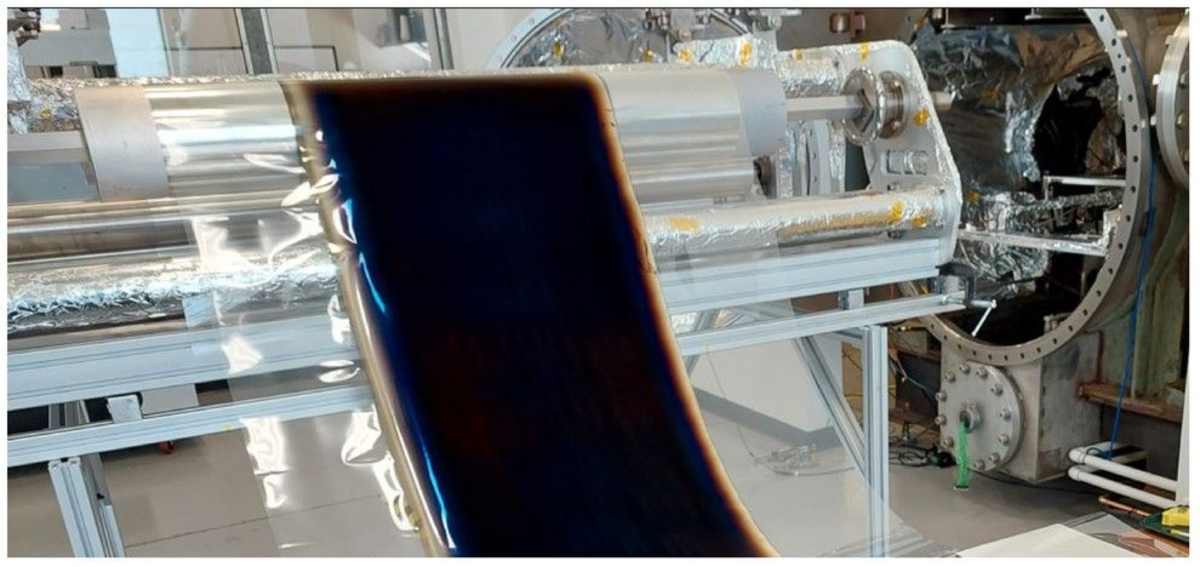
Using the method, Sheikh prepared ultrathin, partially transparent metal layers. Between metal layers, he inserted dielectric glass layers, giving rise to multiple light-absorbing, nanosized cavities. When the thickness of the layers is tweaked using computer-aided techniques, the cavities, where the metals absorb light, allow incoming light to resonate as standing waves. This new coating was found to be 100 times thinner than those previously applied to edges of starshades. It was applied to prototype starshade edges as part of the Starshade Science and Industry Partnership chartered by NASA's Exoplanet Exploration Program at the agency’s Jet Propulsion Laboratory (JPL) in Southern California in 2020. Using a custom-built laser scatterometer, JPL engineers compared the scatter from coated and uncoated 50 cm long amorphous metal blades and found that the coating reduced the reflected light by a factor of around 20. That is enough for a telescope to image an exoplanet.
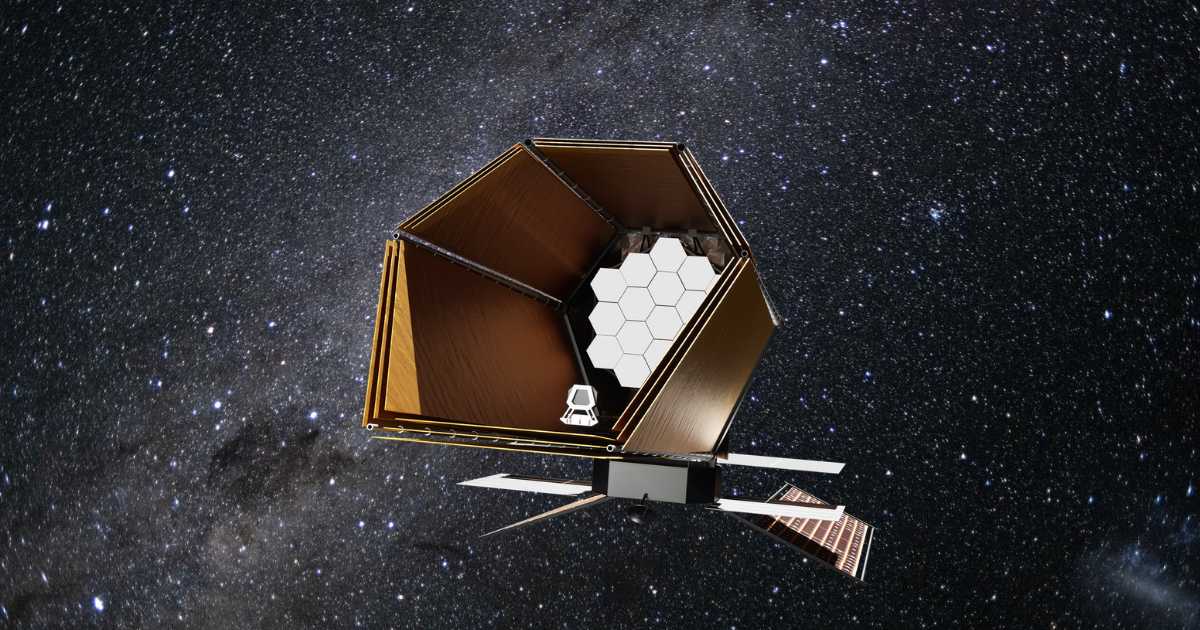
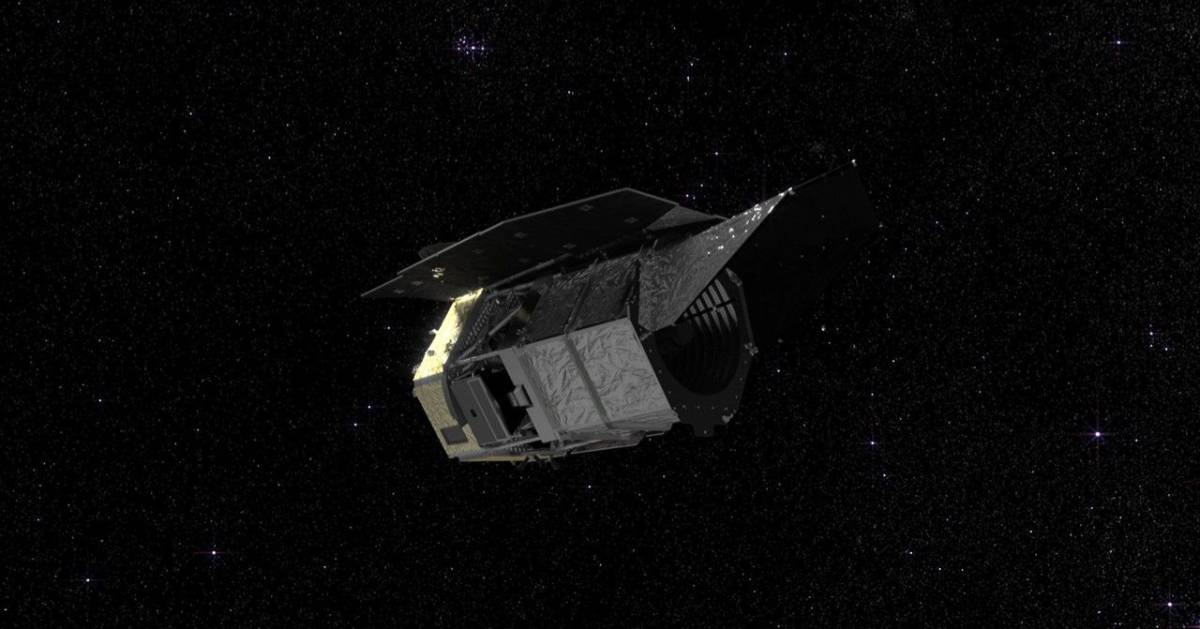
ZeCoat, supported by a 2021 NASA Small Business Innovative Research (SBIR) contract, has also developed a new process to apply a similar coating to large sheets of polyimide film that could be put together to build both a starshade's central disk and its petal surfaces. In addition, the coatings could be used to reduce light pollution created by the ever-growing population of satellites and on future spaceships such as NASA’s Habitable World Observatory.
More on Starlust
Scientists find potentially habitable Earth-like planet not too far from our own solar neighborhood